APEC Senior Officials Focus on Green Supply Chains and Digital Customs Mutual Recognition
Author
Date Published
Reading Time
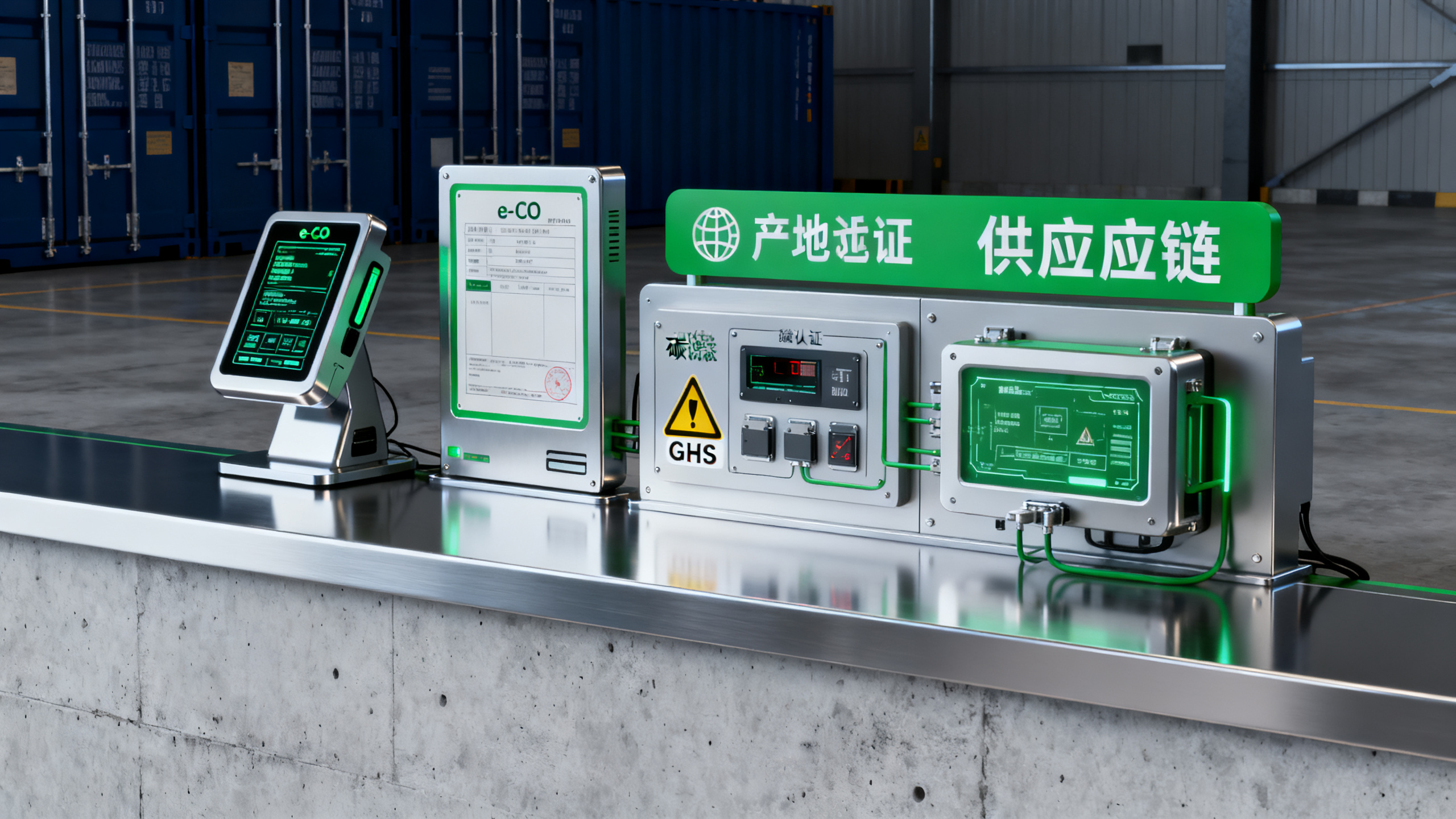
On May 19, 2026, the second APEC Senior Officials’ Meeting in Shanghai reached consensus on advancing cross-border interoperability in green supply chains and digital customs processes — including mutual recognition of carbon labels for low-carbon products, interconnection of electronic Certificates of Origin (e-CO) systems, and digital sharing of hazardous goods transport documentation. Industrial water treatment equipment, fire pump sets, and laboratory consumables are among the first product categories selected for pilot implementation. China Customs has completed e-CO system integration with Chile and Vietnam; expansion to 12 economies is scheduled for Q3 2026. This development carries direct implications for exporters, manufacturers, logistics providers, and compliance officers operating across APEC markets — particularly those engaged in environmental technology, safety-critical equipment, and life sciences supply chains.
Event Overview
The second APEC Senior Officials’ Meeting was held in Shanghai on May 19, 2026. Participants agreed to advance three interoperable initiatives: (1) mutual recognition of carbon labels for green and low-carbon products among APEC members; (2) interconnection of national electronic Certificate of Origin (e-CO) systems; and (3) digital sharing of hazardous goods transport documentation. Industrial water treatment equipment, fire pump sets, and laboratory consumables were identified as the initial pilot product categories. China Customs confirmed successful e-CO system interoperability with Chile and Vietnam; extension to 12 APEC economies is planned for Q3 2026.
Industries Affected
Direct Exporters and Importers
Exporters and importers handling the pilot product categories face immediate implications for origin verification, customs clearance speed, and carbon-related market access requirements. The e-CO interconnection reduces manual certificate submission and verification time, while carbon label mutual recognition may lower conformity assessment burdens in importing markets — provided their products meet aligned carbon accounting standards.
Manufacturers of Industrial Water Treatment Equipment
As a designated pilot category, manufacturers in this segment must prepare for potential harmonization of carbon footprint reporting methods across APEC markets. While no mandatory carbon labeling regime is yet in force, alignment of calculation methodologies and verification protocols will likely precede formal mutual recognition — affecting product documentation, third-party certification engagement, and R&D transparency practices.
Producers of Fire Pump Sets
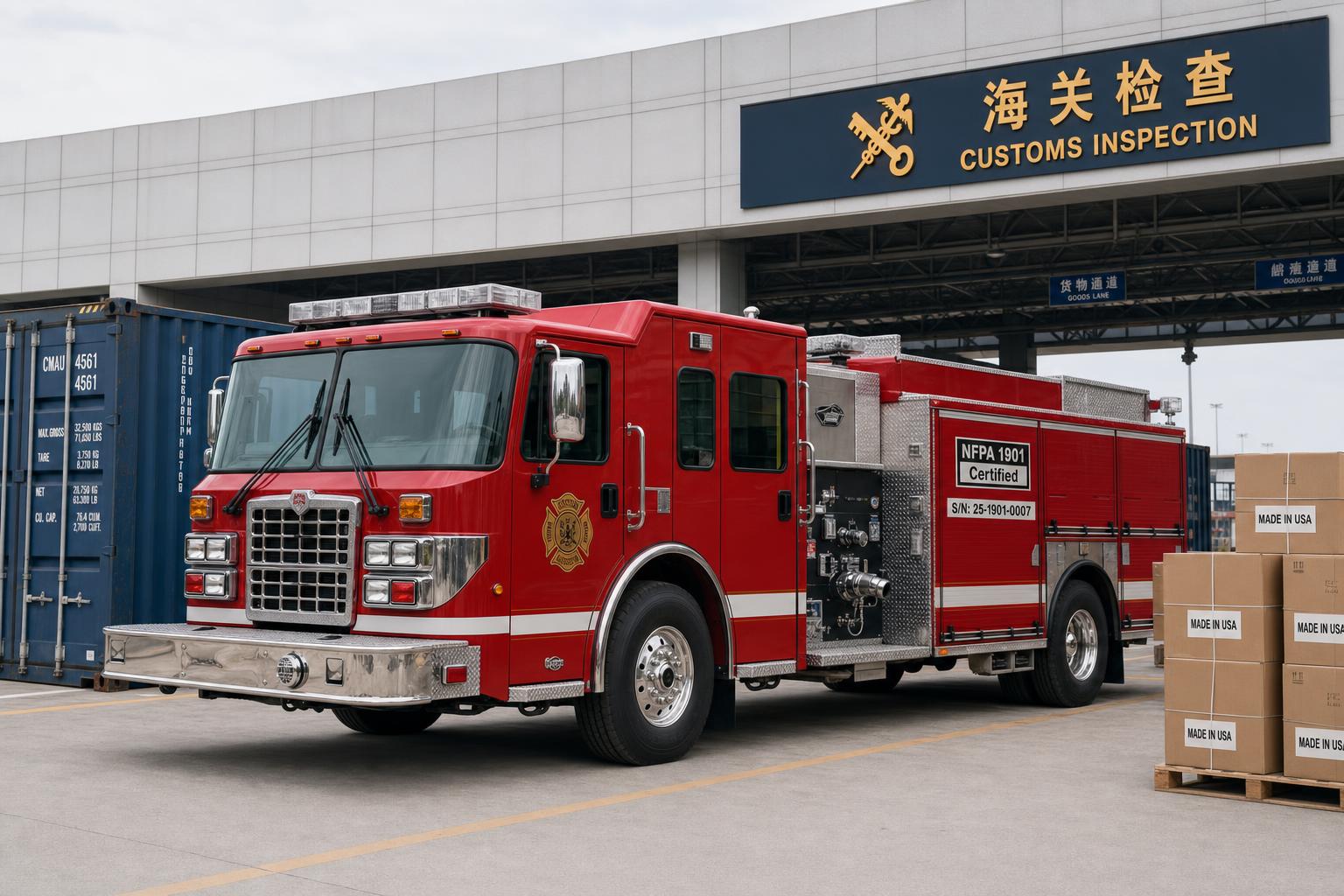
Fire pump sets fall under regulated safety equipment in most APEC economies. Their inclusion signals that digital documentation interoperability extends beyond routine trade goods into high-compliance categories. Manufacturers should anticipate increased scrutiny of technical specifications, test reports, and conformity declarations embedded in digital transport or origin documents — especially where hazardous goods handling overlaps (e.g., hydraulic fluid transport).
Suppliers of Laboratory Consumables
This category often involves complex global sourcing, temperature-sensitive logistics, and multi-jurisdictional regulatory oversight (e.g., chemical registration, biocompatibility). Digital sharing of hazardous goods documentation implies tighter traceability requirements for substances classified under GHS or national hazard communication frameworks — potentially impacting packaging labeling, SDS format standardization, and carrier onboarding procedures.
Supply Chain Service Providers (Logistics, Customs Brokers, Certification Bodies)
These intermediaries will need to adapt systems and workflows to support dual-track documentation: legacy paper-based processes alongside new e-CO and digital hazardous goods data exchange protocols. Interoperability does not imply automatic acceptance — service providers must verify which APEC members have activated live data exchange, what metadata fields are required, and how discrepancies between national carbon label criteria are resolved operationally.
What Enterprises and Practitioners Should Monitor and Do Now
Track official implementation timelines and scope definitions
Monitor announcements from national customs authorities and APEC Secretariat regarding exact launch dates for e-CO interconnection phases, list updates for pilot product categories, and technical specifications for carbon label mutual recognition (e.g., accepted GHG scopes, verification bodies, data granularity). These details determine when operational adjustments become necessary — not just policy intent.
Assess exposure to pilot categories and priority markets
Map current export volumes and destinations for industrial water treatment equipment, fire pump sets, and laboratory consumables. Prioritize readiness actions for markets already connected to China’s e-CO system (Chile, Vietnam) and those slated for Q3 2026 rollout. Identify dependencies on hazardous goods transport documentation — especially for air freight or cross-border road shipments involving flammable solvents or compressed gases.
Distinguish between policy signal and operational readiness
The consensus reflects political commitment, not yet binding obligations. Carbon label mutual recognition remains a framework agreement — no standardized methodology or enforcement mechanism has been published. Similarly, e-CO interconnection requires bilateral technical alignment; ‘interconnected’ does not guarantee real-time validation or automated customs release. Treat early-stage announcements as preparatory signals, not triggers for full-system overhauls.
Update internal documentation and supplier coordination protocols
Begin aligning product-level carbon data collection (where applicable) with ISO 14067 or PAS 2050 principles, even if not yet required. Review existing origin declaration templates and hazardous goods shipping papers for compatibility with structured digital formats (e.g., XML schema, UN/EDIFACT D96A). Engage key suppliers to assess their capacity to provide digitally verifiable compliance evidence — especially for subcomponents subject to hazardous substance restrictions.
Editorial Perspective / Industry Observation
Observably, this APEC outcome functions primarily as a coordination signal — not an immediate regulatory shift. It reflects growing institutional alignment on two converging priorities: reducing trade friction through digital infrastructure, and embedding climate considerations into trade governance. Analysis shows the selection of pilot categories is highly indicative: all three involve measurable environmental impact (water use, energy-intensive fire suppression, chemical waste), technical complexity, and cross-border regulatory overlap. That suggests future expansions will prioritize sectors where sustainability claims intersect with verifiable technical standards — rather than broad consumer goods. From an industry perspective, the real inflection point will be when mutual recognition transitions from bilateral MOUs to multilateral technical annexes defining data fields, audit rules, and dispute resolution — which remains pending.
This initiative is best understood not as a standalone reform, but as part of a broader trajectory toward interoperable, low-friction, and accountable trade infrastructure across the Asia-Pacific. Its near-term value lies less in immediate cost savings and more in reducing uncertainty around future compliance pathways — especially for firms investing in decarbonization or digital supply chain upgrades. For now, it serves as a forward-looking benchmark: a marker against which enterprises can assess whether their current documentation, data architecture, and supplier engagement practices are scalable to emerging regional norms.
Information Source: Official summary released by the APEC Secretariat following the May 19, 2026 Senior Officials’ Meeting; public statements by China Customs on e-CO interoperability progress. Note: Expansion timeline to 12 economies and technical specifications for carbon label mutual recognition remain subject to further official confirmation and are under active observation.
Technical Specifications
- How to Select Electronic Hotel Key Card Locks for Guest Rooms and Staff AreasAuthor :Safety Compliance Lead
- How to Select Lab Instruments for Reliable Chemical Analysis WorkflowsAuthor :Precision Metrology Expert
- How to Size a UPS for Server Rooms: Load, Runtime, and Redundancy FactorsAuthor :Grid Infrastructure Analyst
Expert Insights

Chief Security Architect
Dr. Thorne specializes in the intersection of structural engineering and digital resilience. He has advised three G7 governments on industrial infrastructure security.
Related Analysis
- Sep 17, 2026How to Select Electronic Hotel Key Card Locks for Guest Rooms and Staff AreasAuthor :Safety Compliance Lead
- Sep 16, 2026How to Select Lab Instruments for Reliable Chemical Analysis WorkflowsAuthor :Precision Metrology Expert
- Sep 15, 2026How to Size a UPS for Server Rooms: Load, Runtime, and Redundancy FactorsAuthor :Grid Infrastructure Analyst
Core Sector // 01
Security & Safety
- Steel Rescue Tripods Wholesale: Key Load Ratings, Standards, and Buying MistakesAuthor :Safety Compliance Lead

- India Lifts Duty on Fire Rescue Imports to 22%Author :Safety Compliance Lead

- IEC 62061 Amendment 2 Targets Fire & Rescue ControllersAuthor :Safety Compliance Lead

- IEC 62819-2:2026 Sets New Cybersecurity CheckpointAuthor :Safety Compliance Lead

- When to Use a Quick Deployment Oil Boom for Spill Control in Ports and Inland WatersAuthor :Safety Compliance Lead

- Saudi SASO Adds Cybersecurity Annex to Fire Equipment CertificationAuthor :Safety Compliance Lead

- CBP Pre-Arrival Portal Raises Import Checks for Fire EquipmentAuthor :Safety Compliance Lead

- UAE Sets Cybersecurity Gate for Fire Control PanelsAuthor :Safety Compliance Lead