China's Salt-Cavern Hydrogen Storage Project Launched in Pingdingshan
Author
Date Published
Reading Time
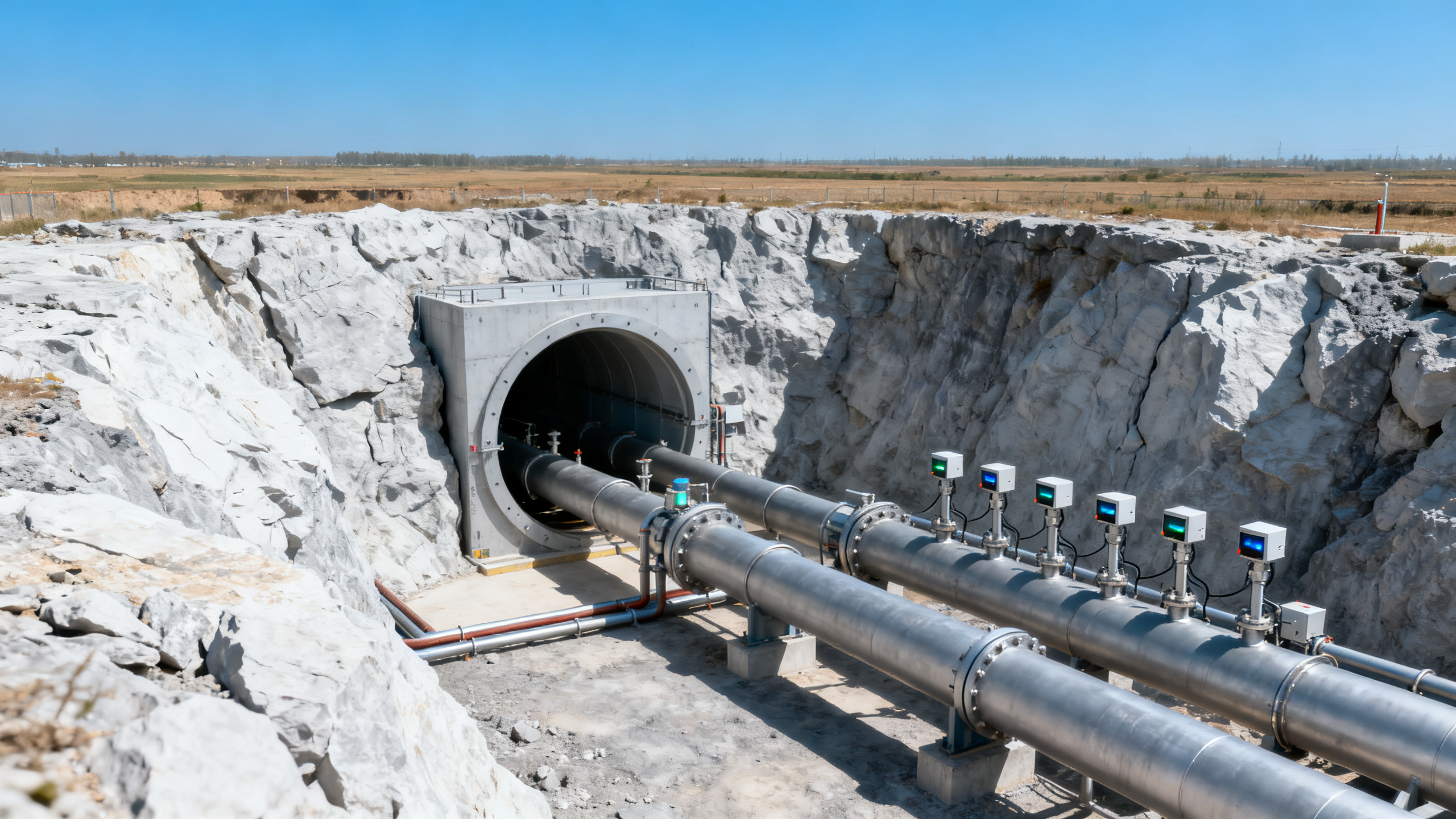
China has achieved a milestone breakthrough in hydrogen storage and transportation technology with the commissioning of the Pingdingshan salt-cavern hydrogen storage demonstration project, led by the Chinese Academy of Sciences. Though the exact date of operation is not publicly specified, the project’s launch marks the first large-scale application of salt-cavern hydrogen storage in China. This development is particularly relevant for manufacturers and suppliers in fire & rescue equipment (high-pressure hydrogen emergency response systems), industrial optics (laser-based hydrogen leak detection), and bearings & seals (hydrogen-embrittlement-resistant specialty sealing solutions), as it strengthens local supply chain capabilities for global hydrogen EPC contractors.
Event Overview
The Chinese Academy of Sciences has successfully advanced key technologies for salt-cavern hydrogen storage, culminating in the operational launch of the demonstration project in Pingdingshan, Henan Province. Publicly available information confirms the project is now in service; no further technical specifications, capacity figures, or timeline details beyond commissioning have been disclosed.
Impact on Specific Industry Segments
Fire & Rescue Equipment Manufacturers: The deployment of large-scale, geologically stable hydrogen storage increases demand for high-pressure hydrogen emergency response systems designed for rapid intervention at storage sites. Impact manifests in higher specification requirements—especially for pressure rating, response time, and compatibility with underground infrastructure interfaces.
Industrial Optics Suppliers (Hydrogen Detection): Salt-cavern facilities require continuous, wide-area monitoring for potential hydrogen leakage along wellheads, brine lines, and surface infrastructure. This elevates demand for laser-based tunable diode absorption spectroscopy (TDLAS) sensors with outdoor-rated, intrinsically safe certification—and drives preference for systems validated in subsurface-related operational environments.
Bearings & Seals Producers (Hydrogen-Resistant Components): Long-term hydrogen exposure in high-pressure, cyclic storage conditions intensifies material performance scrutiny. Impact centers on accelerated qualification needs for elastomers, metallic seals, and rolling-element bearing steels that demonstrate proven resistance to hydrogen-induced cracking and embrittlement under sustained 10–15 MPa H2 conditions.
What Relevant Enterprises or Practitioners Should Focus On — and How to Respond
Monitor official technical standards updates from CNIS and SAC/TC 309
Standards bodies are expected to issue or revise guidance on salt-cavern hydrogen storage safety, instrumentation, and component certification. Enterprises should track draft publications—particularly those addressing seal longevity testing protocols and optical sensor installation requirements for subterranean interface zones.
Assess readiness for localized engineering support and rapid-delivery logistics
Global EPC contractors serving hydrogen projects in Asia are increasingly prioritizing suppliers capable of on-site technical coordination and sub-12-week delivery windows for certified components. Companies should evaluate current lead times, regional service hub coverage, and documentation alignment with GB/T and ISO 15869:2022 annexes.
Distinguish between policy signaling and near-term procurement signals
While the Pingdingshan project signals strategic commitment, it remains a single demonstration unit. Procurement impact will be limited until follow-up commercial-scale projects (e.g., in Jiangsu or Guangdong) enter FEED or tender phases—expected no earlier than Q3 2025. Avoid premature capacity expansion based solely on this announcement.
Prepare technical dossiers aligned with hydrogen-specific qualification pathways
Suppliers should compile test reports, material traceability records, and third-party validation data (e.g., NACE TM0284, ASTM G142) for critical sealing and rotating components. These dossiers will be required for pre-qualification with major EPC firms bidding on upcoming cavern-based storage tenders.
Editorial Perspective / Industry Observation
Observably, this milestone is less an immediate market inflection point and more a validation of geological storage feasibility within China’s regulatory and technical framework. Analysis shows the Pingdingshan project functions primarily as a reference case—not yet a volume driver—but its successful operation lowers perceived technology risk for investors and policymakers. From an industry perspective, it shifts attention toward standardization gaps and supply chain localization readiness rather than raw demand growth. Current relevance lies in its role as a catalyst for downstream qualification activity, not direct order flow.
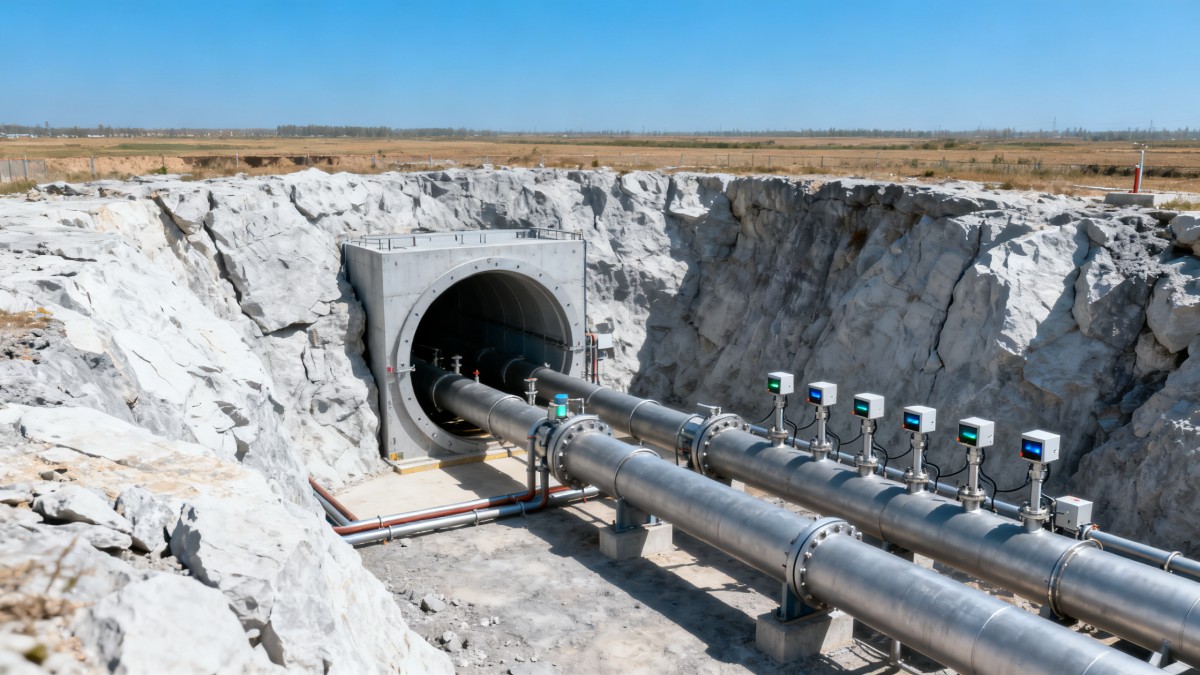
China's salt-cavern hydrogen storage demonstration in Pingdingshan represents a foundational step—not a finished solution—in building domestic capability for large-scale clean hydrogen infrastructure. Its primary significance is procedural and technical: proving integration viability under Chinese geological and regulatory conditions. For industry participants, the event is best understood as a signal to align product development, certification efforts, and supply chain planning with emerging underground storage requirements—not as an immediate sales trigger. Continued observation is warranted as subsequent projects move from planning to procurement.
Source: Public announcement by the Chinese Academy of Sciences; project confirmation via Henan provincial energy authorities. Note: Technical parameters (e.g., storage capacity, pressure rating, cavern depth), commercial partners, and future rollout schedule remain unconfirmed and are subject to ongoing monitoring.
Technical Specifications
- How to Select Electronic Hotel Key Card Locks for Guest Rooms and Staff AreasAuthor :Safety Compliance Lead
- How to Select Lab Instruments for Reliable Chemical Analysis WorkflowsAuthor :Precision Metrology Expert
- How to Size a UPS for Server Rooms: Load, Runtime, and Redundancy FactorsAuthor :Grid Infrastructure Analyst
Expert Insights

Chief Security Architect
Dr. Thorne specializes in the intersection of structural engineering and digital resilience. He has advised three G7 governments on industrial infrastructure security.
Related Analysis
- Sep 17, 2026How to Select Electronic Hotel Key Card Locks for Guest Rooms and Staff AreasAuthor :Safety Compliance Lead
- Sep 16, 2026How to Select Lab Instruments for Reliable Chemical Analysis WorkflowsAuthor :Precision Metrology Expert
- Sep 15, 2026How to Size a UPS for Server Rooms: Load, Runtime, and Redundancy FactorsAuthor :Grid Infrastructure Analyst
Core Sector // 01
Security & Safety
- Steel Rescue Tripods Wholesale: Key Load Ratings, Standards, and Buying MistakesAuthor :Safety Compliance Lead

- India Lifts Duty on Fire Rescue Imports to 22%Author :Safety Compliance Lead

- IEC 62061 Amendment 2 Targets Fire & Rescue ControllersAuthor :Safety Compliance Lead

- IEC 62819-2:2026 Sets New Cybersecurity CheckpointAuthor :Safety Compliance Lead

- When to Use a Quick Deployment Oil Boom for Spill Control in Ports and Inland WatersAuthor :Safety Compliance Lead

- Saudi SASO Adds Cybersecurity Annex to Fire Equipment CertificationAuthor :Safety Compliance Lead

- CBP Pre-Arrival Portal Raises Import Checks for Fire EquipmentAuthor :Safety Compliance Lead

- UAE Sets Cybersecurity Gate for Fire Control PanelsAuthor :Safety Compliance Lead