Product Category Insights for Sourcing: Assessing Cost and Supply Risk
Author
Date Published
Reading Time
A low purchase price does not always translate into reliable supply or lower overall costs. For industrial equipment and components, supplier capacity, material availability, compliance requirements, and logistics can all change the economics of a purchase. Product category insights for sourcing help teams assess those risks alongside total cost of ownership, compare suppliers more effectively, and focus attention on the categories that matter most to operations.
The useful starting point is not a broad question such as “How much did we spend on electrical equipment?” It is a narrower one: “Which items can delay commissioning or stop production, what makes them difficult to replace, and what will we actually pay to keep them available?”
Start with operational consequence, not just spend
Annual spend is easy to rank, but it can be a poor proxy for supply risk. A standard fastener may represent meaningful aggregate expenditure and still have several qualified sources. A relatively inexpensive sensor, by contrast, may be specified in a safety-related system and require engineering approval before substitution. Its purchase price tells you little about the cost of not having it.
Build the category view around the actual use case. For an EPC project, examine whether an item sits on the construction or commissioning critical path, whether drawings are approved, and when the site needs it. For an operating facility, ask what happens when the part fails, whether a spare exists, and how long isolation and replacement would take.
This distinction also prevents overbuying. Not every long-lead component deserves an expensive safety stock. If demand is intermittent, storage conditions are demanding, or the design is likely to change, a supplier-held inventory agreement or a documented substitution process may be a better fit. Each option still needs a clear owner and a realistic replenishment commitment.
Separate the quoted price from the cost of ownership
A comparable bid starts with a common scope. Check whether each quotation includes the same specification, inspection, documentation, packaging, delivery point, warranty, and after-sales support. A lower offer can be entirely legitimate; it can also omit calibration, factory testing, freight, or a required certificate that another bidder has included.
For a meaningful total cost of ownership comparison, add the costs that are material to the category and time horizon:
- Acquisition and delivery: tooling, inspection, freight, insurance, duties where applicable, and the cost of financing payment milestones.
- Installation and acceptance: engineering changes, site labor, commissioning support, test equipment, and the consequences of a failed acceptance test.
- Operation and maintenance: energy or consumables where relevant, planned service, calibration, spare parts, and access to technical support.
- Supply interruption: expediting, substitute qualification, schedule disruption, and downtime where a defensible estimate is available.
- End of life: removal, disposal obligations, and replacement or software migration costs when these are significant.
Avoid presenting uncertain downtime costs as precise forecasts. Use a range, record the assumptions, and show the result with and without the disruption scenario. If the preferred supplier changes only under an extreme assumption, that is worth knowing before paying a large premium for resilience.
The cost drivers vary sharply by category. Metallurgy purchases may be sensitive to alloy content, yield, energy, and minimum production quantities. For instruments, calibration intervals, accuracy requirements, and traceability documentation can be more consequential than the enclosure price. In electrical equipment, project-specific configuration, testing, and approved components can limit opportunities to switch suppliers late in the process.
Map the supply chain behind the supplier
Two approved vendors do not necessarily mean two independent supply routes. They may purchase the same casting, semiconductor, specialty alloy, or certified subassembly from one upstream source. Ask suppliers which inputs are constrained, where critical manufacturing and testing occur, and whether alternative sources have actually been qualified.
Capacity claims need context. A supplier may have open machine hours but limited access to heat treatment, specialist labor, inspection facilities, or a critical component. Ask for the production slots relevant to your order, current backlog, planned shutdowns, and the assumptions behind the quoted lead time. Distinguish an estimate from a committed delivery date, and confirm when the clock starts: purchase order receipt, drawing approval, deposit, or release of materials.
For imported equipment, map the route through manufacturing, inspection, export, transit, customs, and final delivery. The agreed trade terms affect which party arranges and pays for parts of that journey; they do not remove the need to agree on responsibilities for documents and delays. A short factory lead time is not much help if a missing document prevents clearance or site acceptance.
A practical supply map can be simple: list the finished item, critical subcomponents, manufacturing and test locations, transport route, and available substitutes. Mark each dependency as verified, supplier-reported, or unknown. The unknowns often reveal where the next sourcing conversation should begin.
Treat compliance and technical equivalence as purchasing gates
A certificate attached to a quotation is not automatically evidence that the offered configuration meets the project’s requirements. Check the exact model, variants, scope, issuing body, validity, and intended market. Where applicable, verify documentation directly with the issuing or listing organization and confirm that the deliverable matches the approved design.
CE marking, UL certification or listing, and ISO standards are not interchangeable. Their relevance depends on the product, jurisdiction, and project specification. A quality management certificate, for example, is not itself proof that a particular component has passed a required product test. Local requirements and contractual obligations should be confirmed with the responsible compliance and engineering teams.
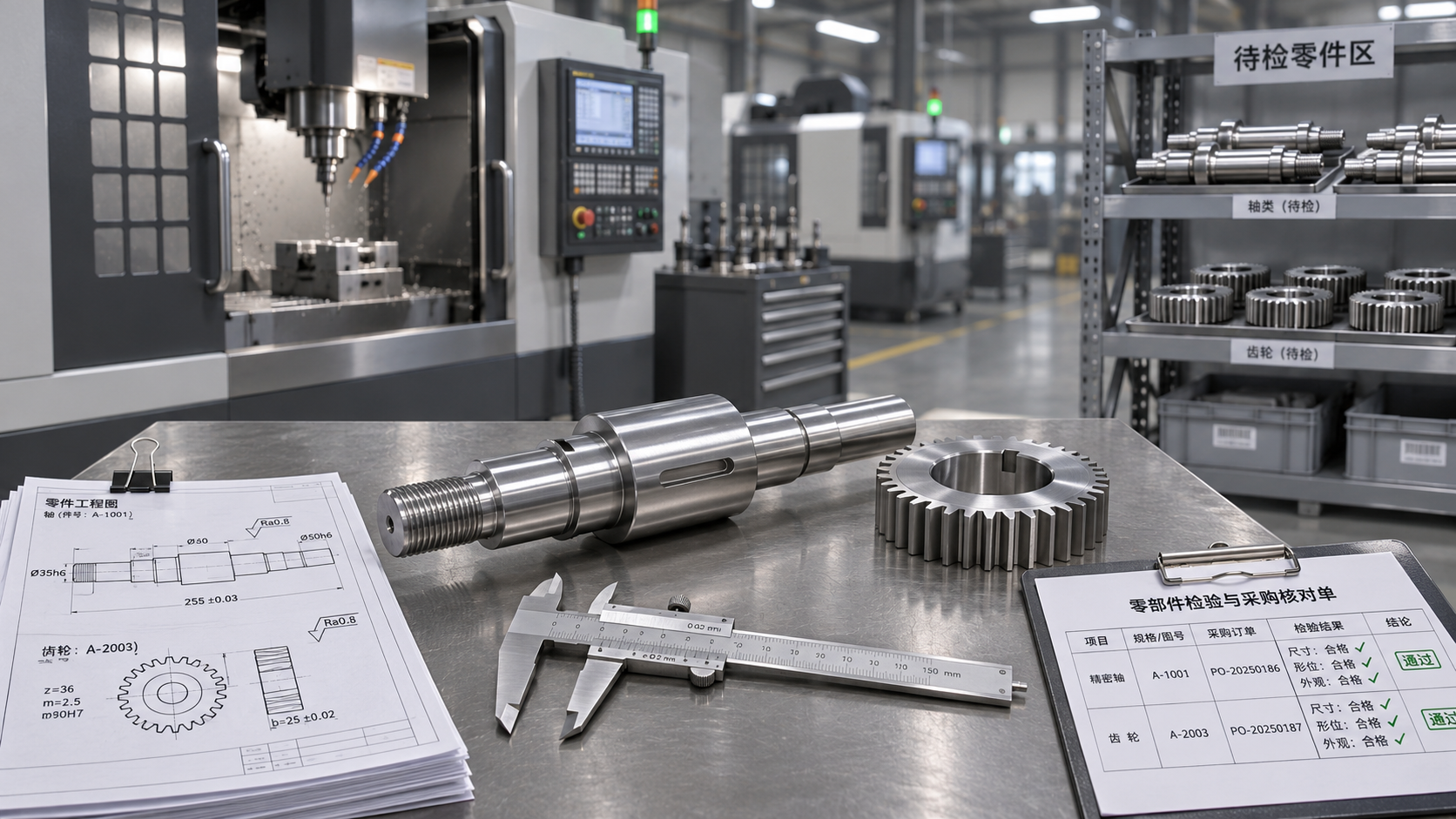
Equivalence deserves the same discipline. A replacement instrument may fit the connection but differ in measurement range, accuracy, environmental rating, output protocol, or calibration requirements. A mechanical component may match a nominal size while differing in material grade, heat treatment, tolerance, or traceability. For safety equipment, compatibility with the installed system and the approved use can be decisive.
Bring engineering into the comparison before negotiating a substitution. Agree which requirements are non-negotiable, which can be tested, and who signs off. An alternative source that has not passed this process is a potential option, not yet a dependable second source.
Compare suppliers on evidence, then negotiate the right exposure
A weighted scorecard can help when cost, delivery, and technical performance pull in different directions. It should not conceal a failed mandatory requirement. Use pass-or-fail gates for items such as technical compliance and required documentation, then score the suppliers that remain on the factors that genuinely differentiate them.
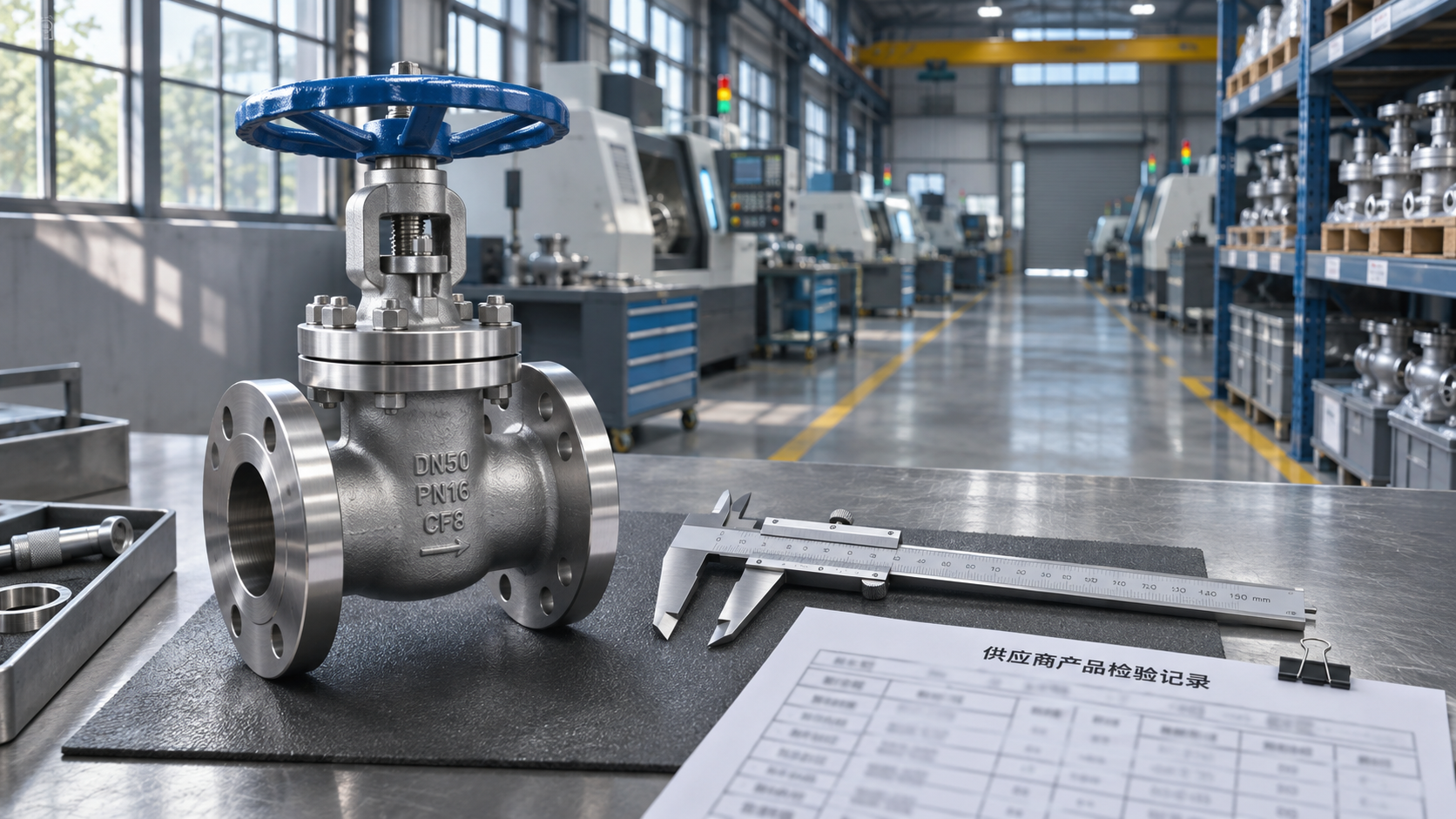
Useful evidence includes sample inspection results, relevant delivery history, documented capacity, sub-tier visibility, financial information where obtainable, and a clear corrective-action process. Supplier references and audits are more useful when they cover comparable products and manufacturing locations. A strong relationship with a sales representative is valuable, but it is not a substitute for understanding the factory’s constraints.
Negotiation should follow the risk. For a material-intensive category, discuss the basis and frequency of any price adjustment, the reference used, and what happens if costs fall as well as rise. For capacity-constrained equipment, a reserved production slot may be more valuable than another small discount—but check the cancellation terms and the point at which the slot becomes firm.
Other provisions worth examining include inspection rights, notification of material or manufacturing-site changes, document delivery, warranty response, repair turnaround, and access to spare parts. Contract language needs to be enforceable in the relevant circumstances, so involve legal and technical stakeholders rather than treating a supplier’s standard terms as a complete risk plan.
Choose resilience measures that fit the category
Dual sourcing is often sensible for repeat purchases, but it has a cost: qualification, audits, minimum order quantities, and the loss of volume leverage. It is less useful if both suppliers depend on the same constrained upstream process. For a custom-engineered assembly, maintaining approved drawings, test procedures, tooling rights, and a transfer plan may offer a more credible recovery route than an unqualified second quotation.
Inventory has trade-offs too. Stocking a critical spare can protect an operating asset, provided the item will remain usable and compatible. Electronics may become obsolete; elastomers and other materials can have storage limits; calibrated instruments may need attention before use. Record ownership, storage conditions, inspection dates, and the trigger for replenishment.
Where specification is the main bottleneck, standardization can be more effective than stockpiling. Reducing unnecessary variants across a facility may broaden the supplier pool and make spares easier to share. Do not standardize away a genuine safety, accuracy, or environmental requirement merely to consolidate spend.
Keep the category assessment current
A sourcing decision is a snapshot. Review it when a supplier changes a manufacturing site, a critical material becomes difficult to obtain, a product is redesigned, or the project schedule moves. For operating assets, recurring quality issues, repair delays, and expediting costs are signals that the original supplier comparison may no longer reflect reality.
The cross-disciplinary view used by Global Industrial Core—spanning safety, measurement, power, environmental systems, and mechanical materials—is useful because a disruption rarely stays inside one purchasing category. A delayed electrical assembly can affect commissioning; an unavailable measurement device can hold up acceptance; an undocumented material change can trigger engineering review.
Before the next award, document the preferred supplier, the assumptions behind its total cost, the most consequential supply dependency, and the action to take if delivery slips. If no one can name the substitute or explain how long approval would take, resolving that gap may be more valuable than another round of price negotiation.
Expert Insights

Chief Security Architect
Dr. Thorne specializes in the intersection of structural engineering and digital resilience. He has advised three G7 governments on industrial infrastructure security.
Related Analysis
- Nov 22, 2026McKinsey: India Needs Up to $400 Billion to Meet Steel Capacity Growth GoalAuthor :
- Nov 22, 2026Choosing Geotextile Fabric for Landfill Drainage and Liner ProtectionAuthor :Environmental Engineering Director
- Nov 21, 2026Japan's Steel Exports Could Fall to Lowest Level Since 1999 in 2026Author :
Core Sector // 01
Security & Safety
- Global Sourcing of Industrial Equipment: A Supplier Vetting ChecklistAuthor :Safety Compliance Lead

- Product Category Insights for Sourcing: Assessing Cost and Supply RiskAuthor :Safety Compliance Lead

- Machinery Components Sourcing: How to Evaluate Suppliers and Lead TimesAuthor :Safety Compliance Lead

- Industrial Supplier Insights: Assessing Capacity, Lead Times and RiskAuthor :Safety Compliance Lead

- Facility Upgrade Solutions: Prioritizing Safety and Energy ImprovementsAuthor :Safety Compliance Lead

- Industrial Supplier Assessment Tools: Comparing Scorecards and AuditsAuthor :Safety Compliance Lead

- How to Build an Equipment Budget for EPC Projects Without Underestimating Lifecycle CostsAuthor :Safety Compliance Lead

- Selecting EPC Procurement Support Tools to Reduce Vendor and Delivery DelaysAuthor :Safety Compliance Lead