Industrial Supplier Insights: Assessing Capacity, Lead Times and Risk
Author
Date Published
Reading Time
Industrial Supplier Insights: Assessing Capacity, Lead Times and Risk
A supplier’s quoted price tells only part of the procurement story. For industrial buyers, limited production capacity, uncertain lead times and supply chain disruptions can put project schedules and operational continuity at risk. These industrial category supplier insights will help you assess manufacturing capability, validate delivery commitments and identify vulnerabilities before placing an order. The aim is not to eliminate every uncertainty, but to make the cost of that uncertainty visible while there is still time to act.
Start with the requirement, not the supplier’s brochure
A supplier may be capable of making a component without being able to deliver the specified version, in the required quantity, with the documentation and inspection access the project needs. Before comparing quotations, define what makes the purchase operationally critical.
For an electrical assembly, that might include its intended operating environment, applicable product requirements and acceptance tests. For a measurement instrument, calibration scope, accuracy under actual operating conditions and traceability may matter as much as the instrument itself. A mechanical component may depend on material grade, heat treatment, dimensional tolerances and inspection records.
Separate requirements into three groups: mandatory technical and regulatory conditions, delivery conditions, and preferences that could be negotiated. This distinction makes it easier to identify a genuinely competitive offer. It also prevents a low price from winning simply because an important test, document or service was omitted.
Assess capacity at the constraint, not at company level
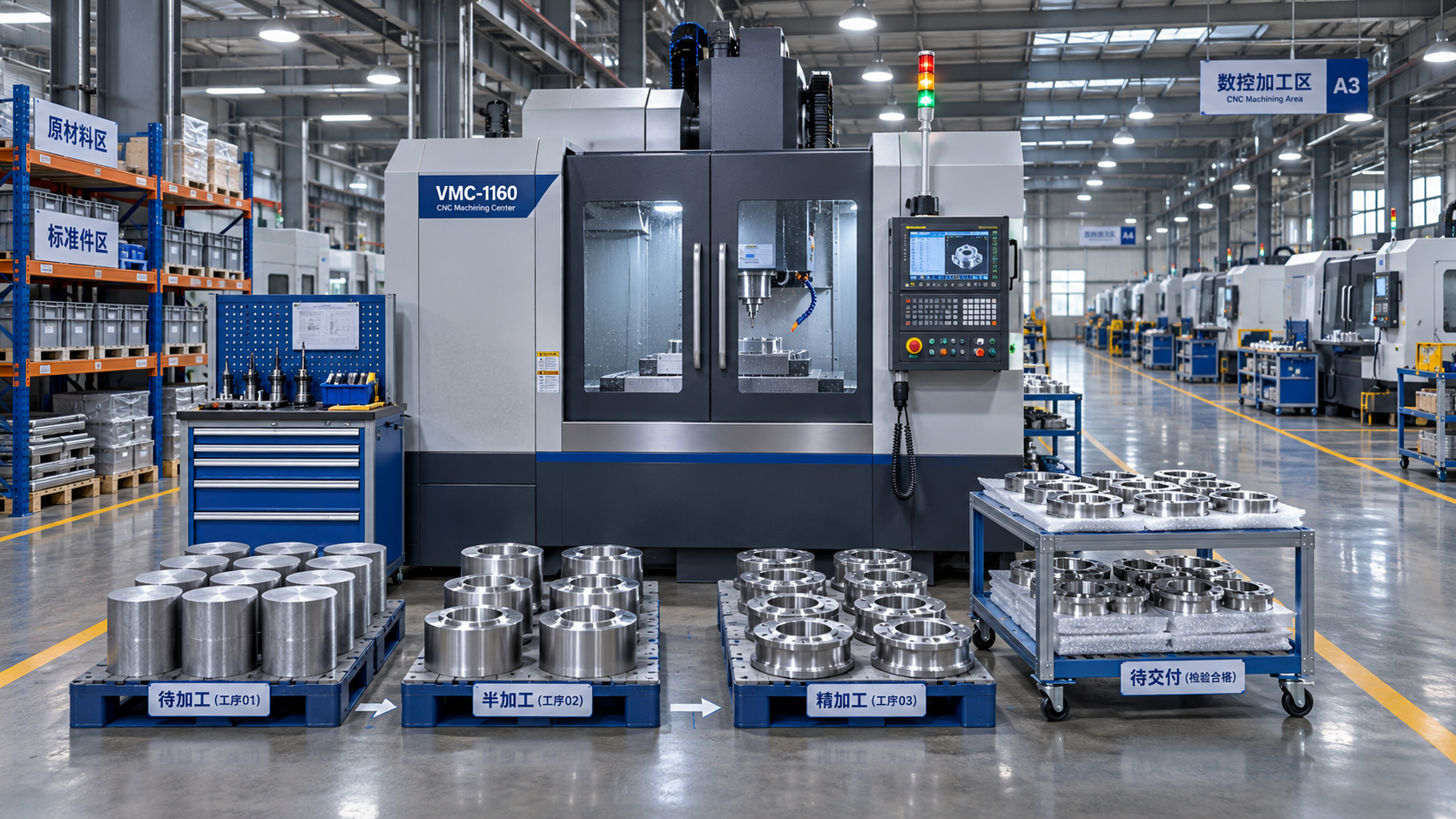
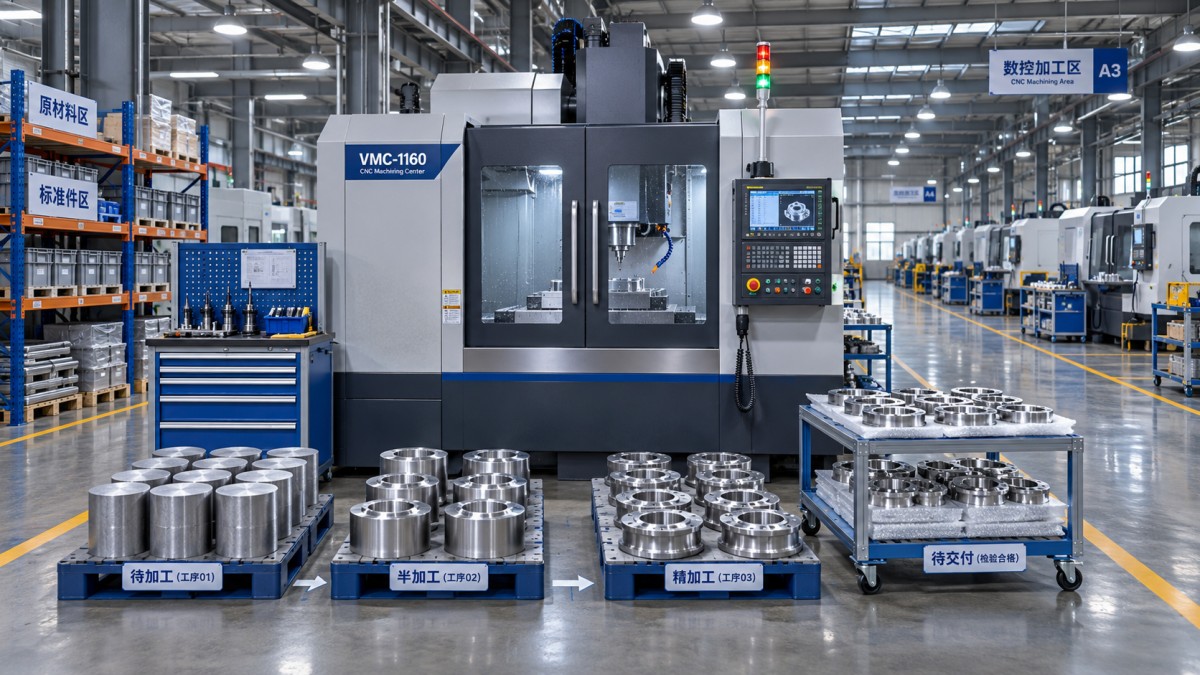
Annual output and factory size are useful background, but they do not prove that a supplier has room for your order. Capacity must be assessed for the specific production route and delivery window. A large manufacturer can be constrained by a single coating line, specialist machine, test bay or qualified subcontractor.
Ask the supplier to explain how the order will move through its facility and which operations could limit output. Then establish what is already committed during the proposed production period. A credible answer should connect available capacity to the quantity, configuration and inspection requirements in your enquiry—not just quote a theoretical monthly maximum.
Useful evidence can include a production schedule, an outline of current loading, a list of critical outsourced operations and a description of contingency arrangements. The supplier may reasonably withhold confidential customer information; an anonymised schedule or a documented capacity review can still help substantiate its commitment.
Pay particular attention to shared bottlenecks. Two apparently independent suppliers may rely on the same foundry, electronic component manufacturer or specialist testing laboratory. Splitting an order between them will not necessarily protect the project if the common constraint fails.
For a high-value or safety-critical purchase, a site assessment can test whether the proposed manufacturing route matches reality. Include operations and quality personnel where possible. Procurement should not have to judge machine capability, inspection resources or process controls from a commercial presentation alone.
Turn the quoted lead time into a delivery schedule
“Lead time” can mean different things to different suppliers. One quotation may measure from purchase order receipt to factory dispatch; another may assume that drawings are approved and the deposit is received before the clock starts. Neither definition guarantees that the goods will be available at the installation site when needed.
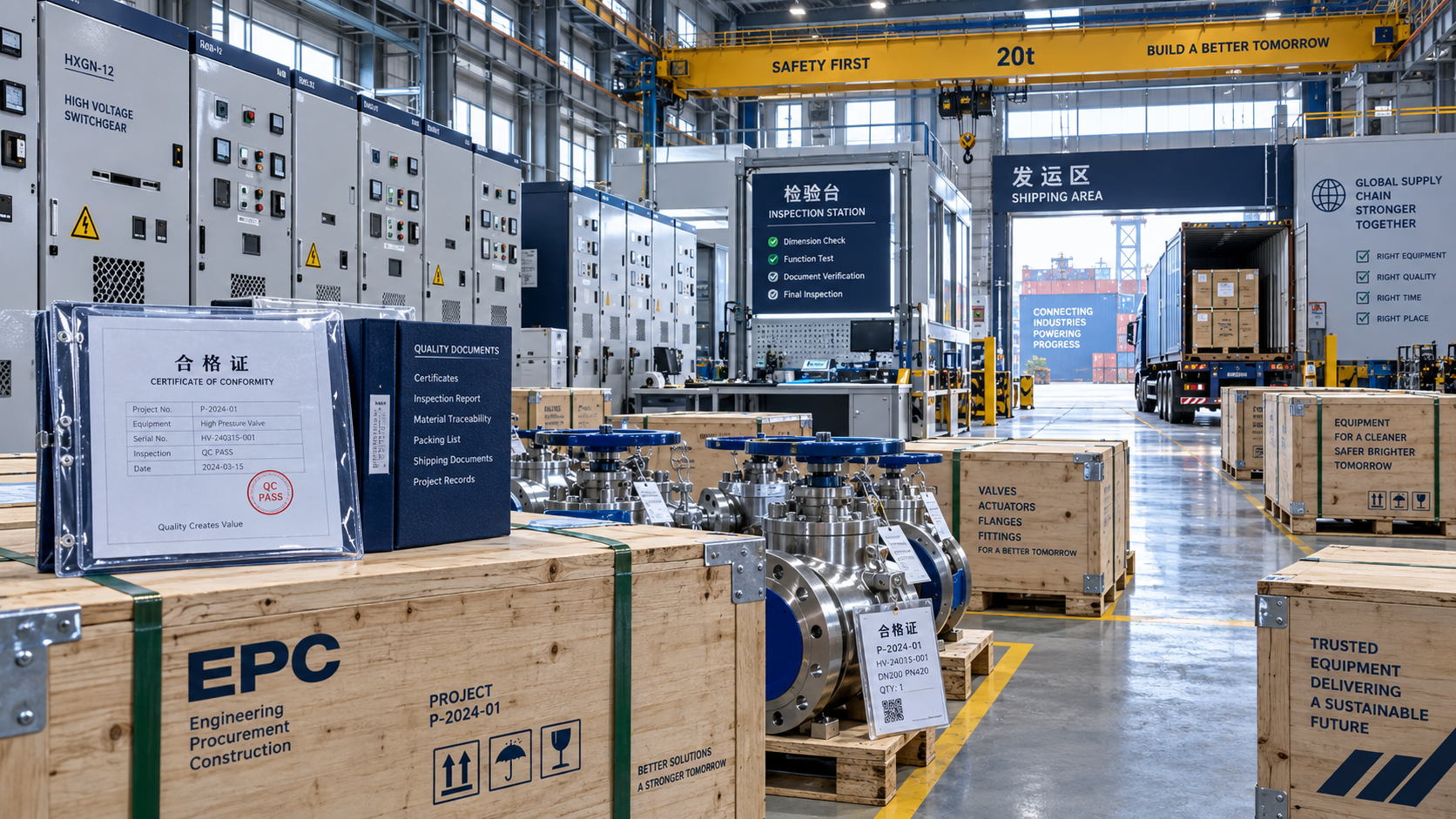
Request a milestone schedule that shows the start point and the activities between order placement and usable delivery. Depending on the purchase, these may include engineering review, drawing approval, procurement of long-lead materials, manufacture, inspection, release of quality documents, packing, transport and customs clearance.
The interfaces between those steps deserve as much attention as the steps themselves. A supplier cannot release a drawing for manufacture if the buyer has not approved it; the buyer may not be able to approve it without information from an engineering contractor. Put dates and owners against those dependencies. A production slot that expires while approvals are outstanding is not a secure delivery commitment.
Clarify whether the schedule includes witness testing, corrective work after a failed inspection, document review and transport to the agreed destination. Define the delivery term and the point at which responsibility and risk transfer under the applicable contract. For imported equipment, responsibility for customs formalities and associated costs should also be explicit.
Historical performance can help, but ask what the figures actually measure. On-time dispatch is different from on-time arrival, and an average can conceal repeated delays on complex or customised orders. Where the supplier can share it, performance for comparable products and order sizes is more informative than a company-wide figure.
Compare the cost of a reliable delivery
A purchase-price comparison is incomplete when the offers allocate different costs and risks to the buyer. Build a like-for-like view that includes not only the quoted item but also the activities needed to put it into service.
A lower-priced source may remain the right choice after this review. But if its schedule requires emergency freight or forces the project to hold expensive contingency stock, the apparent saving may narrow. Where a delay could stop commissioning or production, estimate the exposure with the project team rather than assigning an arbitrary penalty to the supplier’s price.
Also check price validity and commercial assumptions. Raw-material adjustments, currency exposure, staged payments and cancellation terms can change the economics of an order long before delivery. Those terms should be compared alongside capacity and technical scope, not after a preferred supplier has been selected.
Identify the risks that can actually interrupt supply
A long risk register is less useful than a short list tied to the order. Map the critical materials, processes and locations behind the proposed product. Ask which items have a single qualified source, which operations are subcontracted and which documents or approvals depend on third parties.
The appropriate level of investigation varies. A standard, readily substitutable fastener does not normally justify the same review as a custom component required for plant commissioning. Consider the consequence of failure, the time needed to replace the item and the difficulty of qualifying an alternative.
Watch for hidden single-source dependencies
An alternative supplier is only useful if it can provide an acceptable alternative when needed. Check whether a second source uses compatible materials, tooling, software, test methods and documentation. For controlled or safety-related applications, a substitution may require engineering review, customer approval or additional testing. Establish those requirements before an interruption occurs.
Where dual sourcing is impractical, other options include holding agreed stock, reserving capacity, securing access to critical tooling or arranging earlier procurement of long-lead materials. Each carries a cost. The right choice depends on the likelihood and consequence of disruption, as well as the contract’s rules for ownership, storage and changes.
Verify compliance for the actual product and market
Do not treat a logo on a brochure as proof that the supplied configuration meets every requirement. Depending on the product and destination, CE marking, UL certification, ISO management system certification or other evidence may be relevant—but they address different matters and are not interchangeable.
Request the documents applicable to the exact model, manufacturing site and intended use. Confirm scope, validity and any conditions with the issuing body or relevant documentation where appropriate. A supplier’s quality management certification, for example, is not by itself product certification. Local requirements and contractual specifications should be reviewed for each project.
Make delivery commitments measurable
Once a supplier is selected, the purchase order should preserve the assumptions that made its offer acceptable. Attach or reference the agreed specification, approved revision, inspection plan, documentation requirements and milestone dates. Record the process for requesting changes and the time allowed for each party to respond.
Agree how progress will be reported and what constitutes evidence. For a critical order, “on track” is less useful than confirmation that material has been received, a manufacturing operation completed or a test slot booked. Set an escalation point for missed milestones while recovery options are still available. Contractual remedies may be relevant, but they do not manufacture a replacement part or recover a lost commissioning window on their own.
Keep the conversation proportionate. Frequent reporting on routine purchases can add administrative cost without reducing meaningful risk. Concentrate follow-up on orders with long replenishment times, limited alternatives, complex approvals or serious operational consequences.
Use supplier evidence as an ongoing decision tool
After delivery, compare the actual route to the original commitment: when approvals were completed, where delays occurred, whether documents arrived on time and what additional costs arose. Record buyer-caused delays as well as supplier-caused delays. That distinction makes the next quotation review more useful and helps avoid repeating internal approval problems.
Global Industrial Core’s coverage of safety, measurement, electrical systems, environmental engineering and mechanical components reflects a practical procurement reality: supplier capability cannot be separated from the technical application. Before issuing the next enquiry, align procurement, engineering and operations on the few requirements that cannot slip, then ask each shortlisted supplier for evidence against those points. The resulting comparison will be more defensible than a ranking based on price and a single promised date.
Expert Insights

Chief Security Architect
Dr. Thorne specializes in the intersection of structural engineering and digital resilience. He has advised three G7 governments on industrial infrastructure security.
Related Analysis
- Nov 22, 2026McKinsey: India Needs Up to $400 Billion to Meet Steel Capacity Growth GoalAuthor :
- Nov 22, 2026Choosing Geotextile Fabric for Landfill Drainage and Liner ProtectionAuthor :Environmental Engineering Director
- Nov 21, 2026Japan's Steel Exports Could Fall to Lowest Level Since 1999 in 2026Author :
Core Sector // 01
Security & Safety
- Global Sourcing of Industrial Equipment: A Supplier Vetting ChecklistAuthor :Safety Compliance Lead

- Product Category Insights for Sourcing: Assessing Cost and Supply RiskAuthor :Safety Compliance Lead

- Machinery Components Sourcing: How to Evaluate Suppliers and Lead TimesAuthor :Safety Compliance Lead

- Industrial Supplier Insights: Assessing Capacity, Lead Times and RiskAuthor :Safety Compliance Lead

- Facility Upgrade Solutions: Prioritizing Safety and Energy ImprovementsAuthor :Safety Compliance Lead

- Industrial Supplier Assessment Tools: Comparing Scorecards and AuditsAuthor :Safety Compliance Lead

- How to Build an Equipment Budget for EPC Projects Without Underestimating Lifecycle CostsAuthor :Safety Compliance Lead

- Selecting EPC Procurement Support Tools to Reduce Vendor and Delivery DelaysAuthor :Safety Compliance Lead