Japan's Steel Exports Could Fall to Lowest Level Since 1999 in 2026
Author
Date Published
Reading Time
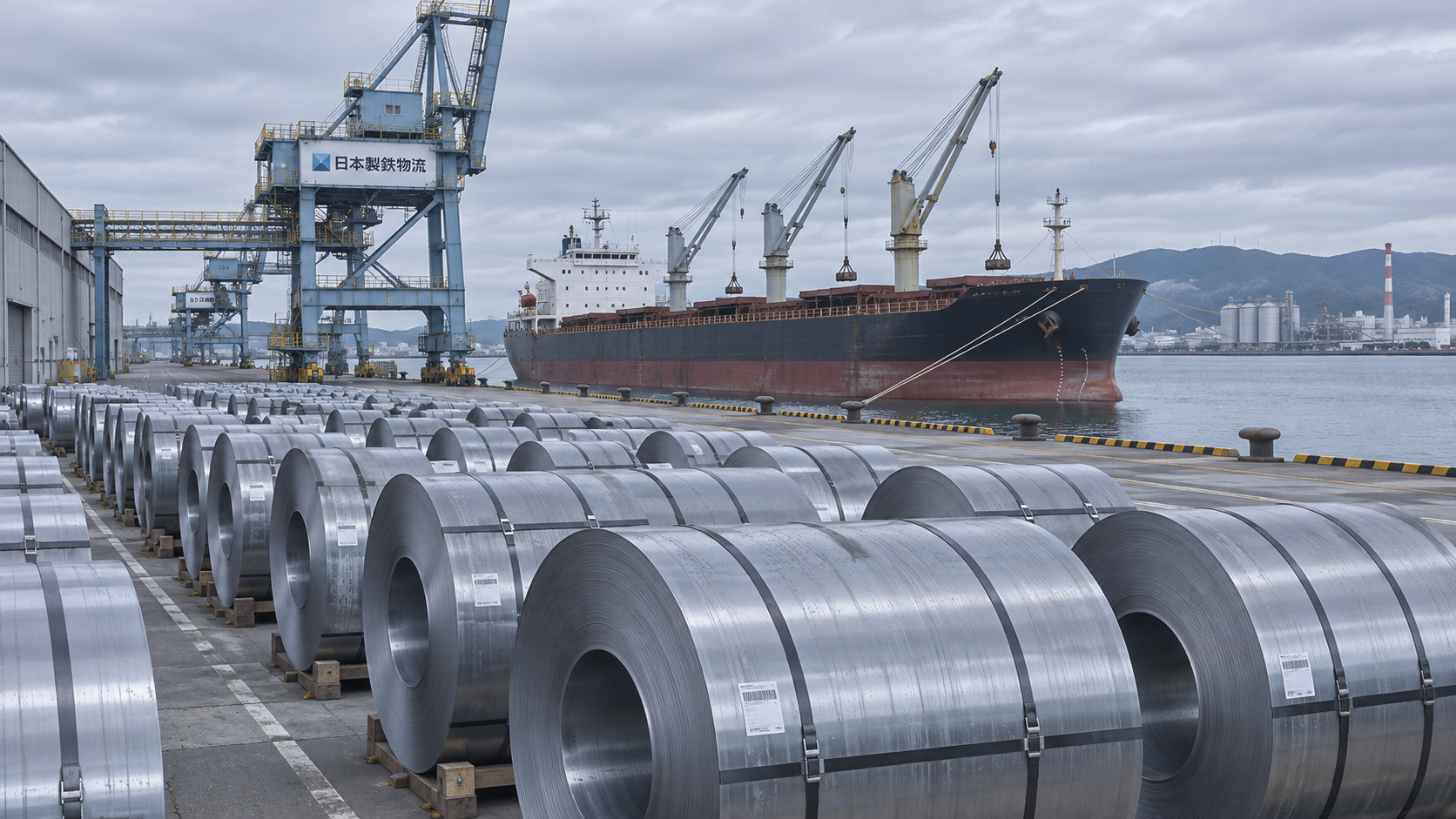
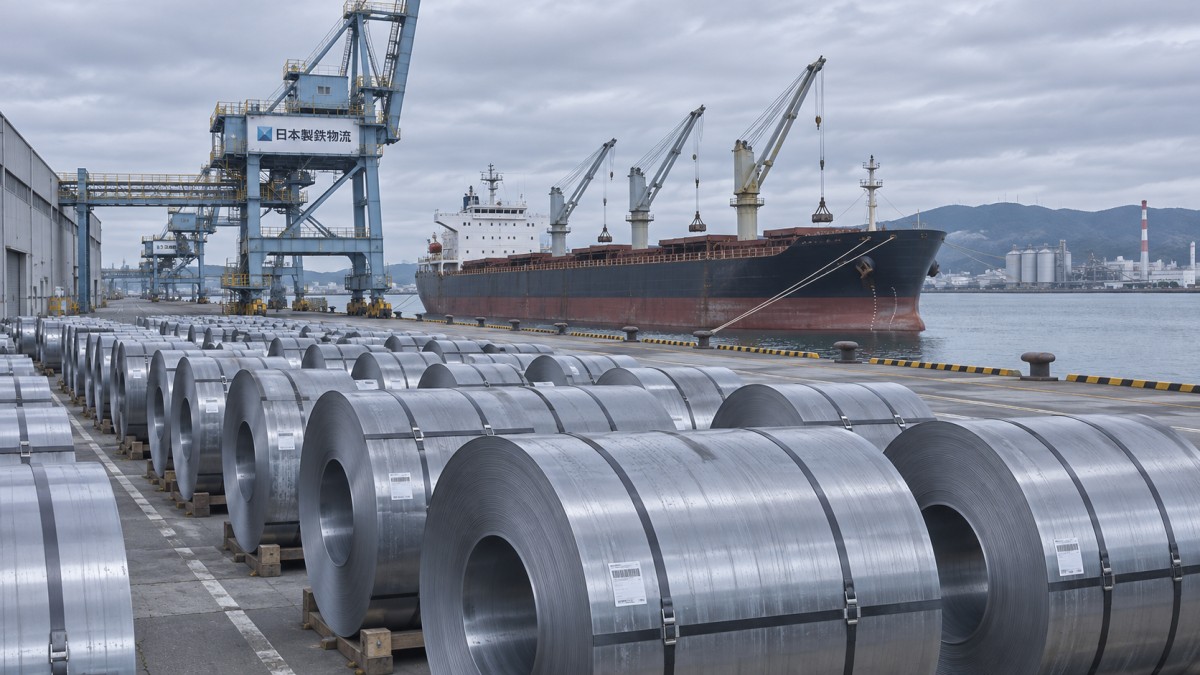
Japan's steel exports could fall below 29 million tonnes in 2026, reaching their lowest level since 1999 if the current pace continues, according to a GMK Center report citing data from Japan's Ministry of Economy, Trade and Industry (METI).
The figure is a projection rather than a final annual result. It points to pressure on Japanese steel exports and changes in the global steel trade, while leaving open how large the eventual decline will be and where its effects will be felt most.
What the projection signals
The 29 million tonne threshold offers a measure against which to follow the year's export performance. Falling below it would mark the lowest annual volume since 1999, according to the report. Whether that happens depends on the pace of shipments over the remainder of the year.
The projection concerns total export volume. It does not establish how individual steel products or destinations are performing, or whether any particular segment accounts for a greater share of the expected decline. Those distinctions matter: a change concentrated in a few products or markets could have different implications from a broad reduction across exports.
Nor does a lower tonnage figure, on its own, show how export revenue or prices have changed. Volume is an important measure of trade activity, but it cannot by itself explain the commercial value of those shipments or the reasons behind the projected decline.
Where the effects could appear
For steel producers and exporters, a sustained reduction in overseas shipments could affect decisions about production allocation and the use of export-related capacity. The extent would depend on how individual businesses divide their output between markets and how their order volumes develop.
For buyers, the most relevant question is whether the overall trend translates into a change in availability for the grades and delivery schedules they need. An aggregate decline does not necessarily mean that every customer will face tighter supply, nor does it establish a particular direction for prices.
Businesses involved in moving and handling steel may also watch shipment volumes. If lower exports persist, the effect on their activity would depend on where and how shipments change; the headline projection does not identify those details.
Further METI data will be relevant to whether the current pace holds through 2026. More detailed figures on products and destinations would also help distinguish a change in the composition of exports from a broader contraction in shipment volumes.
Expert Insights

Chief Security Architect
Dr. Thorne specializes in the intersection of structural engineering and digital resilience. He has advised three G7 governments on industrial infrastructure security.
Related Analysis
- Nov 22, 2026McKinsey: India Needs Up to $400 Billion to Meet Steel Capacity Growth GoalAuthor :
- Nov 22, 2026Choosing Geotextile Fabric for Landfill Drainage and Liner ProtectionAuthor :Environmental Engineering Director
- Nov 21, 2026Japan's Steel Exports Could Fall to Lowest Level Since 1999 in 2026Author :
Core Sector // 01
Security & Safety
- McKinsey: India Needs Up to $400 Billion to Meet Steel Capacity Growth GoalAuthor :

- Japan's Steel Exports Could Fall to Lowest Level Since 1999 in 2026Author :

- EU Imposes Anti-Dumping Duties of Up to 27.9% on Cold-Rolled SteelAuthor :

- EU Imposes Anti-Dumping Duties on Cold-Rolled Steel From Five OriginsAuthor :

- US HRC Holds at $1,040 as Raw Material Costs and Section 232 Shift TradeAuthor :

- European Steel Industry Faces Rising Costs and Weak DemandAuthor :

- China Steel Market Softens as Tangshan Billet Price Falls to 2,860 YuanAuthor :

- SMU: Tight Supply Pushes North American Steel Prices HigherAuthor :