Perimeter Intrusion Detection: Which Setup Works
Author
Date Published
Reading Time
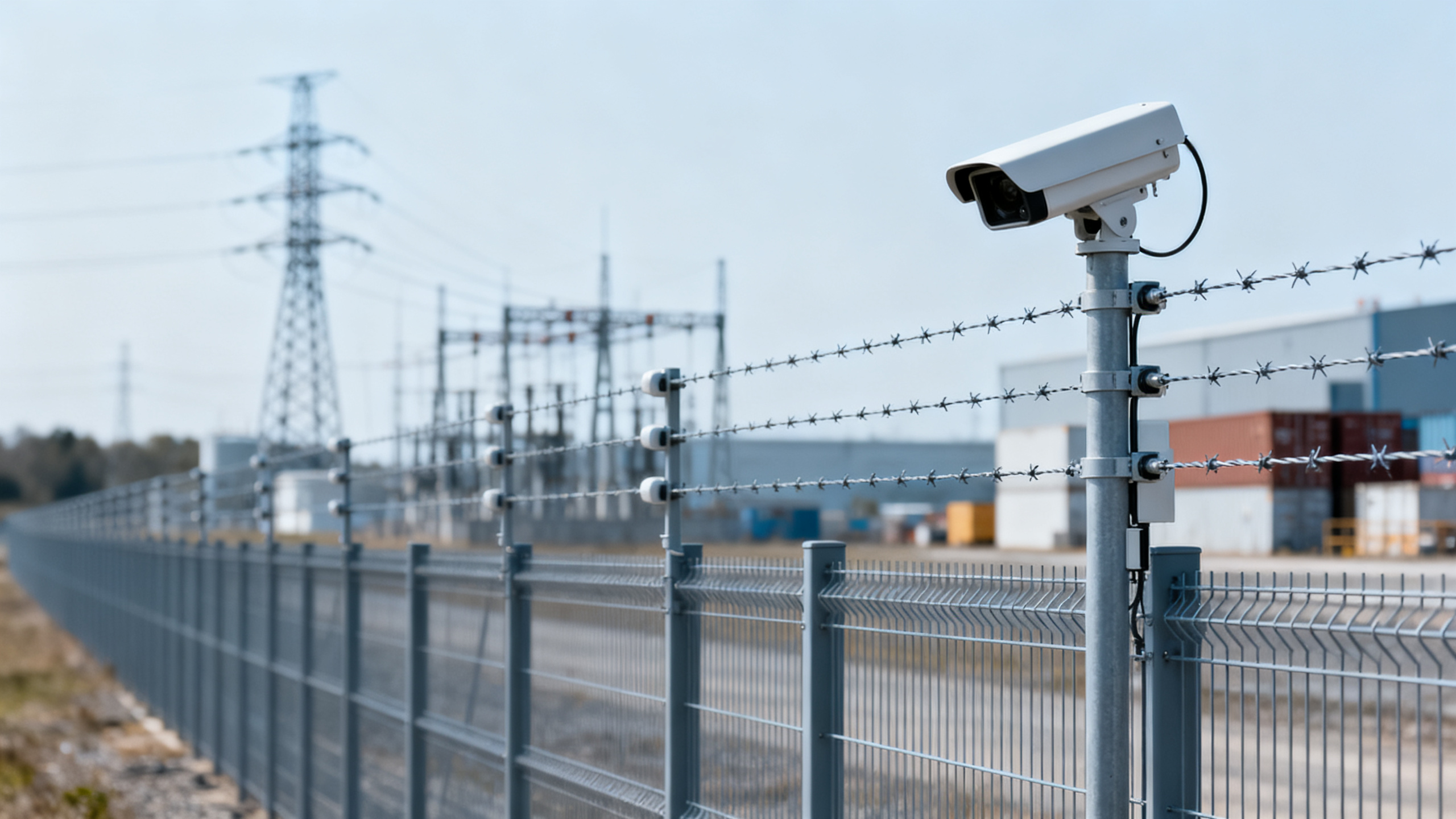
From electric fence energizers to video analytics, choosing the right perimeter intrusion detection setup depends on site risk, terrain, compliance, and integration needs. For industrial buyers, operators, and decision-makers, this guide compares practical options, performance factors, and system pairing strategies to help secure facilities with greater accuracy, reliability, and long-term value.
In industrial environments, perimeter intrusion detection is not a single product decision. It is a layered security design choice that affects response speed, nuisance alarm rates, labor requirements, audit readiness, and the long-term resilience of critical operations. A fence line around a logistics yard has very different exposure than a pipeline pump station, substation, refinery, water treatment plant, or bonded warehouse handling high-value materials.
For research teams, operators, procurement managers, and corporate decision-makers, the central question is practical: which setup works for the site you actually run, not the one shown in a product brochure. The answer depends on four variables at minimum: threat profile, perimeter geometry, environmental conditions, and integration maturity. In many facilities, the best result comes from pairing 2 or 3 technologies rather than relying on one detection method alone.
Understanding Perimeter Intrusion Detection by Site Risk and Layout
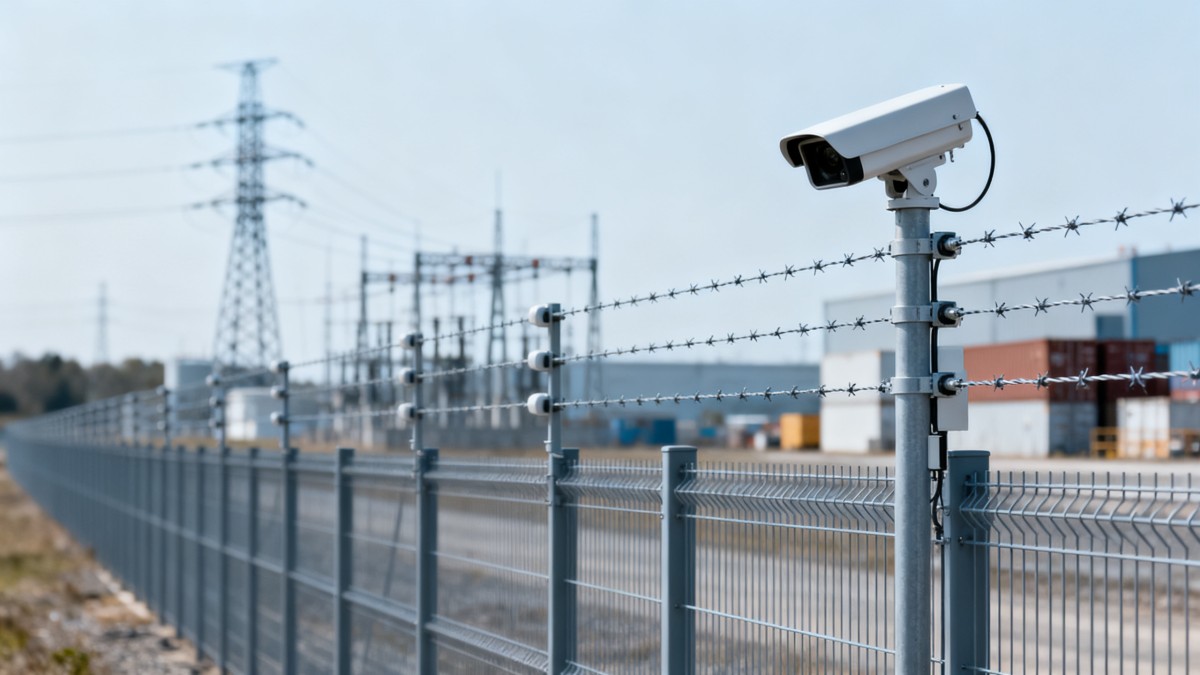
Perimeter intrusion detection systems, often shortened to PIDS, are designed to identify unauthorized approach, climbing, cutting, crossing, or tampering before an intruder reaches critical assets. In industrial settings, the perimeter may extend from 200 meters around a compact facility to 10 kilometers or more across distributed infrastructure. Detection quality is therefore shaped as much by the site layout as by the sensing technology itself.
A useful starting point is risk zoning. High-consequence areas such as substations, LNG terminals, data halls, chemical storage yards, and control rooms typically require early detection and event verification within 5–20 seconds. Lower-risk areas such as secondary parking zones or outer boundaries of low-value storage sites may tolerate slower escalation if the system reduces false alarms and lowers maintenance overhead.
Terrain is equally decisive. Flat, open, and well-lit perimeters favor long-range video analytics and radar-assisted detection. Irregular fence lines with bends, vegetation, stacked materials, drainage channels, or heavy dust may perform better with fence-mounted sensors, buried cable, or electric fencing configured as a deterrent and detection layer. Coastal environments, for example, often demand corrosion-resistant hardware and inspection intervals of 3–6 months instead of annual checks.
Another factor is operational continuity. If a site cannot accept frequent patrol calls caused by weather, wildlife, or loose fence fabric, the setup should prioritize event filtering and camera verification. A system with a lower purchase price can become more expensive over 24–36 months if it produces high nuisance alarm volumes, requires frequent recalibration, or cannot integrate with the existing VMS, access control, or SCADA security workflow.
Common industrial perimeter conditions to assess
- Perimeter length: under 500 m, 500 m–2 km, or over 2 km, which directly affects cabling, power distribution, and maintenance planning.
- Barrier type: chain-link fence, welded mesh, masonry wall, open boundary, canal edge, or mixed boundary.
- Environmental burden: wind above 40 km/h, heavy rain, fog, vibration from nearby machinery, animal traffic, and dust exposure.
- Response model: manned guard force, remote monitoring center, or hybrid response with local escalation in 2–10 minutes.
Baseline technology fit by perimeter condition
The table below helps frame which perimeter intrusion detection setup is generally aligned with common industrial conditions. It is not a substitute for a field survey, but it gives procurement and engineering teams a structured starting point.
The key takeaway is that there is no universal best perimeter intrusion detection setup. The right design begins with a site map, a response plan, and a realistic view of how the perimeter behaves in day and night conditions across all 4 seasons.
Comparing the Main Setup Options: Where Each One Works Best
Industrial buyers usually compare five broad categories: electric fencing, fence-mounted sensors, buried detection, microwave or radar barriers, and video analytics. Each setup has a different balance of deterrence, detection precision, installation complexity, and maintenance demand. The best-performing sites often combine a primary sensor with a verification layer instead of expecting a single device family to solve every condition.
Electric fence energizers are often selected for critical facilities because they create a visible deterrent while also monitoring for cutting, shorting, or tampering. Their suitability depends on safety policy, local regulation, public exposure, and operator training. In controlled industrial compounds with restricted access, they can provide strong perimeter control, but they require disciplined signage, earthing design, and periodic testing.
Fence-mounted sensors are a common middle ground. They can detect climbing, lifting, and cutting on existing fences without requiring major civil works. Performance depends heavily on fence condition. A loose or uneven fence can increase nuisance events, which is why many projects include fence reinforcement before sensor installation. In practical terms, improving the barrier first can reduce commissioning issues by a noticeable margin over the first 6–12 months.
Video analytics has matured significantly, especially when paired with thermal imaging, line-crossing rules, object classification, and AI-assisted event filtering. However, camera-only perimeter intrusion detection is still vulnerable to scene complexity, fog, glare, headlight bloom, vegetation movement, and blind spots. It works best when the perimeter is visible, lighting is managed, and there is a disciplined process for camera cleaning and recalibration.
Practical comparison of major technologies
The following comparison focuses on B2B operational factors rather than marketing claims. Teams evaluating perimeter intrusion detection should score each option across at least 5 dimensions: detection method, weather sensitivity, civil work, verification capability, and maintenance burden.
This comparison shows why mixed architectures are common. For example, an energy site may use radar for early warning, fence sensors for barrier interaction, and cameras for alarm verification. That layered approach can improve operator confidence and reduce unnecessary dispatches compared with a single-technology perimeter intrusion detection design.
A reliable pairing strategy
- Use one technology for primary detection based on the barrier or terrain.
- Add one verification layer, typically thermal or visible video, to validate the event.
- Segment the perimeter into zones of 50 m–200 m for faster response and clearer diagnostics.
- Connect alarms into the VMS, PSIM, or security dashboard used by the operating team every day.
Selection Criteria That Matter More Than the Product Sheet
When comparing perimeter intrusion detection options, industrial teams should move beyond headline range claims and ask how the system behaves over time. A setup that performs well in a controlled demonstration may struggle once exposed to wind, vibration, cable aging, power fluctuations, or inconsistent maintenance. The right procurement process tests long-term operating fit, not just technical possibility.
First, evaluate alarm quality rather than total sensitivity. Too many nuisance alarms can overload operators within weeks. A practical target is not “maximum sensitivity,” but the highest sensitivity that still preserves manageable alarm handling. On many industrial sites, this means tuning zones separately rather than applying one global threshold across the entire perimeter. A 1.2 km fence with shaded trees on one side and open tarmac on the other should never be configured as if both conditions are identical.
Second, check power and communications architecture. Some remote sites rely on solar power, battery backup, wireless links, or low-bandwidth connections. In those cases, device consumption, event buffering, and fail-safe behavior become purchase-critical. A system that looks affordable at the device level may require additional cabinets, surge protection, network switching, and UPS capacity, which can materially change total project cost over a 2–5 year ownership period.
Third, confirm compliance and health-and-safety implications. Electric perimeter solutions, in particular, must be reviewed against local codes, signage rules, training requirements, and site access controls. Even for non-electric systems, documentation such as CE, UL-related component suitability, ingress protection, environmental ratings, and installation method statements should be reviewed before final approval.
Procurement checklist for industrial buyers
- Define 4 core outcomes: detect, verify, locate, and escalate within a documented response time.
- Request zoning logic, not just perimeter length coverage, so operators can identify the breach area quickly.
- Ask for maintenance intervals, spare parts assumptions, and calibration needs over 12, 24, and 36 months.
- Review cybersecurity exposure if cameras, controllers, or gateways connect to enterprise or OT networks.
- Require a commissioning and acceptance plan with weather-condition testing where feasible.
Decision factors that affect long-term value
The table below highlights the factors that most often shape the real value of a perimeter intrusion detection investment. These are the items that frequently determine whether a system remains trusted by operators after the first quarter of live use.
For decision-makers, the strongest selection framework is one that balances 3 layers at once: threat reduction, operator usability, and life-cycle cost. A system that is technically strong but operationally mistrusted rarely delivers the protection value expected at board level.
Implementation, Integration, and Maintenance: What Makes a Setup Work in Practice
A perimeter intrusion detection setup succeeds or fails during implementation. Poor zoning, weak fence condition, unprotected cabling, or unclear escalation procedures can undermine even high-grade hardware. Industrial projects should therefore treat deployment as a structured engineering package rather than a simple device installation.
A typical rollout includes 5 stages: site survey, design validation, infrastructure preparation, installation and tuning, then acceptance testing. For medium-sized facilities, this process may take 4–10 weeks depending on civil work, power availability, and integration scope. Remote or regulated sites may require longer due to permit windows, shutdown planning, or additional safety reviews.
Integration is where many value gains appear. When perimeter events trigger camera pop-ups, local audio warnings, guard patrol notifications, and incident logging in a unified workflow, the security team can respond faster and with greater confidence. If the site uses access control, analytics can also distinguish between expected entry points and off-pattern movement at the perimeter. That can reduce wasted investigation time, especially during shift changes or contractor arrival periods.
Maintenance should be planned from day one. Camera lenses may need cleaning every 1–4 weeks in dusty environments. Fence lines should be inspected after storms, nearby construction, or vegetation growth cycles. Buried systems may require route protection from excavation activity. Spare modules, training refreshers, and configuration backups should be included in the service model rather than treated as afterthoughts.
Implementation steps that reduce commissioning risk
- Survey the full perimeter in daylight and night conditions, including blind corners and noise sources.
- Confirm fence health, pole spacing, gate behavior, and any civil repairs before sensor mounting.
- Define zone boundaries based on response routes, not just equal distance segments.
- Test alarm logic under at least 3 conditions: normal operation, adverse weather, and maintenance mode.
- Train operators on alarm verification, event categorization, and escalation timing before go-live.
Common mistakes to avoid
Treating the fence as ready when it is not
A worn fence with loose mesh, unstable posts, or frequent gate impact can create avoidable alarm noise. Repairing barrier defects before installation often improves sensor performance more than increasing sensitivity settings.
Ignoring the operator workflow
If a security console receives alarms without maps, video association, or clear zone naming, response quality drops. Operators need context in under 10 seconds, not a list of unlabeled events.
Underestimating maintenance frequency
Industrial dust, vibration, and weathering can shift field performance faster than office-based planning assumes. A realistic service schedule protects both uptime and confidence in the perimeter intrusion detection system.
FAQ: Choosing the Right Setup for Industrial Facilities
The questions below reflect common concerns from industrial end users, project engineers, procurement teams, and corporate stakeholders assessing perimeter intrusion detection for operational sites.
How do I choose between electric fencing and video analytics?
Choose based on deterrence need, compliance constraints, and visibility conditions. Electric fencing is better when you need an active physical deterrent and a controlled perimeter. Video analytics is stronger when visual verification and remote oversight are priorities. In many industrial compounds, a hybrid model works best: electric or fence-based detection at the barrier, with cameras used for verification and response management.
What is a reasonable deployment timeline?
For straightforward retrofits on an existing fence, projects may move from survey to commissioning in 4–8 weeks. If trenching, power upgrades, network extension, or regulatory review is required, 8–12 weeks is more realistic. Distributed infrastructure with multiple remote sites can take longer because logistics, access windows, and testing cycles vary by location.
Which indicators should procurement prioritize?
Prioritize 6 indicators: detection reliability, nuisance alarm control, integration compatibility, environmental durability, serviceability, and total cost over 24–60 months. Initial device price should be only one part of the decision. Labor hours, spare strategy, training, and outage impact often have equal or greater influence on long-term value.
Are buried systems better for high-security sites?
They can be, especially where covert detection is preferred or a visible fence is not practical. However, buried systems are not automatically better. Soil conditions, drainage, excavation activity, and route stability matter greatly. They are often strongest as one layer within a multi-layer perimeter intrusion detection strategy rather than as the only line of detection.
The most effective perimeter intrusion detection setup is the one that fits the site’s actual threat level, environmental burden, and response model. Industrial facilities gain the most value when they evaluate detection quality, zone design, integration workflow, and serviceability together rather than selecting on product category alone.
For buyers, operators, and decision-makers managing critical infrastructure, a layered approach often delivers the best balance of deterrence, verification, and operational control. If you are planning a new installation, retrofit, or multi-site upgrade, Global Industrial Core can help you compare technologies, assess specification gaps, and refine procurement criteria for long-term performance. Contact us today to discuss your perimeter intrusion detection requirements, request a tailored solution framework, or explore more industrial security options.
Technical Specifications
- Steel Dynamics Reports Q3 2026 Results: Record Shipments and Strong EarningsAuthor :
- Vetting a Fall Protection Harness Supplier: Test Reports and TraceabilityAuthor :Safety Compliance Lead
- Air Handling Unit Supplier Checklist: Performance Data, Lead Times, and SupportAuthor :Environmental Engineering Director
Expert Insights

Chief Security Architect
Dr. Thorne specializes in the intersection of structural engineering and digital resilience. He has advised three G7 governments on industrial infrastructure security.
Related Analysis
- Oct 20, 2026Steel Dynamics Reports Q3 2026 Results: Record Shipments and Strong EarningsAuthor :
- Oct 20, 2026Vetting a Fall Protection Harness Supplier: Test Reports and TraceabilityAuthor :Safety Compliance Lead
- Oct 19, 2026Air Handling Unit Supplier Checklist: Performance Data, Lead Times, and SupportAuthor :Environmental Engineering Director
Core Sector // 01
Security & Safety
- How to Build an Equipment Budget for EPC Projects Without Underestimating Lifecycle CostsAuthor :Safety Compliance Lead

- Selecting EPC Procurement Support Tools to Reduce Vendor and Delivery DelaysAuthor :Safety Compliance Lead

- How to Select an Access Control Management System for Multi-Site FacilitiesAuthor :Safety Compliance Lead

- How to Select Electronic Hotel Key Card Locks for Guest Rooms and Staff AreasAuthor :Safety Compliance Lead

- How to Evaluate a Hotel Key Card Lock Supplier for Multi-Property RolloutsAuthor :Safety Compliance Lead

- Pre-Contract Audit Checklist for Verified Production Safety and Environmental ComplianceAuthor :Safety Compliance Lead

- How Can Distributors Build Procurement-Oriented Industrial Content That Drives RFQs?Author :Safety Compliance Lead

- EU Mandates EN 50131-1:2026 for Security SystemsAuthor :Safety Compliance Lead