What Are the Differences Between Lab and Field Testing Equipment?
Author
Date Published
Reading Time
What Are the Differences Between Lab and Field Testing Equipment?
Selecting the right testing equipment is critical to achieving reliable data, maintaining compliance, and protecting industrial assets. Understanding what are the key differences between industrial testing equipment for lab and field use helps engineers, procurement teams, and facility managers match instruments to real operating conditions. From controlled precision and repeatability in laboratories to rugged portability and rapid diagnostics on site, each environment demands distinct capabilities.
The distinction is not simply “high accuracy versus portability.” A field instrument can be highly accurate within its intended range, while a laboratory system may be unsuitable for a site decision because it cannot test the asset where it operates. The more useful question is: what decision must the result support, under what conditions, and how defensible must that result be later?
For EPC contractors, maintenance teams, quality managers, and industrial procurement directors, the answer affects capital cost, calibration planning, workforce requirements, shutdown duration, and safety exposure. It also determines whether a measurement becomes a reliable engineering input or merely an indicative reading.
The Core Difference: Controlled Measurement Versus Operational Decision-Making
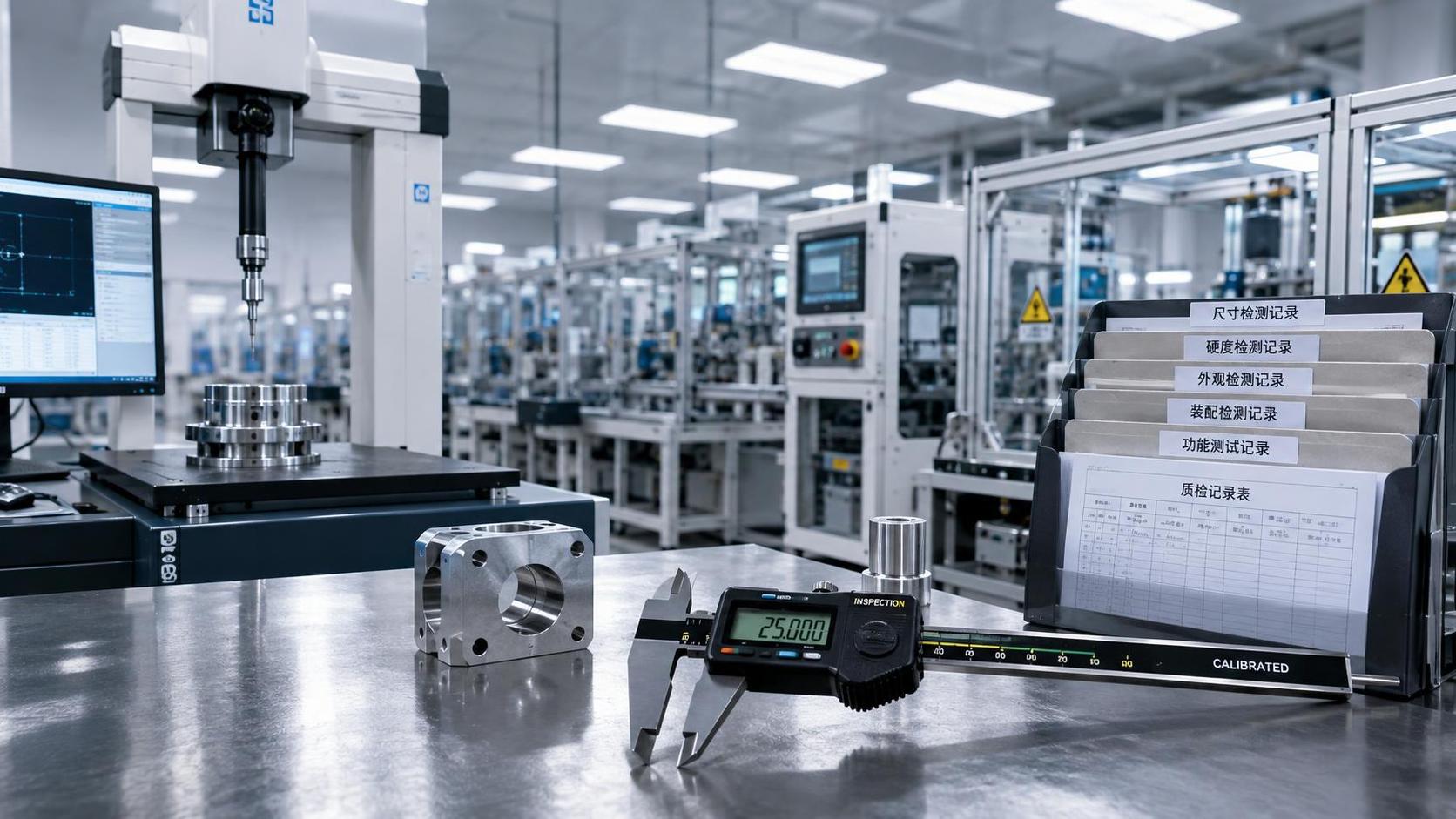
Laboratory testing equipment is designed to reduce uncertainty. It operates in a managed setting where temperature, humidity, vibration, power quality, sample preparation, and operator procedure can be controlled or documented. A laboratory may use analytical balances, tensile testers, environmental chambers, coordinate measuring machines, spectrometers, insulation testers, particle analyzers, or calibration standards. These systems are often selected for traceability, low measurement uncertainty, repeatability, and the ability to investigate a material or component in depth.
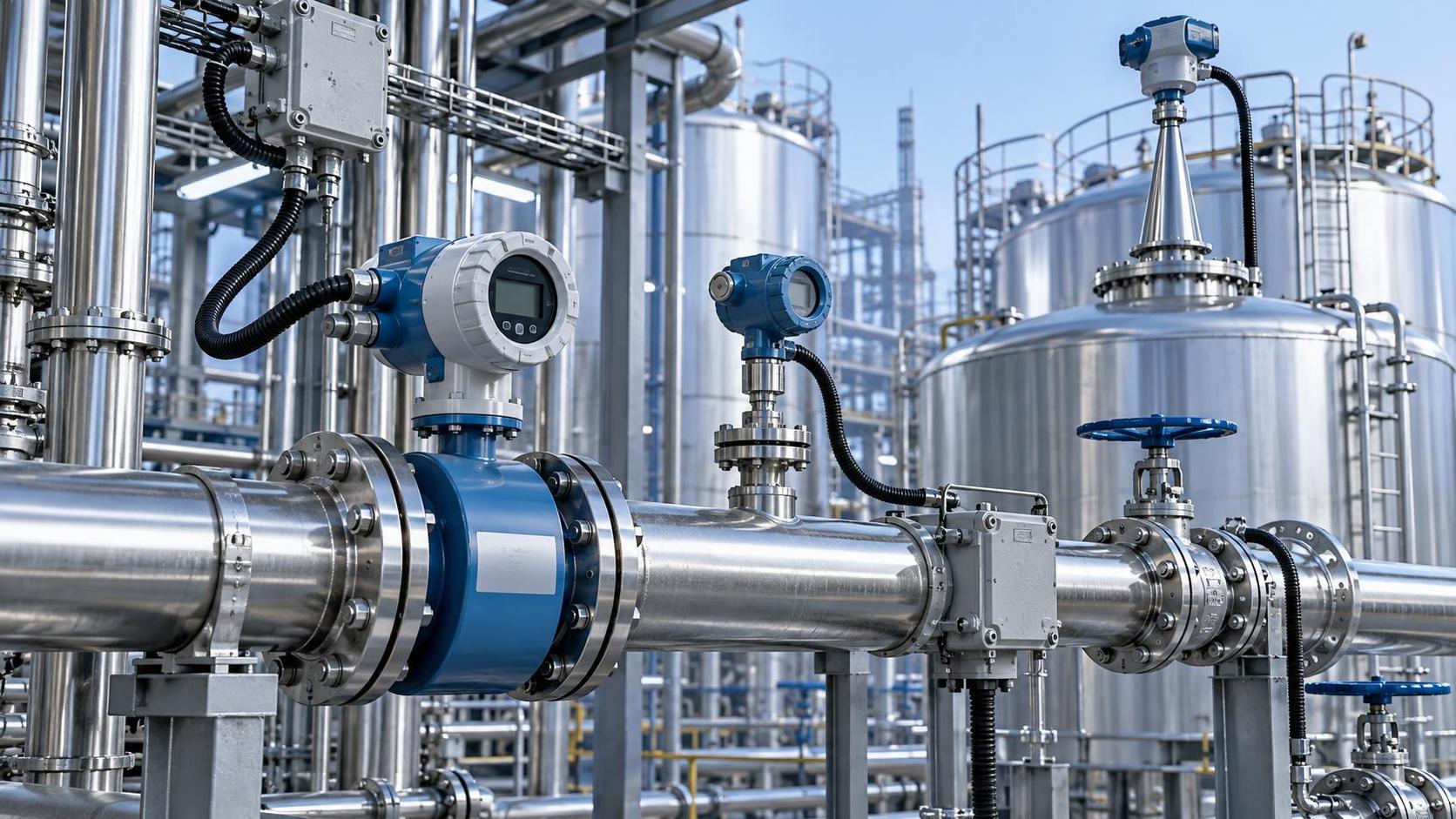
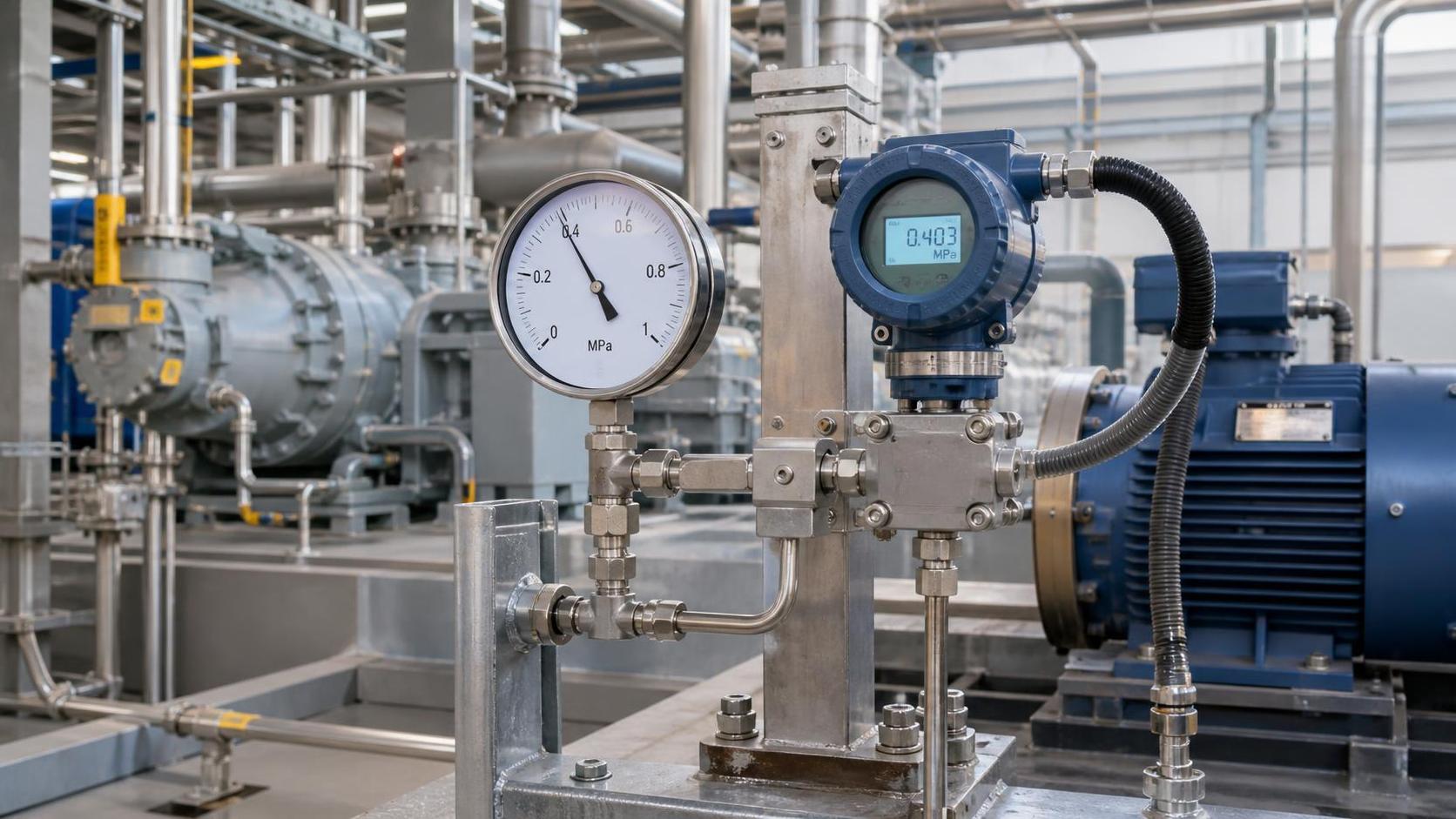
Field testing equipment is designed to answer an immediate question at the point of use: Is this circuit safe to energize? Is a pressure vessel showing a defect? Has water quality changed? Is a rotating asset developing abnormal vibration? Can a weld be accepted before the next construction stage begins? The instrument must work around weather, access restrictions, electromagnetic interference, dust, noise, movement, limited time, and sometimes incomplete information.
In practice, the two environments should support one another. Field measurements identify conditions that require action or escalation. Laboratory analysis confirms root cause, establishes tighter dimensional or material evidence, validates a method, or resolves a disputed result. Treating one as a substitute for the other can create avoidable gaps in an inspection plan.
How Equipment Design Changes Between the Lab and the Site
The physical design of an instrument reveals its intended environment. Laboratory systems can be larger, more sensitive, and more dependent on stable installation. Their performance may depend on a level surface, a clean enclosure, controlled airflow, specified warm-up time, or dedicated fixtures. These constraints are acceptable because the laboratory exists to protect measurement quality.
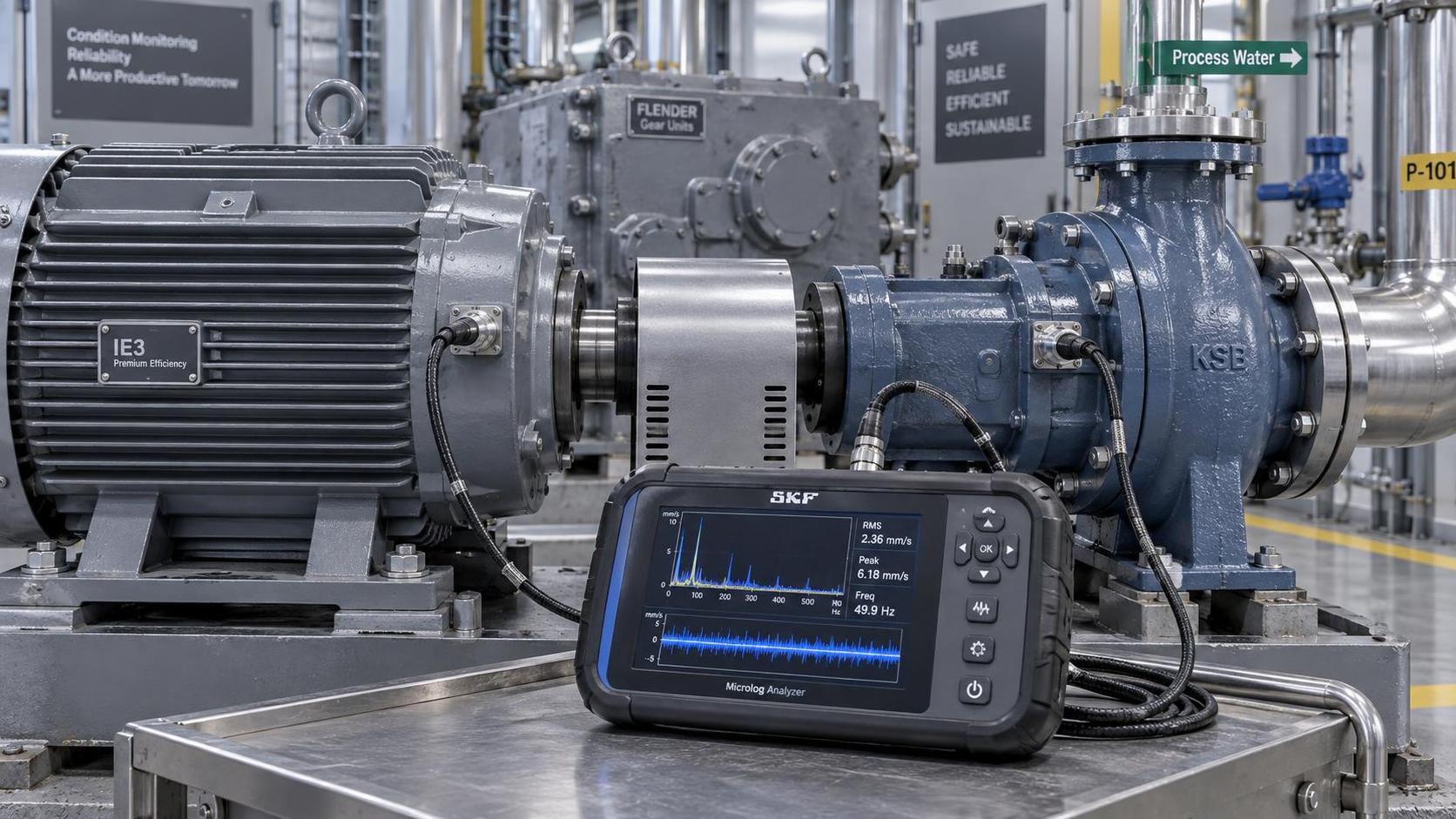
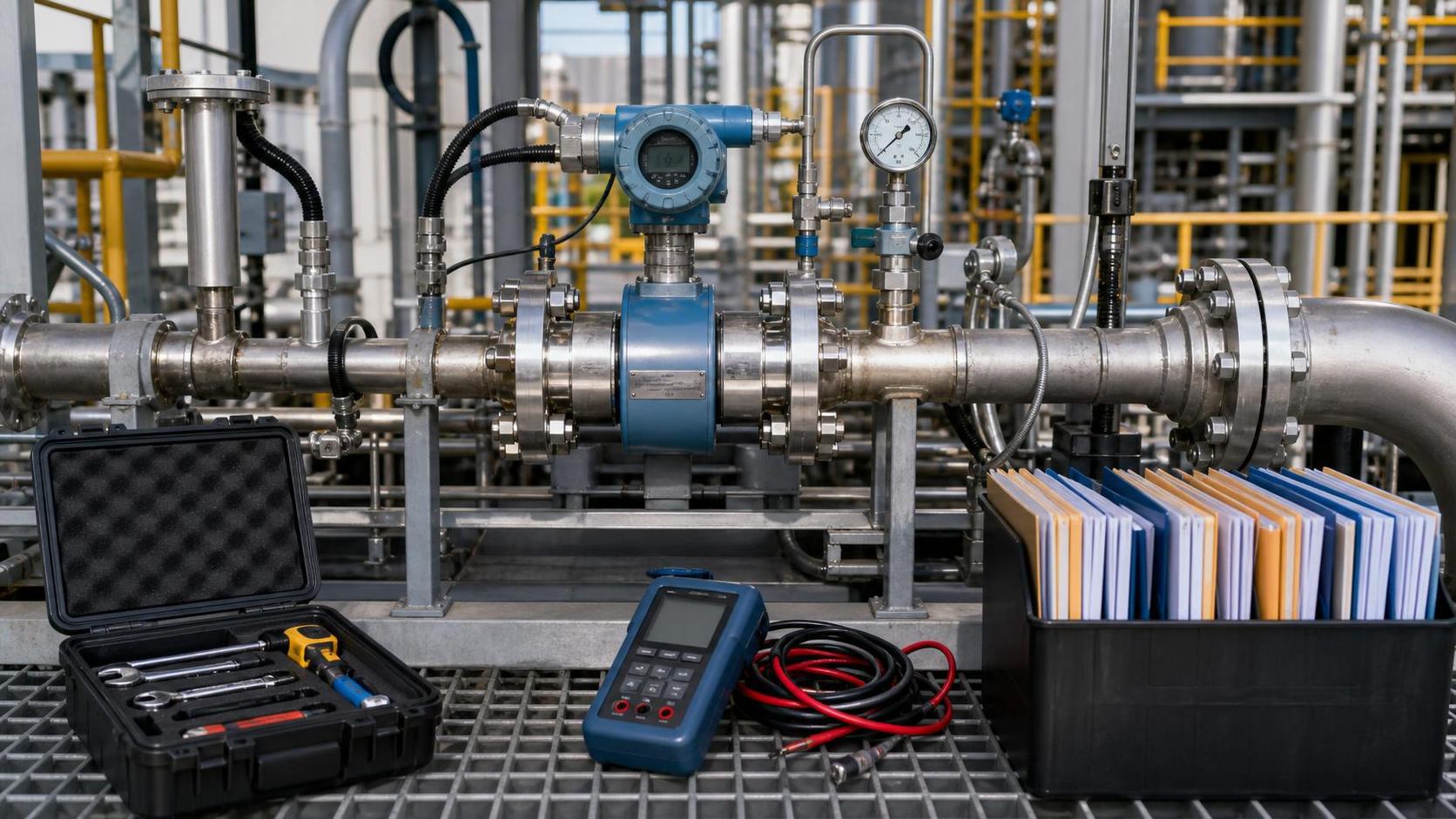
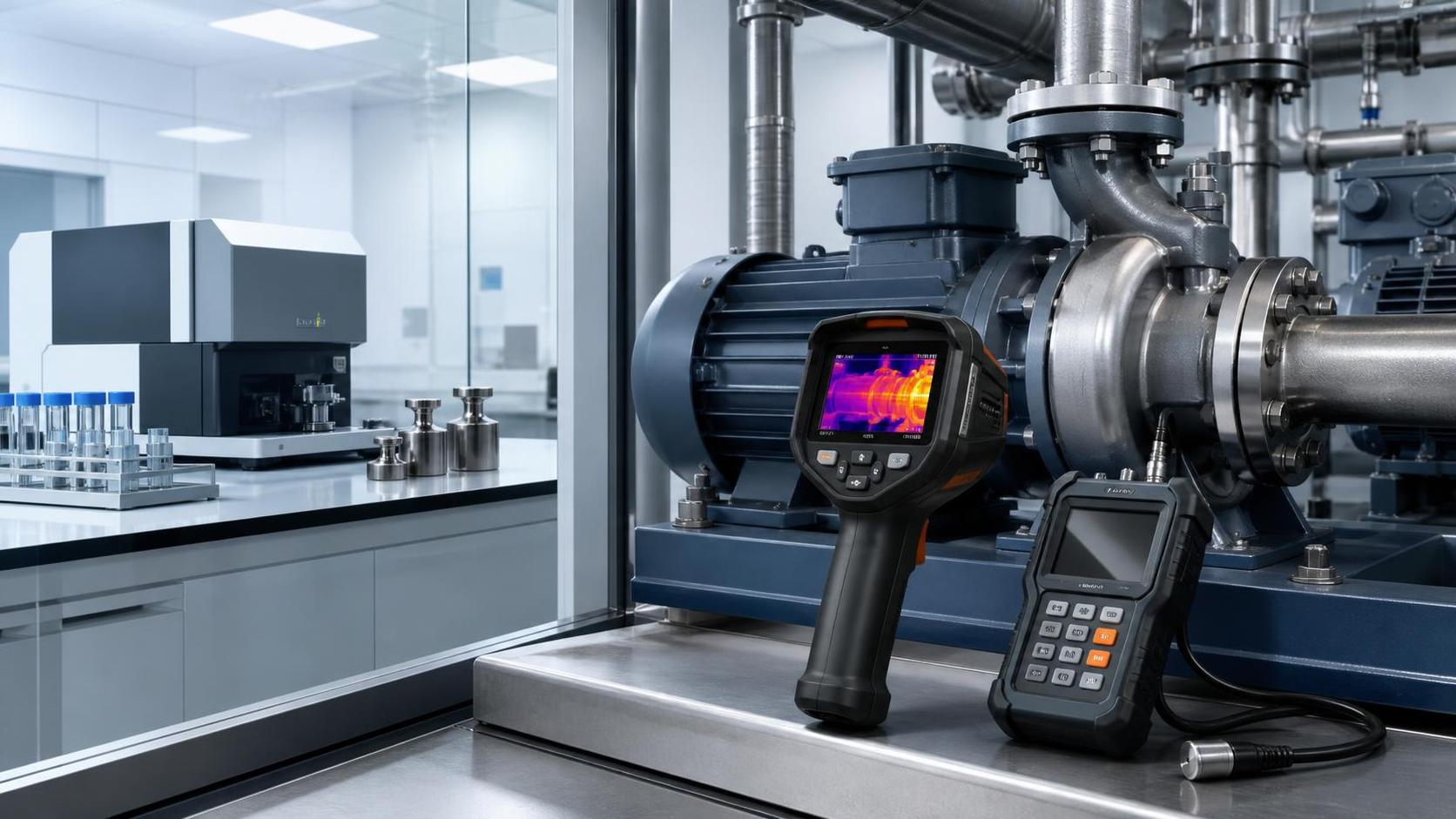
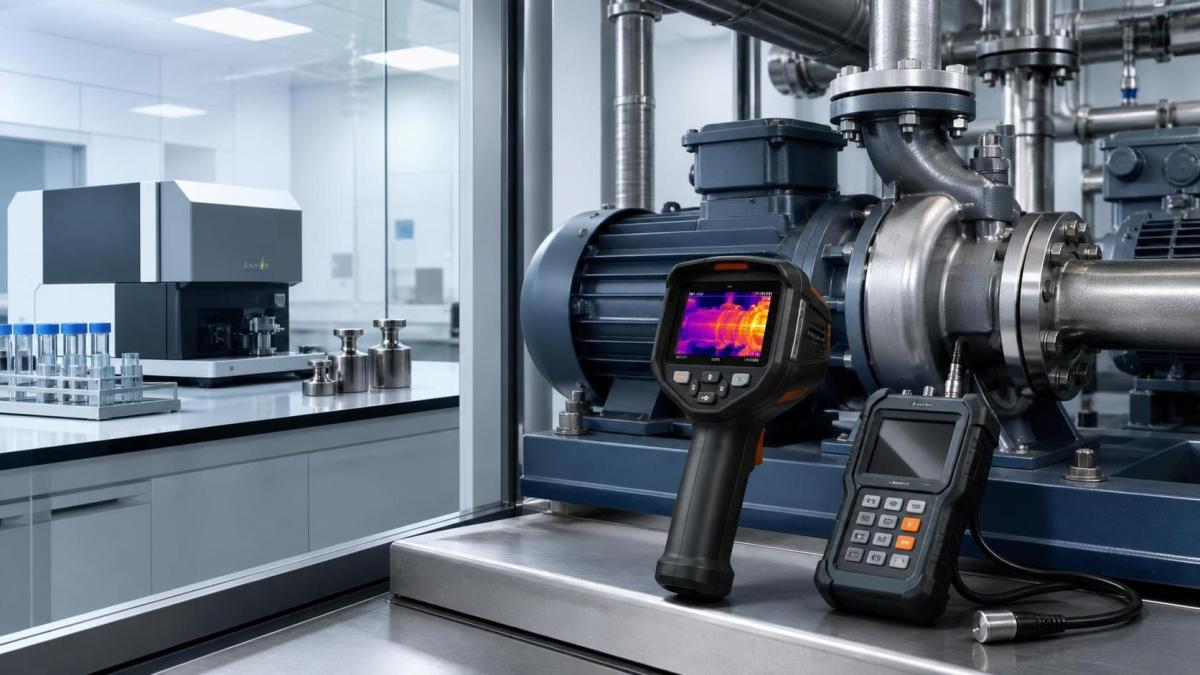
Field devices make deliberate compromises. Enclosures may be sealed against dust or moisture, controls may be usable with gloves, connectors may be reinforced, and displays may be readable in direct sunlight. Battery operation, fast startup, compact probes, shock resistance, and local data storage become practical priorities. A portable vibration analyzer, ultrasonic thickness gauge, thermal camera, or electrical power quality analyzer must remain usable when the technician is working on a ladder, beside a running machine, or in a confined process area.
Ruggedness should not be reduced to a marketing claim. Procurement specifications should review the manufacturer’s stated operating temperature range, ingress-protection rating where relevant, resistance to shock or vibration, battery characteristics, connector durability, and limitations around hazardous locations. If testing occurs in potentially explosive atmospheres, the applicable area classification and equipment approval requirements must be checked for the actual site and jurisdiction; a durable handheld enclosure alone is not evidence of suitability.
Accuracy Is Only One Part of Measurement Quality
A common purchasing mistake is to compare instruments solely by stated accuracy. Accuracy matters, but it does not fully describe whether a result is fit for purpose. Resolution, repeatability, reproducibility, measurement range, response time, drift, sensor condition, operator technique, and environmental effects all influence usable data.
A laboratory measurement can usually be repeated under the same conditions, using prepared samples and controlled methods. That makes it suitable for acceptance testing, research, product qualification, failure analysis, and calibration work. The method may require a specific sampling protocol, stabilization time, reference material, or fixture. These steps are not administrative friction; they are part of the result.
Field measurements are more exposed to variation. Surface contamination can affect ultrasonic thickness readings. Emissivity assumptions can influence thermal imaging. Clamp placement may affect electrical measurements. Wind, sunlight, ambient temperature, and sample handling can change environmental monitoring results. A capable field team addresses this with repeat readings, documented conditions, verification checks, correct probe selection, and clearly defined acceptance criteria.
Where results may support regulatory reporting, contractual acceptance, or a safety-critical decision, the organization should establish the required level of traceability before choosing the instrument. Calibration traceability, uncertainty statements, method validation, data integrity controls, and competent operator procedures may be as important as the device itself.
Speed, Sample Handling, and the Cost of Delay
Field instruments often reduce the time between observation and action. During commissioning, a portable electrical tester can help locate a wiring issue before energization proceeds. In mechanical maintenance, an on-site vibration or thermal assessment can guide whether a machine needs immediate intervention, planned repair, or further investigation. For environmental work, portable meters may indicate whether a process condition requires a confirmatory sample and laboratory analysis.
That speed has limits. A field reading may be an effective screening result rather than a final determination. For example, portable material identification tools can support sorting and preliminary verification, yet the required alloy confirmation method depends on the specification, material grade, geometry, surface condition, and applicable project standard. Similarly, a handheld water meter can show a change in pH, conductivity, or dissolved oxygen, but a compliance program may require laboratory methods, controlled preservation, and chain-of-custody procedures.
Transporting samples to a laboratory introduces its own risk: contamination, temperature change, evaporation, degradation, poor labeling, and chain-of-custody breaks can undermine a technically advanced analysis. The best choice is therefore not always “take it to the lab.” It is the method that preserves the integrity of the decision.
Safety and Compliance Are Context-Specific
Laboratory safety centers on controlled access, chemical handling, ventilation, machine guarding, electrical protection, and validated procedures. Field safety is more dynamic. Technicians may encounter energized panels, elevated work, traffic, moving equipment, hot surfaces, confined spaces, or process hazards. Equipment must be selected alongside permits, isolation procedures, appropriate personal protective equipment, and task-specific risk assessment.
Standards and marks such as CE, UL, ISO references, or electrical safety categories should never be treated as generic checkboxes. Their relevance depends on the equipment type, intended market, installation arrangement, and the applicable standard edition. A procurement requirement should state the needed function and operating context, then request the manufacturer’s supporting documentation. This is particularly important for high-energy electrical testing, pressure testing, nondestructive testing, and environmental monitoring used for formal reporting.
Global Industrial Core approaches this distinction as an infrastructure risk issue rather than a catalog comparison. Across instruments and measurement, safety systems, power infrastructure, environmental controls, and mechanical assets, a defensible selection process starts with the failure consequence. A noncritical convenience measurement and a result used to release a safety-critical component should not be governed by the same purchasing logic.
Calibration, Maintenance, and Data Continuity
Both laboratory and field instruments drift over time, but the maintenance burden takes different forms. Laboratory equipment may need scheduled calibration, preventive service, software validation, reference checks, controlled consumables, and environmental monitoring. Field devices also require calibration, but they are more likely to face damaged leads, worn probes, depleted batteries, contaminated sensors, dropped enclosures, and inconsistent storage conditions.
A field calibration certificate does not guarantee sound readings for the entire interval between calibrations. Teams should define pre-use checks where the application warrants them. These may include visual inspection, functional verification, zero checks, reference block checks, or comparison against a known condition. The correct check depends on the technology and the risk attached to an incorrect result.
Data continuity deserves equal attention. An inspection result is much more useful when it is tied to an asset identifier, location, operator, date, method, instrument serial number, and relevant environmental notes. In large facilities, disconnected spreadsheets and manually transcribed readings can weaken trend analysis. Conversely, cloud connectivity is not automatically beneficial if cybersecurity rules, network coverage, or data ownership are unresolved. The data route should be designed as carefully as the measurement route.
Choosing Without Buying the Wrong Capability
The most expensive instrument is often not the one with the highest purchase price. It is the instrument that produces results nobody can use, requires a specialist who is unavailable, cannot be deployed during an outage, or creates a false sense of certainty. Before comparing brands or models, define the decision threshold: what condition is being measured, what action follows the result, and what happens if the reading is wrong?
Then assess the real measurement chain. Consider the required range and uncertainty, sample or asset access, expected ambient conditions, test frequency, operator competence, reporting format, calibration turnaround, spare probe availability, software compatibility, and local service support. For international projects, documentation language, import restrictions, regional electrical requirements, and certification expectations may also affect deployment.
Many industrial programs benefit from a tiered arrangement: robust field equipment for routine routes, commissioning, and first-line diagnosis; laboratory capability for confirmation, investigation, and high-sensitivity work; and a written escalation path between the two. This approach avoids sending every sample to a lab while preventing field screening tools from being asked to settle questions beyond their validated purpose.
A Better Final Question
The key differences between industrial testing equipment for lab and field use come down to measurement control, portability, environmental resilience, speed, traceability, and the consequence of error. Laboratory equipment is built to reduce uncertainty under controlled conditions. Field equipment is built to make useful, timely decisions amid operational reality. Neither is inherently superior.
Before finalizing a specification, ask whether the result must diagnose, screen, certify, trend, or prove. That single distinction usually clarifies the required method, the acceptable uncertainty, the right operating environment, and whether a field reading should be confirmed elsewhere. For critical infrastructure, the equipment decision should be reviewed together with the test method, operator procedure, calibration plan, and applicable project requirements—not as a standalone line item.
Technical Specifications
- How to Select Electronic Hotel Key Card Locks for Guest Rooms and Staff AreasAuthor :Safety Compliance Lead
- How to Select Lab Instruments for Reliable Chemical Analysis WorkflowsAuthor :Precision Metrology Expert
- How to Size a UPS for Server Rooms: Load, Runtime, and Redundancy FactorsAuthor :Grid Infrastructure Analyst
Expert Insights

Chief Security Architect
Dr. Thorne specializes in the intersection of structural engineering and digital resilience. He has advised three G7 governments on industrial infrastructure security.
Related Analysis
- Sep 17, 2026How to Select Electronic Hotel Key Card Locks for Guest Rooms and Staff AreasAuthor :Safety Compliance Lead
- Sep 16, 2026How to Select Lab Instruments for Reliable Chemical Analysis WorkflowsAuthor :Precision Metrology Expert
- Sep 15, 2026How to Size a UPS for Server Rooms: Load, Runtime, and Redundancy FactorsAuthor :Grid Infrastructure Analyst
Core Sector // 01
Security & Safety
- What to Check When Sourcing Vibration Meters Wholesale for Industrial MaintenanceAuthor :Precision Metrology Expert

- How to Select Process Control Instruments for Accuracy, Safety, and UptimeAuthor :Precision Metrology Expert

- What Should Standards Compliance Analysis Training Cover Before an Audit?Author :Precision Metrology Expert

- Why Do Pressure Instruments Fail in High-Vibration Sites?Author :Precision Metrology Expert

- Is FM Software Integration Needed for Overseas Instrument Maintenance?Author :Precision Metrology Expert

- What Are the Differences Between Lab and Field Testing Equipment?Author :Precision Metrology Expert

- Is Independent Testing Necessary for Critical Safety Components?Author :Precision Metrology Expert

- How to Validate Industrial Application Scenarios Before ProcurementAuthor :Precision Metrology Expert