UL 62368-3:2026 Published: Dual SELV+PELV Isolation Required for Industrial IR Camera Power Modules
Author
Date Published
Reading Time
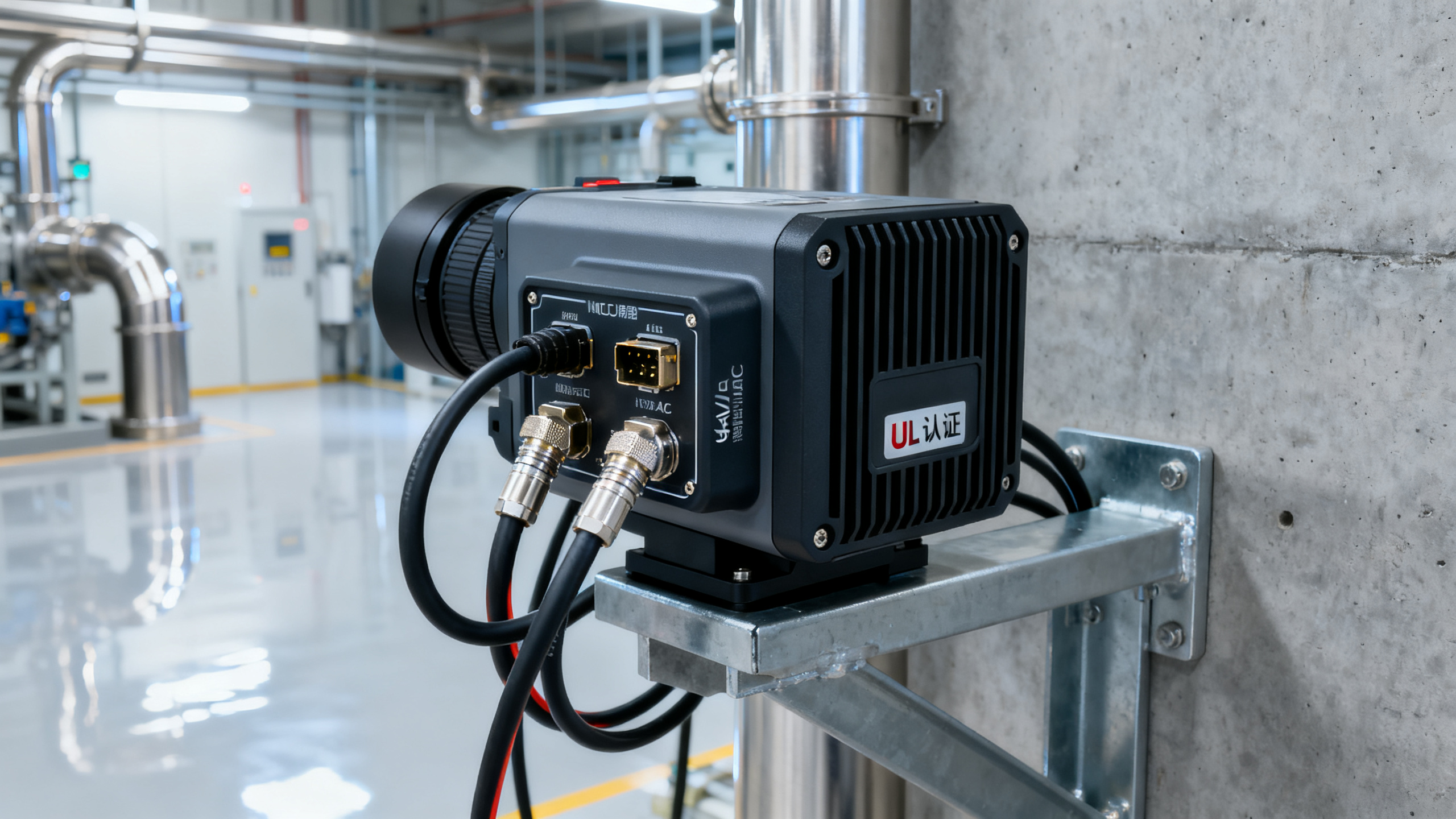
On May 8, 2026, UL released the first edition of UL 62368-3:2026, introducing a new power safety architecture requirement for industrial infrared (IR) thermal imagers deployed in North American energy, petrochemical, and power utility sectors. This standard mandates simultaneous compliance with both SELV (Safety Extra-Low Voltage) and PELV (Protective Extra-Low Voltage) isolation — with minimum isolation withstand voltage of ≥4 kV AC for 1 minute. The update directly affects OEMs and module suppliers exporting to these end markets.
Event Overview
UL published UL 62368-3:2026, Edition 1, on May 8, 2026. The standard specifies that industrial infrared thermal imagers intended for use in North America must incorporate power modules meeting dual SELV and PELV isolation requirements, verified at ≥4 kV AC for 1 minute. No further implementation dates, transition periods, or grandfathering provisions have been publicly disclosed as of the publication date.
Industries and Roles Affected
Direct Exporters (OEMs & Module Suppliers)
Manufacturers exporting complete IR thermal imagers or core power modules to North American energy, petrochemical, or electric utility customers are directly impacted. Compliance is now a prerequisite for product listing and market access — non-compliant designs may be rejected during UL certification review or customer qualification audits.
Power Module Design & Manufacturing Firms
Suppliers of AC/DC or DC/DC power modules used in industrial IR cameras must verify whether their existing architectures satisfy both SELV *and* PELV simultaneously — not just one or the other. Legacy modules certified only to IEC/UL 62368-1 or prior editions may require redesign or retesting under the new dual-isolation verification protocol.
System Integrators & Value-Added Resellers (VARs)
Integrators embedding third-party IR cameras into larger monitoring or predictive maintenance systems must confirm upstream compliance documentation. Absence of UL 62368-3:2026 conformance evidence may delay system-level certifications or invalidate end-customer safety approvals.
What Stakeholders Should Focus On — And How to Respond
Monitor official UL communications for transition timelines
UL has not yet announced enforcement dates or grace periods. Stakeholders should subscribe to UL’s Standards Updates service and track Bulletin 62368-3 announcements — particularly any clarification on applicability scope (e.g., whether retroactive to existing listed products) or phased adoption.
Verify power module specifications against dual-isolation test criteria
Review technical datasheets and UL certification reports for all power modules used in industrial IR camera designs. Confirm explicit verification of both SELV *and* PELV separation paths — including independent creepage/clearance, reinforced insulation, and 4 kV AC/1 min withstand testing per clause 5.5.2 and Annex D of UL 62368-3:2026.
Distinguish between standard publication and regulatory enforcement
The release of UL 62368-3:2026 is a voluntary consensus standard — not a regulation. However, it becomes de facto mandatory when referenced by customers (e.g., utility procurement specs), AHJs (authorities having jurisdiction), or downstream certification bodies. Monitor RFPs and tender documents from target sectors for explicit citation of this edition.
Initiate internal design and supply chain alignment now
Identify affected product families and assess lead times for component requalification or redesign. Engage power module vendors early to confirm roadmap alignment; where necessary, initiate pre-submission consultations with UL or accredited labs to clarify test methodology for dual-isolation validation.
Editorial Perspective / Industry Observation
Observably, UL 62368-3:2026 signals a tightening of functional safety boundaries for power interfaces in high-reliability industrial sensing equipment — moving beyond single-layer protection toward redundant, independently verified isolation. Analysis shows this reflects growing risk awareness around fault propagation in interconnected IIoT systems, especially where IR cameras operate near high-voltage assets. From an industry perspective, this is currently a standards signal rather than an immediate compliance deadline; however, its inclusion in future customer specifications is highly probable. Continued attention is warranted because adoption momentum often precedes formal enforcement — especially in safety-critical infrastructure procurement.
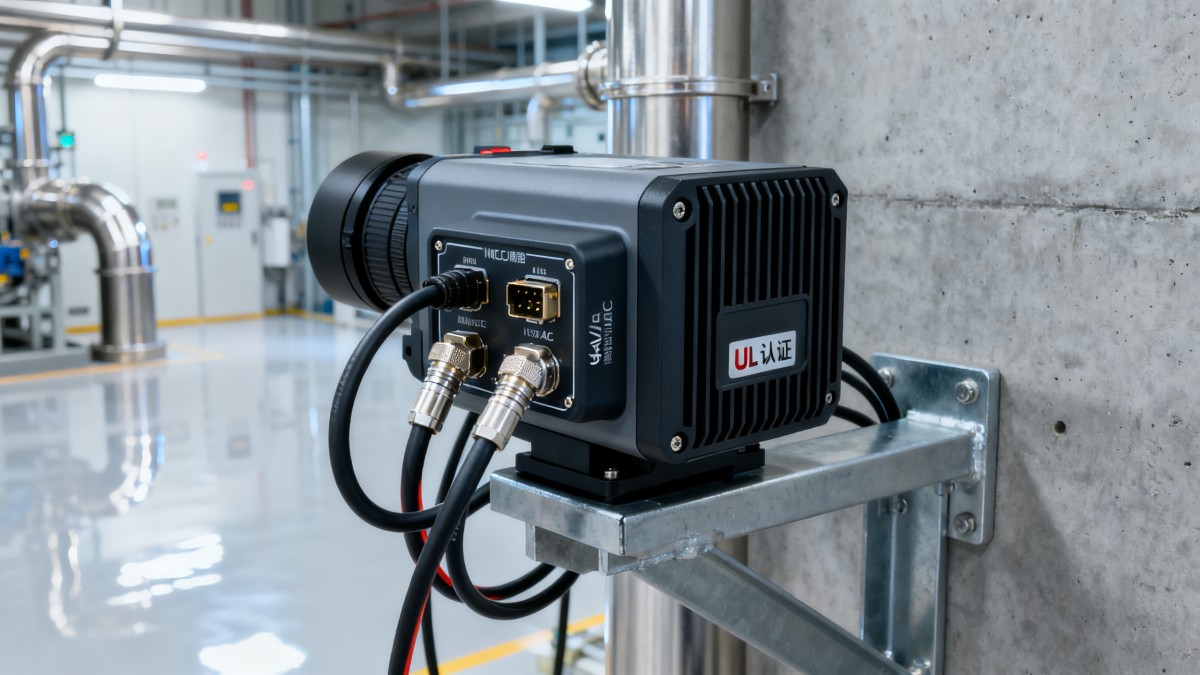
In summary, UL 62368-3:2026 introduces a technically specific, application-targeted safety requirement — not a broad-based regulatory shift. Its significance lies in raising the bar for power architecture validation in a narrow but high-stakes segment of industrial imaging. For stakeholders, it is more accurately understood as an emerging design benchmark with near-term implications for North American market access — rather than a universal mandate or retrospective compliance trigger.
Source: UL Standards & Engagement, UL 62368-3:2026, First Edition, published May 8, 2026.
Note: Transition timelines, enforcement mechanisms, and applicability to legacy-certified products remain pending official clarification and are subject to ongoing monitoring.
Technical Specifications
- Air Handling Unit Supplier Checklist: Performance Data, Lead Times, and SupportAuthor :Environmental Engineering Director
- Buying Fiberglass Water Tanks Wholesale: Compare Quotes and Delivery CostsAuthor :Environmental Engineering Director
- Choosing an XLPE Power Cable Supplier: Test Reports, Traceability, and Lead TimesAuthor :Grid Infrastructure Analyst
Expert Insights

Chief Security Architect
Dr. Thorne specializes in the intersection of structural engineering and digital resilience. He has advised three G7 governments on industrial infrastructure security.
Related Analysis
- Oct 19, 2026Air Handling Unit Supplier Checklist: Performance Data, Lead Times, and SupportAuthor :Environmental Engineering Director
- Oct 18, 2026Buying Fiberglass Water Tanks Wholesale: Compare Quotes and Delivery CostsAuthor :Environmental Engineering Director
- Oct 17, 2026Choosing an XLPE Power Cable Supplier: Test Reports, Traceability, and Lead TimesAuthor :Grid Infrastructure Analyst
Core Sector // 01
Security & Safety
- Choosing a Bluetooth Total Station: Software Compatibility and Connection RangeAuthor :Precision Metrology Expert

- Material Testing Standards: ASTM E8 vs. ISO 6892-1 for Metal Tensile TestsAuthor :Precision Metrology Expert

- How to Verify Accuracy in Industrial Measurement Data and Test ReportsAuthor :Precision Metrology Expert

- Selecting a Steam Vortex Flow Meter: Sizing, Pressure, and Temperature LimitsAuthor :Precision Metrology Expert

- How to Select an Industrial Infrared Thermometer for Hot, Moving EquipmentAuthor :Precision Metrology Expert

- How to Evaluate a Precision Measurement Equipment Manufacturer for Critical TolerancesAuthor :Precision Metrology Expert

- How to Select an Emissions Monitoring System Analyzer for Compliance ReportingAuthor :Precision Metrology Expert

- Portable Gas Monitor Calibration: How Often Is It Needed for Safe Confined-Space Work?Author :Precision Metrology Expert