Industrial Measurement Techniques for Safety Compliance: Which Methods Fit Your Process?
Author
Date Published
Reading Time
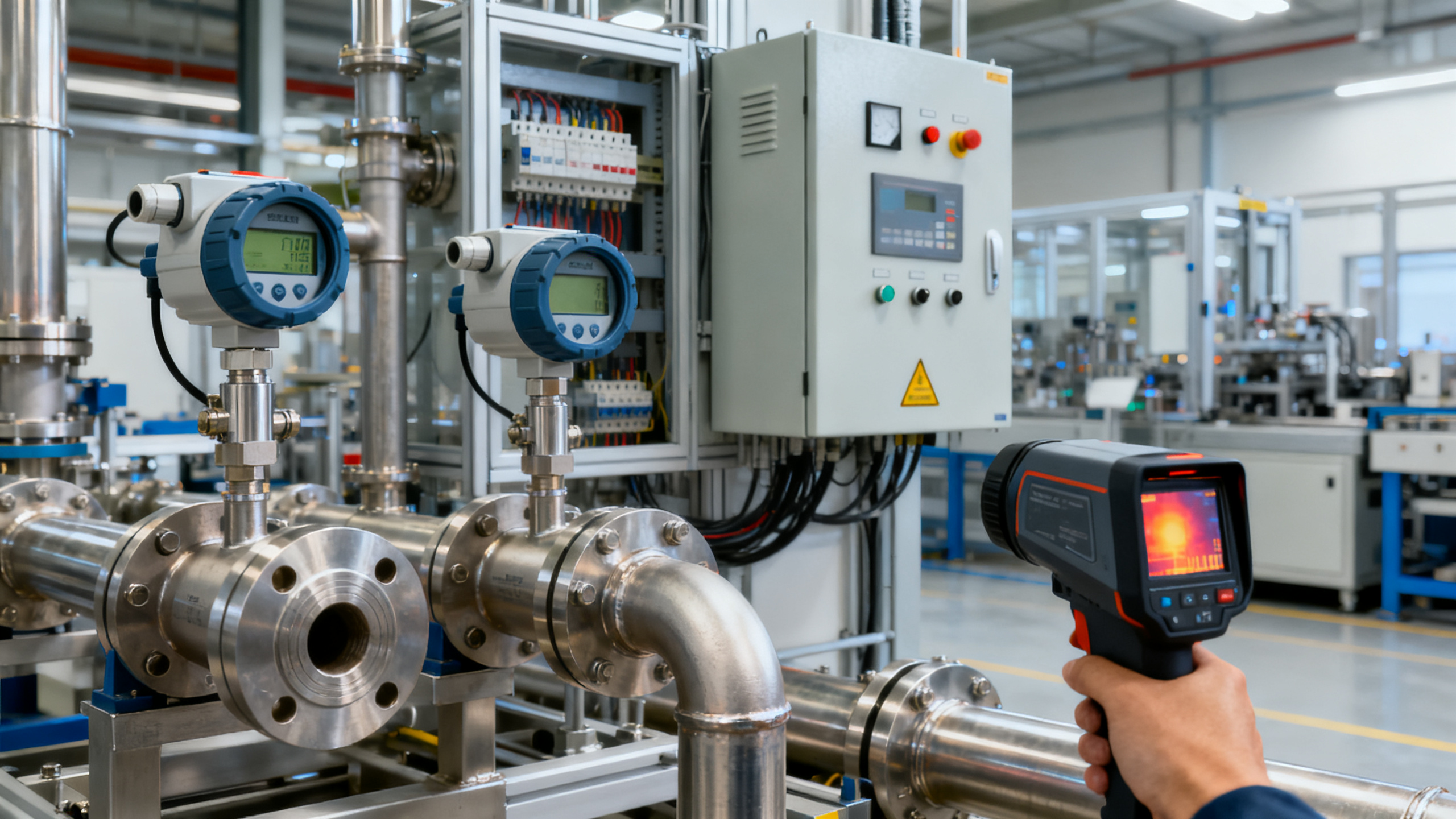
Industrial measurement techniques for safety compliance sit at the intersection of risk control, process stability, and regulatory proof. In plants where pressure, heat, voltage, vibration, or dimensional drift can trigger failure, the right measurement method is not just a quality tool. It becomes a safeguard for people, assets, and uptime.
That is why method selection matters as much as the reading itself. A gauge, sensor, tester, or inspection system must match the operating environment, the tolerance window, and the consequence of error. Across heavy industry, this decision now carries more weight because compliance expectations are rising while shutdown costs remain severe.
For organizations working across safety, instruments, power systems, environmental controls, and mechanical assets, the challenge is rarely a lack of tools. The real challenge is knowing which industrial measurement techniques for safety compliance fit a specific process, and where a basic check is no longer enough.
Why measurement choice now drives compliance outcomes
In many facilities, compliance is no longer demonstrated by paperwork alone. Auditors and clients increasingly expect traceable measurement data, calibrated instruments, and a clear link between testing practice and operating risk.
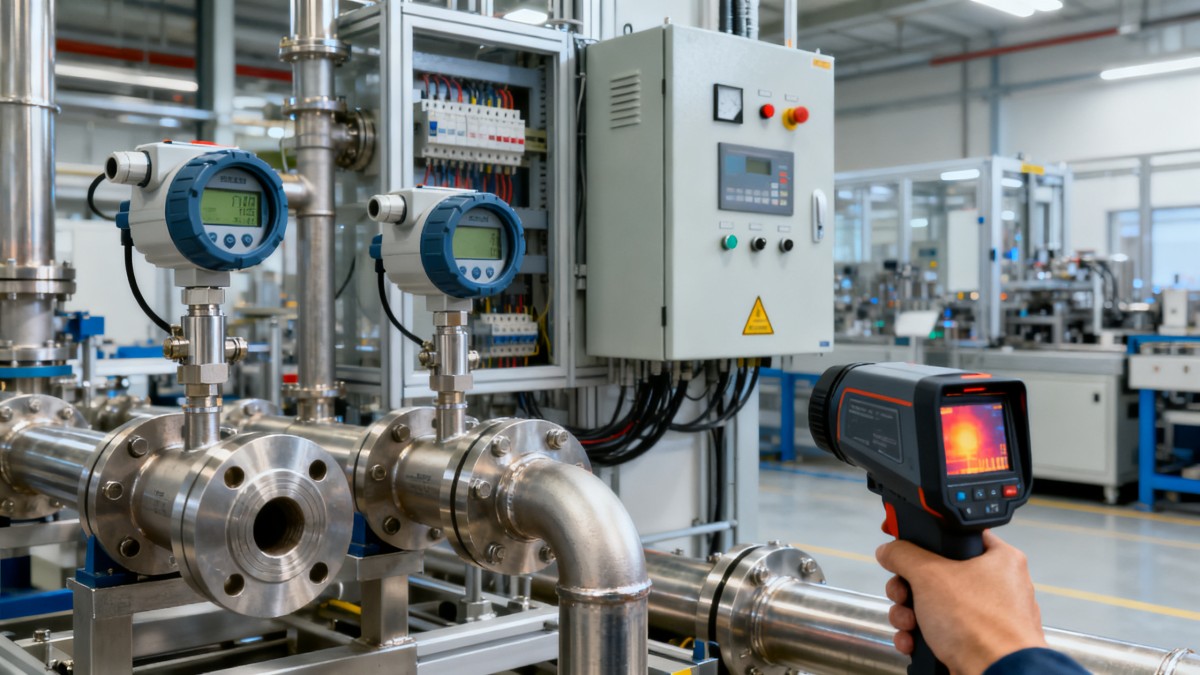
This shift is especially visible in sectors tied to CE, UL, ISO, and site-specific engineering standards. A pass or fail result is useful, but it rarely explains whether the method used was sensitive enough, repeatable enough, or suitable for the process condition.
Global Industrial Core often frames this issue through infrastructure resilience. When equipment operates under corrosive exposure, thermal cycling, electrical load, or mechanical stress, weak measurement practice can hide small deviations until they become safety events.
In practical terms, industrial measurement techniques for safety compliance support three linked goals: confirming conformance, detecting early failure signals, and creating defensible evidence for inspection, certification, or procurement review.
What counts as a fit-for-process measurement method
A suitable method is not always the most advanced one. It is the method that delivers dependable data under real operating conditions, at the speed the process requires, with uncertainty low enough for the decision being made.
That means selection should begin with the hazard profile. If failure could cause fire, release, shock, contamination, or structural damage, the measurement technique must be chosen around consequence, not convenience.
Several questions usually clarify the choice:
- Is the target variable continuous, intermittent, or event-driven?
- Does the process require contact or non-contact measurement?
- What tolerance band separates safe operation from unacceptable drift?
- Will the data support internal control, external certification, or both?
- How often must the measurement be repeated or trended?
These questions help narrow the field before equipment brands or model features enter the conversation. In safety compliance, method suitability always comes before hardware preference.
Where the main industrial measurement techniques apply
Most industrial measurement techniques for safety compliance fall into a few recurring categories. Each category protects a different part of the process, and each carries its own limits.
Dimensional and geometric verification
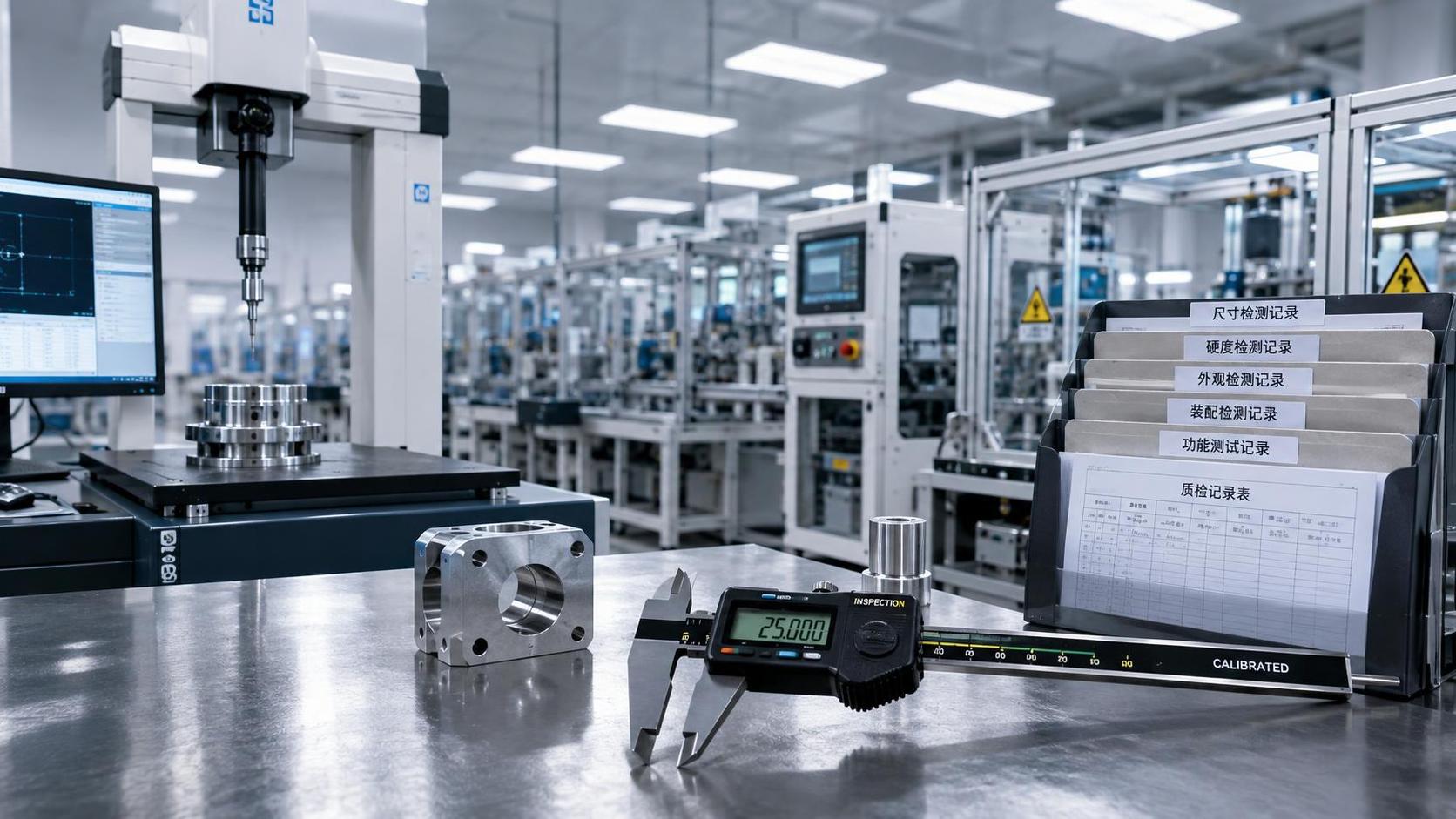
This area covers calipers, micrometers, CMM systems, laser scanners, and optical comparators. It matters when fit, alignment, wall thickness, clearance, or roundness affects safe assembly or service performance.
For pressure vessels, rotating assemblies, seals, and structural parts, dimensional deviation can produce leakage, fatigue, or premature wear. In these cases, measurement supports both quality release and downstream safety assurance.
Pressure and flow measurement
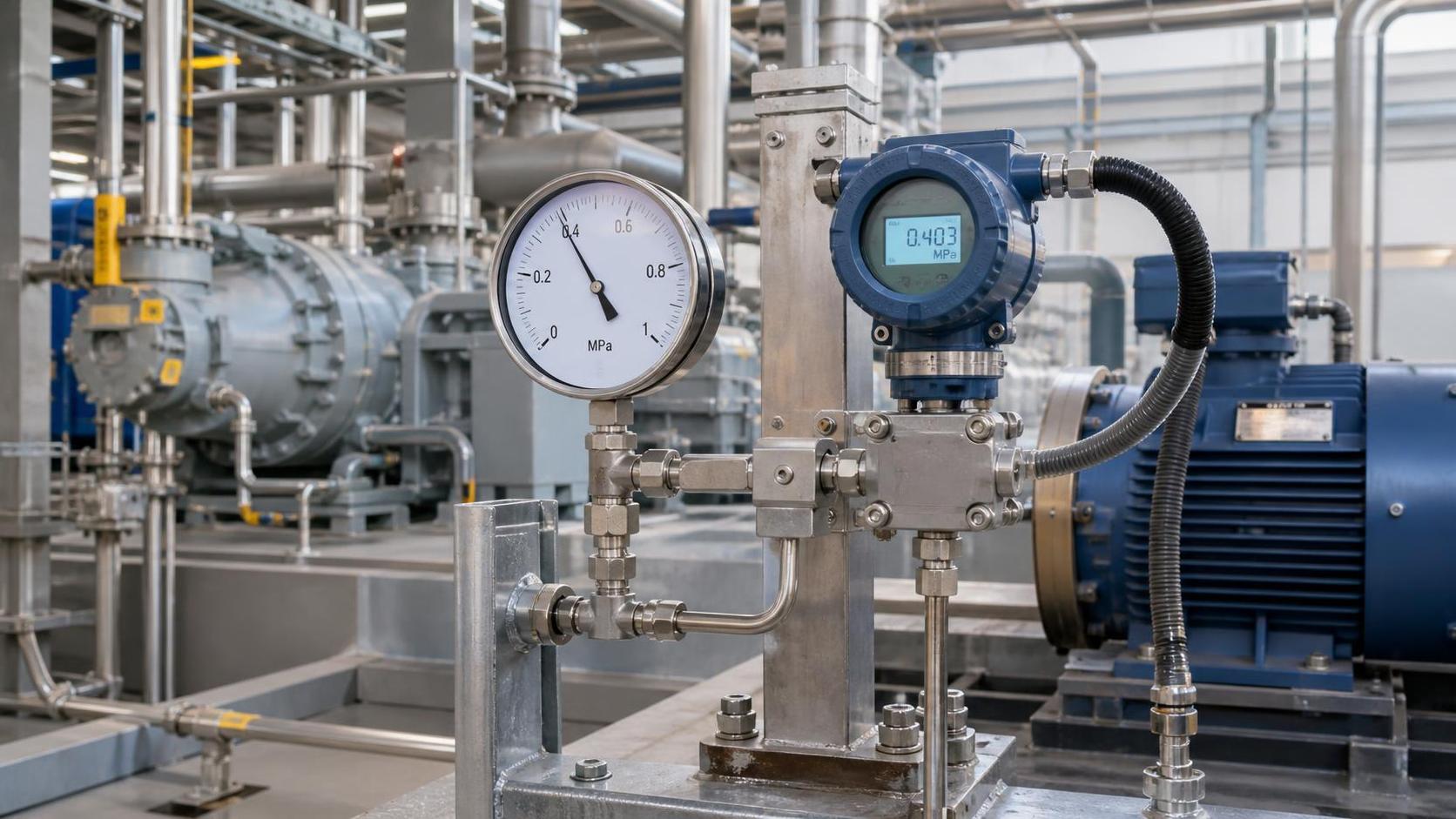
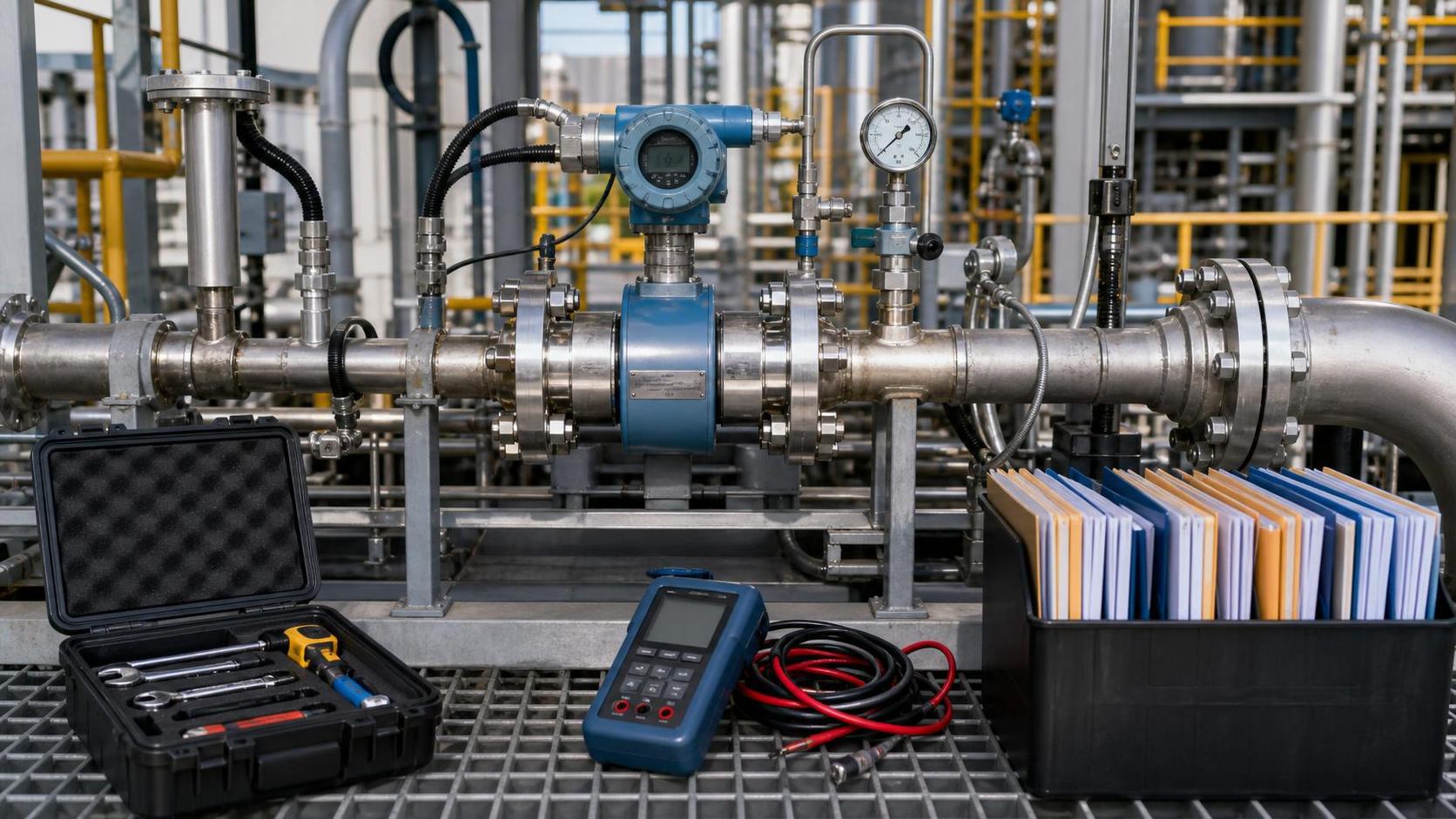
Pressure gauges, transmitters, differential sensors, and calibrated flow meters are critical in process lines, boilers, gas systems, and hydraulic circuits. These methods are central when overpressure or restriction could escalate quickly.
The main decision is often between spot verification and continuous monitoring. A manual test may confirm compliance at one moment. A sensor network may be necessary where conditions shift rapidly or failure tolerance is narrow.
Temperature and thermal integrity testing
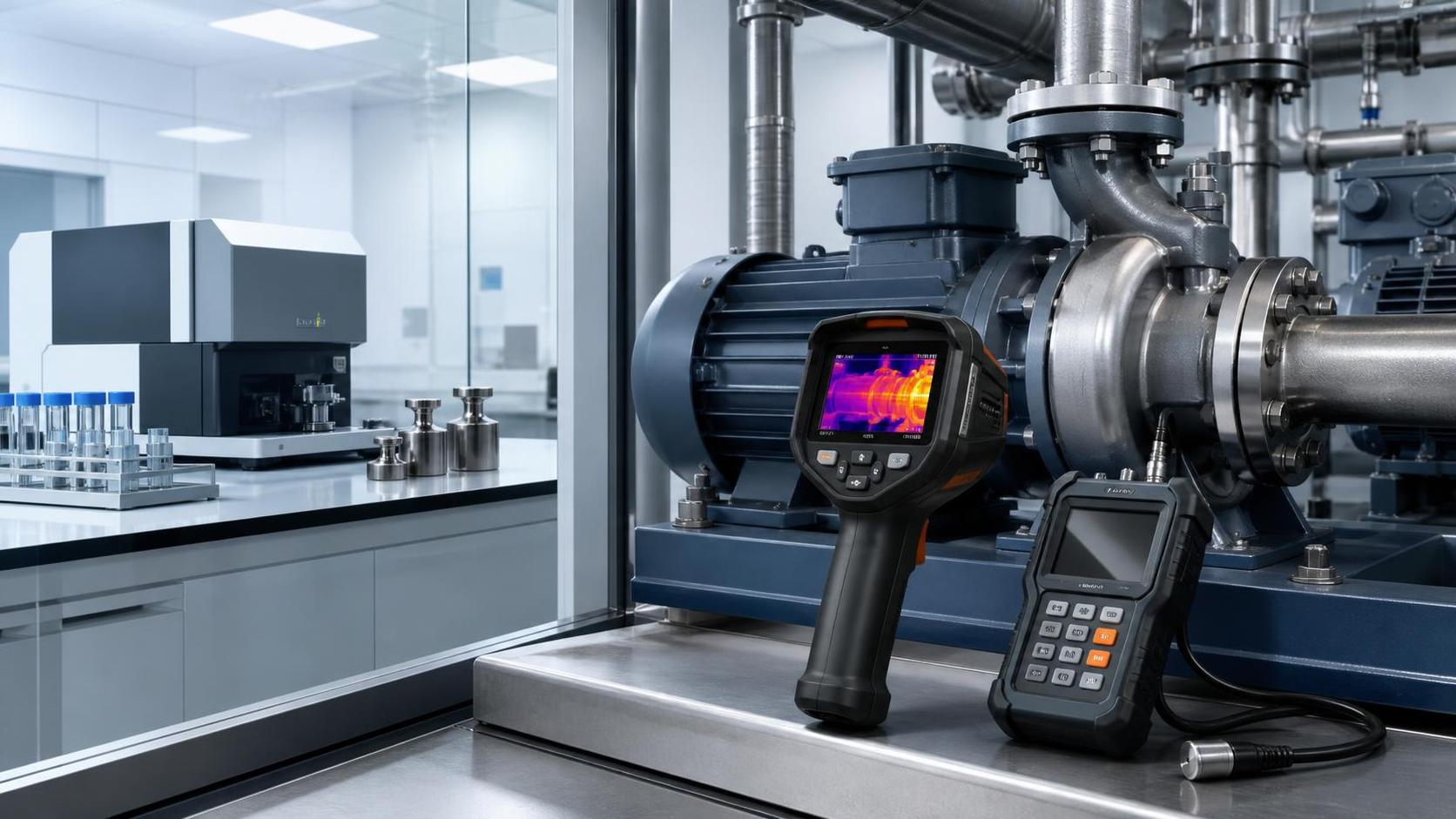
Thermocouples, RTDs, infrared cameras, and thermal profiling tools help identify overheating, poor insulation, uneven curing, or unstable operating zones. Thermal nonconformity often appears before visible mechanical damage.
This is especially relevant in electrical cabinets, furnace systems, coating lines, and battery-related processes. Choosing between contact probes and thermal imaging depends on access, response time, and the need for area coverage.
Electrical testing and insulation checks
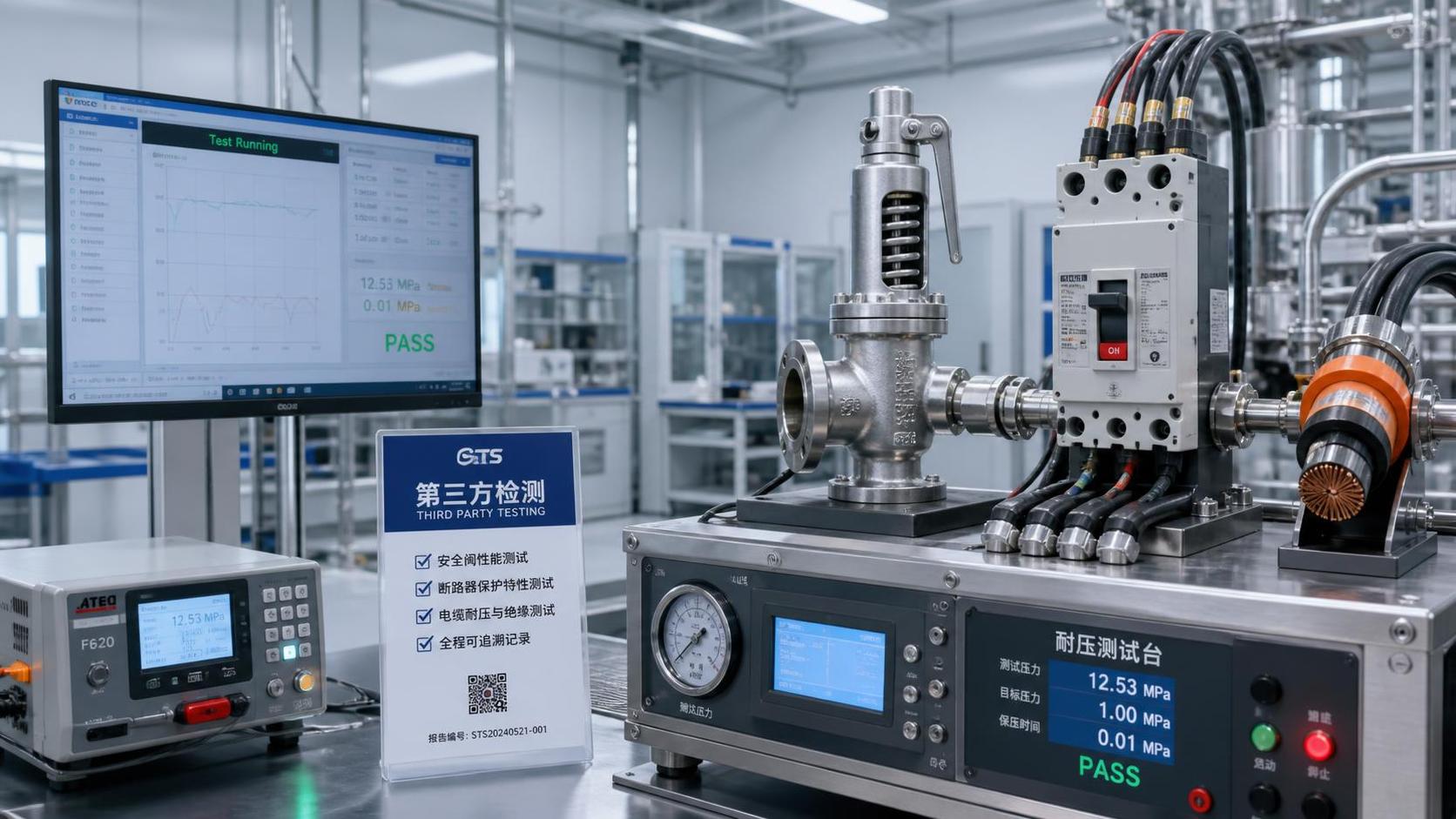
Voltage, current, continuity, insulation resistance, grounding, and dielectric strength testing remain core industrial measurement techniques for safety compliance in power distribution and equipment validation.
These methods are not interchangeable. A continuity check may show a path exists, but it says little about insulation integrity under load. Compliance requires matching the electrical test to the actual failure mode under review.
Non-destructive testing and condition monitoring
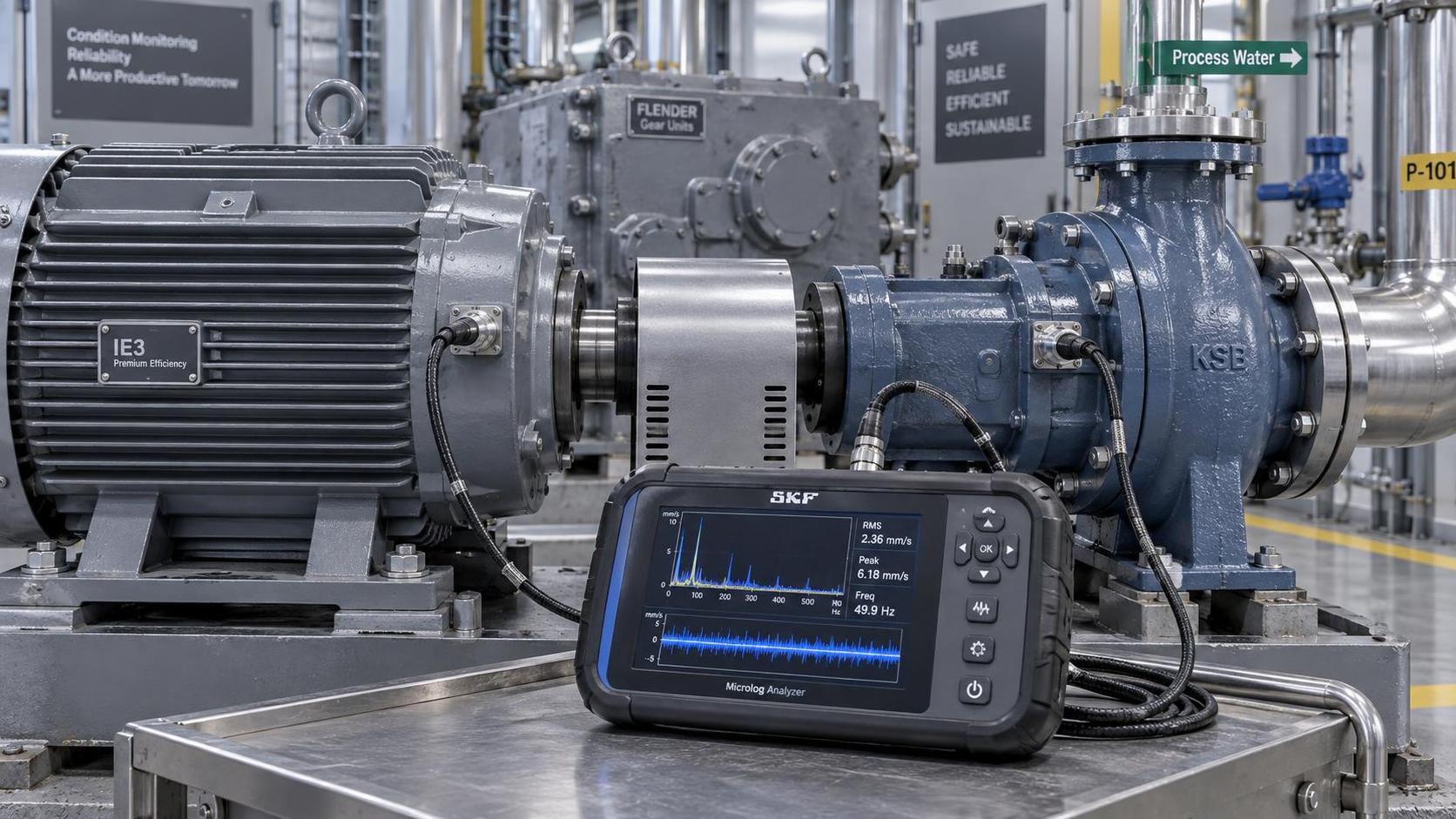
Ultrasonic testing, radiography, magnetic particle inspection, vibration analysis, and acoustic monitoring are used where internal defects or progressive damage matter more than surface appearance.
These techniques are valuable for welds, pipelines, bearings, structural joints, and heavy mechanical assets. They extend safety compliance beyond new installation and into life-cycle integrity.
A practical way to match methods to process conditions
A simple comparison can prevent overtesting in low-risk areas and under-testing in critical ones. The goal is not more data at any cost. The goal is useful data tied to safe decisions.
This is often where industrial measurement techniques for safety compliance become a strategic issue. Once measurement is tied to actual process behavior, compliance activity starts supporting reliability instead of sitting beside it.
Common selection mistakes that weaken safety compliance
Many compliance gaps come from method mismatch rather than equipment failure. The data looks clean, but the testing logic is weak.
- Using laboratory precision tools in unstable field conditions without accounting for environmental interference.
- Relying on single-point measurements where trend data is needed to detect drift.
- Selecting a fast method that cannot meet the required uncertainty threshold.
- Treating calibration status as enough proof, without checking process relevance.
- Separating measurement planning from maintenance, operations, and safety reviews.
These issues matter because standards rarely reward measurement activity by itself. What matters is whether the chosen technique can demonstrate control over the specific hazard being regulated.
Building a stronger measurement framework
A stronger framework starts with criticality ranking. Not every asset needs the same measurement frequency, depth, or documentation trail. High-consequence areas should always receive the most robust verification approach.
It also helps to connect measurement records with incident history, maintenance findings, and certification requirements. This creates context, which is often missing when compliance data sits in isolated systems.
GIC’s cross-disciplinary view is useful here because measurement decisions often cut across mechanical, electrical, environmental, and safety domains. A pressure reading may affect emissions control. A thermal anomaly may signal both electrical risk and process waste.
When reviewing industrial measurement techniques for safety compliance, a practical next step is to map each critical hazard to one primary method, one verification interval, and one acceptance rule. That makes gaps visible quickly.
From there, compare current tools against process demands, calibration traceability, data capture quality, and required standards. That review usually shows whether the issue is method choice, deployment frequency, or missing integration between teams.
The best measurement program is not the one with the most instruments. It is the one that turns accurate readings into safer decisions, clearer compliance evidence, and fewer unwelcome surprises in operation.
Technical Specifications
- How to Select Electronic Hotel Key Card Locks for Guest Rooms and Staff AreasAuthor :Safety Compliance Lead
- How to Select Lab Instruments for Reliable Chemical Analysis WorkflowsAuthor :Precision Metrology Expert
- How to Size a UPS for Server Rooms: Load, Runtime, and Redundancy FactorsAuthor :Grid Infrastructure Analyst
Expert Insights

Chief Security Architect
Dr. Thorne specializes in the intersection of structural engineering and digital resilience. He has advised three G7 governments on industrial infrastructure security.
Related Analysis
- Sep 17, 2026How to Select Electronic Hotel Key Card Locks for Guest Rooms and Staff AreasAuthor :Safety Compliance Lead
- Sep 16, 2026How to Select Lab Instruments for Reliable Chemical Analysis WorkflowsAuthor :Precision Metrology Expert
- Sep 15, 2026How to Size a UPS for Server Rooms: Load, Runtime, and Redundancy FactorsAuthor :Grid Infrastructure Analyst
Core Sector // 01
Security & Safety
- What to Check When Sourcing Vibration Meters Wholesale for Industrial MaintenanceAuthor :Precision Metrology Expert

- How to Select Process Control Instruments for Accuracy, Safety, and UptimeAuthor :Precision Metrology Expert

- What Should Standards Compliance Analysis Training Cover Before an Audit?Author :Precision Metrology Expert

- Why Do Pressure Instruments Fail in High-Vibration Sites?Author :Precision Metrology Expert

- Is FM Software Integration Needed for Overseas Instrument Maintenance?Author :Precision Metrology Expert

- What Are the Differences Between Lab and Field Testing Equipment?Author :Precision Metrology Expert

- Is Independent Testing Necessary for Critical Safety Components?Author :Precision Metrology Expert

- How to Validate Industrial Application Scenarios Before ProcurementAuthor :Precision Metrology Expert