IEC 61000-4-30 Ed. 4.0 Tightens PQ Analyzer Compliance
Author
Date Published
Reading Time
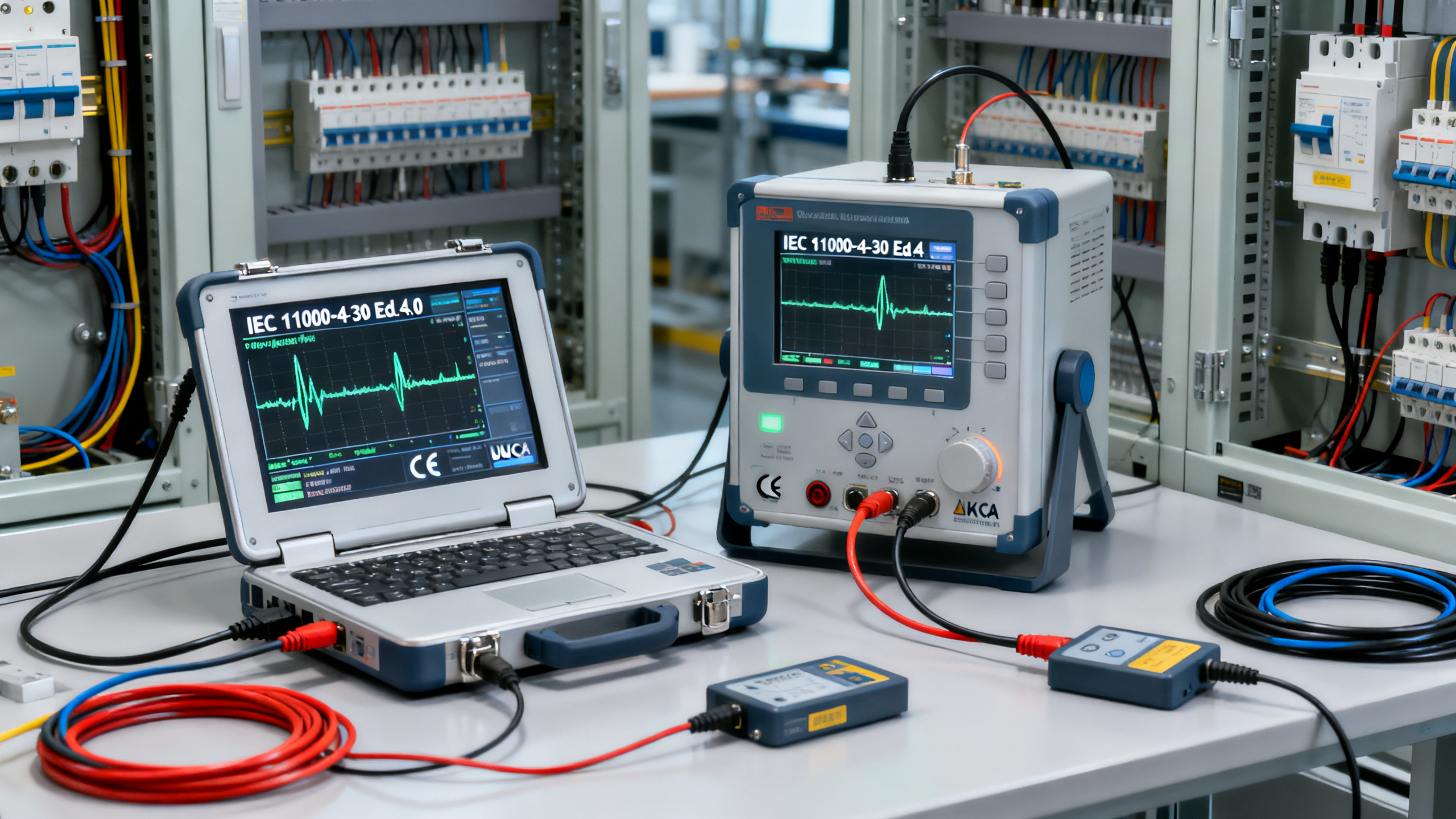
On 2026-07-14, IEC published Edition 4.0 of IEC 61000-4-30, updating power quality measurement methods in areas including harmonic and interharmonic analysis, flicker assessment, and voltage event classification. For manufacturers, exporters, testing bodies, procurement teams, and distributors involved with portable and fixed power quality analyzers, the key point is that compliance with this edition is required for CE and UKCA marking for products sold in the EU and UK from 1 January 2027. This is worth close attention because it links a technical measurement standard directly to market access and product delivery conditions.
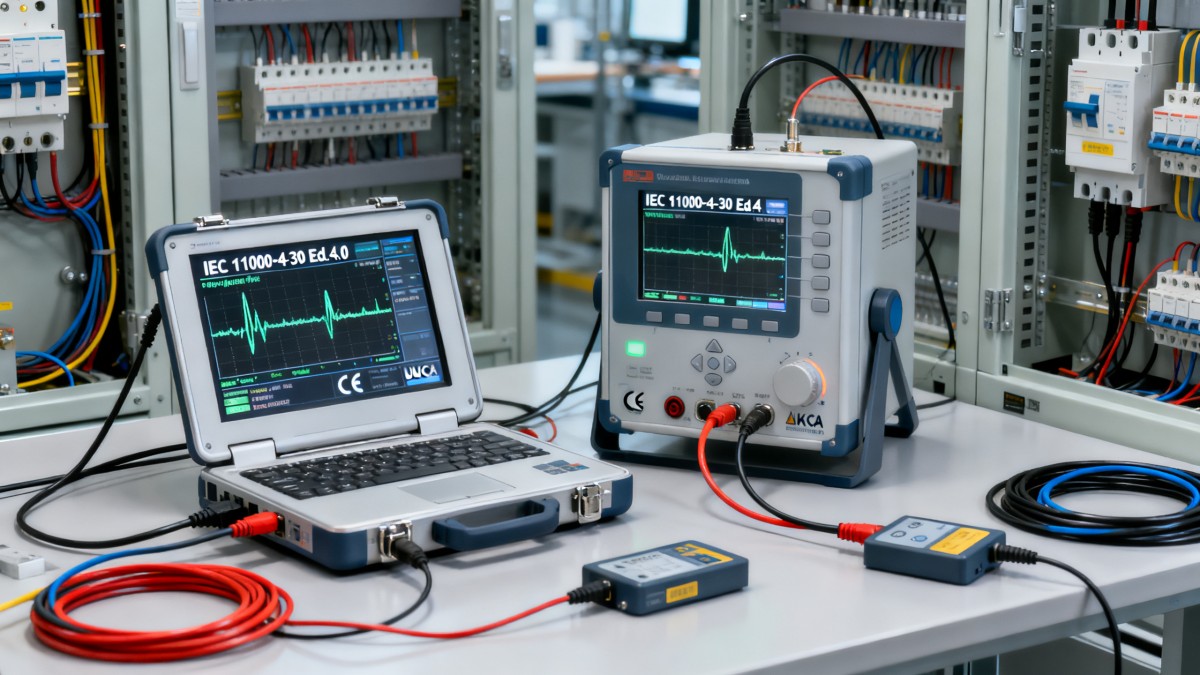
What the published update confirms
The confirmed facts are limited but clear. IEC has released IEC 61000-4-30 Edition 4.0 (2026). The update revises measurement methods for power quality, specifically covering harmonic interharmonic analysis, flicker assessment, and voltage event classification. The same update also establishes that compliance is required for CE and UKCA marking of portable and fixed power quality analyzers sold in the EU and UK starting from 1 January 2027.
Where the immediate pressure is likely to appear
Product manufacturers face a direct compliance checkpoint
From an industry perspective, manufacturers of portable and fixed PQ analyzers are the first group likely to feel the effect of this change because CE and UKCA marking are tied to product placing and sale in the relevant markets. The practical impact is likely to center on product verification, technical documentation, existing test methods, and whether current models can still support conformity claims under the revised measurement requirements.
Export and channel teams need to reassess shipment readiness
For exporters, distributors, and channel partners serving the EU and UK, the issue is less about the publication itself and more about whether products scheduled for future sale remain aligned with the updated standard. What deserves closer attention is the possible effect on shipment planning, market entry timing, and documentation review for products expected to rely on CE or UKCA marking after 1 January 2027.
Testing and certification-related service providers may see a documentation shift
Testing organizations and other compliance-related service providers are also likely to be affected because revised measurement methods can change how conformity evidence is prepared and assessed. Analysis shows that attention may need to move toward report format, technical interpretation, and consistency between product claims and the updated standard language, even though the provided information does not specify detailed execution procedures.
Procurement teams may need tighter specification alignment
For buyers, project procurement teams, and specification owners, the update matters because power quality analyzers are often purchased against technical requirements rather than only price or delivery terms. Observably, the immediate risk is a gap between tender or purchasing specifications and the new compliance expectation tied to CE and UKCA marking, especially where product acceptance depends on formal conformity evidence.
What companies should review now
Check whether current conformity files still align
Analysis shows that companies selling affected analyzers into the EU or UK should review whether existing conformity materials, test references, and technical files are still aligned with IEC 61000-4-30 Edition 4.0. The input does not provide implementation detail beyond the compliance requirement and date, so this should be treated as a review priority rather than a confirmed documentation outcome.
Track how the requirement appears in commercial documents
What deserves closer attention is how the new edition is reflected in quotations, technical annexes, procurement specifications, bid documents, and shipment documentation. Even without further official detail in the input, businesses should watch for changes in customer-side wording that make Edition 4.0 a practical precondition for acceptance, delivery, or market placement.
Revisit delivery schedules for products aimed at the 2027 market window
Observably, the timing element is important because the compliance requirement is tied to sales in the EU and UK from 1 January 2027. Companies with long production cycles, staged deliveries, or distributor inventory planning may need to examine whether product batches intended for that market window require additional compliance preparation before release.
Keep after-sales and traceability teams in the loop
From an industry perspective, after-sales and quality traceability functions should also pay attention. Where customers later question product suitability or conformity basis, the ability to identify which standard edition supported a given product file, report set, or market placement decision may become commercially important, even though the input does not provide any specific enforcement case.
Why this reads as an execution signal, not just a standards update
This section is an observation. It is more appropriate to understand this development as a rule-to-market signal rather than only a technical standards revision, because the information provided explicitly connects Edition 4.0 compliance with CE and UKCA marking from a stated future date. At the same time, it should not yet be overstated as a fully detailed enforcement framework, since the input does not provide further official interpretation, transition guidance, or certification practice details. That is why continued attention to implementation language, conformity assessment practice, and market-side document updates remains necessary.
How the market should read the change for now
In practical terms, this update indicates that IEC 61000-4-30 Edition 4.0 is no longer only a technical reference point for power quality measurement discussions; it now has a defined compliance relevance for portable and fixed PQ analyzers sold in the EU and UK from 1 January 2027. The most balanced reading at this stage is that the market has received a clear direction of travel and a concrete compliance trigger date, while many execution details still need to be watched through customer requirements, conformity practice, and downstream procurement language.
Basis of this article and what still needs verification
This article is generated on the basis of the user-provided news title, event date, and event summary. For developments of this kind, commonly relevant source types may include official announcements, regulator publications, trade or customs authority notices, industry association updates, standards organization documents, and reporting by established professional media. No specific official source link was provided in the input, so the exact official source link remains to be verified. Observably, the items that still require continued checking include any further implementation detail, certification interpretation, changes in tender and procurement documents, market feedback, and how affected companies execute the transition in practice.
Technical Specifications
- How to Select Electronic Hotel Key Card Locks for Guest Rooms and Staff AreasAuthor :Safety Compliance Lead
- How to Select Lab Instruments for Reliable Chemical Analysis WorkflowsAuthor :Precision Metrology Expert
- How to Size a UPS for Server Rooms: Load, Runtime, and Redundancy FactorsAuthor :Grid Infrastructure Analyst
Expert Insights

Chief Security Architect
Dr. Thorne specializes in the intersection of structural engineering and digital resilience. He has advised three G7 governments on industrial infrastructure security.
Related Analysis
- Sep 17, 2026How to Select Electronic Hotel Key Card Locks for Guest Rooms and Staff AreasAuthor :Safety Compliance Lead
- Sep 16, 2026How to Select Lab Instruments for Reliable Chemical Analysis WorkflowsAuthor :Precision Metrology Expert
- Sep 15, 2026How to Size a UPS for Server Rooms: Load, Runtime, and Redundancy FactorsAuthor :Grid Infrastructure Analyst
Core Sector // 01
Security & Safety
- What to Check When Sourcing Vibration Meters Wholesale for Industrial MaintenanceAuthor :Precision Metrology Expert

- How to Select Process Control Instruments for Accuracy, Safety, and UptimeAuthor :Precision Metrology Expert

- What Should Standards Compliance Analysis Training Cover Before an Audit?Author :Precision Metrology Expert

- Why Do Pressure Instruments Fail in High-Vibration Sites?Author :Precision Metrology Expert

- Is FM Software Integration Needed for Overseas Instrument Maintenance?Author :Precision Metrology Expert

- What Are the Differences Between Lab and Field Testing Equipment?Author :Precision Metrology Expert

- Is Independent Testing Necessary for Critical Safety Components?Author :Precision Metrology Expert

- How to Validate Industrial Application Scenarios Before ProcurementAuthor :Precision Metrology Expert