Industrial Buyer Standards Explained: What to Check Before Approving a Vendor
Author
Date Published
Reading Time
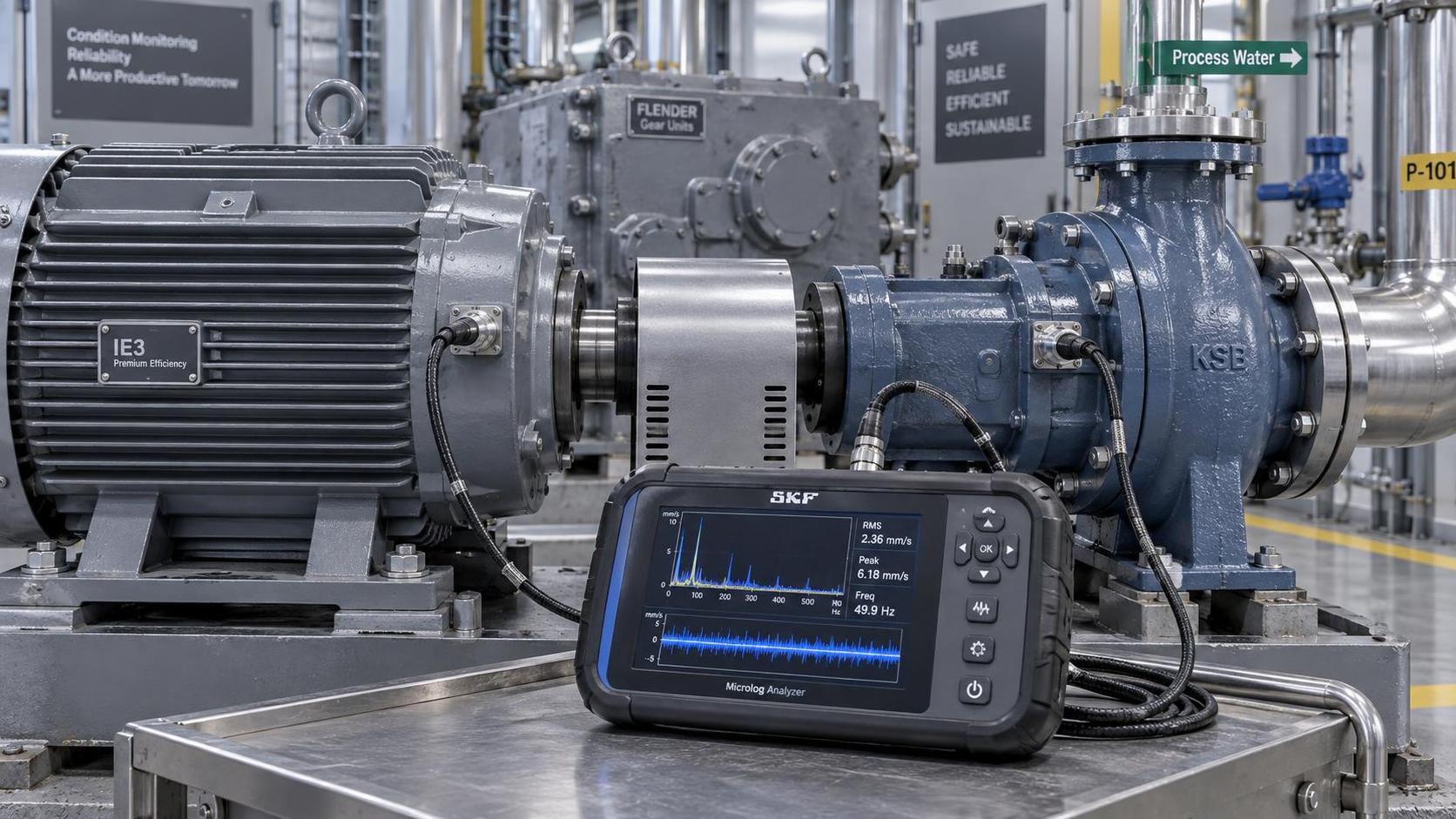
Vendor approval in industrial supply chains is rarely a pricing exercise alone. A supplier may quote competitively, yet still create hidden exposure through weak compliance control, unstable production, poor traceability, or slow corrective action. That is why industrial buyer standards matter. They turn vendor selection into a structured review of risk, performance, and long-term operational fit.
In sectors tied to safety systems, power infrastructure, measurement accuracy, environmental protection, and mechanical reliability, the cost of a poor approval decision can extend far beyond a delayed shipment. It can affect uptime, audit outcomes, maintenance cycles, and even site safety. A solid approval framework helps separate acceptable vendors from reliable industrial partners.
Why industrial buyer standards now carry more weight
Industrial sourcing has become more complex in the past few years. Supply chains stretch across regions, regulations shift faster, and buyers often need evidence that a vendor can support performance under demanding operating conditions.
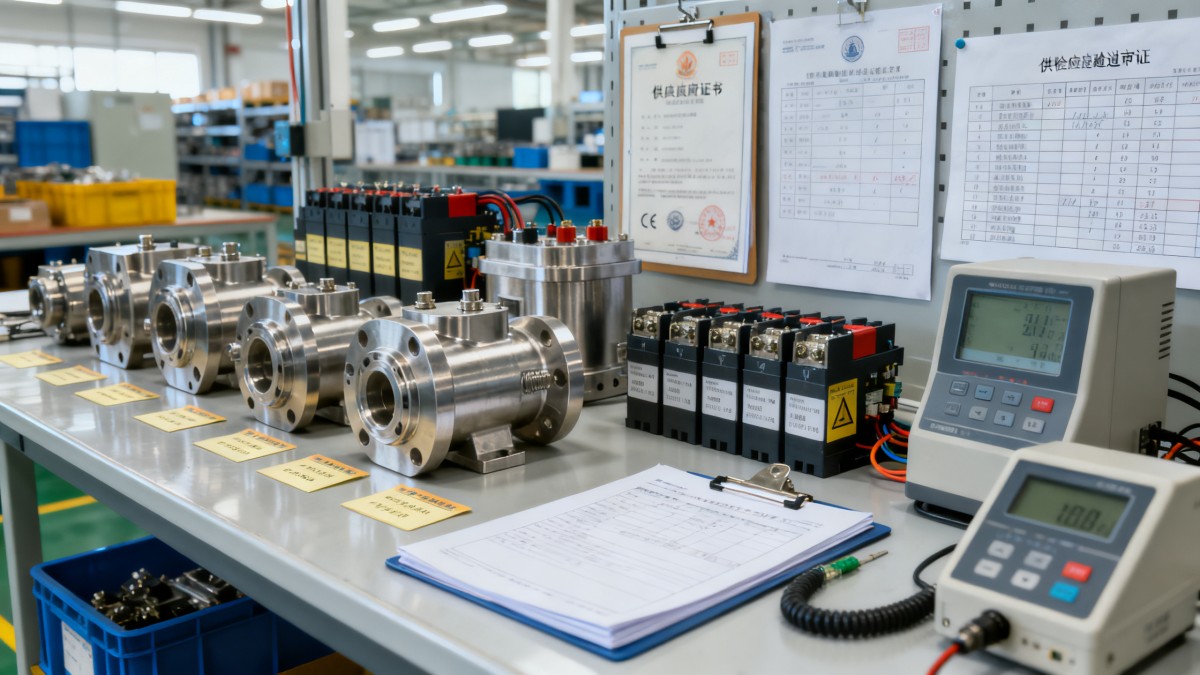
The pressure is especially visible in projects involving EPC delivery, plant upgrades, retrofit programs, and critical replacement parts. In these settings, industrial buyer standards help create a common approval language across technical, commercial, quality, and compliance reviews.
This is also where a research-driven source such as Global Industrial Core (GIC) becomes relevant. GIC frames procurement around foundational industrial systems, where certification validity, field reliability, and technical documentation often matter more than headline unit price.
What industrial buyer standards actually mean
At a practical level, industrial buyer standards are the internal and external benchmarks used to decide whether a supplier is fit for approved business. They usually combine regulatory requirements, customer-specific expectations, and evidence from real operating performance.
These standards are not limited to formal certifications. They also include process discipline, material consistency, inspection records, production capacity, packaging integrity, logistics resilience, and after-sales responsiveness.
In other words, approval should answer a broader question: can this vendor repeatedly deliver conforming products, in the right quantity, with the right documentation, under the conditions your business actually faces?
The first screen: compliance and documentation
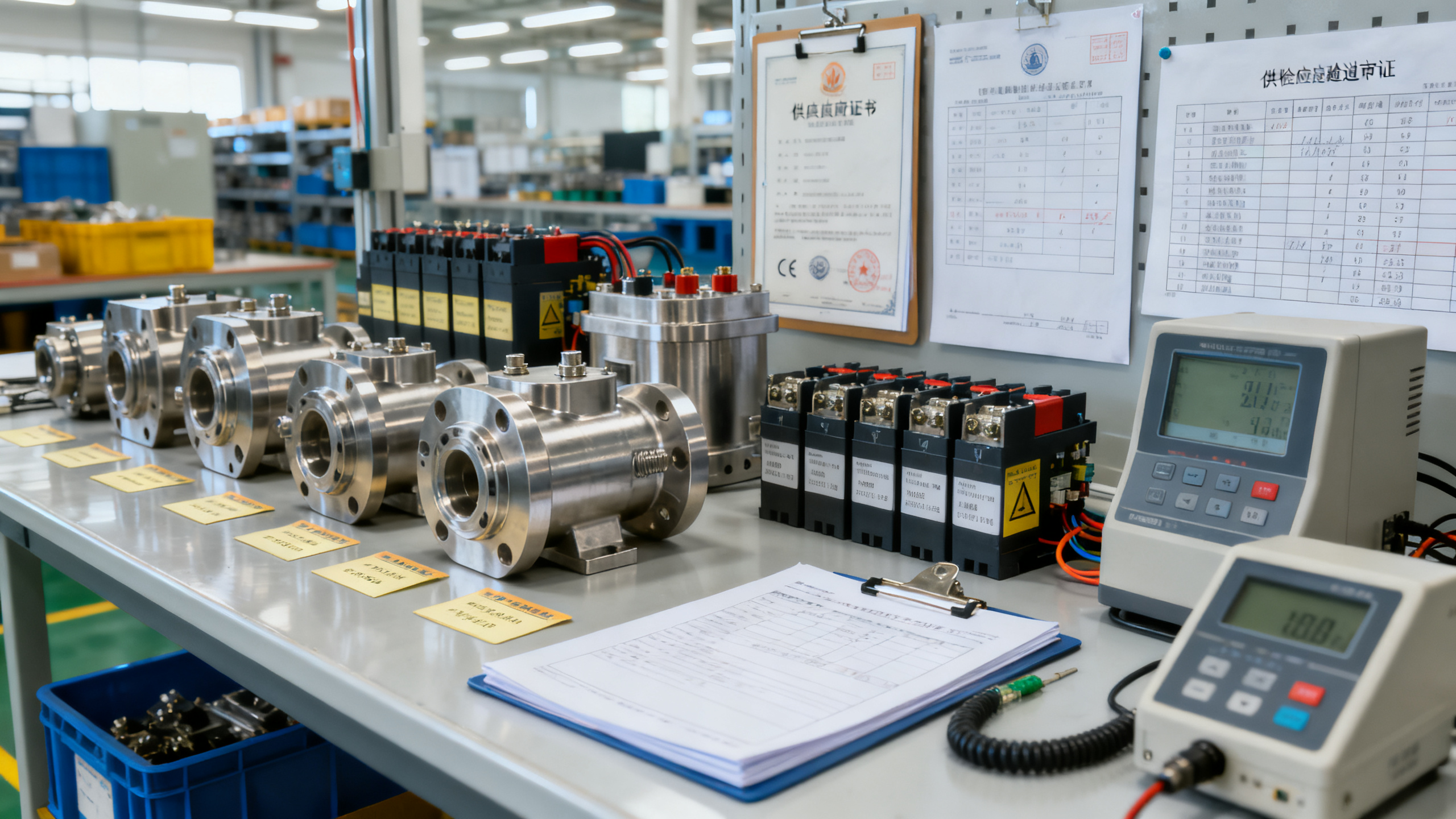
Before deeper commercial comparison, the approval process usually starts with documentation integrity. Missing, expired, inconsistent, or unverifiable records are often early warning signs.
The most relevant checks depend on the category, but several items appear frequently:
- Valid CE, UL, ISO, or category-specific certifications where required
- Material test reports, calibration records, and inspection certificates
- Declaration of conformity linked to exact product models
- Traceability by batch, heat number, serial number, or lot code
- Document control procedures for revisions, superseded drawings, and version history
A common mistake is treating certificates as enough on their own. Strong industrial buyer standards also ask whether the vendor can explain how those documents connect to current production, subcontracted operations, and shipped goods.
Questions that reveal documentation risk
Look for alignment between product scope and certificate scope. A plant-level certification does not automatically validate every item supplied from that facility.
It also helps to confirm who owns testing, where records are stored, how quickly they can be retrieved, and whether third-party reports are recent and relevant.
Production consistency matters as much as product quality
A technically acceptable sample does not guarantee dependable serial supply. One of the most useful industrial buyer standards is the distinction between item quality and process capability.
Production consistency can be assessed through audit evidence, defect history, process controls, and change management. If a vendor cannot hold tolerances or maintain stable incoming material quality, approval risk increases quickly.
Where tolerances are tight or safety consequences are high, buyers often need more than a quality manual. They need confidence that repeatability exists under normal volume, not just during pre-audit preparation.
Capability looks different across industrial categories
Not every product group should be evaluated with the same weighting. Industrial buyer standards become more useful when adapted to application context.
Security and safety equipment
Certification authenticity, fail-safe performance, environmental resistance, and maintenance support usually deserve priority. Response documentation for incidents also matters.
Instruments and measurement
Calibration traceability, accuracy stability, drift behavior, and software or firmware control are central. Small documentation gaps can become major data reliability problems later.
Electrical and power grid components
Heat performance, insulation integrity, fault tolerance, and compliance with regional electrical standards should be reviewed against actual operating loads.
Environment and ecology products
Chemical compatibility, emissions performance, disposal compliance, and lifecycle documentation often affect approval just as much as basic functionality.
Mechanical components and metallurgy
Material origin, heat treatment control, hardness consistency, corrosion resistance, and fatigue performance usually separate a credible supplier from a risky one.
Delivery reliability is part of vendor quality
Industrial buyer standards should not end at technical acceptance. On-time delivery, packaging quality, export readiness, and communication discipline all shape total supply reliability.
A vendor may produce acceptable goods yet still fail operationally through poor lead-time control or weak disruption planning. This matters more in shutdown windows, multi-site rollouts, and capital projects with tight installation sequences.
- Review average lead times against promised lead times
- Check whether buffer capacity exists for urgent orders
- Confirm packaging standards for moisture, impact, and corrosion exposure
- Assess shipping document accuracy for customs and receiving teams
- Verify contingency plans for raw material shortages or logistics delays
In practice, delivery performance is often one of the clearest indicators of whether a supplier can support strategic business continuity.
What to look for after the purchase order is placed
Approval should include post-sale behavior, not only pre-award credentials. The strongest industrial buyer standards account for how a vendor handles nonconformance, warranty claims, replacement urgency, and root-cause analysis.
A useful sign is whether the supplier has a disciplined corrective action process. Fast replies are helpful, but documented containment and verified recurrence prevention are more important.
This is especially relevant for industrial systems where downtime costs are high. A vendor that can support troubleshooting, spare parts continuity, and technical clarification often delivers greater value than one with a lower initial quote.
A practical approval lens for real business decisions
The most effective industrial buyer standards are specific enough to control risk, yet flexible enough to reflect category differences and project priorities.
A workable review model usually combines four perspectives:
- Compliance: certifications, legal requirements, audit readiness
- Capability: process stability, technical competence, production controls
- Continuity: supply resilience, lead-time predictability, change management
- Support: issue response, documentation quality, service after delivery
That structure aligns well with the broader sourcing logic used by GIC, where infrastructure-grade procurement is evaluated through safety, precision, reliability, and operating resilience rather than cost alone.
Before the next approval cycle, it is worth reviewing whether current vendor criteria truly reflect field risk, documentation depth, and supply continuity. Refined industrial buyer standards make future comparisons clearer, strengthen audit confidence, and support better decisions when pressure is highest.
Technical Specifications
- How to Select Electronic Hotel Key Card Locks for Guest Rooms and Staff AreasAuthor :Safety Compliance Lead
- How to Select Lab Instruments for Reliable Chemical Analysis WorkflowsAuthor :Precision Metrology Expert
- How to Size a UPS for Server Rooms: Load, Runtime, and Redundancy FactorsAuthor :Grid Infrastructure Analyst
Expert Insights

Chief Security Architect
Dr. Thorne specializes in the intersection of structural engineering and digital resilience. He has advised three G7 governments on industrial infrastructure security.
Related Analysis
- Sep 17, 2026How to Select Electronic Hotel Key Card Locks for Guest Rooms and Staff AreasAuthor :Safety Compliance Lead
- Sep 16, 2026How to Select Lab Instruments for Reliable Chemical Analysis WorkflowsAuthor :Precision Metrology Expert
- Sep 15, 2026How to Size a UPS for Server Rooms: Load, Runtime, and Redundancy FactorsAuthor :Grid Infrastructure Analyst
Core Sector // 01
Security & Safety
- What to Check When Sourcing Vibration Meters Wholesale for Industrial MaintenanceAuthor :Precision Metrology Expert

- How to Select Process Control Instruments for Accuracy, Safety, and UptimeAuthor :Precision Metrology Expert

- What Should Standards Compliance Analysis Training Cover Before an Audit?Author :Precision Metrology Expert

- Why Do Pressure Instruments Fail in High-Vibration Sites?Author :Precision Metrology Expert

- Is FM Software Integration Needed for Overseas Instrument Maintenance?Author :Precision Metrology Expert

- What Are the Differences Between Lab and Field Testing Equipment?Author :Precision Metrology Expert

- Is Independent Testing Necessary for Critical Safety Components?Author :Precision Metrology Expert

- How to Validate Industrial Application Scenarios Before ProcurementAuthor :Precision Metrology Expert