Are lux meters bulk orders cheaper for site audits?
Author
Date Published
Reading Time
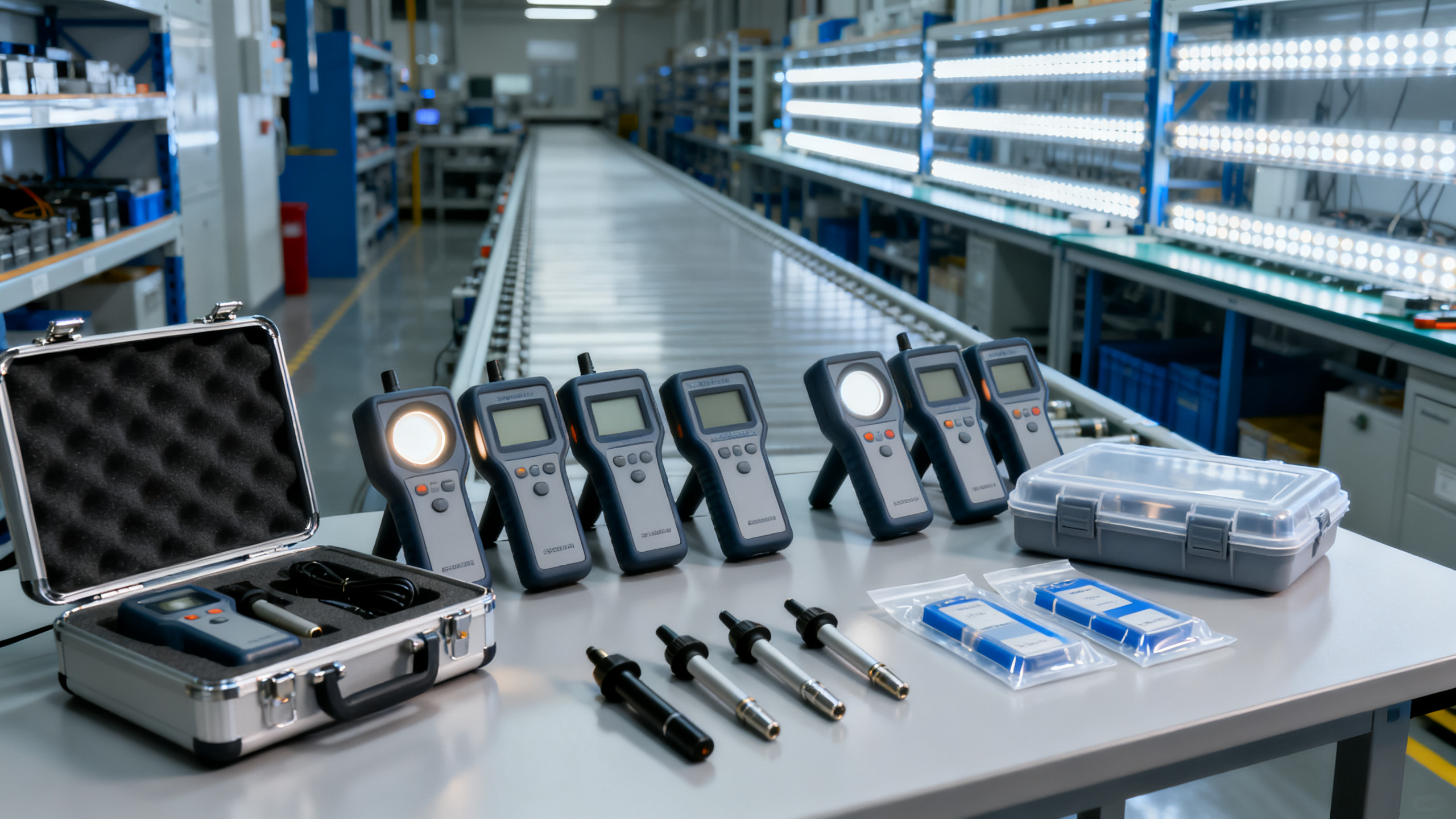
For procurement teams planning large-scale site audits, buying lux meters bulk can look like an easy way to reduce unit costs—but the real savings depend on accuracy requirements, calibration needs, compliance standards, and deployment scale. Whether you are auditing warehouses, factories, offices, or safety-critical facilities, choosing the right quantity and specification can directly affect inspection efficiency and reporting reliability. This guide explores when bulk purchasing lux meters is genuinely cheaper, what hidden costs to consider, and how buyers can make a smarter sourcing decision.
When does buying lux meters bulk actually reduce audit costs?
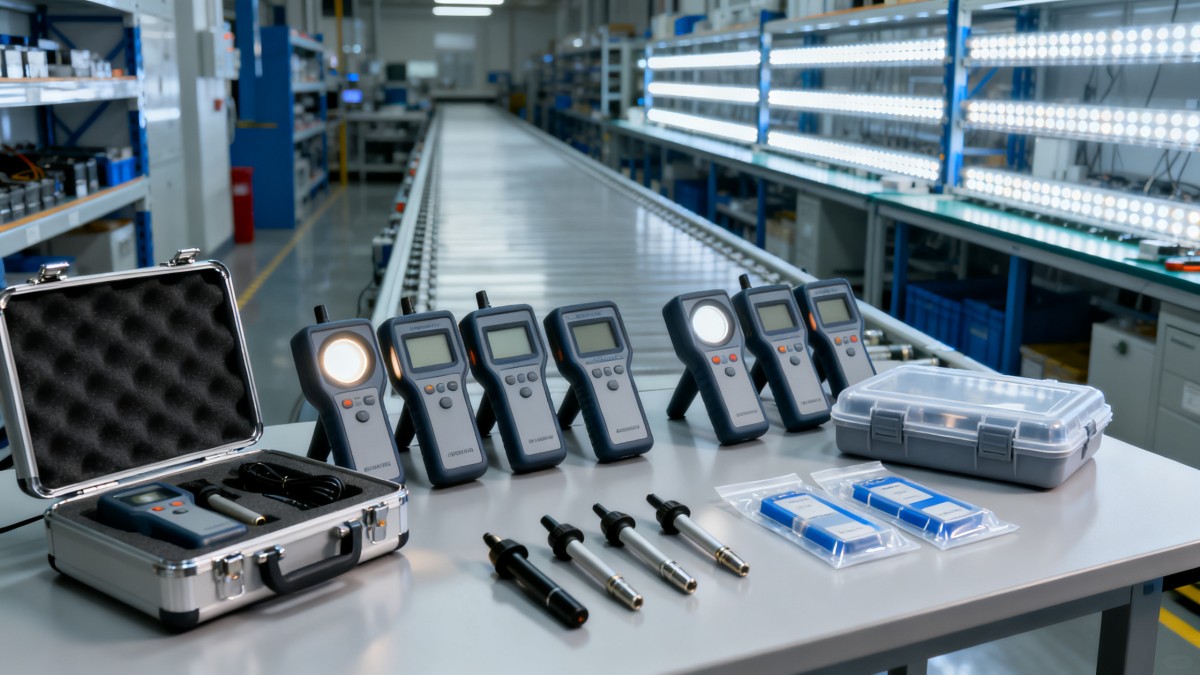
Bulk pricing is only one part of the procurement equation. For site audits, the cost advantage appears when the devices match the audit workflow, reporting standard, and operator skill level.
A procurement team should not compare lux meters bulk only by unit price. A cheaper meter with poor repeatability can create rework, disputed readings, and delayed compliance reporting.
Typical savings drivers in bulk purchasing
- Volume discounts reduce the purchase price when the same specification is ordered for multiple audit teams or facilities.
- Standardized models simplify training, spare battery planning, calibration tracking, and internal quality control.
- Consolidated purchasing can reduce freight cost, supplier communication time, and invoice administration.
- A shared device specification makes audit data easier to compare across warehouses, workshops, offices, and production lines.
However, the business case weakens when teams buy more units than they can deploy, or when the meters lack calibration documentation required by the client or regulator.
Bulk purchase versus small batch: which option fits your audit model?
Before approving lux meters bulk, procurement managers should map the audit model. A one-time office survey has different requirements from recurring safety inspections in industrial facilities.
The following comparison helps clarify when bulk purchasing is financially and operationally justified.
Bulk purchasing is most attractive when audit frequency is predictable. If the project scope is uncertain, staged procurement may be safer than ordering all lux meters bulk at once.
What specifications matter most for procurement teams?
A lux meter measures illuminance, usually in lux. For industrial and commercial audits, procurement should focus on accuracy, range, response behavior, data handling, and calibration support.
When sourcing lux meters bulk, specifications should be tied to actual audit conditions, not copied from a generic online product page.
For procurement personnel, the safest approach is to define minimum and preferred specifications. This prevents suppliers from quoting lux meters bulk that are cheap but unsuitable.
Hidden costs that can erase a bulk discount
A bulk discount may look attractive during quotation review. Yet the total cost of ownership includes calibration, accessories, maintenance, documentation, and operator productivity.
Costs to verify before issuing a purchase order
- Confirm whether calibration certificates are included, optional, or priced per unit after shipment.
- Check battery type, expected battery life, replacement availability, and charger requirements for field teams.
- Review carrying cases, sensor caps, tripods, and protective packaging if audits involve travel between sites.
- Ask whether the supplier can provide serial number lists for asset registration and calibration scheduling.
- Estimate downtime if units must be returned for verification during peak audit periods.
The cheapest lux meters bulk quotation can become expensive when accessories are missing or calibration is treated as an afterthought. Procurement should compare delivered readiness, not just device price.
How to match lux meters bulk orders to audit scenarios
Different facilities require different measurement discipline. Offices need comfort and productivity checks, while industrial plants often need safety, inspection access, and emergency lighting verification.
The table below links common site audit environments with practical purchasing decisions for lux meters bulk.
Procurement teams should avoid a single low-end specification for every location. A mixed bundle may be better when professional auditors handle high-risk zones.
Compliance, calibration, and documentation: what buyers should request
Lighting audits often support workplace safety, energy reviews, facility handover, or maintenance planning. Documentation quality can be as important as the lux meter itself.
Common documentation requirements
- Product datasheets showing measurement range, resolution, accuracy tolerance, operating conditions, and battery information.
- Calibration certificates or traceability statements where audit reports require defensible measurement records.
- CE, RoHS, or other applicable compliance documents where regional import or internal procurement policies require them.
- Serial number documentation to support asset tagging, user allocation, and recalibration reminders.
International projects may also reference workplace lighting guidance, occupational safety practices, or internal engineering specifications. Buyers should define these requirements before requesting lux meters bulk quotations.
Global Industrial Core helps procurement teams frame these technical requirements clearly, especially when sourcing instruments across regions with different compliance expectations.
A practical procurement workflow for lux meters bulk
A structured workflow reduces specification errors and prevents rushed purchasing. It also helps purchasing departments defend their decisions to engineering, safety, and finance teams.
This workflow is especially useful for EPC contractors, facility groups, and industrial procurement directors managing multiple stakeholders under tight delivery timelines.
Cost scenarios: when bulk is cheaper, and when it is not
Bulk purchasing becomes cheaper when the quantity matches actual usage and the selected specification reduces downstream errors. It is not cheaper if the units remain unused.
Bulk purchasing is usually justified when:
- Several audit teams need meters at the same time to cover many buildings or production areas.
- The company repeats lighting audits quarterly, annually, or after major lighting upgrades.
- Standardized readings are needed across different branches, contractors, or project phases.
- The supplier can provide consistent documentation, stable lead time, and replacement availability.
Bulk purchasing may not be justified when:
- The audit is a one-off survey with limited measurement points and no future maintenance need.
- Project specifications are still changing, making early lux meters bulk orders risky.
- Only a few certified instruments are needed for high-stakes reporting rather than many basic units.
In some cases, procurement can combine a small number of higher-spec meters with standard field units. This balances reporting credibility and budget control.
Common mistakes in lux meters bulk sourcing
Many purchasing errors begin with a simple question: “Which supplier offers the lowest unit price?” That question is useful, but incomplete for measurement instruments.
Mistake 1: ignoring calibration timing
If calibration expires before the main audit window, the team may need urgent recertification. Confirm certificate issue date and recommended recalibration interval before buying.
Mistake 2: choosing one device for every user
A maintenance technician, safety auditor, and commissioning engineer may need different functions. Lux meters bulk can still include tiered specifications by role.
Mistake 3: forgetting report requirements
If audit reports require timestamps, site IDs, or traceable records, a basic meter without logging may slow the process and increase manual data errors.
FAQ for buyers comparing lux meters bulk quotations
How many lux meters should a procurement team order for a site audit?
Start with the number of audit teams, shifts, and zones measured simultaneously. Add a reasonable spare quantity for failure, recalibration, and urgent redeployment.
Are cheaper lux meters bulk units acceptable for industrial audits?
They may be acceptable for preliminary checks, but professional reports need appropriate accuracy, repeatability, and documentation. Low-cost units should be validated before full deployment.
Should every unit include a calibration certificate?
For internal screening, batch verification may be enough in some organizations. For compliance reporting, client acceptance, or safety-critical sites, unit-level traceability is often preferred.
What lead time should buyers expect?
Lead time depends on quantity, calibration requirements, documentation, and logistics route. Buyers should confirm stock status, certificate preparation time, and shipment milestones.
Why choose Global Industrial Core for sourcing guidance?
Global Industrial Core supports procurement teams that need more than a price list. Instrument selection affects safety records, facility performance, and audit credibility.
For lux meters bulk decisions, GIC can help clarify specification priorities, compare sourcing options, review documentation needs, and align procurement with site audit workflows.
Buyers can consult GIC for parameter confirmation, product selection logic, calibration planning, delivery cycle evaluation, certification requirements, sample support, and quotation communication.
If your team is preparing multi-site lighting audits, request a structured lux meters bulk sourcing review before placing the order. The right specification can save more than the discount itself.
Technical Specifications
- How to Select Electronic Hotel Key Card Locks for Guest Rooms and Staff AreasAuthor :Safety Compliance Lead
- How to Select Lab Instruments for Reliable Chemical Analysis WorkflowsAuthor :Precision Metrology Expert
- How to Size a UPS for Server Rooms: Load, Runtime, and Redundancy FactorsAuthor :Grid Infrastructure Analyst
Expert Insights

Chief Security Architect
Dr. Thorne specializes in the intersection of structural engineering and digital resilience. He has advised three G7 governments on industrial infrastructure security.
Related Analysis
- Sep 17, 2026How to Select Electronic Hotel Key Card Locks for Guest Rooms and Staff AreasAuthor :Safety Compliance Lead
- Sep 16, 2026How to Select Lab Instruments for Reliable Chemical Analysis WorkflowsAuthor :Precision Metrology Expert
- Sep 15, 2026How to Size a UPS for Server Rooms: Load, Runtime, and Redundancy FactorsAuthor :Grid Infrastructure Analyst
Core Sector // 01
Security & Safety
- What to Check When Sourcing Vibration Meters Wholesale for Industrial MaintenanceAuthor :Precision Metrology Expert

- How to Select Process Control Instruments for Accuracy, Safety, and UptimeAuthor :Precision Metrology Expert

- What Should Standards Compliance Analysis Training Cover Before an Audit?Author :Precision Metrology Expert

- Why Do Pressure Instruments Fail in High-Vibration Sites?Author :Precision Metrology Expert

- Is FM Software Integration Needed for Overseas Instrument Maintenance?Author :Precision Metrology Expert

- What Are the Differences Between Lab and Field Testing Equipment?Author :Precision Metrology Expert

- Is Independent Testing Necessary for Critical Safety Components?Author :Precision Metrology Expert

- How to Validate Industrial Application Scenarios Before ProcurementAuthor :Precision Metrology Expert