Is industrial instrumentation for safety compliance enough?
Author
Date Published
Reading Time
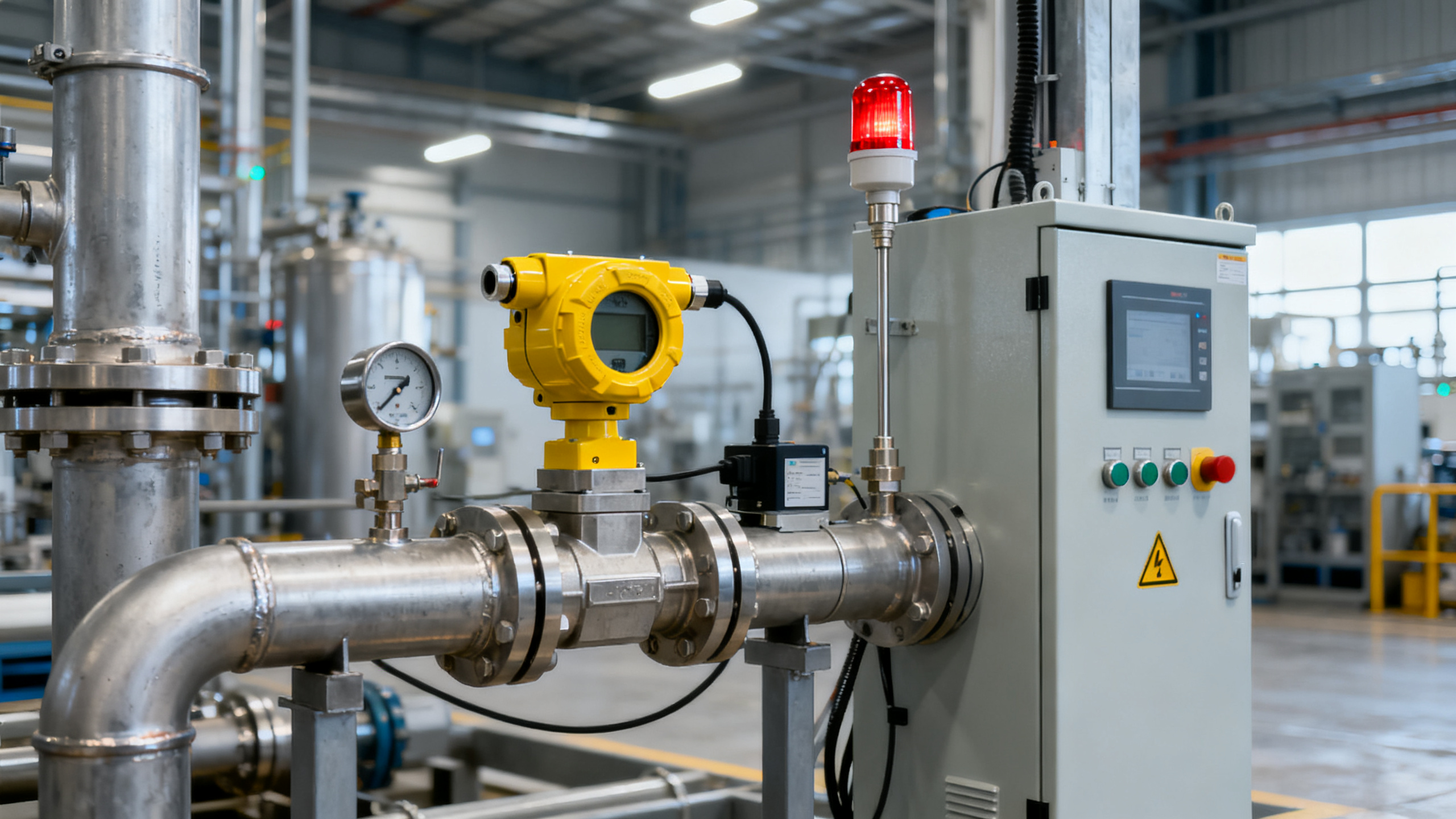
Industrial instrumentation for safety compliance is essential—but it is not a complete safety strategy by itself.
Across process plants, utilities, logistics hubs, and advanced manufacturing, compliant devices are becoming the baseline, not the differentiator.
Sensors, meters, alarms, analyzers, and recorders help prove conformity. Yet real protection depends on specification, calibration, integration, and interpretation.
The question is no longer whether industrial instrumentation for safety compliance is required. The sharper question is whether it remains reliable under pressure.
Compliance Instruments Are Becoming the Starting Line
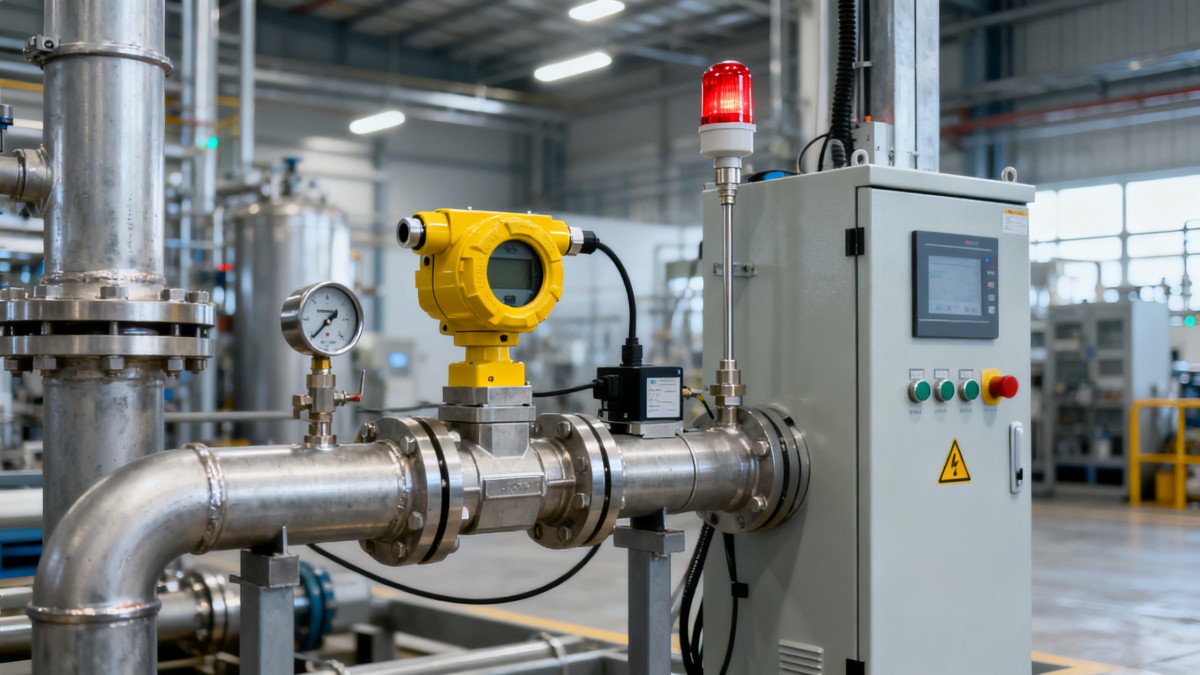
Industrial sites now operate under tighter scrutiny from regulators, insurers, customers, and internal governance teams.
This has increased investment in industrial instrumentation for safety compliance across hazardous areas, production lines, energy systems, and environmental monitoring points.
However, certification alone does not guarantee field performance. A CE, UL, ISO, or ATEX reference confirms only part of the safety case.
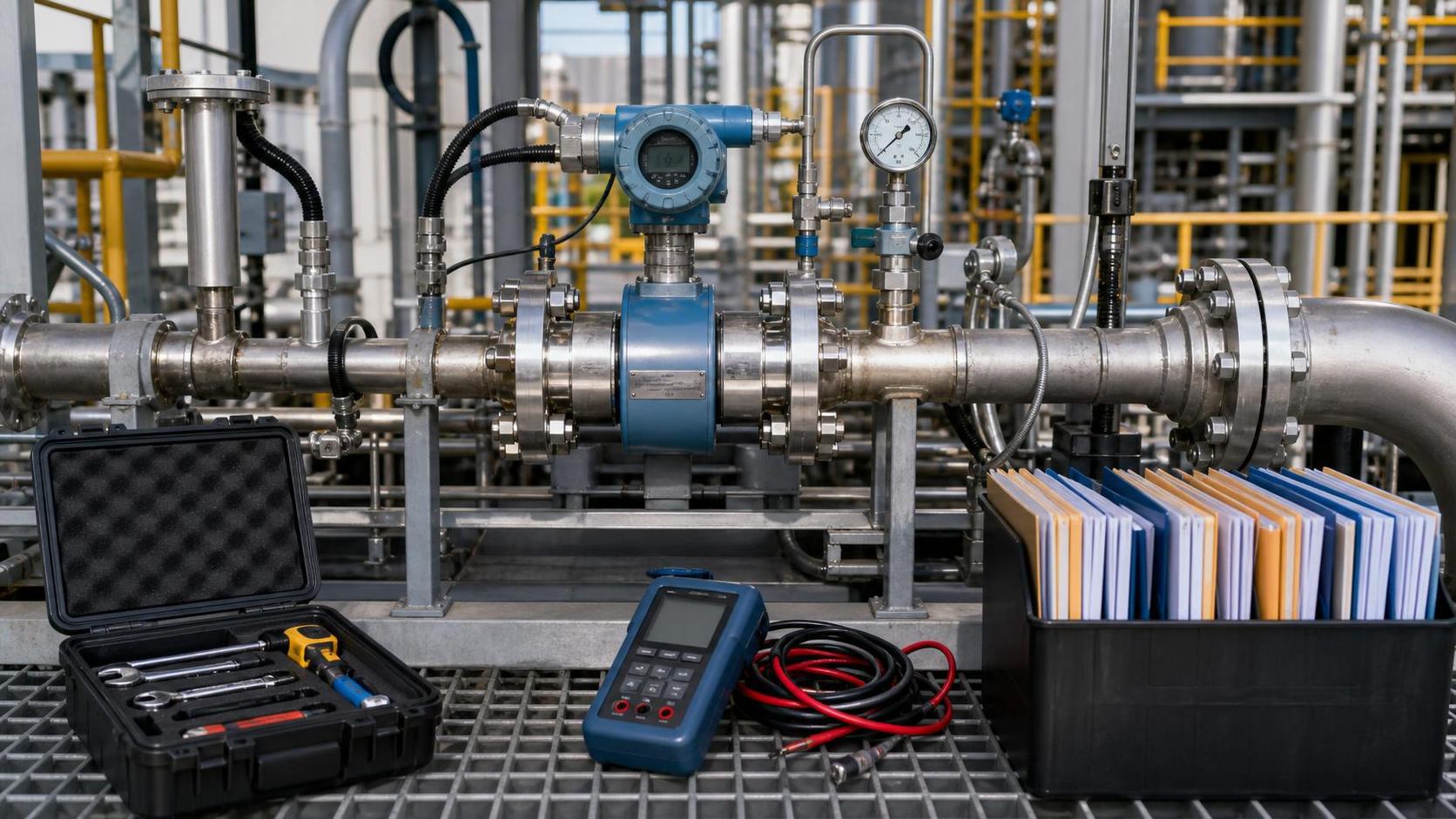
A pressure transmitter may be certified, but incorrectly ranged. A gas detector may be approved, but poorly positioned.
A temperature sensor may pass inspection, yet drift beyond tolerance between calibration intervals.
This gap explains why many facilities are moving beyond box-ticking compliance toward lifecycle assurance.
Trend Signals Show a Shift from Devices to Safety Evidence
The industrial market is changing from equipment ownership to evidence-based risk control.
Industrial instrumentation for safety compliance now needs to support traceability, audit readiness, incident investigation, and predictive maintenance.
This is visible in power grids, chemical plants, food processing, mining, marine facilities, and pharmaceutical environments.
Several signals are accelerating this transition:
- Audits now ask for calibration history, not only instrument certificates.
- Digital systems are expected to preserve alarm and event records.
- Insurance reviews increasingly examine maintenance discipline and failure response.
- Environmental rules require continuous, defensible measurement data.
- Cybersecurity is becoming part of instrumentation risk management.
In this environment, industrial instrumentation for safety compliance must prove both technical conformity and operational credibility.
Why Basic Compliance Is No Longer Enough
Many incidents occur despite the presence of approved instruments. The problem is rarely the device alone.
Failures often emerge from incorrect assumptions around environment, process dynamics, human response, and system integration.
These forces make industrial instrumentation for safety compliance more strategic than before.
The instrument is no longer only a measurement point. It is part of a verified risk control chain.
Hidden Risk Areas Behind Compliant Instrumentation
A compliant instrument can still fail to protect if it is applied incorrectly.
Industrial instrumentation for safety compliance must be evaluated against site-specific hazards, not only general product approvals.
Incorrect Specification
Wrong range, material, enclosure rating, or response time can undermine a safety function.
For example, corrosive atmospheres demand suitable wetted materials and enclosure protection.
Calibration Drift
Calibration is not administrative paperwork. It determines whether the displayed value reflects reality.
Industrial instrumentation for safety compliance should follow risk-based calibration intervals, not generic schedules.
Alarm Overload
Too many alarms reduce response quality. Operators may miss the signal that matters most.
Alarm rationalization, prioritization, and response testing are essential safeguards.
Data Integrity Gaps
If records are incomplete or altered, compliance evidence becomes weak.
Secure logs, access control, and validation rules strengthen safety decisions.
Impacts Across Operations, Quality, and Asset Reliability
The limitations of basic compliance affect multiple business functions.
In production, weak measurement reliability can cause shutdowns, waste, or unsafe operating windows.
In quality control, unreliable readings can distort batch release, product conformity, and traceability.
In maintenance, poor instrument health visibility increases unplanned interventions and emergency work.
In environmental compliance, questionable readings can trigger disputes, penalties, or reputational damage.
This makes industrial instrumentation for safety compliance a cross-functional concern.
- Operations need fast, trusted signals.
- Engineering needs correct architecture and redundancy.
- Quality teams need defensible records.
- Maintenance teams need instrument health visibility.
- Leadership needs evidence of risk reduction.
What Stronger Safety Instrumentation Programs Now Include
Modern programs treat instruments as lifecycle assets, not isolated purchases.
Industrial instrumentation for safety compliance should be governed from design through decommissioning.
Key focus areas include:
- Application fit: Confirm process range, response time, materials, and environmental exposure.
- Standards mapping: Link each instrument to applicable ISO, CE, UL, IEC, or local requirements.
- Calibration strategy: Use risk level, drift history, and criticality to define intervals.
- Redundancy design: Avoid single points of failure in critical safety functions.
- Data governance: Protect event logs, audit trails, and configuration records.
- Alarm management: Test alarm logic, escalation paths, and operator response.
These practices turn industrial instrumentation for safety compliance into a measurable safety system.
From Compliance Proof to Resilience Proof
A useful way to judge maturity is to compare compliance proof with resilience proof.
Compliance proof asks whether the device meets a standard. Resilience proof asks whether the safety function survives real conditions.
This shift is central to the future of industrial instrumentation for safety compliance.
Practical Evaluation Points Before the Next Upgrade
Before replacing or expanding instrumentation, sites should evaluate risk context first.
A low-cost device can become expensive if it creates uncertainty during an incident or audit.
Recommended evaluation questions include:
- Which hazards depend on accurate measurement for control?
- Which instruments are safety-critical, quality-critical, or environment-critical?
- Are ranges, materials, and ratings matched to field conditions?
- Is calibration frequency based on risk and historical performance?
- Can alarm events be reconstructed after an incident?
- Are configuration changes controlled and approved?
- Does integration with control systems preserve signal integrity?
These questions expose whether industrial instrumentation for safety compliance is functioning as intended.
How to Build a Stronger Response Strategy
The next step is not always more instrumentation. It is better instrumentation governance.
A staged approach helps balance budget, urgency, and operational disruption.
This framework supports industrial instrumentation for safety compliance while improving operational resilience.
The Better Question: Enough for What Risk?
Industrial instrumentation for safety compliance is enough only when the risk is fully understood and continuously managed.
It is not enough when instruments are selected by certificate alone, maintained by routine alone, or trusted without verification.
The stronger model connects standards, engineering judgement, field data, and disciplined review.
Facilities should begin with a criticality review of installed devices, records, alarms, and integration points.
Then they should prioritize gaps where measurement failure could affect people, assets, production, or environmental performance.
Global Industrial Core supports this shift with technical intelligence across safety, measurement, power, environment, and industrial systems.
For the next upgrade cycle, treat industrial instrumentation for safety compliance as a foundation—not the finish line.
Technical Specifications
- How to Select Electronic Hotel Key Card Locks for Guest Rooms and Staff AreasAuthor :Safety Compliance Lead
- How to Select Lab Instruments for Reliable Chemical Analysis WorkflowsAuthor :Precision Metrology Expert
- How to Size a UPS for Server Rooms: Load, Runtime, and Redundancy FactorsAuthor :Grid Infrastructure Analyst
Expert Insights

Chief Security Architect
Dr. Thorne specializes in the intersection of structural engineering and digital resilience. He has advised three G7 governments on industrial infrastructure security.
Related Analysis
- Sep 17, 2026How to Select Electronic Hotel Key Card Locks for Guest Rooms and Staff AreasAuthor :Safety Compliance Lead
- Sep 16, 2026How to Select Lab Instruments for Reliable Chemical Analysis WorkflowsAuthor :Precision Metrology Expert
- Sep 15, 2026How to Size a UPS for Server Rooms: Load, Runtime, and Redundancy FactorsAuthor :Grid Infrastructure Analyst
Core Sector // 01
Security & Safety
- What to Check When Sourcing Vibration Meters Wholesale for Industrial MaintenanceAuthor :Precision Metrology Expert

- How to Select Process Control Instruments for Accuracy, Safety, and UptimeAuthor :Precision Metrology Expert

- What Should Standards Compliance Analysis Training Cover Before an Audit?Author :Precision Metrology Expert

- Why Do Pressure Instruments Fail in High-Vibration Sites?Author :Precision Metrology Expert

- Is FM Software Integration Needed for Overseas Instrument Maintenance?Author :Precision Metrology Expert

- What Are the Differences Between Lab and Field Testing Equipment?Author :Precision Metrology Expert

- Is Independent Testing Necessary for Critical Safety Components?Author :Precision Metrology Expert

- How to Validate Industrial Application Scenarios Before ProcurementAuthor :Precision Metrology Expert