When is an Instruments & Measurement supplier reliable?
Author
Date Published
Reading Time
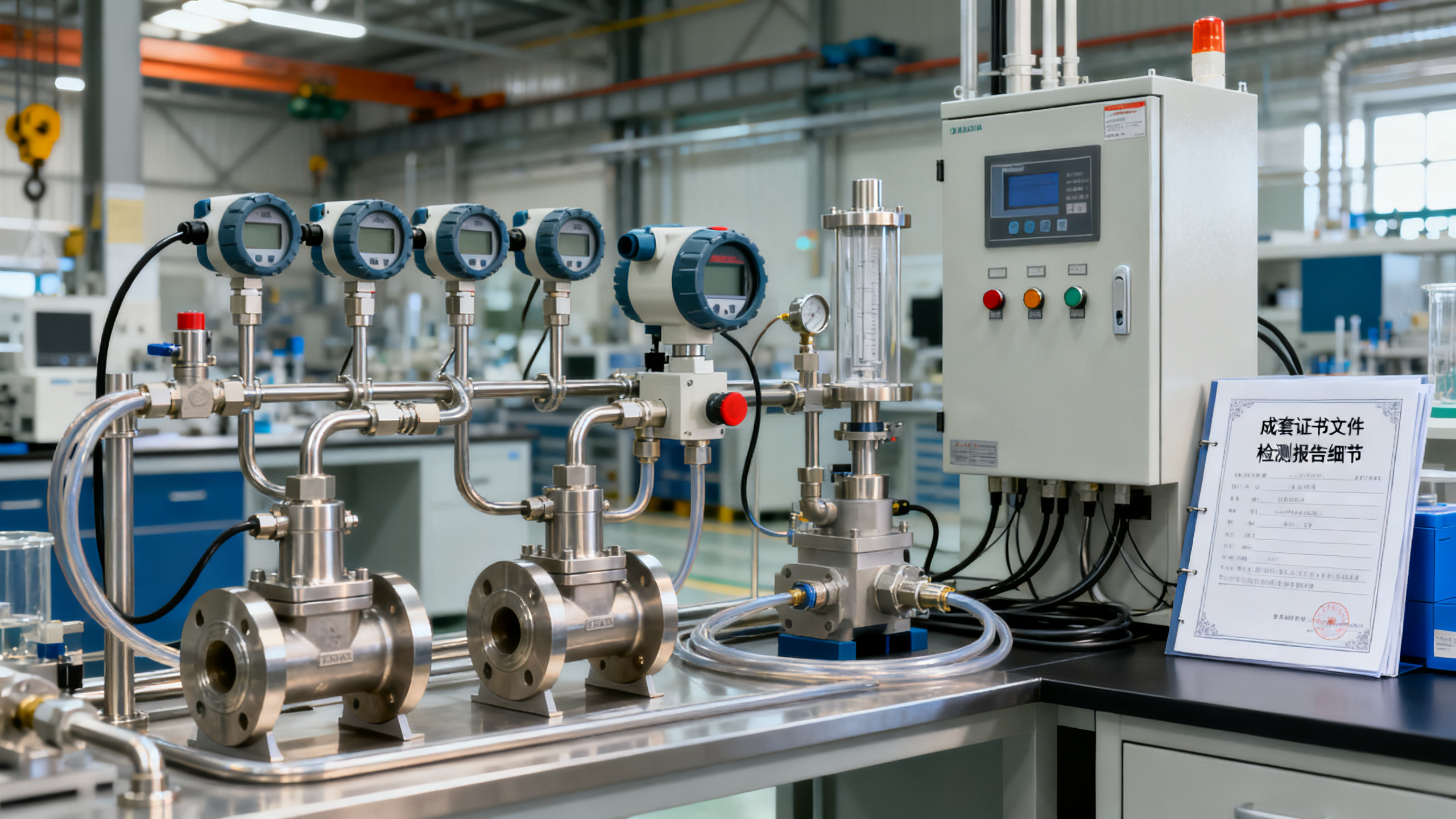
Choosing a reliable Instruments & Measurement supplier is about far more than price or delivery speed.
The real test is whether the supplier can prove accuracy, compliance, durability, and support under demanding industrial conditions.
In power systems, process plants, laboratories, and infrastructure projects, weak measurement quality creates expensive downstream failures.
This guide explains when an Instruments & Measurement supplier is truly reliable, what evidence matters, and which warning signs deserve caution.
What does a reliable Instruments & Measurement supplier actually mean?
A reliable Instruments & Measurement supplier delivers more than products.
It delivers traceable performance, stable quality, technical transparency, and dependable post-sale support across the product lifecycle.
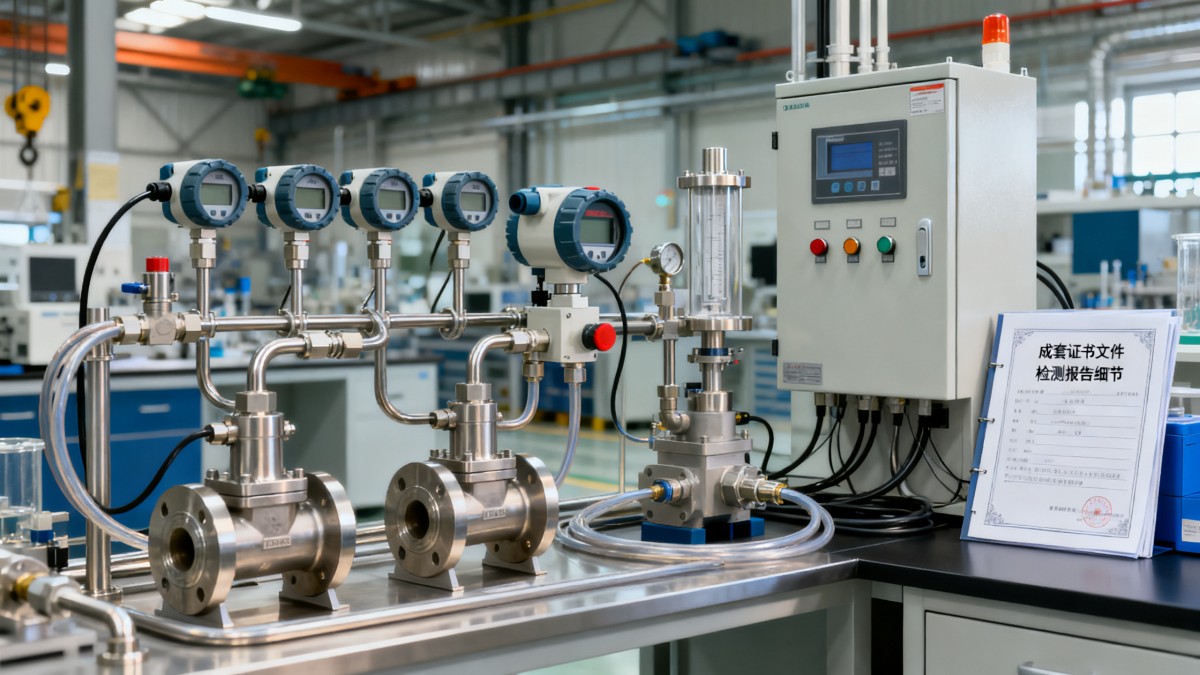
Reliability starts with consistency.
If pressure sensors, flow meters, analyzers, or calibration tools vary between batches, operational confidence falls immediately.
A dependable Instruments & Measurement supplier should offer clear specifications, known tolerances, and documented validation methods.
That includes calibration traceability, environmental limits, repeatability data, and service intervals.
In industrial settings, measurement errors can affect safety shutdowns, emissions reporting, energy use, and product quality.
Because of that, reliability is not a marketing claim.
It is a documented capability that stands up under audit, commissioning, and continuous operation.
A trustworthy supplier also understands application context.
Instrumentation for a clean laboratory differs from instrumentation for a corrosive refinery or a remote water treatment site.
The best suppliers ask technical questions before recommending products.
Which certifications and documents should an Instruments & Measurement supplier provide?
Documentation is one of the fastest ways to evaluate an Instruments & Measurement supplier.
Reliable companies usually provide complete and consistent technical records without hesitation.
Key documents often include the following:
- ISO quality management certification, such as ISO 9001
- Calibration certificates with traceability to recognized standards
- CE, UL, ATEX, IECEx, or other relevant conformity documents
- Datasheets with accuracy, repeatability, drift, and environmental ratings
- Material certificates for wetted parts or structural components
- Installation manuals, wiring diagrams, and maintenance guidance
The important point is not just possession of certificates.
The supplier must show that the documents match the exact model, revision, and delivery batch.
A credible Instruments & Measurement supplier also keeps records current.
Expired certificates, inconsistent serial numbers, or vague declarations are meaningful risk indicators.
For regulated sectors, traceability matters even more.
Without proper records, future audits, warranty claims, and compliance reviews become difficult and costly.
How can performance history reveal whether an Instruments & Measurement supplier is dependable?
Past performance often predicts future reliability better than polished sales language.
A reliable Instruments & Measurement supplier should be able to point to field experience in real operating environments.
Useful proof includes application case studies, testing data, installed base references, and documented service outcomes.
Performance history should answer practical questions.
- How long do the instruments remain within tolerance?
- How often is recalibration needed?
- How do devices behave under vibration, dust, humidity, or thermal cycling?
- What is the failure response process?
- Are spare parts and replacement units readily available?
An experienced Instruments & Measurement supplier usually understands sector-specific expectations.
For example, utility applications prioritize continuity and electrical compatibility.
Environmental monitoring often emphasizes data integrity and long-term drift control.
Process industries may focus on hazardous area compliance and material durability.
Ask for evidence linked to similar conditions, not generic brochures.
A supplier that can discuss failure modes openly is usually more trustworthy than one promising zero issues.
What are the biggest red flags when comparing an Instruments & Measurement supplier?
Some warning signs appear early if the evaluation process is structured carefully.
A risky Instruments & Measurement supplier often avoids technical detail and redirects attention toward discounts or urgent closing timelines.
Common red flags include:
- Unclear calibration traceability
- Inconsistent datasheets across channels
- No clear warranty terms or service policy
- No application engineering support
- Poor response quality to technical questions
- Limited spare parts planning
- Claims of universal suitability for every environment
Another major risk is undocumented substitution.
If a quoted model becomes unavailable, any replacement should be revalidated against performance, materials, approvals, and interface requirements.
Pricing that looks unusually low may hide later costs.
These costs can include unstable readings, frequent recalibration, communication failures, or early replacement.
The cheapest Instruments & Measurement supplier is rarely the lowest total-cost option over time.
How do service, lead time, and lifecycle support affect supplier reliability?
Reliability continues after shipment.
A strong Instruments & Measurement supplier supports installation, commissioning, troubleshooting, recalibration, and future replacement planning.
Lead time matters, but predictability matters more.
A realistic delivery schedule with transparent updates is more valuable than an aggressive promise that later slips.
Lifecycle support can include firmware updates, accessory compatibility, documentation revisions, and end-of-life notices.
This is especially important where installed systems remain operational for many years.
A reliable Instruments & Measurement supplier should also define escalation paths.
When a transmitter drifts or a controller loses communication, response time affects safety and uptime.
Service quality often shows up in small details.
Examples include clear packing labels, complete test reports, proper export records, and responsive technical follow-up.
What is a practical checklist for selecting an Instruments & Measurement supplier?
A structured comparison reduces decision risk.
Use the table below to evaluate each Instruments & Measurement supplier on evidence instead of impressions.
It also helps to score suppliers across five dimensions.
- Technical accuracy
- Compliance documentation
- Field reliability
- Service responsiveness
- Lifecycle value
This method reveals whether an Instruments & Measurement supplier is suitable for long-term operational confidence, not just initial purchasing convenience.
Conclusion: when is an Instruments & Measurement supplier reliable?
An Instruments & Measurement supplier is reliable when performance is provable, documentation is traceable, and support remains dependable after delivery.
The strongest suppliers combine compliance, application knowledge, repeatable quality, and transparent communication.
Before moving forward, review certifications, ask for calibration evidence, compare service depth, and verify real-world application history.
A careful evaluation today reduces downtime, compliance risk, and hidden lifecycle cost tomorrow.
For industrial sourcing decisions, reliability should always be measured before it is trusted.
Technical Specifications
- How to Select Electronic Hotel Key Card Locks for Guest Rooms and Staff AreasAuthor :Safety Compliance Lead
- How to Select Lab Instruments for Reliable Chemical Analysis WorkflowsAuthor :Precision Metrology Expert
- How to Size a UPS for Server Rooms: Load, Runtime, and Redundancy FactorsAuthor :Grid Infrastructure Analyst
Expert Insights

Chief Security Architect
Dr. Thorne specializes in the intersection of structural engineering and digital resilience. He has advised three G7 governments on industrial infrastructure security.
Related Analysis
- Sep 17, 2026How to Select Electronic Hotel Key Card Locks for Guest Rooms and Staff AreasAuthor :Safety Compliance Lead
- Sep 16, 2026How to Select Lab Instruments for Reliable Chemical Analysis WorkflowsAuthor :Precision Metrology Expert
- Sep 15, 2026How to Size a UPS for Server Rooms: Load, Runtime, and Redundancy FactorsAuthor :Grid Infrastructure Analyst
Core Sector // 01
Security & Safety
- How to Select Lab Instruments for Reliable Chemical Analysis WorkflowsAuthor :Precision Metrology Expert

- Buying Lint-Free Wipes in Bulk: How to Match Material and Packaging to Cleanroom UseAuthor :Precision Metrology Expert

- How to Choose a Class II Biosafety Cabinet Supplier for Compliant Lab ProcurementAuthor :Precision Metrology Expert

- Wholesale Binocular Microscopes: Comparing Specifications, MOQs, and QC RiskAuthor :Precision Metrology Expert

- How to Evaluate a UV-Visible Spectrophotometer Manufacturer for Lab Accuracy?Author :Precision Metrology Expert

- China Temporarily Bans Helium ExportsAuthor :Precision Metrology Expert

- What to Check Before Buying a Digital Lab Incubator Wholesale OrderAuthor :Precision Metrology Expert

- Electric Muffle Furnace Wholesale: How to Evaluate Capacity, Temperature, and MOQAuthor :Precision Metrology Expert