How to compare Instruments & Measurement supplier options
Author
Date Published
Reading Time
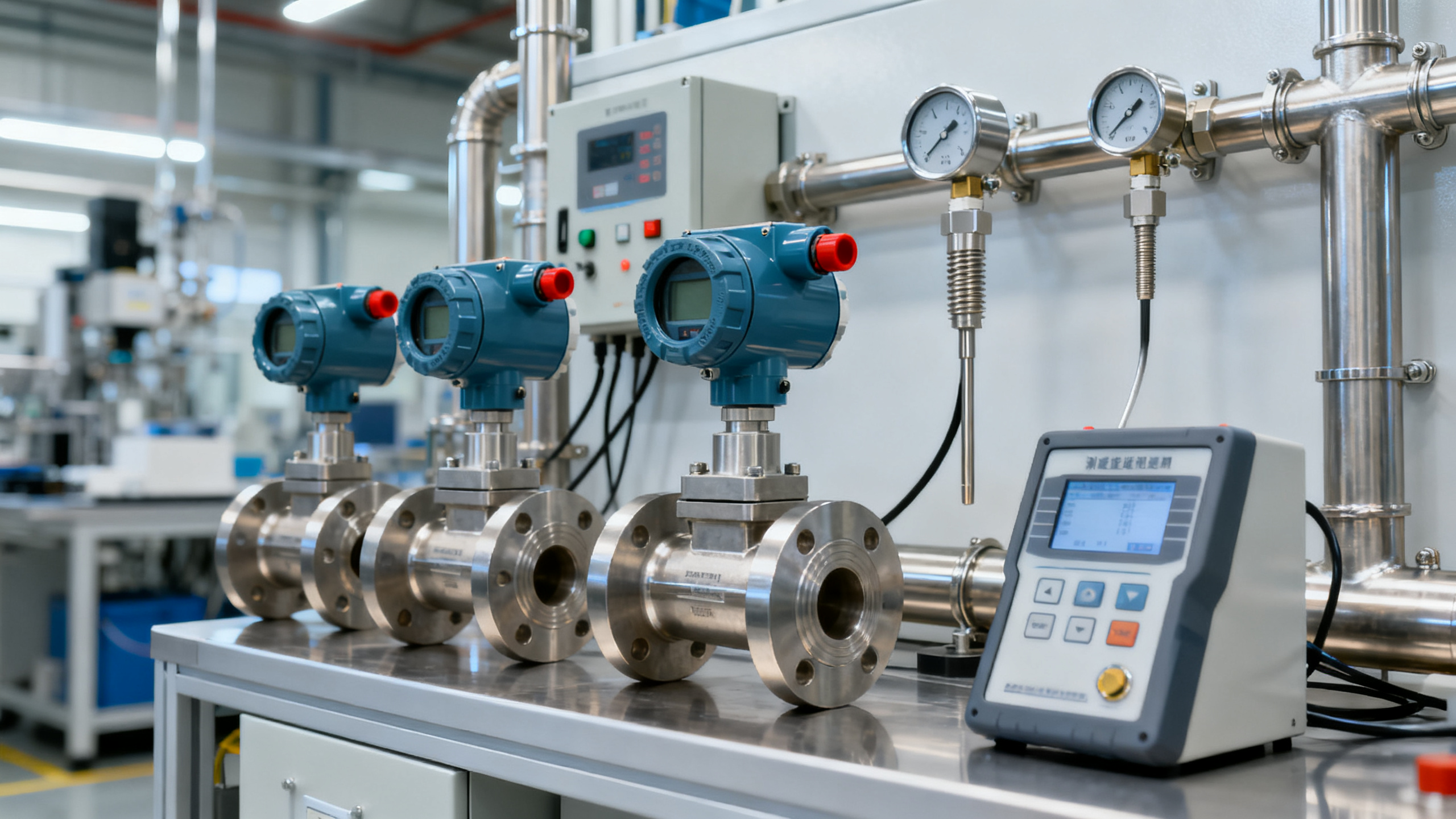
Choosing the right Instruments & Measurement supplier affects accuracy, safety, uptime, and lifecycle cost across industrial systems.
A poor fit can introduce calibration drift, weak documentation, delayed maintenance, and compliance exposure in critical operations.
A strong Instruments & Measurement supplier supports reliable data, traceable quality, and better control over project and operational risk.
This guide explains how to compare supplier options using practical technical, commercial, and service criteria for industrial environments.
Core definition and evaluation scope
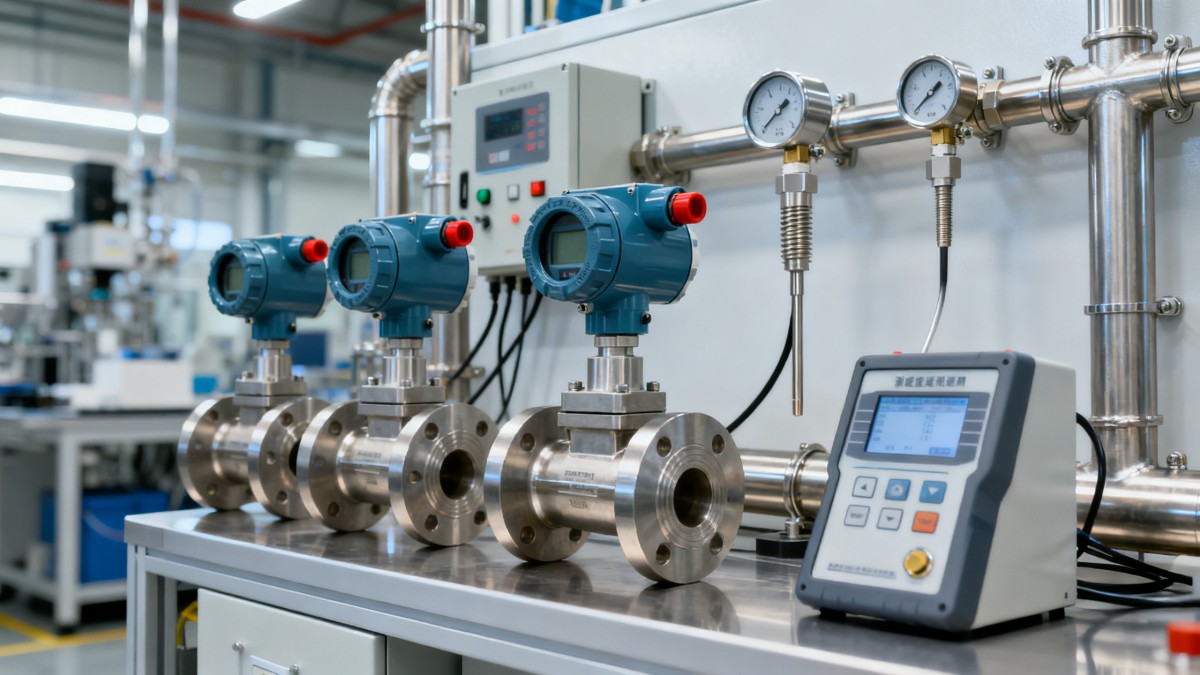
An Instruments & Measurement supplier provides devices, systems, calibration support, and technical documentation for industrial monitoring and control.
Typical product lines include pressure transmitters, flow meters, temperature sensors, analyzers, level instruments, data acquisition units, and calibration tools.
Comparison should not start with unit price alone.
It should start with required measurement performance, environmental conditions, compliance obligations, and total support capability.
A qualified Instruments & Measurement supplier must align products with process media, operating range, installation constraints, and digital integration needs.
Evaluation also includes traceability, spare parts continuity, firmware support, and responsiveness during shutdowns or commissioning.
Key categories to compare
- Measurement accuracy, repeatability, and long-term stability
- Calibration capability and traceable certificates
- Safety, environmental, and regional compliance
- Material compatibility and enclosure protection
- Lead time, service coverage, and local inventory
- Integration with PLC, DCS, SCADA, and fieldbus protocols
Industry background and current comparison priorities
Industrial projects now face tighter audit requirements, higher energy efficiency targets, and stronger expectations for data integrity.
As a result, every Instruments & Measurement supplier is increasingly judged on proof, not claims.
Buy-side evaluations often focus on evidence from test reports, installed references, and documented performance in harsh duty conditions.
These priorities apply across process plants, utilities, water systems, OEM equipment, laboratories, and infrastructure facilities.
Technical criteria for comparing an Instruments & Measurement supplier
Technical fit is the first decisive filter when comparing any Instruments & Measurement supplier.
Start by mapping process variables, accuracy targets, ambient conditions, and installation method.
1. Measurement performance
Review published accuracy across the actual operating range, not only at ideal reference points.
Check repeatability, hysteresis, response time, temperature effect, and long-term drift values.
2. Process and material compatibility
Verify wetted materials, seals, diaphragm types, sensor housing, and compatibility with corrosive or abrasive media.
In sanitary or high-purity service, surface finish and cleanability can be as important as sensor precision.
3. Environmental endurance
The best Instruments & Measurement supplier should provide clear ratings for dust, moisture, vibration, shock, and temperature extremes.
Outdoor and heavy-duty installations often need IP, NEMA, anti-corrosion coatings, and EMC resilience.
4. Integration capability
Confirm signal outputs, protocol support, power requirements, and software tools for configuration and diagnostics.
Integration costs rise quickly when instruments need gateways, custom scaling, or unsupported device descriptions.
Compliance, calibration, and documentation strength
Documentation quality often reveals the true maturity of an Instruments & Measurement supplier.
Strong suppliers present complete datasheets, certificates, manuals, material declarations, and calibration records without delay.
What to request during evaluation
- Calibration certificate samples with uncertainty information
- Standards compliance list for target markets
- Quality management proof such as ISO 9001
- Hazardous area approvals where required
- Material traceability and pressure test documents
- Lifecycle notices for obsolescence and replacement models
A capable Instruments & Measurement supplier should also define recalibration intervals and service turnaround times.
This matters in regulated environments where traceability gaps can stop production or invalidate test results.
Business value and total cost comparison
Price matters, but value comes from the full operating picture.
A lower-cost device may create higher expense through drift, rework, downtime, spares duplication, or repeated field visits.
When comparing an Instruments & Measurement supplier, calculate total cost of ownership over the intended service period.
Include these cost elements
- Initial purchase price and accessory requirements
- Installation complexity and commissioning effort
- Calibration frequency and service fees
- Expected life in actual duty conditions
- Spare part availability and interchangeability
- Failure impact on process continuity and product quality
Reliable instruments also improve process optimization, energy control, emissions reporting, and predictive maintenance outcomes.
Typical supplier types and best-fit scenarios
Not every Instruments & Measurement supplier serves the same project profile.
Understanding supplier type helps narrow comparison criteria and reduce evaluation time.
Practical evaluation steps and common risks
A structured comparison method produces better results than informal quote review.
Use a weighted scorecard and document evidence for each criterion.
Suggested evaluation process
- Define process conditions, measurement range, and compliance needs
- Shortlist each Instruments & Measurement supplier by technical fit
- Review certificates, calibration scope, and sample documentation
- Compare lead time, warranty, and local service access
- Assess lifecycle cost and spare strategy
- Run a pilot or reference check for high-risk applications
Common mistakes to avoid
- Selecting by catalog accuracy only
- Ignoring calibration turnaround and service geography
- Overlooking firmware compatibility with control systems
- Accepting incomplete compliance documentation
- Failing to verify installed performance references
Next-step framework for final supplier selection
The best Instruments & Measurement supplier is the one that consistently matches performance, compliance, service, and lifecycle expectations.
Build a shortlist using measurable criteria, then validate claims through documentation, application review, and support testing.
For complex projects, compare at least three options across calibration capability, reliability history, integration fit, and after-sales response.
A disciplined selection process helps reduce technical risk and strengthens long-term operational resilience across industrial assets.
Technical Specifications
- How to Select Electronic Hotel Key Card Locks for Guest Rooms and Staff AreasAuthor :Safety Compliance Lead
- How to Select Lab Instruments for Reliable Chemical Analysis WorkflowsAuthor :Precision Metrology Expert
- How to Size a UPS for Server Rooms: Load, Runtime, and Redundancy FactorsAuthor :Grid Infrastructure Analyst
Expert Insights

Chief Security Architect
Dr. Thorne specializes in the intersection of structural engineering and digital resilience. He has advised three G7 governments on industrial infrastructure security.
Related Analysis
- Sep 17, 2026How to Select Electronic Hotel Key Card Locks for Guest Rooms and Staff AreasAuthor :Safety Compliance Lead
- Sep 16, 2026How to Select Lab Instruments for Reliable Chemical Analysis WorkflowsAuthor :Precision Metrology Expert
- Sep 15, 2026How to Size a UPS for Server Rooms: Load, Runtime, and Redundancy FactorsAuthor :Grid Infrastructure Analyst
Core Sector // 01
Security & Safety
- How to Select Lab Instruments for Reliable Chemical Analysis WorkflowsAuthor :Precision Metrology Expert

- Buying Lint-Free Wipes in Bulk: How to Match Material and Packaging to Cleanroom UseAuthor :Precision Metrology Expert

- How to Choose a Class II Biosafety Cabinet Supplier for Compliant Lab ProcurementAuthor :Precision Metrology Expert

- Wholesale Binocular Microscopes: Comparing Specifications, MOQs, and QC RiskAuthor :Precision Metrology Expert

- How to Evaluate a UV-Visible Spectrophotometer Manufacturer for Lab Accuracy?Author :Precision Metrology Expert

- China Temporarily Bans Helium ExportsAuthor :Precision Metrology Expert

- What to Check Before Buying a Digital Lab Incubator Wholesale OrderAuthor :Precision Metrology Expert

- Electric Muffle Furnace Wholesale: How to Evaluate Capacity, Temperature, and MOQAuthor :Precision Metrology Expert