China Opens African Coffee Bean Imports From July 20
Author
Date Published
Reading Time
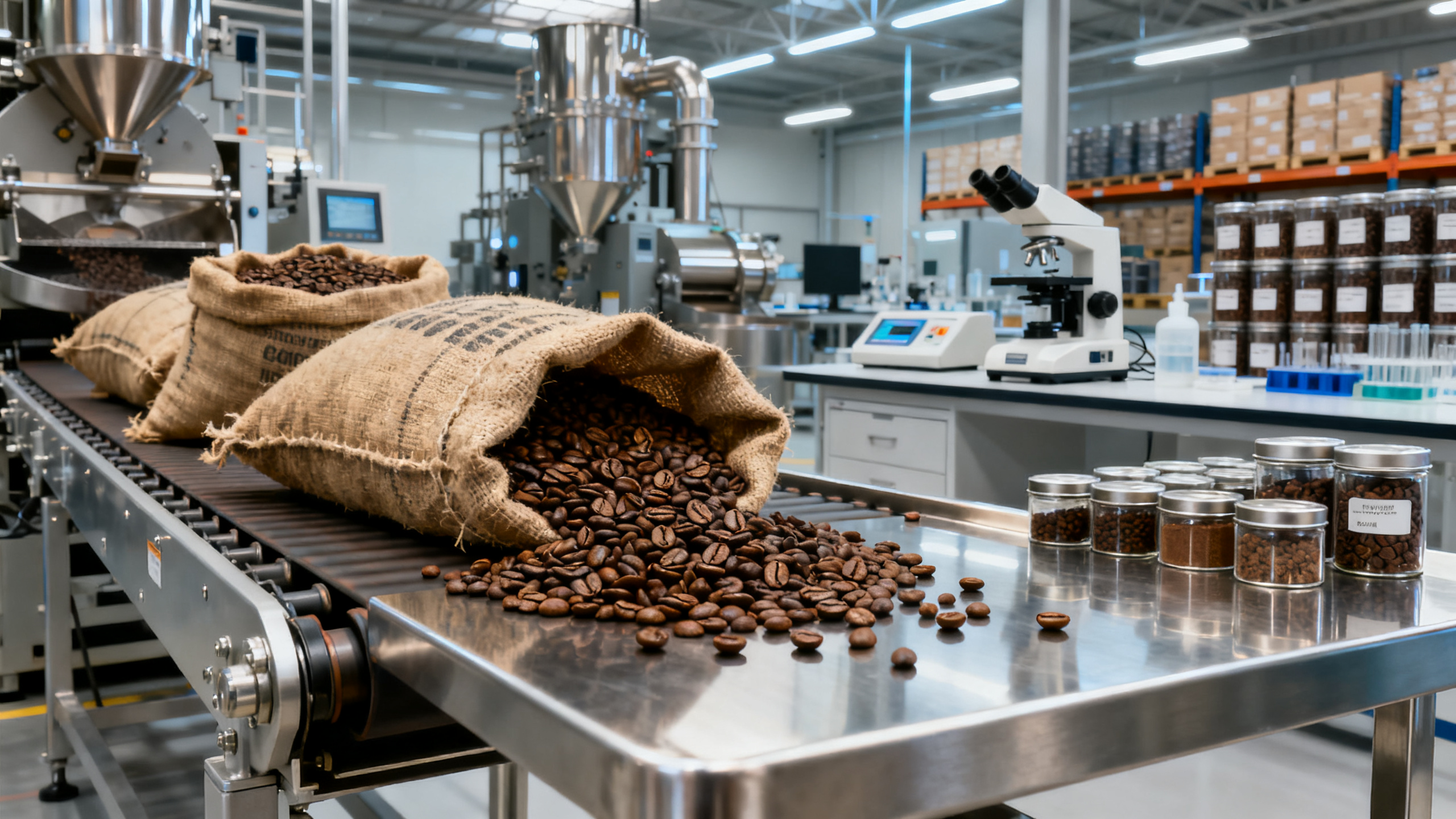
Effective July 20, 2026, China will allow the import of coffee beans from African countries that have diplomatic relations with China, provided the goods meet the newly released inspection and quarantine requirements. For the industry, this is worth watching not only as a trade access update for coffee importers and raw material buyers, but also as a practical signal for suppliers tied to roasting, grinding, testing, food-grade protective products, and factory automation infrastructure.
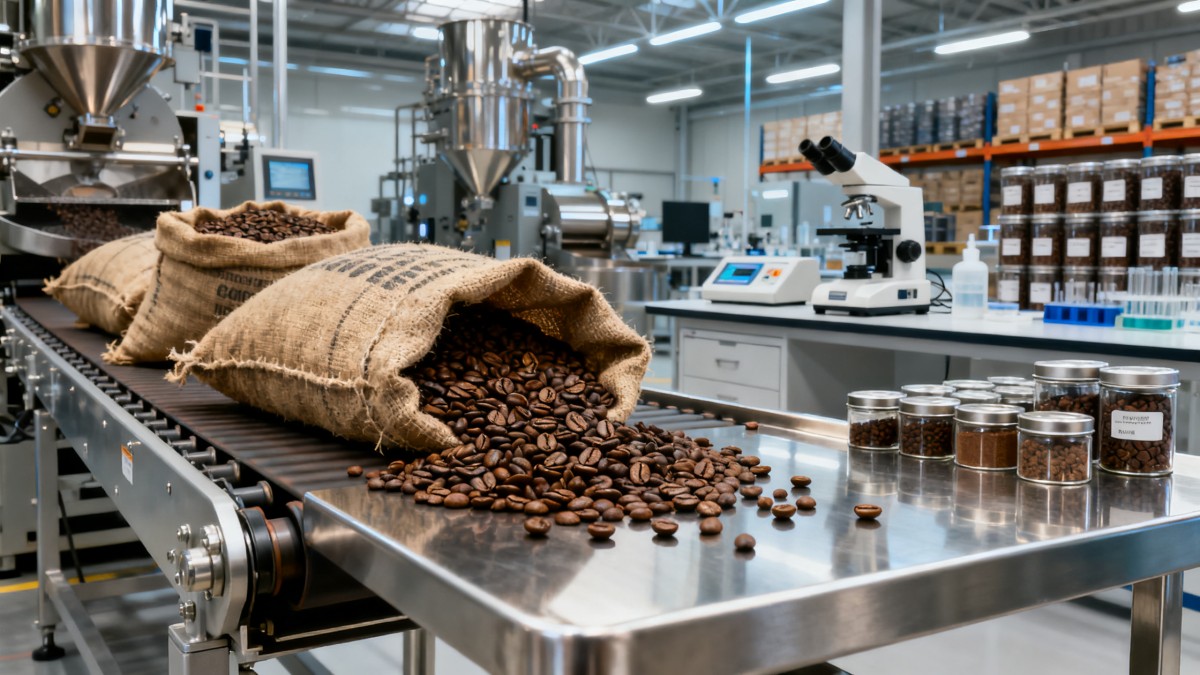
What the New Requirements Confirm
According to the information provided, China’s General Administration of Customs, together with the Ministry of Agriculture and Rural Affairs and the State Administration for Market Regulation, issued inspection and quarantine requirements for coffee beans exported to China from African countries that maintain diplomatic relations with China.
The measure takes effect on July 20, 2026. From that date, African coffee beans may enter the Chinese market if they comply with the stated standards covering plant quarantine, heavy metals, mycotoxins, and maximum residue limits for agricultural chemicals. The same release also makes clear that inspection standards and import procedures have now been published.
Where the Supply Chain May Feel the Impact
Importers and raw material sourcing teams face a more defined compliance path
From an industry perspective, importers and procurement teams are likely to be the first group directly affected because the policy sets the conditions under which African coffee beans can be cleared for entry. The main impact is likely to appear in supplier screening, product specification review, and import documentation readiness. What deserves closer attention is whether sourcing arrangements can consistently align with the required thresholds on quarantine, heavy metals, mycotoxins, and residue limits.
Processing equipment suppliers may see stronger export conversations
Analysis shows that coffee processing equipment suppliers, including businesses linked to roasters, grinders, and testing instruments, may benefit from renewed commercial engagement. The reason is straightforward: once raw bean access becomes operational under published rules, downstream handling and processing capacity becomes more relevant. The practical impact is less about the policy itself creating orders immediately and more about buyers reassessing processing, quality control, and plant readiness.
Testing and laboratory services become more central to execution
Lab and analytics providers, such as rapid residue test kit suppliers and ICP-MS testing service providers, are closely connected to the standards named in the policy summary. Their relevance lies in helping trading firms, processors, and buyers verify whether shipments can meet the specified compliance conditions. The business change to watch is whether customers begin shifting from general quality checks to more targeted pre-shipment and intake testing workflows.
Protective products and factory wiring suppliers are tied to operational follow-through
PPE suppliers focused on food-grade protective clothing and gloves, as well as cables and wiring suppliers serving food factory automation, may also see follow-on demand in export coordination. Observably, their exposure is indirect but practical: if import activity expands, related handling, inspection, and processing environments may require upgrades in plant operations, hygiene management, and automated line support. Companies in these segments should watch where customer inquiries move from policy discussion to implementation planning.
What Companies Should Track Next
Separate market access from actual shipment readiness
Analysis shows that permission to import and the ability to execute shipments are not the same thing. Companies should focus on whether supplier qualifications, product testing records, and shipment documents can support customs clearance under the published requirements rather than assuming that market opening alone guarantees smooth trade flow.
Review compliance documents before commercial commitments
For traders, processors, and service providers, a near-term priority is document discipline. The policy summary points to inspection standards and import procedures, which means contract discussions, sample approvals, and delivery promises should be aligned with whatever documentation and verification the transaction requires. This is especially relevant where customers may expect evidence tied to plant quarantine, heavy metal control, mycotoxins, and agricultural chemical residues.
Prepare for customer questions across linked categories
Suppliers in equipment, PPE, lab services, and factory wiring should expect more detailed customer inquiries tied to compliance and operational fit. What deserves closer attention is not only product capability, but also whether commercial teams can explain how their offering supports inspection, handling, testing, or processing requirements in a food-related environment.
Keep watching for official clarifications and execution details
Observably, the current information confirms the policy direction and effective date, but companies should continue monitoring whether additional official wording, procedural clarification, or implementation guidance appears. This matters for quotation timing, delivery planning, and customer communication, particularly where projects depend on import schedules and compliance verification.
Why This Matters Beyond a Single Trade Notice
As an editorial observation, this update is more meaningful as a structured market-access signal than as a finished commercial outcome. It confirms that import conditions have been formalized and that compliance will be central to participation. At the same time, it is more appropriate to understand this as an operational opening that still depends on execution across sourcing, testing, documentation, and processing support.
From an industry perspective, the significance is not limited to coffee trading itself. The named standards naturally connect the policy to a broader support ecosystem that includes equipment, protective products, laboratory services, and plant infrastructure. That makes the development relevant to companies that do not buy or sell coffee beans directly but serve the compliance and processing chain around them.
How to Read the Current Signal
At this stage, the development is best understood as a concrete near-term rule change with broader long-term supply chain implications still to be observed. The fact pattern is clear on the effective date, the eligible import direction, and the compliance categories involved. What remains less certain is the pace at which businesses convert the policy into stable procurement, processing, and service demand. A measured reading is therefore more useful than a headline-only reaction.
Basis of This Article
This article is based on the user-provided news title, effective date, and event summary concerning the release of import inspection and quarantine requirements for African coffee beans entering China. Typical source categories for this type of development may include official government notices, customs announcements, corporate disclosures, industry association updates, authoritative media coverage, and standards-related documents.
No specific official source link was provided in the input, so the exact official publication path still requires ongoing verification. Areas worth continued monitoring include any further official clarification on implementation language, procedural details, and how the stated standards are applied in actual import operations.
Technical Specifications
- How to Select Electronic Hotel Key Card Locks for Guest Rooms and Staff AreasAuthor :Safety Compliance Lead
- How to Select Lab Instruments for Reliable Chemical Analysis WorkflowsAuthor :Precision Metrology Expert
- How to Size a UPS for Server Rooms: Load, Runtime, and Redundancy FactorsAuthor :Grid Infrastructure Analyst
Expert Insights

Chief Security Architect
Dr. Thorne specializes in the intersection of structural engineering and digital resilience. He has advised three G7 governments on industrial infrastructure security.
Related Analysis
- Sep 17, 2026How to Select Electronic Hotel Key Card Locks for Guest Rooms and Staff AreasAuthor :Safety Compliance Lead
- Sep 16, 2026How to Select Lab Instruments for Reliable Chemical Analysis WorkflowsAuthor :Precision Metrology Expert
- Sep 15, 2026How to Size a UPS for Server Rooms: Load, Runtime, and Redundancy FactorsAuthor :Grid Infrastructure Analyst
Core Sector // 01
Security & Safety
- How to Select Lab Instruments for Reliable Chemical Analysis WorkflowsAuthor :Precision Metrology Expert

- Buying Lint-Free Wipes in Bulk: How to Match Material and Packaging to Cleanroom UseAuthor :Precision Metrology Expert

- How to Choose a Class II Biosafety Cabinet Supplier for Compliant Lab ProcurementAuthor :Precision Metrology Expert

- Wholesale Binocular Microscopes: Comparing Specifications, MOQs, and QC RiskAuthor :Precision Metrology Expert

- How to Evaluate a UV-Visible Spectrophotometer Manufacturer for Lab Accuracy?Author :Precision Metrology Expert

- China Temporarily Bans Helium ExportsAuthor :Precision Metrology Expert

- What to Check Before Buying a Digital Lab Incubator Wholesale OrderAuthor :Precision Metrology Expert

- Electric Muffle Furnace Wholesale: How to Evaluate Capacity, Temperature, and MOQAuthor :Precision Metrology Expert