Vietnam’s New Industrial Wastewater Equipment Regulations: Key Impacts and Compliance Strategies for Chinese Suppliers
Author
Date Published
Reading Time
Vietnam’s New Industrial Wastewater Equipment Regulations: Key Impacts and Compliance Strategies for Chinese Suppliers
Introduction
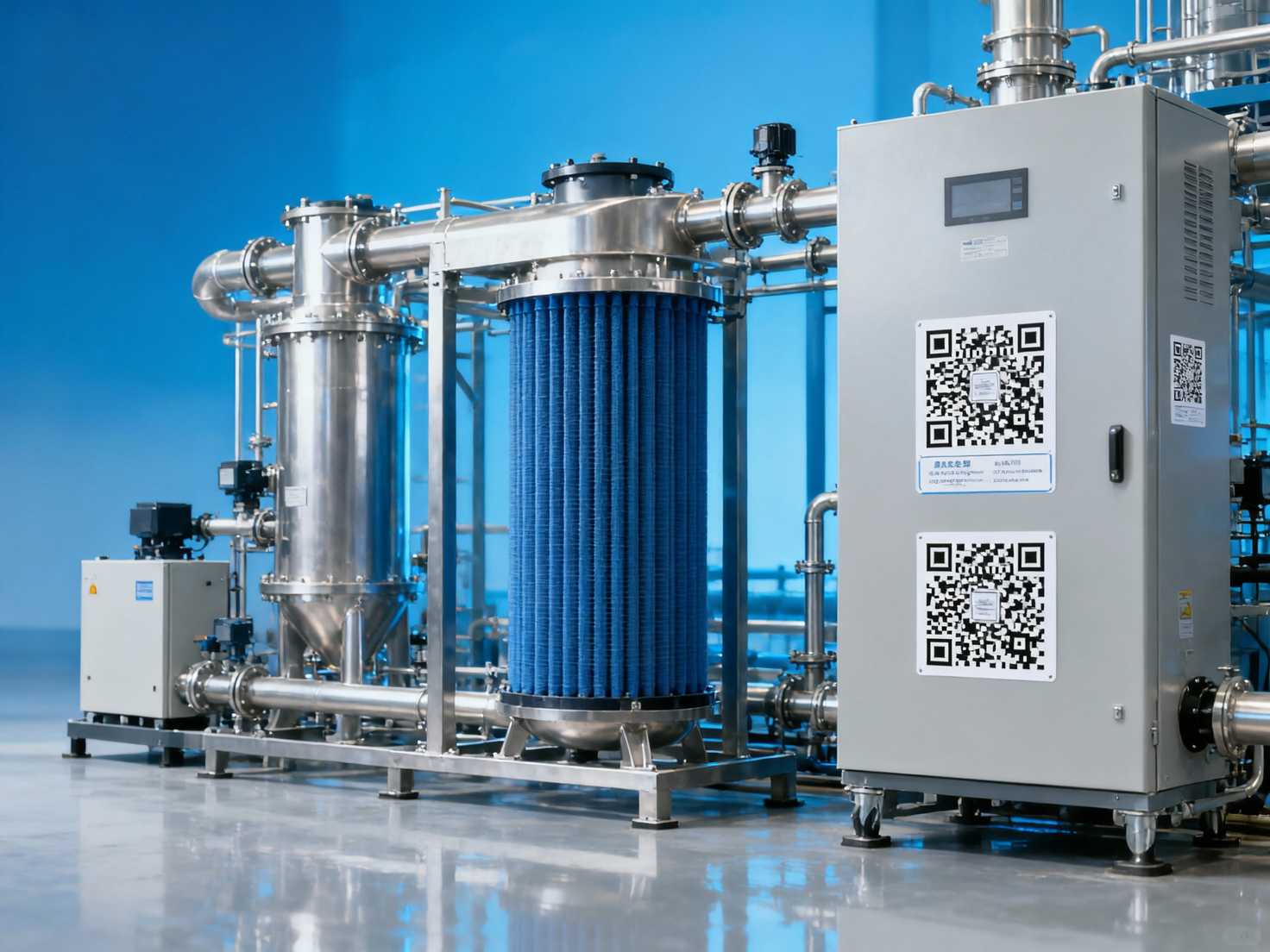
On March 25, 2026, Vietnam’s Ministry of Industry and Trade (MOIT) issued Circular No. 18/2026/TT-BCT, mandating that all imported industrial wastewater treatment equipment—including MBR membrane modules, ozone generators, and integrated purification systems—must obtain certification from the Vietnam National Water Quality Association (VINAQUA) and carry a QR code label with a unique ID. Chinese manufacturers must appoint a licensed local agent to complete registration and conduct type testing in Vietnam (requiring approximately 45 days) by June 2026, or face import restrictions. This policy affects over $1.2 billion in annual Chinese exports of environmental equipment to Vietnam, particularly targeting industries such as textile dyeing, electroplating, and food processing. The regulation underscores Vietnam’s tightening environmental standards and poses immediate compliance challenges for global suppliers.
Event Overview
The MOIT’s Circular 18/2026/TT-BCT, effective July 1, 2026, introduces two critical requirements for imported industrial wastewater treatment equipment: 1) VINAQUA certification, and 2) QR code labeling for traceability. Chinese suppliers—who dominate Vietnam’s market for such equipment—must complete two steps before the deadline: 1) appoint a Vietnamese-licensed agent to file documentation with authorities, and 2) submit products for type testing at local labs. Non-compliant shipments will be barred from customs clearance. The policy explicitly covers equipment used in high-pollution industries, including textiles, metal plating, and food manufacturing.
Impact on Key Industries
1. Chinese Environmental Equipment Manufacturers
Direct exporters of wastewater treatment systems face urgent operational hurdles. The 45-day type testing window and agent registration process compress timelines for manufacturers with pending orders. Smaller suppliers lacking local partnerships may struggle to meet the June cutoff, risking loss of market share.
2. Vietnamese Industrial Operators
Textile mills, electroplating plants, and food processors relying on Chinese equipment could experience supply chain delays or price hikes. The regulation may force some factories to postpone upgrades to meet Vietnam’s Decree 53/2020 on wastewater discharge limits.
3. Compliance Service Providers
Vietnamese testing labs and certification consultancies are likely to see surging demand. However, capacity bottlenecks may emerge given the narrow implementation timeline.
Actionable Steps for Affected Businesses
1. Prioritize Agent Selection and Documentation
Chinese suppliers should immediately vet MOIT-recognized local agents. Key criteria include: 1) prior experience with VINAQUA certifications, 2) relationships with designated testing facilities, and 3) capacity to handle technical documentation in Vietnamese.
2. Optimize Testing Schedules
Given the 45-day testing period, manufacturers must stagger submissions for different product lines. High-volume items (e.g., MBR membranes) should be prioritized to avoid last-minute congestion at labs.
3. Monitor QR Code Implementation Details
The MOIT has yet to publish technical standards for QR code generation and labeling. Companies should designate teams to track updates through the Vietnam Trade Remedies Authority portal.
4. Evaluate Alternative Markets
Suppliers facing compliance difficulties may temporarily pivot to Southeast Asian markets with less stringent entry requirements, such as Indonesia or Thailand, while resolving Vietnam certification issues.
Industry Perspective
Analysis suggests this regulation reflects Vietnam’s broader strategy to localize environmental technology standards while maintaining import dependence. The QR code system—similar to China’s CCC mark—could later expand to other industrial equipment categories. Notably, the policy stops short of imposing local production requirements, preserving opportunities for foreign suppliers willing to adapt. However, the compressed timeline indicates Vietnam’s urgency to curb substandard imports ahead of its 2026-2030 environmental targets.
Conclusion
While Vietnam’s new wastewater equipment rules present logistical challenges, they ultimately aim to standardize a fragmented market. Chinese suppliers treating this as a routine certification update risk underestimating its operational complexity. The coming months will test the MOIT’s enforcement capacity and reveal whether the policy achieves its stated environmental goals or inadvertently disrupts industrial operations.
Sources
- Vietnam Ministry of Industry and Trade (MOIT) Circular No. 18/2026/TT-BCT
- Vietnam National Water Quality Association (VINAQUA) certification guidelines
- Pending clarification: QR code technical specifications (expected Q2 2026)
Technical Specifications
- Air Handling Unit Supplier Checklist: Performance Data, Lead Times, and SupportAuthor :Environmental Engineering Director
- Buying Fiberglass Water Tanks Wholesale: Compare Quotes and Delivery CostsAuthor :Environmental Engineering Director
- Choosing an XLPE Power Cable Supplier: Test Reports, Traceability, and Lead TimesAuthor :Grid Infrastructure Analyst
Expert Insights

Chief Security Architect
Dr. Thorne specializes in the intersection of structural engineering and digital resilience. He has advised three G7 governments on industrial infrastructure security.
Related Analysis
- Oct 19, 2026Air Handling Unit Supplier Checklist: Performance Data, Lead Times, and SupportAuthor :Environmental Engineering Director
- Oct 18, 2026Buying Fiberglass Water Tanks Wholesale: Compare Quotes and Delivery CostsAuthor :Environmental Engineering Director
- Oct 17, 2026Choosing an XLPE Power Cable Supplier: Test Reports, Traceability, and Lead TimesAuthor :Grid Infrastructure Analyst
Core Sector // 01
Security & Safety
- Buying Fiberglass Water Tanks Wholesale: Compare Quotes and Delivery CostsAuthor :Environmental Engineering Director

- How to Select Industrial pH Meters for Continuous Wastewater Process ControlAuthor :Environmental Engineering Director

- How to Size a Rinse Fill Cap Machine for Your Bottle Format and Target OutputAuthor :Environmental Engineering Director

- How to Size a Heavy-Duty Submersible Sewage Pump for High-Solids Lift StationsAuthor :Environmental Engineering Director

- How to Size a Wafer Butterfly Valve for HVAC Chilled-Water and Heating LoopsAuthor :Environmental Engineering Director

- How Pressure Class and Joint Design Affect Long-Term Performance of Ductile Iron Pipes in Drainage InfrastructureAuthor :Environmental Engineering Director

- How Ductile Iron Pipe Joints Affect Installation Reliability and Leak ControlAuthor :Environmental Engineering Director

- How to Size Effluent Treatment Equipment for Variable Industrial Wastewater LoadsAuthor :Environmental Engineering Director