US Battery Push Raises New Entry Rules for Suppliers
Author
Date Published
Reading Time
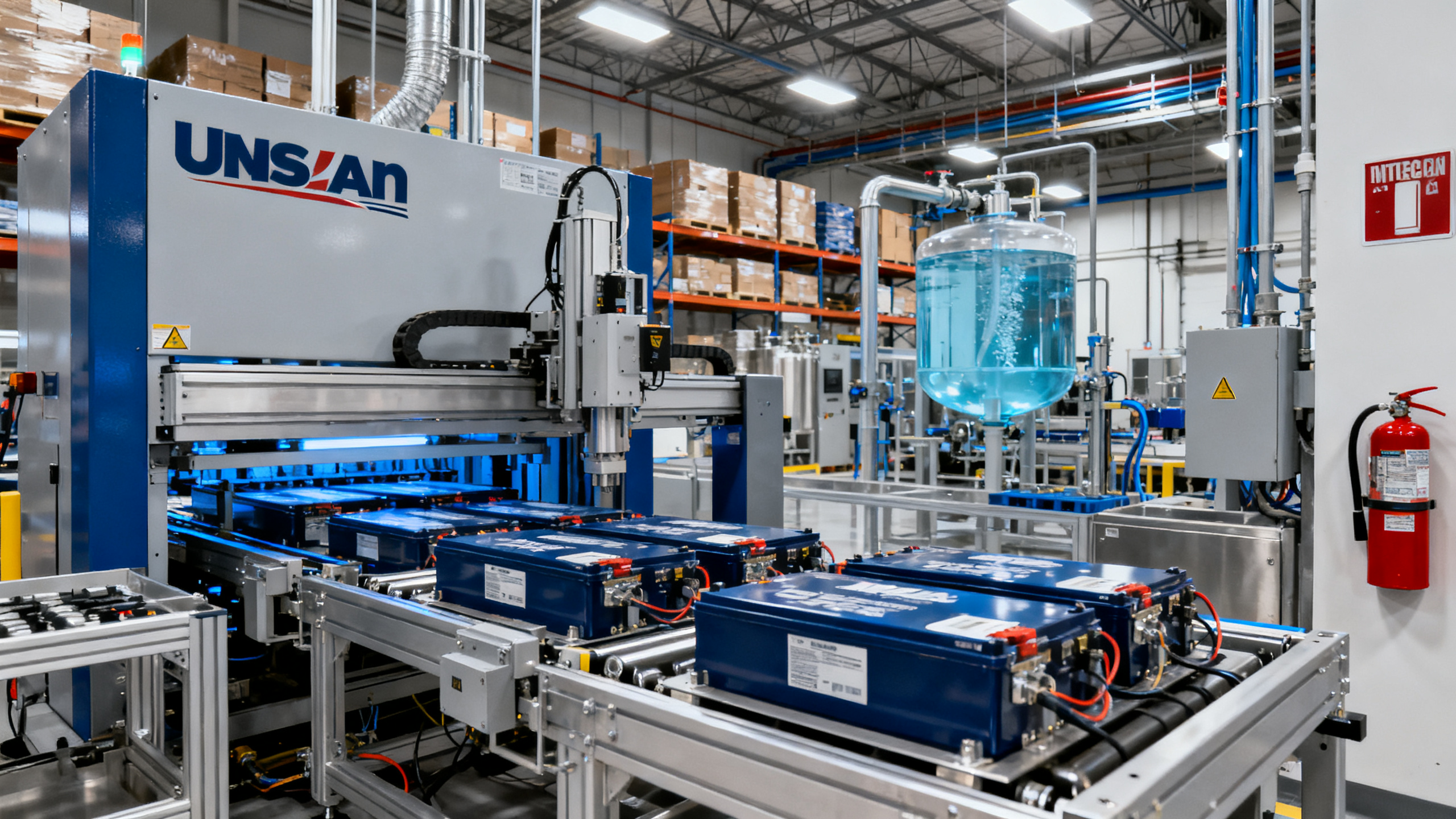
On August 8, 2026, the Trump administration announced more than $2 billion in funding to support domestic battery production, critical mineral processing, and battery material manufacturing, with the stated goal of reducing dependence on Chinese supply chains. For suppliers tied to battery line support equipment, this matters not only as an industrial policy signal but also as a possible shift in market access conditions, procurement screening, and mandatory certification expectations for equipment entering the U.S. battery ecosystem.
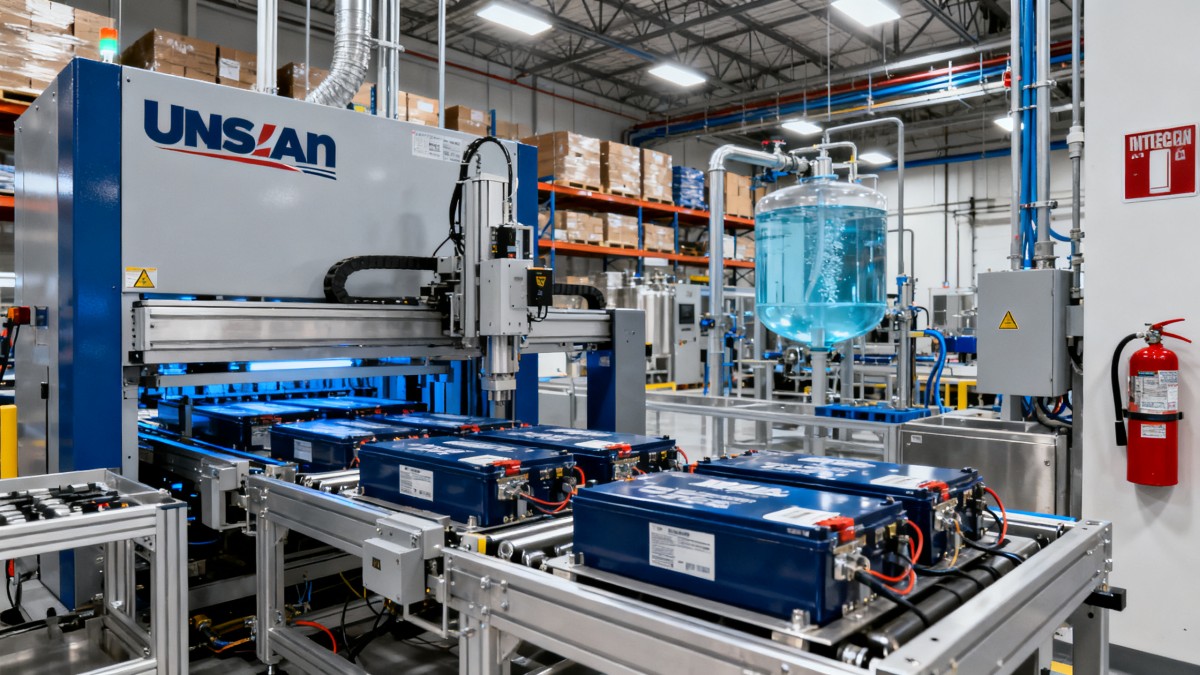
A policy move aimed at rebuilding battery capacity
The confirmed information shows that the funding is directed toward expanding U.S.-based battery production, critical mineral processing, and battery material manufacturing. The policy objective is explicitly tied to lowering reliance on Chinese supply chains.
The same development is expected to accelerate construction of domestic battery production lines in the United States. In turn, that may increase import demand for supporting equipment and products used in battery-related operations, including industrial water treatment systems for electrode cleaning and electrolyte purification, testing and measurement systems for battery performance inspection, PPE for electrolyte workshop chemical protection, and fire protection equipment designed for lithium battery fire response.
The event summary also indicates that imported equipment may face tighter mandatory certification thresholds in areas including UL/CSA safety, EMC requirements such as IEC 61000-4-6:2023, and environmental compliance related to POPs.
Where trade and project execution may feel the change first
Exporters serving battery plant construction
From an industry perspective, exporters of water treatment, testing, PPE, and fire protection equipment may be affected because the policy points to a faster build-out of domestic battery capacity while also signaling closer scrutiny of imported supporting equipment. The main impact may appear in market entry preparation, technical documentation, certification readiness, and delivery qualification for battery-related projects.
What deserves closer attention is whether buyer-side requirements begin to reflect stricter expectations around UL/CSA safety, EMC test evidence, and environmental compliance records. For exporters, this can affect quotation packages, model selection, compliance files, and acceptance conditions tied to shipment or installation.
Procurement teams and project buyers
Procurement participants may be affected because a policy-backed expansion in local battery manufacturing can create new sourcing demand at the same time that compliance screening becomes more detailed. The impact may be seen in bid specifications, approved supplier reviews, and pre-delivery documentation checks.
Buyers may need to pay closer attention to whether imported systems meet required safety and EMC expectations and whether environmental compliance declarations are complete. In practice, this can influence supplier shortlists, tender language, and the timing of purchase approvals.
Certification, testing, and compliance service providers
Testing and certification-related firms may also see changes because the event points to possible tightening in mandatory certification thresholds for imported equipment. The impact may emerge in demand for pre-shipment testing, product file review, EMC verification, and environmental compliance assessment.
For these service providers, the key issue is not only technical testing itself, but also how standards and certification expectations are interpreted in battery plant procurement and import acceptance processes.
After-sales and delivery support functions
Suppliers with installation, commissioning, or after-sales obligations may face pressure in delivery and service arrangements if compliance requirements become more document-intensive. Equipment that is technically acceptable may still face delays if certification evidence, traceability materials, or supporting technical files do not align with buyer or project expectations.
That means the effect may extend beyond customs or initial sale and into handover, site acceptance, and warranty support stages.
What companies should review now
Check certification readiness before demand rises
Analysis shows that companies serving battery-sector projects should first review whether their current products and models are aligned with expected U.S. entry requirements in safety, EMC, and environmental compliance. This is particularly relevant for equipment categories named in the event summary, because those categories may be pulled into procurement earlier as battery line projects move forward.
Watch how official language turns into procurement language
Observably, the more immediate business risk may come from how policy intent is translated into buyer specifications, qualification documents, and acceptance criteria. Since no detailed enforcement pathway was provided in the input, it is more appropriate to treat this as an execution signal that requires monitoring rather than as a fully defined rule set already in force.
Prepare technical files and supporting documents more carefully
Companies should pay attention to product technical files, test reports, compliance declarations, and bid documentation that may be requested in projects linked to battery manufacturing expansion. Where equipment is used in sensitive process environments such as electrolyte purification, battery testing, chemical protection, or lithium fire response, documentation quality may become part of supplier credibility.
Review delivery and service commitments against compliance risk
Analysis shows that delivery planning should not be separated from compliance planning. If certification review, document confirmation, or buyer-side qualification becomes stricter, lead times and installation schedules may be affected. Exporters and service teams should therefore watch for changes in supplier qualification terms, delivery prerequisites, and post-delivery traceability expectations.
Why this looks more like an execution signal than a finished rulebook
From an industry perspective, this development should be read first as a concrete policy signal that industrial funding and supply-chain restructuring may move in parallel with tighter import-side compliance expectations. The funding decision is confirmed, and the stated goal of reducing dependence on Chinese supply chains is also clear.
What remains open is the exact pace and form of implementation in procurement rules, certification practice, and project-level qualification standards. For that reason, it is more appropriate to understand this as a meaningful market-access signal with compliance implications, rather than as a fully settled set of new operational rules.
How the market is likely to interpret this development for now
The immediate significance of this event lies in the combination of two forces: stronger support for domestic battery capacity and a possible rise in entry requirements for imported supporting equipment. For companies linked to battery plant construction and operation, the issue is not only whether demand will grow, but under what compliance conditions that demand will be served.
A neutral reading is that the policy creates both opportunity and screening pressure. It does not yet provide a complete enforcement map, so the current priority is to follow how certification expectations, buyer requirements, and project documentation evolve after the announcement.
Basis of this article and what still needs verification
This article is based on the user-provided news title, event date, and event summary. For developments of this type, relevant source categories typically include official announcements, regulator releases, customs or trade authority information, industry association updates, standards organization documents, and reporting by authoritative media.
No specific official source link was provided in the input, so that point still requires verification. Follow-up attention should focus on policy details, certification enforcement interpretation, changes in tender documents, market feedback, and how companies actually implement compliance and delivery requirements in battery-related projects.
Technical Specifications
- Air Handling Unit Supplier Checklist: Performance Data, Lead Times, and SupportAuthor :Environmental Engineering Director
- Buying Fiberglass Water Tanks Wholesale: Compare Quotes and Delivery CostsAuthor :Environmental Engineering Director
- Choosing an XLPE Power Cable Supplier: Test Reports, Traceability, and Lead TimesAuthor :Grid Infrastructure Analyst
Expert Insights

Chief Security Architect
Dr. Thorne specializes in the intersection of structural engineering and digital resilience. He has advised three G7 governments on industrial infrastructure security.
Related Analysis
- Oct 19, 2026Air Handling Unit Supplier Checklist: Performance Data, Lead Times, and SupportAuthor :Environmental Engineering Director
- Oct 18, 2026Buying Fiberglass Water Tanks Wholesale: Compare Quotes and Delivery CostsAuthor :Environmental Engineering Director
- Oct 17, 2026Choosing an XLPE Power Cable Supplier: Test Reports, Traceability, and Lead TimesAuthor :Grid Infrastructure Analyst
Core Sector // 01
Security & Safety
- Buying Fiberglass Water Tanks Wholesale: Compare Quotes and Delivery CostsAuthor :Environmental Engineering Director

- How to Select Industrial pH Meters for Continuous Wastewater Process ControlAuthor :Environmental Engineering Director

- How to Size a Rinse Fill Cap Machine for Your Bottle Format and Target OutputAuthor :Environmental Engineering Director

- How to Size a Heavy-Duty Submersible Sewage Pump for High-Solids Lift StationsAuthor :Environmental Engineering Director

- How to Size a Wafer Butterfly Valve for HVAC Chilled-Water and Heating LoopsAuthor :Environmental Engineering Director

- How Pressure Class and Joint Design Affect Long-Term Performance of Ductile Iron Pipes in Drainage InfrastructureAuthor :Environmental Engineering Director

- How Ductile Iron Pipe Joints Affect Installation Reliability and Leak ControlAuthor :Environmental Engineering Director

- How to Size Effluent Treatment Equipment for Variable Industrial Wastewater LoadsAuthor :Environmental Engineering Director