How to Choose an Ultrasonic Meter for Municipality Water Networks
Author
Date Published
Reading Time
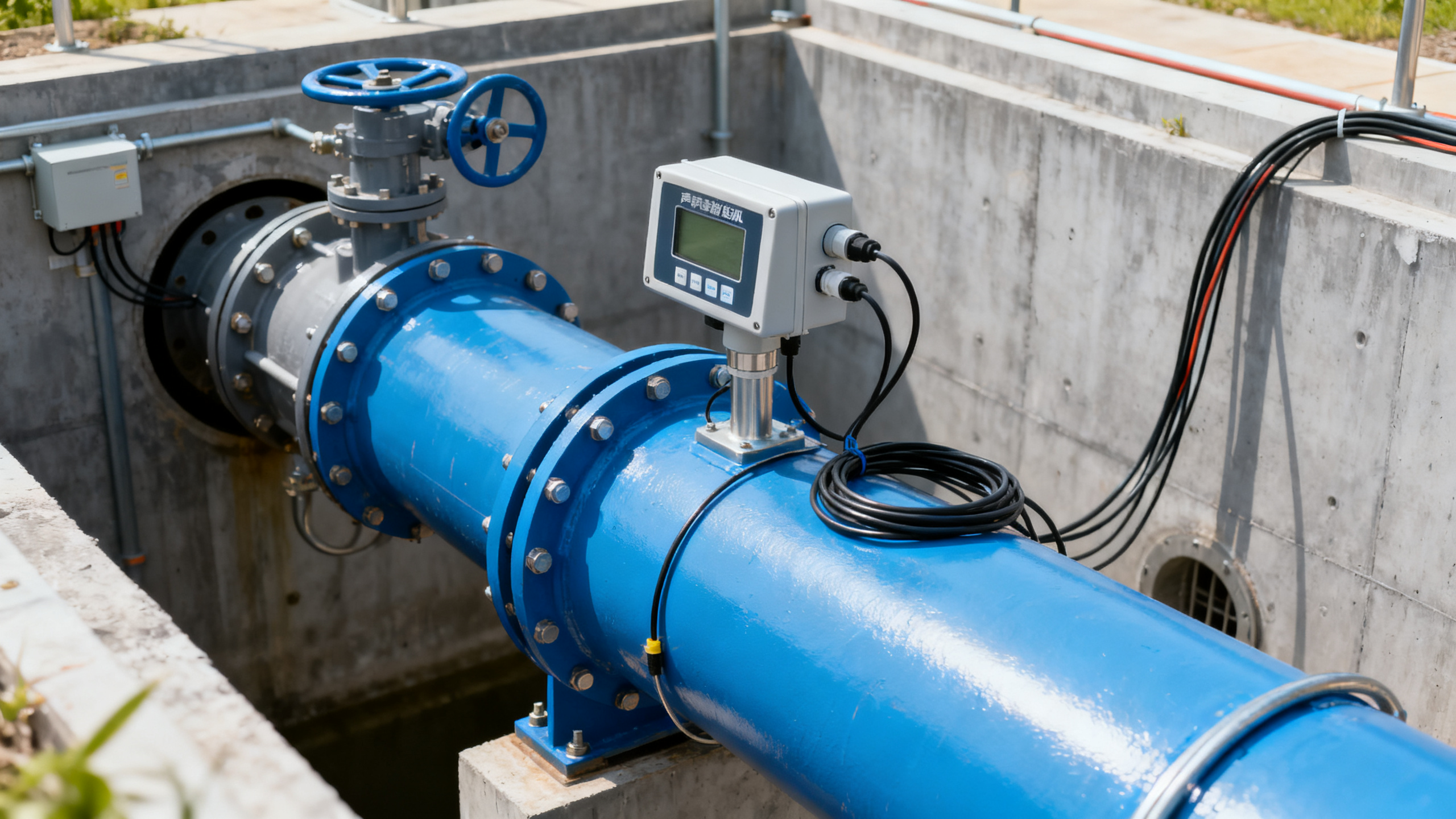
How to Choose an Ultrasonic Meter for Municipality Water Networks
Selecting the right ultrasonic meter for municipality water networks is critical to balancing accuracy, durability, and long-term operating efficiency.
The choice directly affects leak detection, billing integrity, maintenance planning, and compliance with public utility standards.
A weak specification can create years of data quality issues.
A well-matched ultrasonic meter for municipality use supports stable measurement across changing demand, pressure zones, and pipe conditions.
This guide focuses on the practical evaluation points that matter during planning, tendering, and final selection.
Why Municipality Water Networks Need Careful Meter Selection
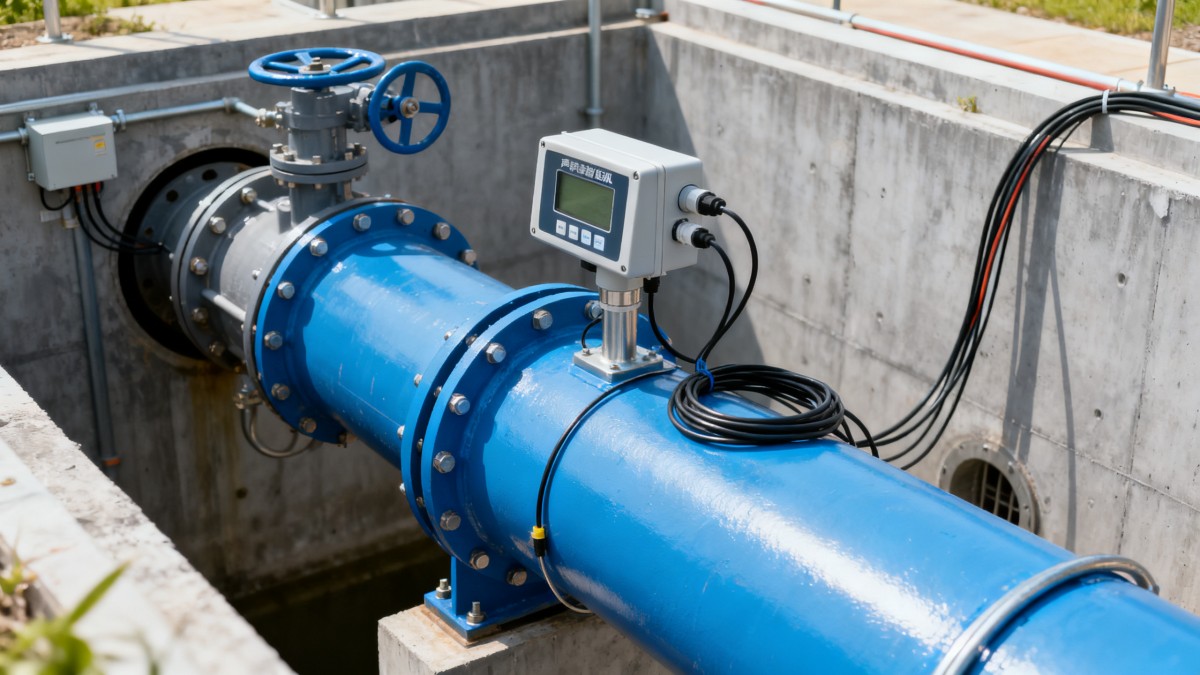
Municipal water systems are rarely uniform.
They include transmission mains, district metering areas, treatment interfaces, pumping stations, and commercial distribution branches.
Each point creates a different hydraulic profile.
That is why one ultrasonic meter for municipality projects may perform well at one location and poorly at another.
From a project perspective, the goal is not just buying a meter.
The goal is securing dependable flow data over the full asset life.
That includes low-flow sensitivity, stable readings during peak demand, and resistance to moisture, vibration, and buried installation stress.
In practical terms, a municipality water meter decision should connect engineering, operations, and procurement.
Otherwise, the lowest upfront price often becomes the highest lifecycle cost.
Start With the Network Application, Not the Product Brochure
A strong selection process begins with the actual duty point.
Brochures often highlight ideal accuracy under controlled conditions.
Municipality networks rarely operate under those conditions for long.
Before comparing brands, define the installation environment and operating profile.
- Pipe size and material
- Expected minimum, normal, and peak flow
- Water quality, solids load, and air bubble risk
- Pressure fluctuations and surge conditions
- Underground, chamber, or above-ground installation
- Required communication protocol and power source
This step narrows the field quickly.
It also helps prevent overspecifying a simple location or underspecifying a critical metering point.
Key Technical Criteria for an Ultrasonic Meter for Municipality Use
Accuracy is the first checkpoint, but it should not be the only one.
The right ultrasonic meter for municipality deployment must stay accurate across varying field conditions.
1. Flow Range and Low-Flow Performance
Many network losses appear during low-demand periods.
If the meter cannot capture low flows reliably, leak analysis becomes less trustworthy.
Check the turndown ratio and verify performance at both low and high ends.
2. Installation Tolerance
Straight pipe requirements matter more than many tenders admit.
In retrofit work, available space may be limited.
Review upstream and downstream requirements, especially near valves, bends, and pumps.
3. Pipe and Liner Compatibility
Not every ultrasonic flow meter behaves the same across ductile iron, steel, PVC, or lined pipe systems.
Confirm the manufacturer’s experience with your exact pipe construction and diameter range.
4. Power and Battery Life
Battery-powered meters are common in remote chambers and district metering zones.
Look beyond headline battery life.
Ask how data logging, transmission frequency, and temperature affect actual service life.
5. Environmental Protection
Municipality installations often face condensation, flooding, dust, and thermal swings.
Check enclosure rating, sensor sealing, cable durability, and long-term resistance to corrosion.
Data, Connectivity, and System Integration Matter More Than Ever
Metering value now depends heavily on what happens after measurement.
An ultrasonic meter for municipality networks should fit the utility’s digital architecture from day one.
That usually means compatibility with SCADA, AMI, telemetry, or leak management platforms.
In recent projects, this has become a decisive factor.
A meter with good accuracy but poor data integration creates manual work and delayed response.
Review these points during evaluation:
- Supported outputs such as pulse, 4-20 mA, Modbus, M-Bus, or digital telemetry
- Data logging depth and interval flexibility
- Alarm capability for reverse flow, empty pipe, tamper, or burst events
- Remote firmware updates and diagnostic access
- Cybersecurity and user access control where relevant
This is where future operating efficiency is often won or lost.
Compliance, Verification, and Procurement Risk Checks
For municipality procurement, documented compliance is not a formality.
It is part of risk control.
A supplier should provide traceable evidence for metrological performance and product quality.
Depending on the region, standards and approval needs may differ.
Still, several checks remain broadly useful.
A capable ultrasonic meter for municipality infrastructure should arrive with strong paperwork, not just strong claims.
Common Selection Mistakes and How to Avoid Them
Several mistakes show up repeatedly in municipality water projects.
Most are preventable with better early-stage review.
- Selecting on nominal diameter alone. Flow profile and minimum demand matter just as much.
- Ignoring installation constraints. Tight chambers can compromise a theoretically suitable meter.
- Underestimating communication needs. Manual collection quickly becomes expensive at network scale.
- Treating all suppliers as equal. Municipal support capability varies widely.
- Using purchase price as the main benchmark. Maintenance, data gaps, and failure rates drive real cost.
A better approach is to score each ultrasonic meter for municipality use against a weighted decision matrix.
Typical scoring categories include accuracy, integration, enclosure rating, support strength, and total lifecycle cost.
A Practical Shortlist Framework for Final Decision-Making
When the longlist is reduced to two or three options, use a simple field-oriented framework.
It keeps the decision grounded in operational reality.
Define the must-haves
Set non-negotiable criteria first.
These usually include accuracy class, power mode, communication protocol, and environmental rating.
Request application-specific references
Ask for comparable municipality installations, not generic water industry references.
Similar pipe sizes, climates, and network conditions make the feedback more useful.
Validate commissioning and support
Good meters still fail projects when startup support is weak.
Confirm training, diagnostics, spare availability, and escalation procedures before award.
Run a lifecycle cost view
Compare ten-year cost, not invoice price.
Include battery replacement, downtime exposure, recalibration, communication charges, and maintenance visits.
Final Takeaway
Choosing an ultrasonic meter for municipality water networks is ultimately a risk-and-performance decision.
The best option is the one that matches hydraulic reality, digital integration needs, and long-term maintenance strategy.
That usually means asking harder questions before procurement closes.
If a supplier can show verified performance, relevant references, and dependable support, the decision becomes much clearer.
For municipality water projects, a carefully selected ultrasonic meter for municipality use does more than measure flow.
It strengthens billing confidence, improves loss control, and supports a more resilient network over time.
Technical Specifications
- How to Select Electronic Hotel Key Card Locks for Guest Rooms and Staff AreasAuthor :Safety Compliance Lead
- How to Select Lab Instruments for Reliable Chemical Analysis WorkflowsAuthor :Precision Metrology Expert
- How to Size a UPS for Server Rooms: Load, Runtime, and Redundancy FactorsAuthor :Grid Infrastructure Analyst
Expert Insights

Chief Security Architect
Dr. Thorne specializes in the intersection of structural engineering and digital resilience. He has advised three G7 governments on industrial infrastructure security.
Related Analysis
- Sep 17, 2026How to Select Electronic Hotel Key Card Locks for Guest Rooms and Staff AreasAuthor :Safety Compliance Lead
- Sep 16, 2026How to Select Lab Instruments for Reliable Chemical Analysis WorkflowsAuthor :Precision Metrology Expert
- Sep 15, 2026How to Size a UPS for Server Rooms: Load, Runtime, and Redundancy FactorsAuthor :Grid Infrastructure Analyst
Core Sector // 01
Security & Safety
- How to Size a Wafer Butterfly Valve for HVAC Chilled-Water and Heating LoopsAuthor :Environmental Engineering Director

- How Pressure Class and Joint Design Affect Long-Term Performance of Ductile Iron Pipes in Drainage InfrastructureAuthor :Environmental Engineering Director

- How Ductile Iron Pipe Joints Affect Installation Reliability and Leak ControlAuthor :Environmental Engineering Director

- How to Size Effluent Treatment Equipment for Variable Industrial Wastewater LoadsAuthor :Environmental Engineering Director

- US Battery Push Raises New Entry Rules for SuppliersAuthor :Environmental Engineering Director

- EU EMC Rule Tightens for Water Treatment ExportsAuthor :Environmental Engineering Director

- EU REACH Restriction Targets PFAS Water Treatment ImportsAuthor :Environmental Engineering Director

- EU Mandates EN 14113:2026 for Water Treatment ExportsAuthor :Environmental Engineering Director