EU Updates CE Rules for Water Treatment Systems
Author
Date Published
Reading Time

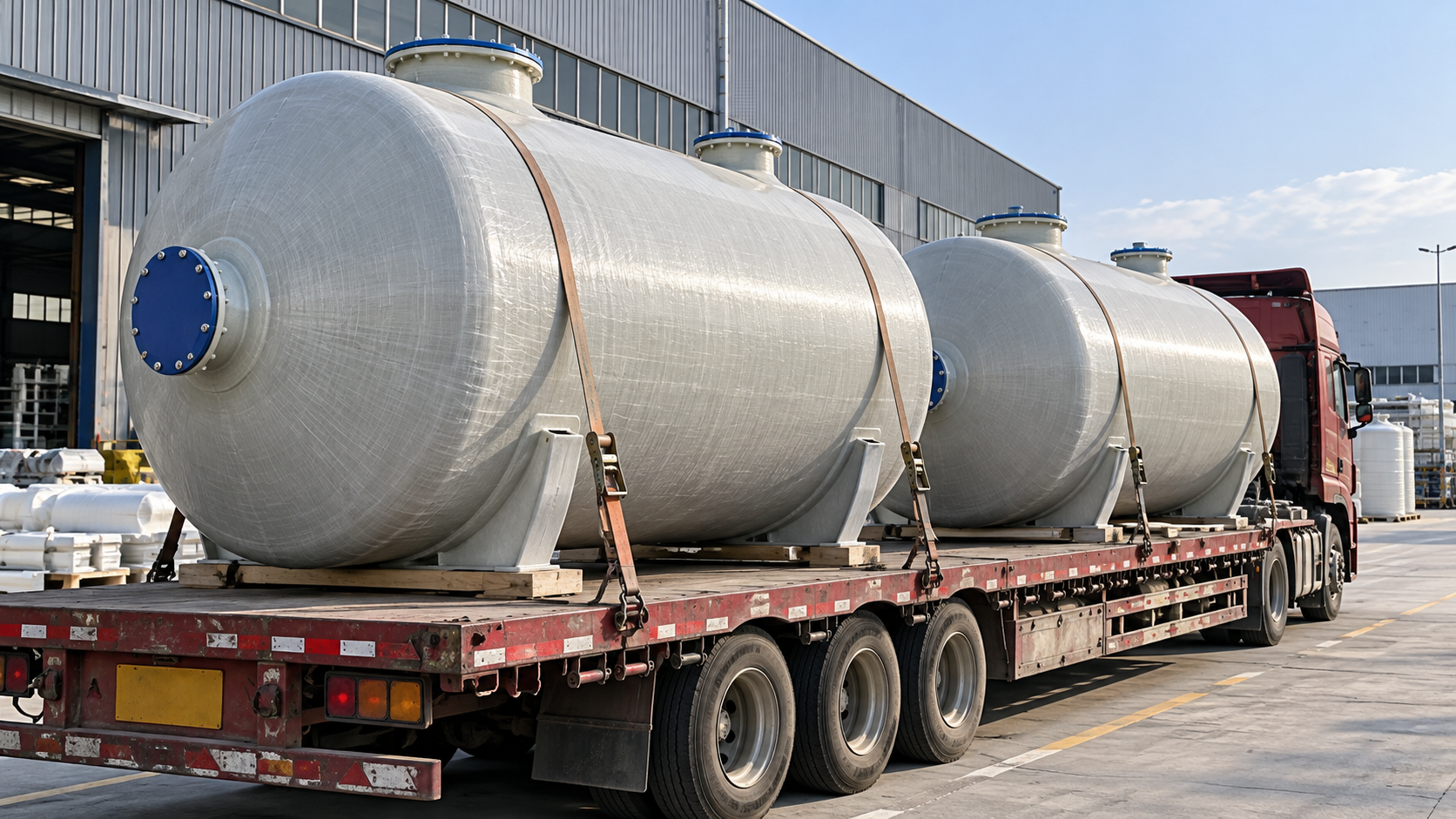
On 26 June 2026, the European Commission published updated CE marking guidance for industrial water treatment equipment, with stricter performance verification and digital conformity documentation required by 1 July 2026. The change directly concerns pressure vessels, membrane filtration units, and chemical dosing systems, and it matters because it can affect certification preparation, export clearance, procurement review, and final delivery into EU member state markets.

What the new guidance confirms
The confirmed update is limited but commercially significant. The European Commission has issued revised CE marking guidance for industrial water treatment systems. The guidance introduces stricter performance verification requirements and requires digital conformity documentation by 1 July 2026. The stated product scope includes pressure vessels, membrane filtration units, and chemical dosing systems, which are key components within the industrial water treatment category. For products that do not comply, the stated consequences include customs delays and market withdrawal in EU member states.
Where the pressure is likely to appear first
Export shipments may face tighter document checks
From an industry perspective, exporters of covered equipment are likely to feel the change first because customs delays are explicitly mentioned in the event summary. This means shipment readiness will depend not only on the product itself, but also on whether conformity records are complete, current, and available in the required digital form. What deserves closer attention is the connection between technical files, declaration materials, and shipping timelines.
Manufacturers will need closer alignment between testing and market access
Manufacturing companies involved in pressure vessels, membrane filtration units, and chemical dosing systems may be affected at the point where design verification, internal review, and product release connect to CE marking. Analysis shows that stricter performance verification can create additional pressure on testing evidence, technical validation, and document consistency, especially for products already planned for EU delivery around the implementation date.
Procurement and project delivery teams may need to tighten supplier review
Buyers, integrators, and project procurement teams may also be affected because non-compliant products risk customs delay or withdrawal after entry into the market. Observably, this can influence supplier qualification, bid review, acceptance documentation, and delivery scheduling. For companies sourcing complete systems or key modules, the practical issue is whether suppliers can present conformity materials in a form that matches the new guidance before equipment is dispatched or installed.
Certification and testing service providers may see higher documentation demands
Companies supporting compliance, testing, inspection, or documentation preparation may face more requests related to performance verification records and digital conformity files. This is not confirmation of a market outcome, but an analytical reading of the rule change: once digital documentation becomes a stated requirement, the quality, traceability, and readiness of compliance materials are likely to receive more scrutiny across the supply chain.
What companies should review now
Check whether affected product lines fall within the stated scope
Companies should first review whether their offerings include pressure vessels, membrane filtration units, or chemical dosing systems used in industrial water treatment. This is the most direct starting point for deciding which shipments, tenders, or EU-facing projects may require immediate compliance attention.
Review how performance evidence is prepared and retained
Analysis shows that stricter performance verification is the most operational part of the change. Companies should pay attention to whether existing test records, validation materials, and technical documentation are sufficient for CE marking under the updated guidance. The event summary does not provide detailed execution criteria, so this should be treated as an area for continued review rather than as a fully defined checklist.
Prepare for digital conformity documentation workflows
The move toward digital conformity documentation deserves close attention because it can affect document formatting, storage, retrieval, and handover between compliance, sales, logistics, and customer-facing teams. For exporters and suppliers, the practical issue is not only whether documentation exists, but whether it can be presented in a usable digital form when customs, buyers, or market surveillance authorities request it.
Reassess delivery timing and contract documentation for EU business
Observably, companies with near-term EU deliveries may need to revisit delivery schedules, supplier submissions, and contract attachments where CE-related records are expected. This is particularly relevant where project acceptance, customs timing, and after-sales traceability depend on complete conformity files. The summary does not confirm how quickly market participants will apply the updated guidance in practice, so timing risk remains something to monitor closely.
Why this looks like an execution signal, not just a formal update
From an industry perspective, this development is more appropriate to understand as an execution-oriented compliance signal than as a purely symbolic policy update. The reason is straightforward: the summary ties the guidance not only to documentation and verification requirements, but also to concrete commercial consequences such as customs delays and market withdrawal. At the same time, analysis shows that the available information is still limited. That means companies should not assume every enforcement detail is already settled; they should instead watch for how the guidance is reflected in certification practice, procurement documents, and transaction-level review.
How this development should be read for the market
In practical terms, the update points to a higher compliance threshold for industrial water treatment equipment entering the EU market, especially where CE marking depends on performance evidence and document readiness. A balanced reading is that this is already a meaningful rule change, but not yet a fully transparent enforcement picture based on the information provided here. For the market, the sensible conclusion is to treat it as a real compliance and delivery risk signal that deserves immediate internal review and continued observation.
Basis of this article and what still needs verification
This article is generated based on the user-provided news title, event date, and event summary. For developments of this kind, commonly relevant source categories may include official notices, releases from regulatory authorities, customs or trade administration information, industry association updates, standard-setting documents, and reporting by authoritative trade media. A specific official source link was not provided in the input, so that link still needs to be verified on an ongoing basis. Further observation should focus on detailed implementation language, certification interpretation, changes in tender or procurement documentation, market feedback, and how companies are executing compliance in practice.
Technical Specifications
- Air Handling Unit Supplier Checklist: Performance Data, Lead Times, and SupportAuthor :Environmental Engineering Director
- Buying Fiberglass Water Tanks Wholesale: Compare Quotes and Delivery CostsAuthor :Environmental Engineering Director
- Choosing an XLPE Power Cable Supplier: Test Reports, Traceability, and Lead TimesAuthor :Grid Infrastructure Analyst
Expert Insights

Chief Security Architect
Dr. Thorne specializes in the intersection of structural engineering and digital resilience. He has advised three G7 governments on industrial infrastructure security.
Related Analysis
- Oct 19, 2026Air Handling Unit Supplier Checklist: Performance Data, Lead Times, and SupportAuthor :Environmental Engineering Director
- Oct 18, 2026Buying Fiberglass Water Tanks Wholesale: Compare Quotes and Delivery CostsAuthor :Environmental Engineering Director
- Oct 17, 2026Choosing an XLPE Power Cable Supplier: Test Reports, Traceability, and Lead TimesAuthor :Grid Infrastructure Analyst
Core Sector // 01
Security & Safety
- Buying Fiberglass Water Tanks Wholesale: Compare Quotes and Delivery CostsAuthor :Environmental Engineering Director

- How to Select Industrial pH Meters for Continuous Wastewater Process ControlAuthor :Environmental Engineering Director

- How to Size a Rinse Fill Cap Machine for Your Bottle Format and Target OutputAuthor :Environmental Engineering Director

- How to Size a Heavy-Duty Submersible Sewage Pump for High-Solids Lift StationsAuthor :Environmental Engineering Director

- How to Size a Wafer Butterfly Valve for HVAC Chilled-Water and Heating LoopsAuthor :Environmental Engineering Director

- How Pressure Class and Joint Design Affect Long-Term Performance of Ductile Iron Pipes in Drainage InfrastructureAuthor :Environmental Engineering Director

- How Ductile Iron Pipe Joints Affect Installation Reliability and Leak ControlAuthor :Environmental Engineering Director

- How to Size Effluent Treatment Equipment for Variable Industrial Wastewater LoadsAuthor :Environmental Engineering Director