Bearing and Seal Lead Times Stretch to 22 Weeks
Author
Date Published
Reading Time
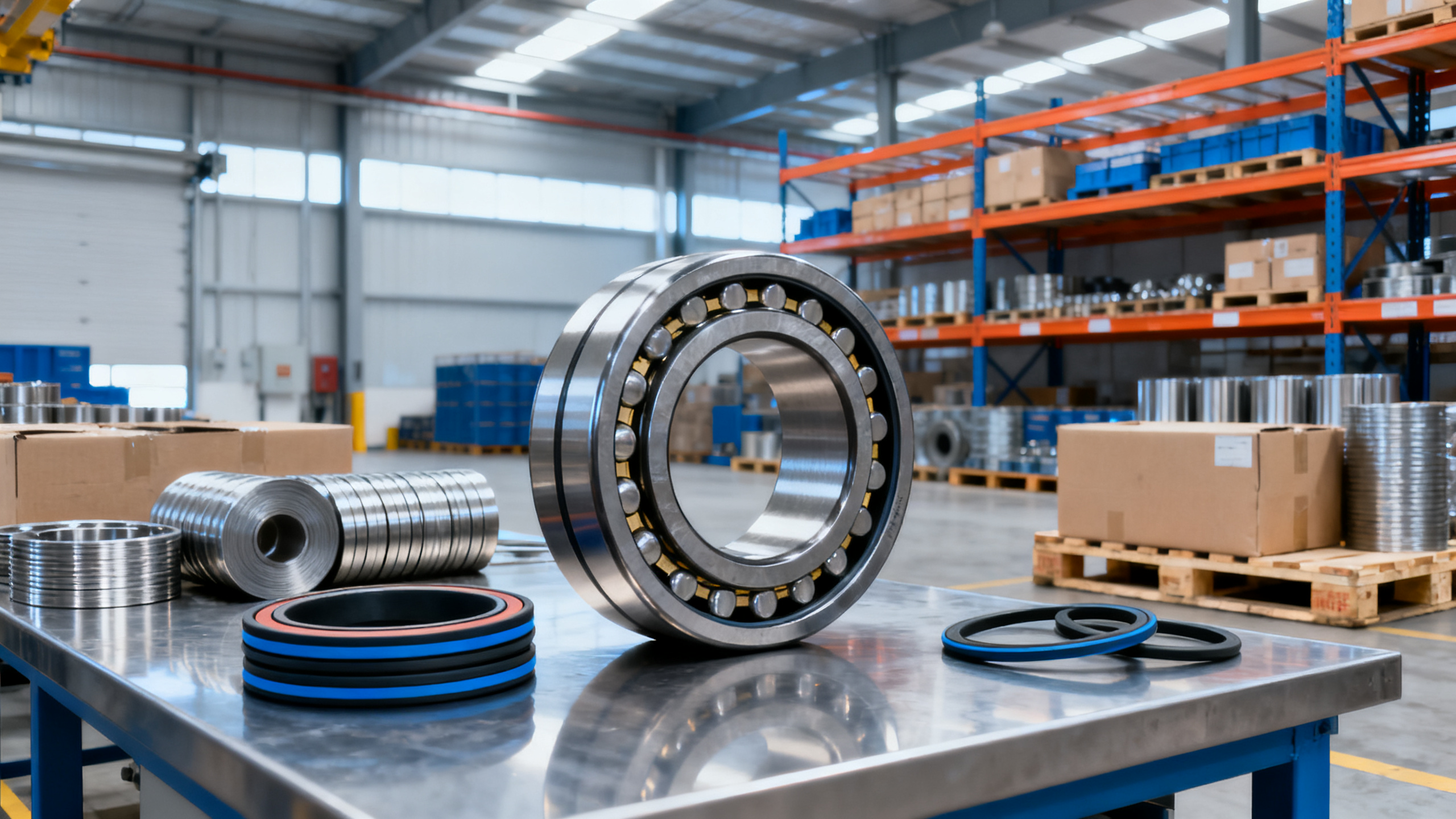
On June 26, 2026, the latest update tied to the global bearings and seals supply chain signaled a sharp extension in delivery cycles: lead times for precision bearings and elastomeric seals moved to 18-22 weeks from 12 weeks in May. The shift matters not only to component buyers and exporters, but also to manufacturers, importers, and supply-chain teams managing delivery commitments across cross-border industrial trade. What deserves closer attention is that the delay is linked to specific raw material pressure points in Japan and Germany, while trade flows from China appear operationally stable but face closer document and traceability review from EU buyers.
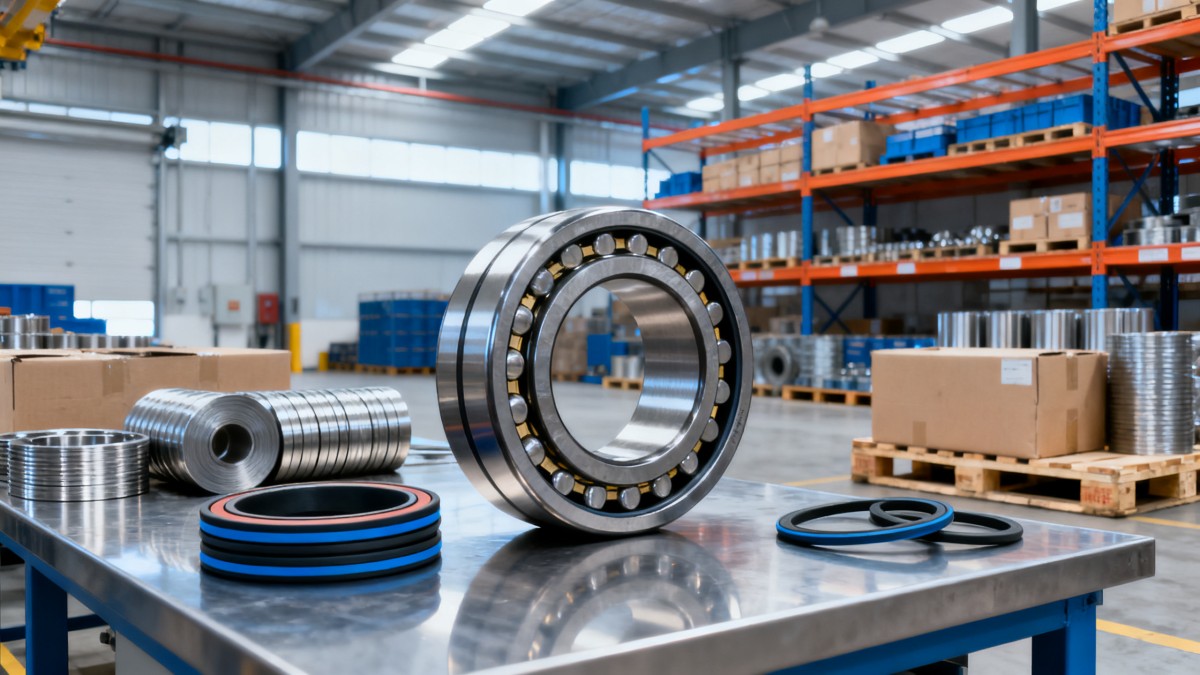
What the latest supply index confirms
According to the latest Bearing Industry Association (BIA) Global Supply Index, lead times for precision bearings and elastomeric seals have risen to a range of 18-22 weeks. In May, the same delivery window was reported at 12 weeks, indicating a clear month-to-month increase.
The reported causes are two material-side constraints in key markets: nickel alloy shortages in Japan and fluoropolymer supply limitations in Germany. At the same time, Chinese exporters are reported to have stable capacity, but they are also facing stricter inspection scrutiny from EU importers focused on material traceability.
Where the pressure is likely to be felt first
Procurement teams face longer planning cycles
From an industry perspective, buyers sourcing precision bearings and elastomeric seals may feel the impact first because the reported lead-time extension directly affects ordering schedules and replenishment timing. The main pressure point is not only availability, but also the need to reassess when purchase decisions must be locked in.
Manufacturers may need closer coordination on component timing
For processing and manufacturing businesses that depend on these inputs, the most immediate risk is disruption in production scheduling where bearings or seals are critical parts of a broader assembly process. Observably, the practical issue is whether current delivery assumptions remain valid under an 18-22 week lead-time environment.
Exporters and trading companies face a compliance layer, not only a delivery issue
Chinese exporters are described as having stable capacity, which suggests the main concern is not purely output. What deserves closer attention is the added scrutiny from EU importers verifying material traceability. For trading businesses, this can shift part of the operational burden toward documentation, evidence readiness, and communication around material origin and consistency.
EU import-side review may affect transaction speed
For importers and channel participants in the EU market, the development points to a tighter verification posture. Even where supply remains available, inspection intensity can affect order confirmation, customs-related preparation, or acceptance procedures at the commercial level. The issue to watch is whether traceability checks remain a targeted response or become a broader purchasing expectation.
What companies should watch now
Separate capacity status from delivery certainty
Analysis shows that stable supplier capacity should not automatically be read as stable delivery timing. Companies involved in purchasing and sales should distinguish between a supplier's ability to produce and the actual time required for shipment approval, inspection alignment, and customer acceptance.
Review traceability records before customer requests escalate
Because EU importers are increasing scrutiny over material traceability, firms handling these products should pay closer attention to the completeness and consistency of supporting records. In practical terms, the focus is less on generic compliance language and more on whether documentation can withstand buyer-level verification without delaying transactions.
Revisit customer communication on lead-time assumptions
Where contracts, quotations, or rolling forecasts were built around shorter delivery windows, the updated lead-time range may require earlier communication with customers and counterparties. Observably, the risk is not only delay itself, but a mismatch between existing expectations and current supply conditions.
Track whether material constraints remain localized or spread into wider sourcing decisions
The current facts point specifically to nickel alloy shortages in Japan and fluoropolymer constraints in Germany. Analysis shows that companies should watch whether these remain isolated bottlenecks tied to certain material streams, or whether buyers begin to change sourcing preferences and approval standards more broadly in response.
How this development is best understood at this stage
Analysis shows that this update should not yet be treated as a complete restructuring of the industrial bearings and seals market. It is more appropriate to understand it as a strong near-term warning signal centered on raw material availability and verification requirements. The increase from 12 weeks in May to 18-22 weeks is significant, but the currently confirmed information still describes a specific moment in supply conditions rather than a settled long-term outcome.
At the same time, the combination of upstream material shortages and downstream traceability scrutiny is notable. From an industry perspective, this means the market is not dealing with a single bottleneck. Timing pressure and compliance pressure are appearing together, which can matter as much as pure production capacity in real transactions.
Why the market should keep this on watch
The industry significance of this update lies in the way it connects raw material constraints in Japan and Germany with practical trade friction in the EU-facing supply chain. For now, it is more appropriate to understand the development as an active situation requiring close monitoring rather than a final conclusion about long-term supply availability.
A neutral reading is that the current signal is strongest for companies exposed to precision bearings, elastomeric seals, and EU-bound trade where delivery timing and material traceability both affect execution. The next useful question for the market is whether lead times stabilize, extend further, or begin to normalize as material-side pressure and importer checks evolve.
Basis of this article and points for further verification
This article is based on the user-provided news title, event date, and event summary related to global lead times for industrial bearings and seals on June 26, 2026. The current input does not provide a specific official source link, so the precise official link remains unconfirmed and should continue to be verified.
For this type of industry update, commonly relevant source categories may include industry association releases, official company statements, authoritative media reporting, and standard-setting or trade-related documentation. Further observation should focus on any follow-up statements tied to lead-time changes, raw material supply conditions, and the scope of EU importer traceability checks.
Technical Specifications
- Air Handling Unit Supplier Checklist: Performance Data, Lead Times, and SupportAuthor :Environmental Engineering Director
- Buying Fiberglass Water Tanks Wholesale: Compare Quotes and Delivery CostsAuthor :Environmental Engineering Director
- Choosing an XLPE Power Cable Supplier: Test Reports, Traceability, and Lead TimesAuthor :Grid Infrastructure Analyst
Expert Insights

Chief Security Architect
Dr. Thorne specializes in the intersection of structural engineering and digital resilience. He has advised three G7 governments on industrial infrastructure security.
Related Analysis
- Oct 19, 2026Air Handling Unit Supplier Checklist: Performance Data, Lead Times, and SupportAuthor :Environmental Engineering Director
- Oct 18, 2026Buying Fiberglass Water Tanks Wholesale: Compare Quotes and Delivery CostsAuthor :Environmental Engineering Director
- Oct 17, 2026Choosing an XLPE Power Cable Supplier: Test Reports, Traceability, and Lead TimesAuthor :Grid Infrastructure Analyst
Core Sector // 01
Security & Safety
- How to Select Flange Gaskets for Pressure, Temperature, and Media CompatibilityAuthor :Heavy Industry Strategist

- Selecting High-Temperature Gaskets for Steam, Flanges, and Thermal CyclingAuthor :Heavy Industry Strategist

- Selecting Low-Friction Pneumatic Seals for High-Cycle, Low-Pressure CylindersAuthor :Heavy Industry Strategist

- Selecting Spherical Roller Bearings for Mining: Load, Contamination, and Service LifeAuthor :Heavy Industry Strategist

- Do Deep Groove Ball Bearings Need Special Seals in Coastal Humidity?Author :Heavy Industry Strategist

- How to Select Anti Vibration Rubber Shock Absorbers for Machinery and EquipmentAuthor :Heavy Industry Strategist

- When to Specify Induction Hardened Slewing Ring Bearings for Heavy-Duty EquipmentAuthor :Heavy Industry Strategist

- How to Evaluate Weather Resistant EPDM Extrusion for Outdoor Sealing ApplicationsAuthor :Heavy Industry Strategist