Grease Interceptor Wholesale: What to Check Before Comparing Capacity, Material, and Compliance
Author
Date Published
Reading Time
Why does grease interceptor wholesale evaluation need more than a price check?
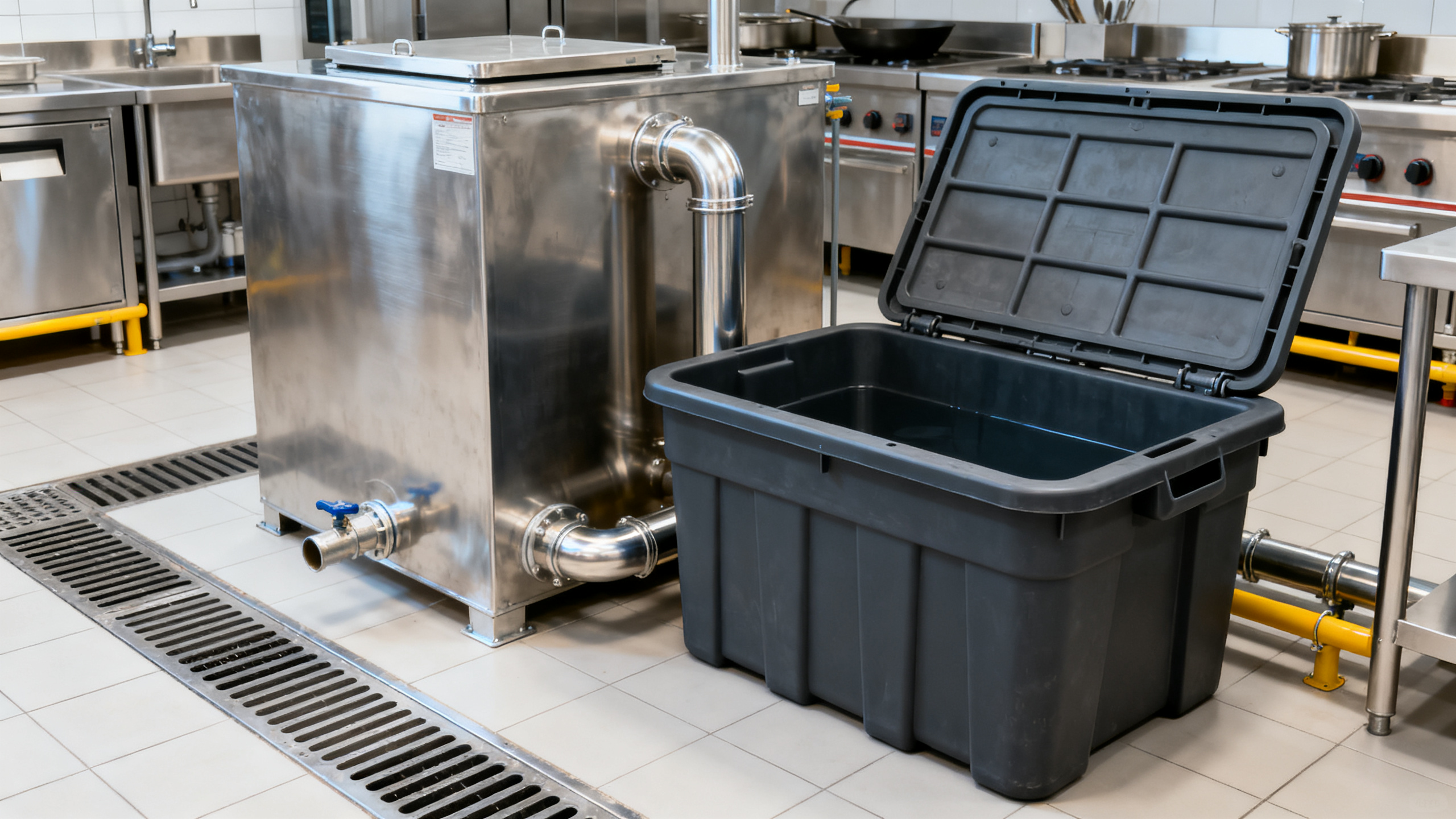
A grease interceptor is not a simple commodity item. It affects drainage reliability, hygiene control, inspection readiness, and maintenance cost over many years.
That is why grease interceptor wholesale decisions usually fail when buyers compare only unit price, body size, or quoted flow rate.
In practical sourcing, the better question is whether the unit can perform consistently under real kitchen discharge conditions.
For industrial and commercial projects, this also connects to a broader infrastructure mindset. Global Industrial Core often treats such equipment as part of operational resilience, not just plumbing hardware.
A good grease interceptor wholesale review should confirm four things early: actual capacity, material suitability, compliance evidence, and installation constraints.
Once those points are clear, cost comparisons become more meaningful. Without them, a low quote can easily become a high-risk purchase.
How do you know if the quoted capacity is realistic?
Capacity is one of the most misunderstood parts of grease interceptor wholesale sourcing. Many listings show a nominal size, but not the operating conditions behind it.
A realistic review starts with flow rate, peak discharge timing, grease load, and wastewater temperature. Those factors change separation efficiency more than tank volume alone.
Hot effluent can keep fats suspended longer. Detergents can emulsify grease. Short retention time can reduce separation even when the unit looks large on paper.
More careful suppliers provide tested flow assumptions, retention time data, and cleaning interval guidance. That information is far more useful than a broad “fits most kitchens” claim.
A useful way to compare grease interceptor wholesale offers is to place each quote against the same operating profile.
If one offer shows a smaller unit but includes verified performance assumptions, it may be safer than a larger, loosely described alternative.
Material comparison: stainless steel, HDPE, or concrete?
Material selection often decides lifecycle value in grease interceptor wholesale projects. The right choice depends on location, chemical exposure, cleaning method, and structural demands.
Stainless steel is common where hygiene, corrosion resistance, and accessible indoor installation matter. It is often preferred for food service back-of-house areas.
HDPE is lighter and easier to handle. It can work well where chemical resistance and simpler transport are priorities, especially in retrofit projects.
Concrete tends to appear in larger underground applications. It offers structural mass, but site handling, sealing quality, and long-term maintenance become more important.
The practical comparison is not about which material is universally best. It is about which one matches the environment with the least risk.
- Choose stainless steel when washdown conditions, aesthetics, and corrosion control are major concerns.
- Consider HDPE when installation access is tight and weight reduction helps project execution.
- Review concrete carefully for buried systems requiring high volume and site-specific structural support.
In grease interceptor wholesale evaluation, ask for wall thickness, weld quality, gasket material, lid construction, and resistance to cleaning chemicals. These details often explain the price gap.
Which compliance documents should be checked before placing an order?
Compliance is where many sourcing decisions become clearer. A serious grease interceptor wholesale supplier should be able to provide more than a general statement of conformity.
Local plumbing codes come first, because approval often depends on jurisdictional rules. Beyond that, buyers should review product test records, material certificates, and manufacturing quality controls.
For international or multi-site projects, recognized quality systems such as ISO-backed production processes add confidence, even if local approval remains the final gate.
When equipment is marketed for demanding industrial environments, supporting documentation matters even more. This aligns with the GIC approach to procurement intelligence: trust should come from verifiable data, not catalog language.
The most useful compliance package usually includes:
- Applicable local code references for grease separation equipment
- Factory test reports or third-party performance verification
- Material certificates for tank body and seals
- Installation drawings and maintenance instructions
- Quality management evidence such as ISO process control
If a supplier avoids specifics and offers only a generic brochure, that is usually a warning sign rather than a minor paperwork delay.
What installation details usually change the real project cost?
This is where grease interceptor wholesale quotes can become misleading. The interceptor itself may represent only part of the installed cost.
Indoor or outdoor placement changes labor, access, odor control, and cleaning logistics. Underground units may require excavation, traffic loading review, and waterproofing attention.
Retrofit work can be even more sensitive. Existing pipe elevations, floor load limits, and shutdown windows may rule out certain models before price is discussed.
It helps to compare grease interceptor wholesale options against a short implementation checklist rather than a product sheet alone.
A lower equipment price does not help much if the unit creates expensive civil modifications or difficult service access later.
Where do buyers most often make mistakes when comparing grease interceptor wholesale offers?
One common mistake is treating all rated capacities as equal. They are not, unless tested under comparable conditions.
Another mistake is ignoring maintenance realities. A unit that needs very frequent cleaning may look affordable at purchase, yet become costly in operation.
Some comparisons also overlook spare parts and support response. Covers, seals, internal baffles, and access components should be available without long delays.
There is also a documentation gap in some transactions. If submittals, drawings, and certificates arrive late, project approval can slip even when the equipment is physically ready.
A more disciplined grease interceptor wholesale review usually avoids these issues:
- Compare tested performance, not only stated volume
- Calculate cleaning frequency into total cost
- Check compliance documents before final approval stages
- Review installation drawings against actual site constraints
- Confirm after-sales support and replacement component availability
These checkpoints sound basic, but they are often what separate a smooth procurement process from repeated change orders.
So what should be on the final shortlist before choosing a supplier?
By the time a shortlist is formed, the strongest grease interceptor wholesale option is usually not the cheapest or the largest. It is the one with the clearest fit.
That fit should cover actual flow conditions, suitable material, installation practicality, compliance support, and manageable service requirements.
In many cases, the best next step is to standardize a comparison sheet before requesting final quotations. That keeps every supplier response aligned to the same technical assumptions.
A concise evaluation sheet can include rated flow basis, tank material details, dimensions, access requirements, certification package, delivery lead time, and expected maintenance interval.
This approach reflects the wider GIC sourcing logic used across critical industrial systems: verified performance and documented compliance reduce risk better than headline discounts.
If grease interceptor wholesale sourcing is approaching final review, organize the site data first, challenge unsupported capacity claims, and compare long-term operating implications alongside purchase cost.
That makes the final decision easier to defend, easier to implement, and more likely to perform well after installation.
Technical Specifications
- Air Handling Unit Supplier Checklist: Performance Data, Lead Times, and SupportAuthor :Environmental Engineering Director
- Buying Fiberglass Water Tanks Wholesale: Compare Quotes and Delivery CostsAuthor :Environmental Engineering Director
- Choosing an XLPE Power Cable Supplier: Test Reports, Traceability, and Lead TimesAuthor :Grid Infrastructure Analyst
Expert Insights

Chief Security Architect
Dr. Thorne specializes in the intersection of structural engineering and digital resilience. He has advised three G7 governments on industrial infrastructure security.
Related Analysis
- Oct 19, 2026Air Handling Unit Supplier Checklist: Performance Data, Lead Times, and SupportAuthor :Environmental Engineering Director
- Oct 18, 2026Buying Fiberglass Water Tanks Wholesale: Compare Quotes and Delivery CostsAuthor :Environmental Engineering Director
- Oct 17, 2026Choosing an XLPE Power Cable Supplier: Test Reports, Traceability, and Lead TimesAuthor :Grid Infrastructure Analyst
Core Sector // 01
Security & Safety
- Buying Fiberglass Water Tanks Wholesale: Compare Quotes and Delivery CostsAuthor :Environmental Engineering Director

- How to Select Industrial pH Meters for Continuous Wastewater Process ControlAuthor :Environmental Engineering Director

- How to Size a Rinse Fill Cap Machine for Your Bottle Format and Target OutputAuthor :Environmental Engineering Director

- How to Size a Heavy-Duty Submersible Sewage Pump for High-Solids Lift StationsAuthor :Environmental Engineering Director

- How to Size a Wafer Butterfly Valve for HVAC Chilled-Water and Heating LoopsAuthor :Environmental Engineering Director

- How Pressure Class and Joint Design Affect Long-Term Performance of Ductile Iron Pipes in Drainage InfrastructureAuthor :Environmental Engineering Director

- How Ductile Iron Pipe Joints Affect Installation Reliability and Leak ControlAuthor :Environmental Engineering Director

- How to Size Effluent Treatment Equipment for Variable Industrial Wastewater LoadsAuthor :Environmental Engineering Director