Vietnam Tightens Entry Rules for Water Treatment Equipment
Author
Date Published
Reading Time
Vietnam’s Ministry of Industry and Trade brought Circular 28/2026/TT-BCT into effect on June 18, 2026, and the rule creates an immediate compliance threshold for imported industrial water treatment equipment from July 1. For suppliers, importers, distributors, project contractors, and industrial end users tied to equipment delivery schedules in Vietnam, the key issue is no longer only technical suitability, but whether pre-registration on the VIEP platform and the required environmental performance declaration are completed in time for customs clearance.
What the new rule requires from July 1
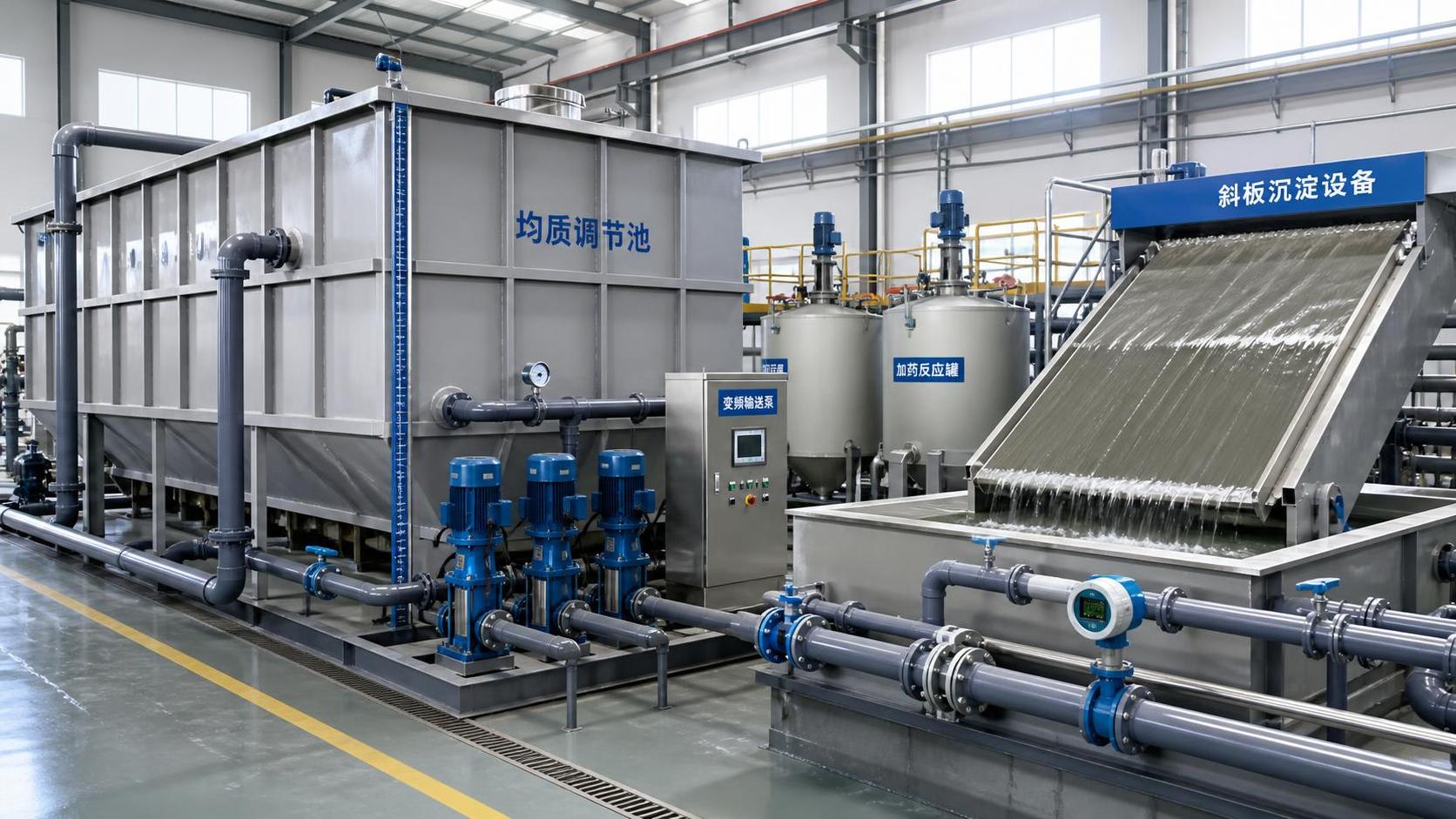
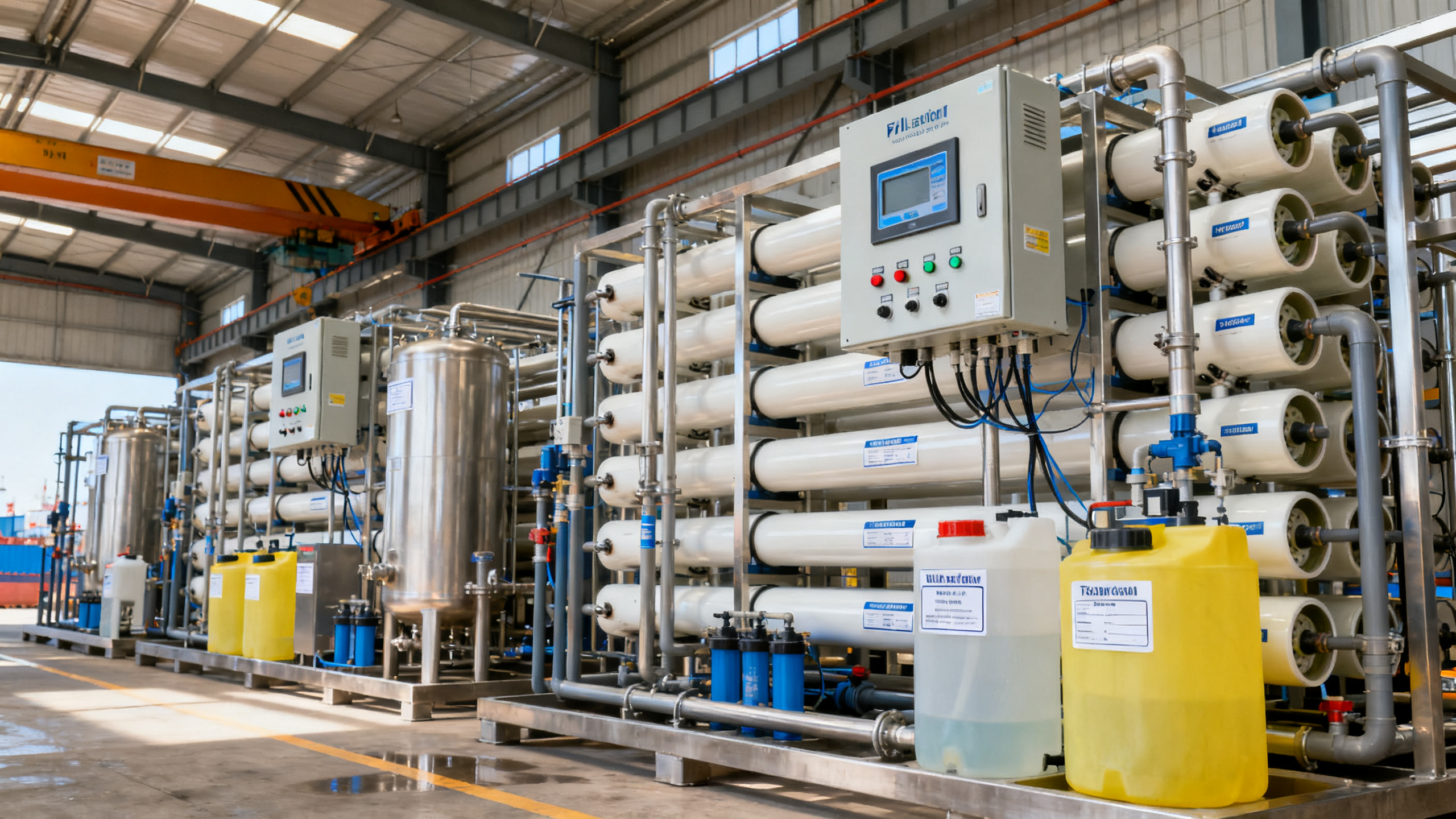
According to the provided information, the new requirement applies to all industrial water treatment equipment imported into Vietnam. The listed product scope includes RO systems, UF membrane modules, chemical dosing units, and online water quality monitoring modules.
The measure is linked to Circular 28/2026/TT-BCT of Vietnam’s Ministry of Industry and Trade, which took effect on June 18, 2026. From July 1, 2026, covered products must complete product pre-registration on the VIEP platform.
In parallel, importers must submit an Environmental Performance Conformity Declaration issued by a Vietnam-recognized laboratory. The declaration must include three core indicators: heavy metal leaching, energy consumption ratio, and sludge reduction rate.
The compliance consequence stated in the provided information is direct: if these requirements are not met, customs will not release the goods.
Where the pressure is likely to appear first
Imported equipment transactions face a documentation gate
From an industry perspective, direct trading companies and importers are likely to feel the impact first because customs release is explicitly tied to pre-registration and supporting documentation. The immediate business effect is concentrated in pre-shipment planning, import filing, and delivery timing rather than in downstream sales alone.
Equipment manufacturers may need to align product files earlier
Analysis shows that manufacturers supplying Vietnam-bound RO systems, UF membrane modules, dosing equipment, and online monitoring modules may need to prepare technical and compliance materials earlier in the sales cycle. The new requirement makes product documentation and laboratory-backed declarations more central to market access than a simple shipment-ready approach.
Project delivery and procurement schedules may become more sensitive
For engineering contractors, procurement teams, and industrial end users waiting on imported systems, the issue is less about the announcement itself and more about whether incoming equipment can pass the new entry process without delay. What deserves closer attention is the link between compliance readiness and project installation, commissioning, or replacement planning.
Service providers in the supply chain may see a coordination burden
Observably, logistics coordinators, customs service providers, and sourcing intermediaries may need to work more closely with importers and equipment suppliers. The main pressure point is coordinating product scope, registration status, and declaration paperwork before cargo reaches the clearance stage.
Practical points companies should track now
Check whether each product category falls within the covered scope
Companies dealing with industrial water treatment equipment should first map their product portfolio against the categories specifically mentioned in the provided information, including RO systems, UF membrane modules, chemical dosing units, and online water quality monitoring modules.
Confirm readiness for VIEP pre-registration
The rule creates a practical distinction between products that are technically saleable and products that are administratively ready for import. Businesses should pay close attention to whether internal teams or local partners can complete VIEP pre-registration before shipment and not after arrival.
Review laboratory documentation requirements carefully
Another key issue is the Environmental Performance Conformity Declaration from a Vietnam-recognized laboratory. Companies should focus on whether the required declaration can clearly cover the three named indicators: heavy metal leaching, energy consumption ratio, and sludge reduction rate.
Prepare for customer and supplier communication around timing
For firms already handling orders for Vietnam, the operational risk is not abstract. It is more appropriate to understand this as a documentation and scheduling issue that may affect shipment sequencing, handover commitments, and communication with buyers, suppliers, and customs-facing partners.
Why this deserves continued industry attention
Analysis shows that this development is more than a routine paperwork update because it connects environmental performance documentation directly to customs release. At the same time, based on the provided information alone, it should not yet be overstated as a broad market restructuring signal.
It is more appropriate to understand the measure, at this stage, as a clear near-term compliance change with possible longer-term implications for how imported industrial water treatment equipment is documented for the Vietnam market. Observably, the market will need to watch how consistently the registration and declaration requirements are applied in actual transactions after July 1, 2026.
How to read the current policy signal
The immediate meaning of this update is straightforward: for covered industrial water treatment equipment, market entry into Vietnam is now tied to pre-registration and environmental performance documentation in a way that directly affects customs clearance. From an industry perspective, this is best read as an actionable short-term rule change and a policy signal worth continued monitoring, rather than as a fully settled long-term market outcome.
Basis of this article and what still needs verification
This article is based on the user-provided news title, event date, and event summary concerning Vietnam’s Ministry of Industry and Trade and Circular 28/2026/TT-BCT.
For this type of industry update, relevant source categories typically include official government notices, company disclosures, industry association updates, authoritative media coverage, and standard-related documents. However, a specific official source link was not provided in the input, so the underlying text and any later implementation details should continue to be verified.
What still deserves follow-up attention includes any later official clarification on filing procedures, scope interpretation for covered equipment, and practical enforcement at the customs stage.
Technical Specifications
- Wholesale Borosilicate Lab Glassware: How Buyers Verify Quality, Specs, and Supply ReliabilityAuthor :Precision Metrology Expert
- How to Select Electronic Hotel Key Card Locks for Guest Rooms and Staff AreasAuthor :Safety Compliance Lead
- How to Select Lab Instruments for Reliable Chemical Analysis WorkflowsAuthor :Precision Metrology Expert
Expert Insights

Chief Security Architect
Dr. Thorne specializes in the intersection of structural engineering and digital resilience. He has advised three G7 governments on industrial infrastructure security.
Related Analysis
- Sep 18, 2026Wholesale Borosilicate Lab Glassware: How Buyers Verify Quality, Specs, and Supply ReliabilityAuthor :Precision Metrology Expert
- Sep 17, 2026How to Select Electronic Hotel Key Card Locks for Guest Rooms and Staff AreasAuthor :Safety Compliance Lead
- Sep 16, 2026How to Select Lab Instruments for Reliable Chemical Analysis WorkflowsAuthor :Precision Metrology Expert
Core Sector // 01
Security & Safety
- How to Size a Wafer Butterfly Valve for HVAC Chilled-Water and Heating LoopsAuthor :Environmental Engineering Director

- How Pressure Class and Joint Design Affect Long-Term Performance of Ductile Iron Pipes in Drainage InfrastructureAuthor :Environmental Engineering Director

- How Ductile Iron Pipe Joints Affect Installation Reliability and Leak ControlAuthor :Environmental Engineering Director

- How to Size Effluent Treatment Equipment for Variable Industrial Wastewater LoadsAuthor :Environmental Engineering Director

- US Battery Push Raises New Entry Rules for SuppliersAuthor :Environmental Engineering Director

- EU EMC Rule Tightens for Water Treatment ExportsAuthor :Environmental Engineering Director

- EU REACH Restriction Targets PFAS Water Treatment ImportsAuthor :Environmental Engineering Director

- EU Mandates EN 14113:2026 for Water Treatment ExportsAuthor :Environmental Engineering Director