UL 6361-1 Raises Cybersecurity Bar for Grid Devices
Author
Date Published
Reading Time
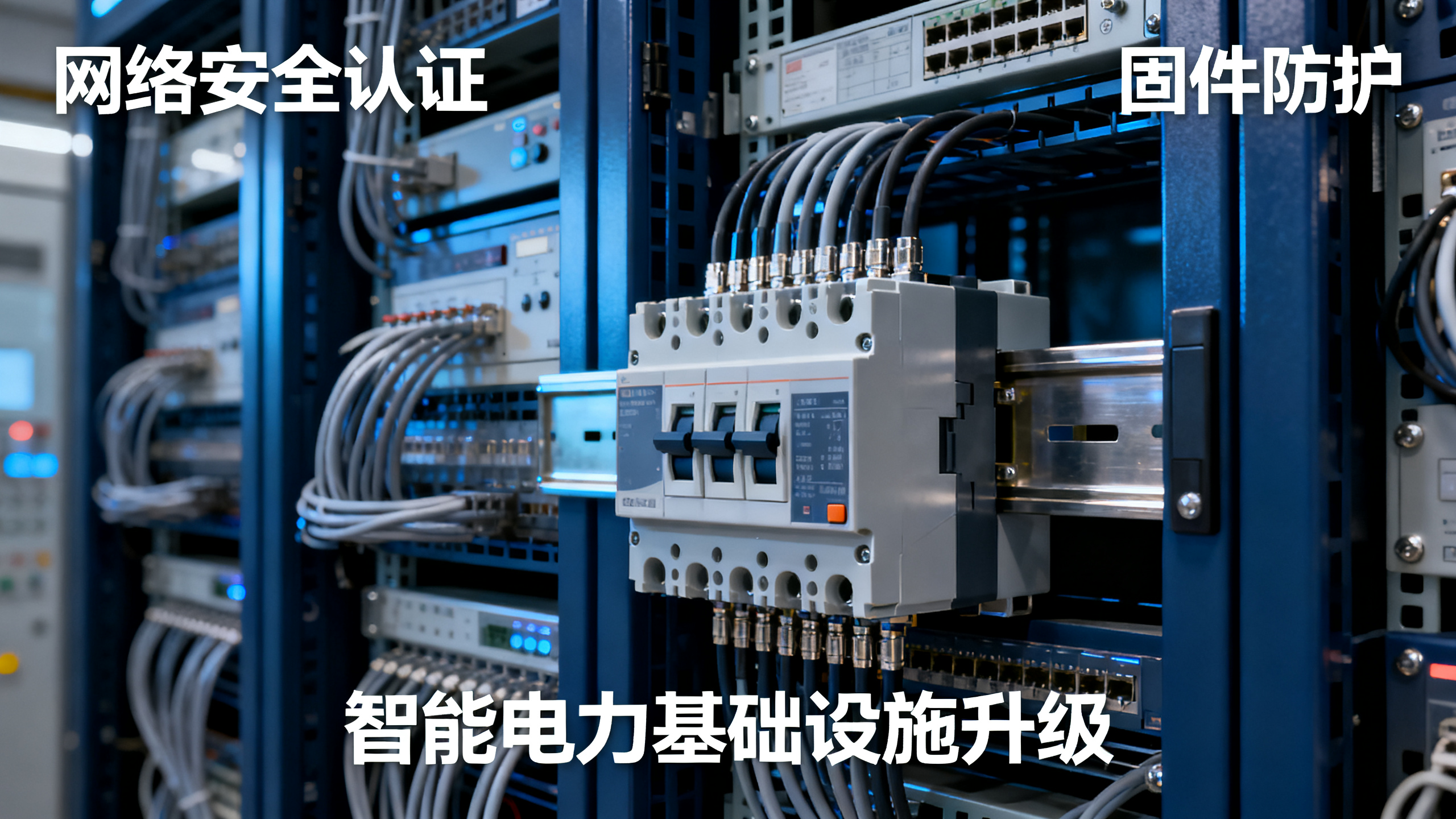
On 26 June 2026, UL Solutions announced the global rollout of UL 6361-1, a new cybersecurity certification for network-connected industrial breakers and relays, with the standard taking effect on 1 October 2026. For manufacturers, utility procurement teams, and smart-grid project suppliers, the announcement is notable because it links product cybersecurity requirements directly to market access: devices lacking this certification may face exclusion from smart-grid tenders in North America and Germany.
What UL 6361-1 Formally Introduces
According to the information provided, UL 6361-1 is a new cybersecurity standard launched by UL Solutions for network-connected breakers and relays. It becomes effective on 1 October 2026. The standard requires secure boot, firmware signing, and vulnerability disclosure protocols. The same information states that these requirements have already been adopted by major EU utilities and U.S. grid operators. It also states that products without this certification risk being excluded from smart-grid tenders in North America and Germany.
Where the Immediate Pressure May Appear
Product design and manufacturing workflows
From an industry perspective, manufacturers of connected breakers and relays may be affected first because the standard addresses product-level cybersecurity functions. The likely pressure point is not only certification itself, but also whether current devices and firmware processes can align with secure boot and firmware signing requirements in time for the effective date.
Utility and project-side procurement decisions
Procurement teams involved in smart-grid tenders may feel the impact through specification setting and vendor screening. Analysis shows that when certification becomes tied to tender eligibility, procurement criteria, prequalification reviews, and bid documentation are likely to receive closer scrutiny, especially in North America and Germany as referenced in the source information.
Supply chain and delivery coordination
Suppliers and channel partners may also need to pay attention because certification status can affect which products remain commercially usable in target projects. Observably, the business impact would be concentrated in quotation preparation, delivery planning, and customer communication where project eligibility depends on whether a device can meet the stated cybersecurity requirement.
What Companies Should Track Now
Read the standard as a market-access issue, not only a compliance item
What deserves closer attention is that the announced risk is not abstract. The provided information explicitly links non-certification with possible exclusion from smart-grid tenders in North America and Germany. For businesses serving those markets, the practical question is whether affected product lines are already mapped against this requirement.
Focus on the product categories named in the announcement
The scope described in the input is limited to network-connected breakers and relays. Companies should therefore distinguish these products from broader electrical portfolios and avoid assuming the same timing or requirement applies to every device category without further confirmation.
Check documentation and supplier communication readiness
Because the standard includes secure boot, firmware signing, and vulnerability disclosure protocols, companies involved in bids or supply agreements should pay attention to whether product claims, technical files, and supplier statements can clearly address those points. This matters most where customer qualification depends on formal proof rather than general cybersecurity language.
Watch for follow-up wording and implementation detail
Analysis shows that the announcement establishes a clear direction, but companies still need to monitor how customers, certifying bodies, and tender documents describe implementation in practice. The difference between a published standard and how it is enforced in procurement can affect planning, lead times, and customer commitments.
Why This Looks Larger Than a Routine Standard Update
Observably, this development is more than a technical standards notice because it connects cybersecurity controls with purchasing eligibility in named markets. It is more appropriate to understand this as a concrete market signal rather than a distant policy discussion. At the same time, it should not yet be overstated as a universal outcome across all regions and all electrical product categories, since the confirmed information is specific to network-connected breakers and relays and highlights North America and Germany in particular.
How the Industry May Best Read This Moment
At this stage, the announcement is best understood as a near-term operational change with longer-term signaling value. The near-term element is the effective date of 1 October 2026 and the stated tender risk for uncertified products. The longer-term signal is that cybersecurity features such as secure boot, firmware signing, and vulnerability disclosure are being treated as procurement-relevant requirements for connected grid devices. A neutral reading is that the industry should respond with attention and verification, while continuing to watch how adoption language is reflected in actual tender practice.
Basis of This Article
This article is based on the user-provided news title, event date, and event summary concerning UL 6361-1. For this type of development, commonly relevant source categories may include official announcements, corporate statements, industry association updates, authoritative media reports, and standards organization documents. The specific official source link was not provided in the input, so continued verification remains necessary. Follow-up attention should focus on any further official wording around scope, certification application, and how tender documents in the referenced markets incorporate the requirement.
Technical Specifications
- Air Handling Unit Supplier Checklist: Performance Data, Lead Times, and SupportAuthor :Environmental Engineering Director
- Buying Fiberglass Water Tanks Wholesale: Compare Quotes and Delivery CostsAuthor :Environmental Engineering Director
- Choosing an XLPE Power Cable Supplier: Test Reports, Traceability, and Lead TimesAuthor :Grid Infrastructure Analyst
Expert Insights

Chief Security Architect
Dr. Thorne specializes in the intersection of structural engineering and digital resilience. He has advised three G7 governments on industrial infrastructure security.
Related Analysis
- Oct 19, 2026Air Handling Unit Supplier Checklist: Performance Data, Lead Times, and SupportAuthor :Environmental Engineering Director
- Oct 18, 2026Buying Fiberglass Water Tanks Wholesale: Compare Quotes and Delivery CostsAuthor :Environmental Engineering Director
- Oct 17, 2026Choosing an XLPE Power Cable Supplier: Test Reports, Traceability, and Lead TimesAuthor :Grid Infrastructure Analyst
Core Sector // 01
Security & Safety
- Can SPDs Handle Repeated Voltage Spikes in Tropical Grids?Author :Grid Infrastructure Analyst

- How to Evaluate IEC-Compliant Power Protection Devices for Industrial PanelsAuthor :Grid Infrastructure Analyst

- How to Choose Smart Industrial Control Equipment for Harsh Plant EnvironmentsAuthor :Grid Infrastructure Analyst

- EU EMC Update Triggers Re-Certification for BreakersAuthor :Grid Infrastructure Analyst

- How to Select the Right SPD for Solar Inverter Protection in PV Systems?Author :Grid Infrastructure Analyst

- Industrial Valve Systems Factory Checklist: What Buyers Should Verify Before OrderingAuthor :Grid Infrastructure Analyst

- Breaker and Relay Lead Times Hit 24 WeeksAuthor :Grid Infrastructure Analyst

- IEC 61850-10-3 Sets Cybersecurity Bar for Grid DevicesAuthor :Grid Infrastructure Analyst