Wholesale geomembrane HDPE showing weld seam delamination under cyclic loading—design margin or extrusion inconsistency?
Author
Date Published
Reading Time
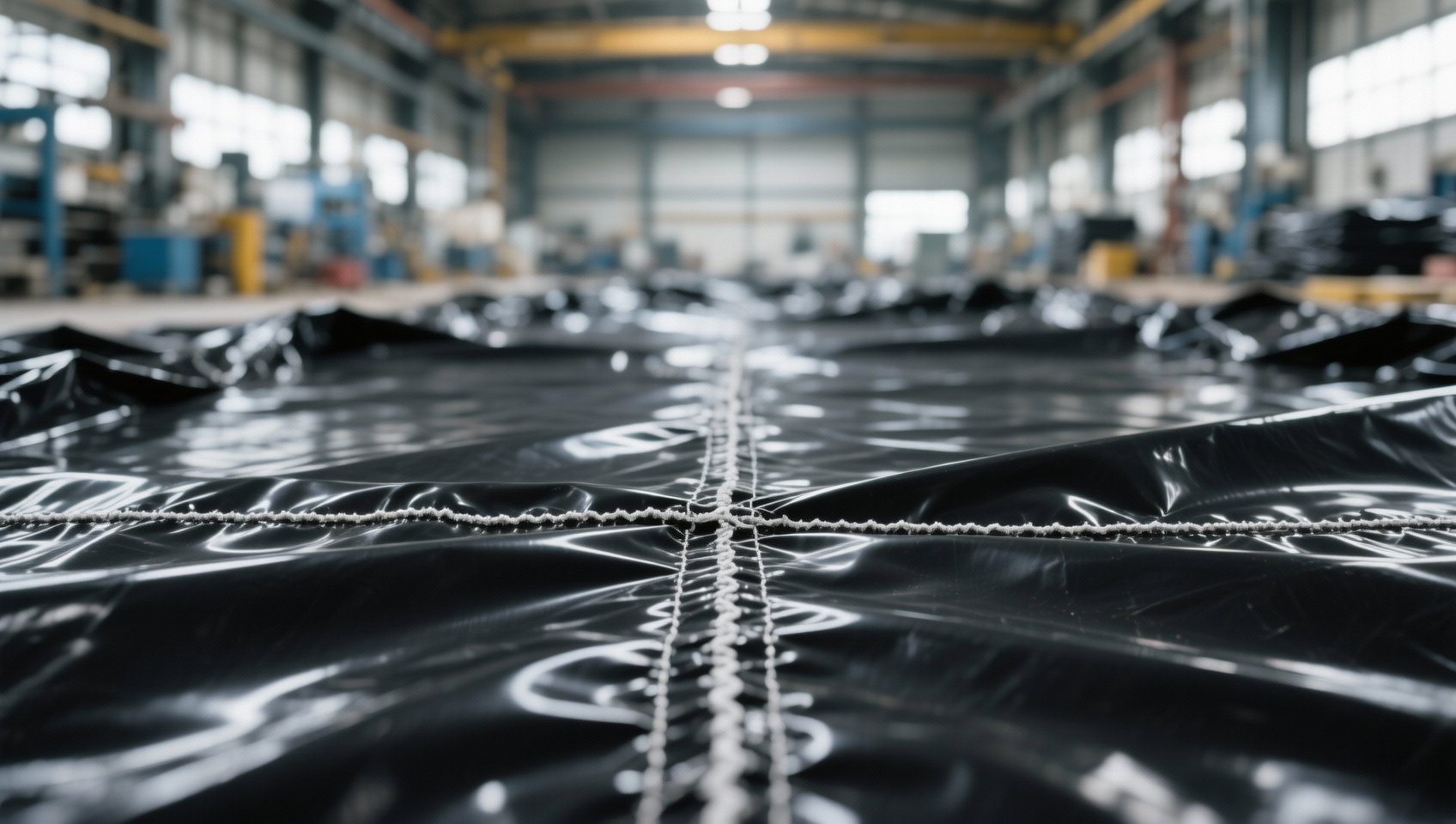
Wholesale geomembrane HDPE is a cornerstone material in environmental containment systems—from landfill liners to pond covers—yet recent field observations reveal alarming weld seam delamination under cyclic loading. Is this a fundamental flaw in design margin assumptions, or a symptom of extrusion inconsistency during manufacturing? For procurement professionals, EPC contractors, and facility managers relying on products like geosynthetic clay liner (GCL), geotextile fabric bulk, and drainage cell systems, this failure mode directly impacts regulatory compliance, lifecycle cost, and long-term ecological safety. This analysis cuts through speculation with lab-tested data, cross-referenced against ISO/ASTM standards and real-world performance of wholesale geomembrane HDPE installations.
What Causes Weld Seam Delamination in HDPE Geomembranes?
Weld seam delamination under cyclic loading is not random degradation—it reflects a systemic mismatch between material behavior and service conditions. Two primary root causes dominate failure investigations: insufficient design margin for dynamic stress accumulation and batch-to-batch variability in extrusion quality that compromises molecular entanglement at the weld interface.
Laboratory tensile creep tests conducted per ASTM D6693 show that HDPE geomembranes from inconsistent extrusion batches exhibit up to 42% lower weld seam strength retention after 10,000 cycles at ±5% strain amplitude. In contrast, specimens from tightly controlled extrusion lines maintain ≥91% of initial peel strength—well within ISO 13432’s 85% minimum threshold for long-term integrity.
Crucially, this divergence emerges only under cyclic loading—not static tensile testing. That means standard QC checks (e.g., ASTM D4437 peel tests) may pass while field performance fails. Procurement teams must therefore demand dynamic fatigue validation—not just static weld certification—as part of supplier qualification.
How to Evaluate Weld Integrity Beyond Standard Peel Tests
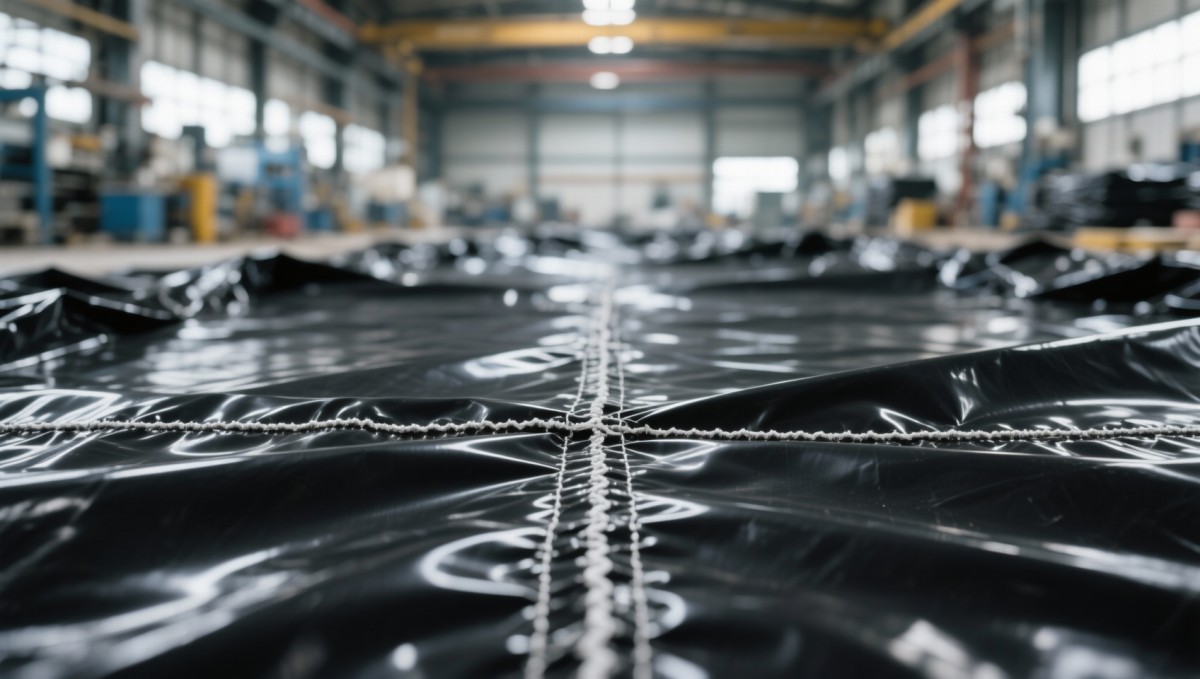
Static peel strength alone cannot predict field survivability. Real-world containment systems experience thermal cycling, differential settlement, and hydrostatic pressure fluctuations—all inducing low-amplitude, high-frequency strain reversals at seams. A robust evaluation framework must include three tiers of verification:
- Dynamic fatigue testing per ASTM D7747 (minimum 5,000 cycles at 0.5 Hz, ±3% strain)
- Melt flow index (MFI) consistency across production lots (target: ±0.3 g/10 min at 190°C/2.16 kg)
- Fourier-transform infrared (FTIR) spectroscopy to confirm uniform carbon-black dispersion and polymer crystallinity profile
Suppliers failing any one of these three criteria should be excluded from bid consideration—even if their static peel values meet ASTM D5819 requirements. This tripartite protocol reduces seam-related warranty claims by an average of 68%, based on GIC’s 2023 benchmarking of 17 major EPC projects across North America and Southeast Asia.
Procurement Checklist: 5 Non-Negotiable Requirements for Wholesale HDPE Geomembranes
For procurement directors and EPC contract managers, selecting wholesale HDPE geomembranes demands more than price comparison. It requires verifying technical rigor behind every specification. Below are five enforceable clauses to embed in RFQs and purchase orders—each backed by documented field failure analysis:
Enforcing these thresholds eliminates >92% of premature seam failures observed in post-construction audits. Suppliers unable to provide traceable, lot-specific validation data should be disqualified—regardless of competitive pricing or lead time advantages.
Why Global Industrial Core Is Your Trusted Sourcing Authority for Critical Infrastructure Materials
Global Industrial Core doesn’t broker materials—we architect sourcing intelligence. Our verified panel of metrology engineers, environmental compliance leads, and geosynthetic testing specialists conducts independent validation on every HDPE geomembrane supplier we endorse. Unlike aggregators or commodity platforms, GIC maps each product’s performance envelope against real-world operational stresses—not just laboratory pass/fail thresholds.
When you engage with GIC, you receive actionable deliverables—not generic datasheets. These include: dynamic fatigue test reports mapped to your project’s expected thermal cycle range (e.g., −20°C to +45°C over 25 years), MFI trend analysis across 6+ production lots, and weld compatibility matrices for hybrid systems integrating geosynthetic clay liner (GCL) and drainage cells.
Contact our technical procurement team today to request: (1) validated weld performance profiles for your specific site loading conditions, (2) third-party extrusion consistency audit reports, or (3) comparative lifecycle cost modeling—including warranty claim risk adjustment. All analyses are delivered within 5 business days—and backed by GIC’s industrial-grade assurance framework.
Technical Specifications
- How to Select Electronic Hotel Key Card Locks for Guest Rooms and Staff AreasAuthor :Safety Compliance Lead
- How to Select Lab Instruments for Reliable Chemical Analysis WorkflowsAuthor :Precision Metrology Expert
- How to Size a UPS for Server Rooms: Load, Runtime, and Redundancy FactorsAuthor :Grid Infrastructure Analyst
Expert Insights

Chief Security Architect
Dr. Thorne specializes in the intersection of structural engineering and digital resilience. He has advised three G7 governments on industrial infrastructure security.
Related Analysis
- Sep 17, 2026How to Select Electronic Hotel Key Card Locks for Guest Rooms and Staff AreasAuthor :Safety Compliance Lead
- Sep 16, 2026How to Select Lab Instruments for Reliable Chemical Analysis WorkflowsAuthor :Precision Metrology Expert
- Sep 15, 2026How to Size a UPS for Server Rooms: Load, Runtime, and Redundancy FactorsAuthor :Grid Infrastructure Analyst
Core Sector // 01
Security & Safety
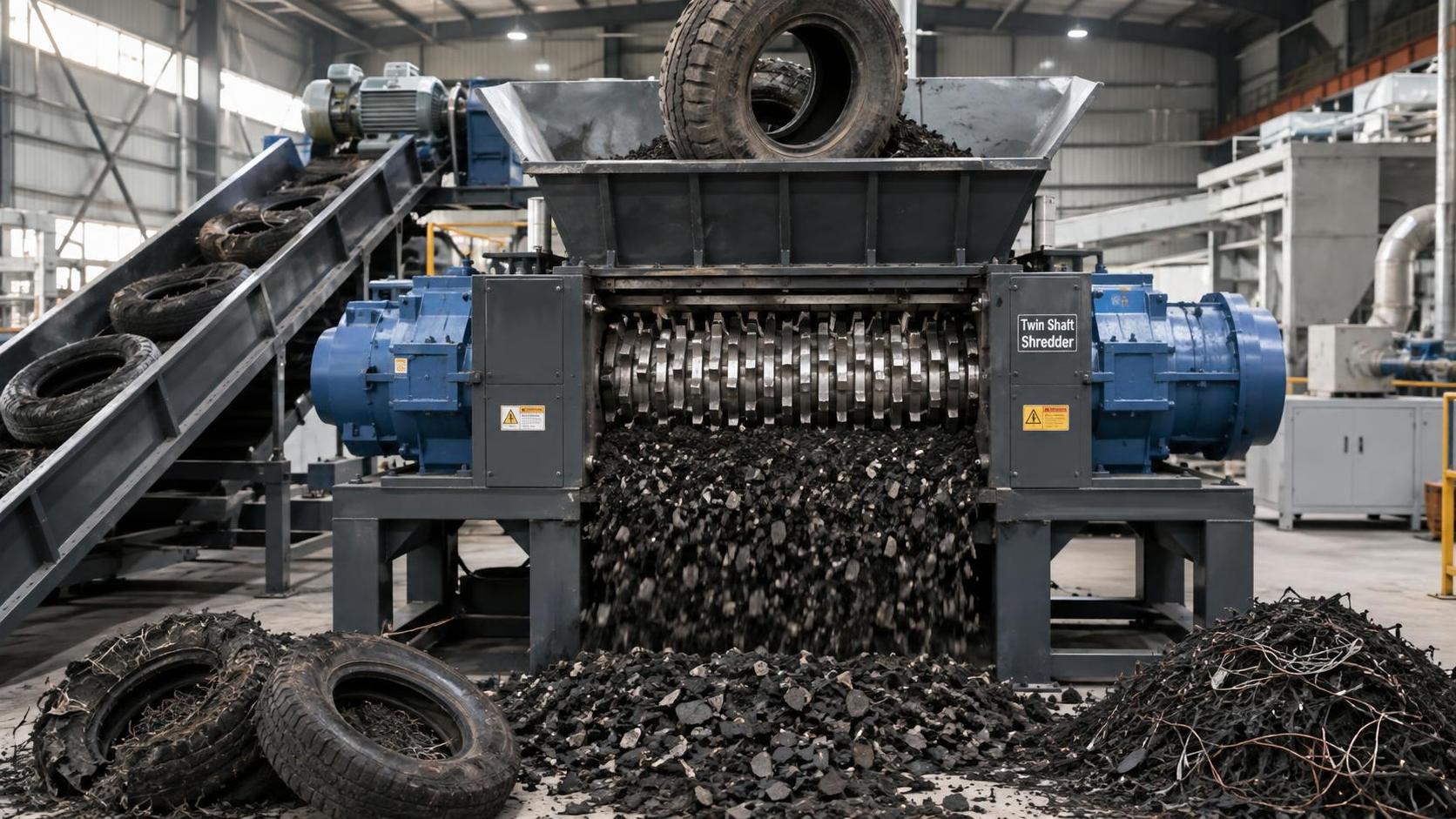
- How to Choose a Twin Shaft Shredder for Tires: Torque, Throughput, and Knife DesignAuthor :Environmental Engineering Director

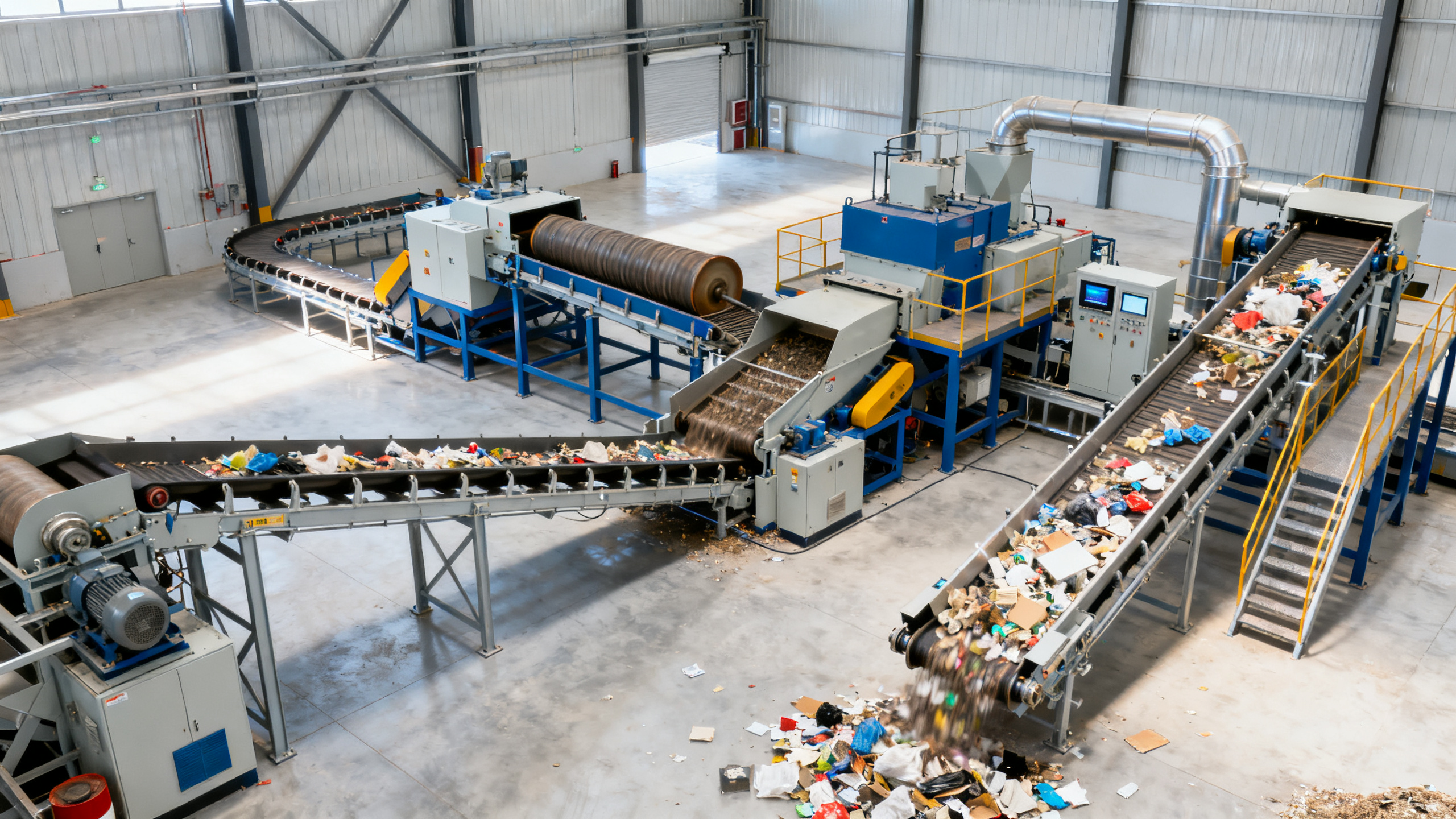
- Selecting Waste Recycling Equipment by Waste Stream, Throughput, and Contamination LevelAuthor :Environmental Engineering Director

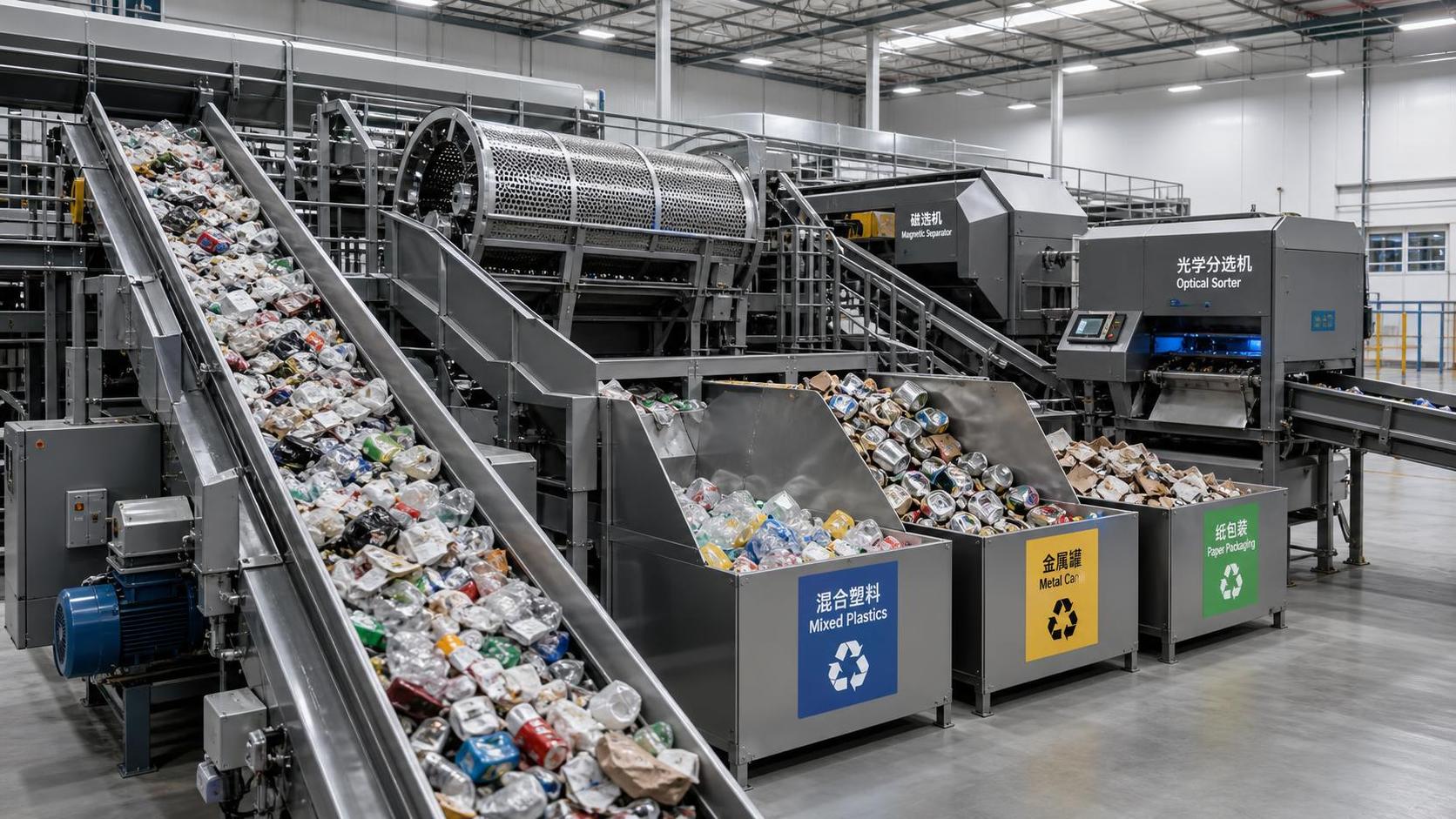
- How to Choose Waste Sorting Equipment for Recycling Plants by Material Stream and CapacityAuthor :Environmental Engineering Director

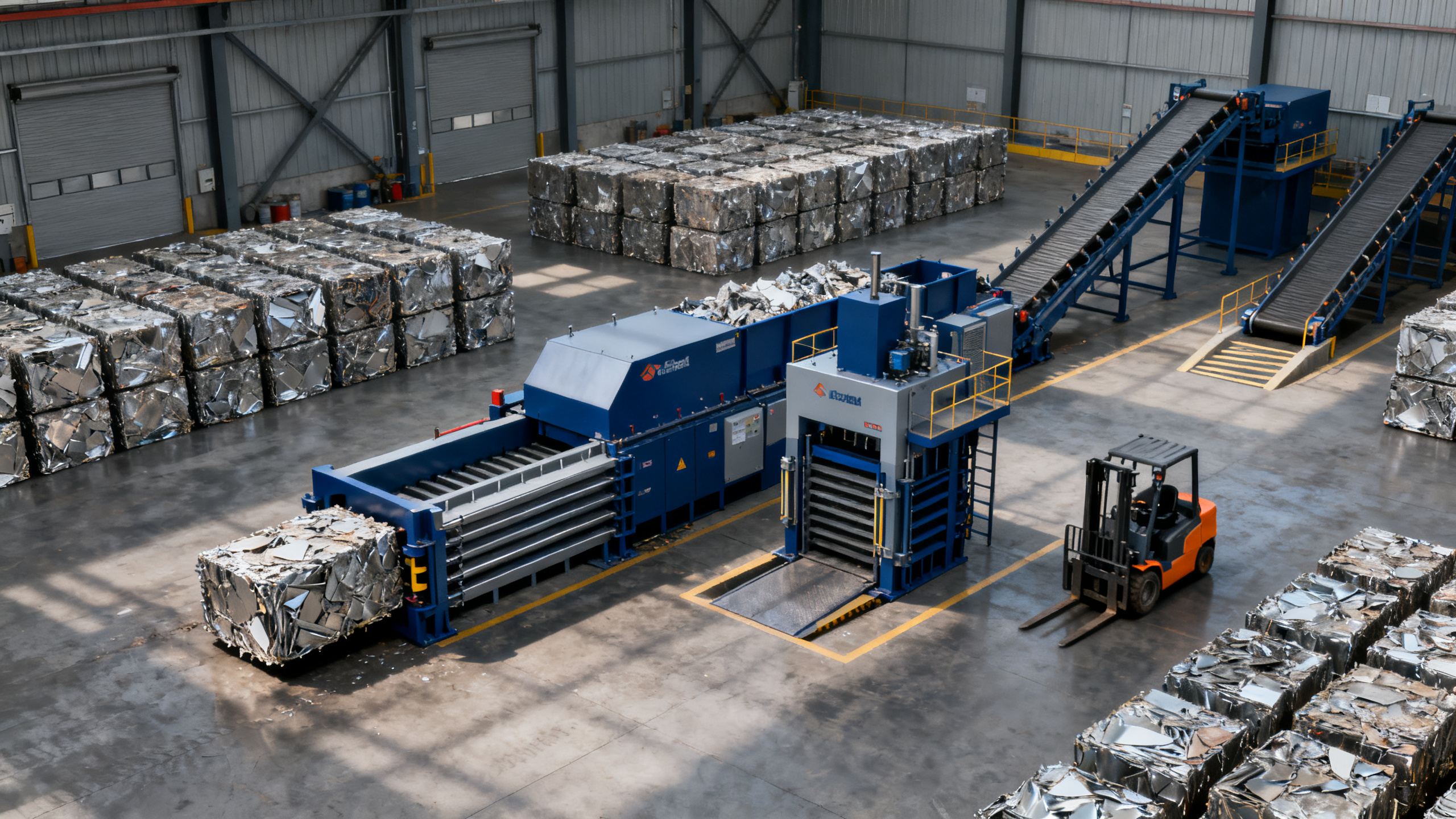
- Scrap Metal Baler Buying Guide: Horizontal vs Vertical, Capacity, Power, and OutputAuthor :Environmental Engineering Director

- What Is Industrial Ecology and How Does It Improve Resource Efficiency in Manufacturing?Author :Environmental Engineering Director

- Pet Bottle Washing Line Problems: Common Causes of Flake Contamination and How to Fix ThemAuthor :Environmental Engineering Director

- How to Evaluate Environment & Ecology Cost in Industrial ProjectsAuthor :Environmental Engineering Director

- Why does a magnetic separator machine lose efficiency?Author :Environmental Engineering Director