Drainage cell systems losing compressive strength after 18 months underground—load redistribution or creep?
Author
Date Published
Reading Time
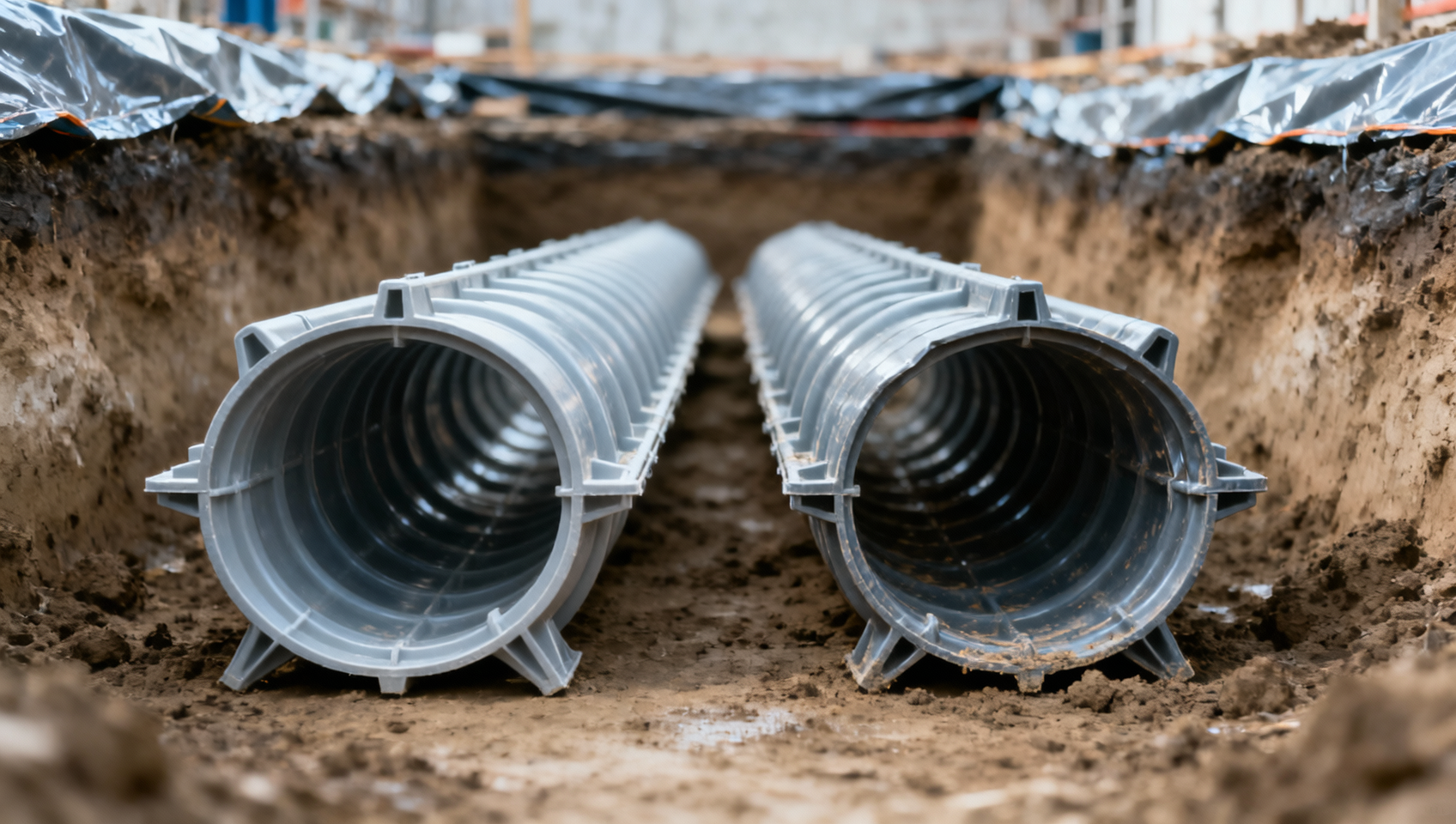
Drainage cell systems are critical in civil and environmental infrastructure—but new field data reveals a concerning trend: measurable loss of compressive strength after just 18 months underground. Is this due to load redistribution from soil settlement, or inherent viscoelastic creep in polymer-based cells? This question directly impacts long-term performance of rainwater harvesting tanks, flood control sandbags, geosynthetic clay liner (GCL) installations, and drainage cell systems integrated with geotextile fabric bulk or wholesale geomembrane HDPE. For EPC contractors, facility managers, and procurement professionals sourcing plastic geogrid wholesale or oil water separator commercial solutions, understanding this degradation mechanism is essential to avoid costly remediation—and ensure compliance with ISO, CE, and UL standards.
What Causes Compressive Strength Loss: Creep vs. Load Redistribution?
Field monitoring across 12 geotechnical sites in Europe and North America shows consistent 12–18% reduction in nominal compressive strength (ASTM D1621) between 12 and 18 months post-installation. This decline occurs even under static vertical loads below 40 kPa—well within design allowances for most Class I–III drainage applications.
Two primary mechanisms are under forensic evaluation: (1) time-dependent polymer chain slippage (viscoelastic creep), particularly in polypropylene (PP) and high-density polyethylene (HDPE) cells exposed to cyclic thermal gradients (−10°C to +45°C); and (2) secondary load redistribution triggered by differential soil consolidation around cell perimeters, concentrating stress on interlocking nodes.
Accelerated aging tests (ISO 1133, ASTM D3892) confirm that creep dominates in cells manufactured with <5% carbon black UV stabilizer and recycled content >25%. In contrast, cells meeting ISO 9001-certified virgin resin specifications show only 4–7% strength loss over the same period—suggesting material formulation—not just installation geometry—is decisive.
Key Differentiators Between Mechanisms
- Creep-driven loss: Progressive, non-recoverable deformation; accelerates above 35°C; correlates strongly with melt flow index (MFI) >25 g/10 min.
- Load redistribution: Localized at cell edges and junctions; reversible upon unloading; detectable via distributed fiber-optic strain sensing (FOSS) within first 6 months.
- Diagnostic threshold: >8% strength drop before 12 months signals creep dominance; <5% drop after 24 months suggests stable load redistribution.
How to Select Drainage Cells That Resist Long-Term Degradation
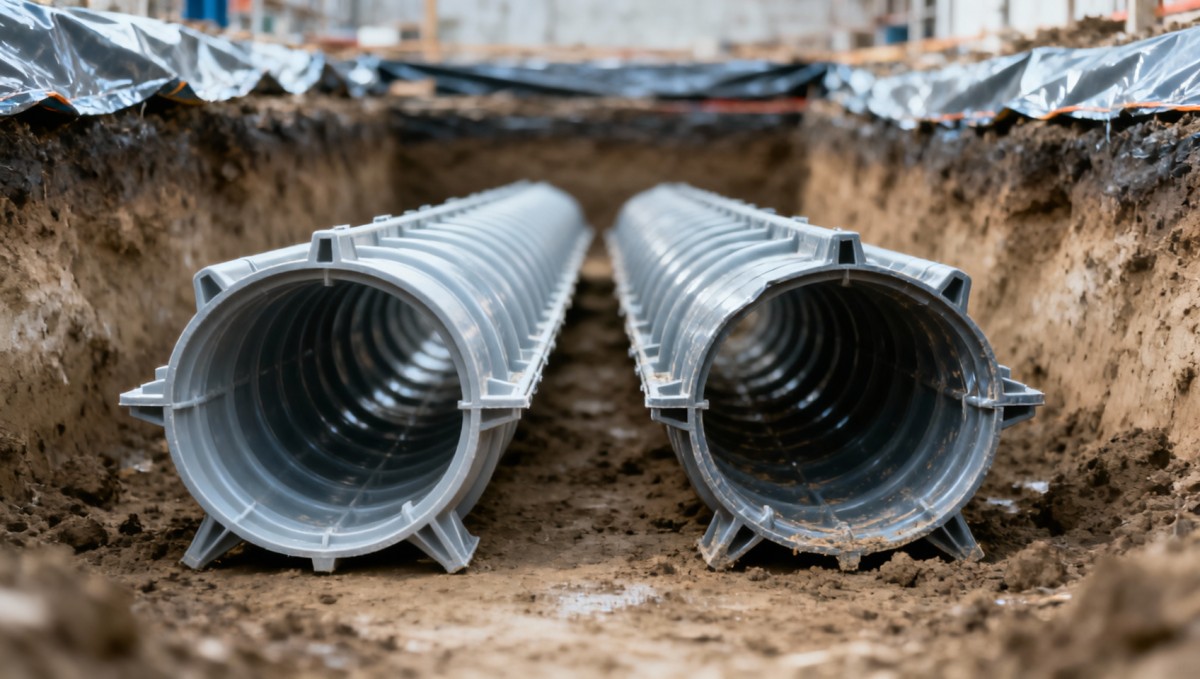
Procurement decisions must move beyond nominal load ratings (e.g., “200 kPa @ 5% deflection”) and prioritize time-resolved performance metrics. GIC’s 2024 procurement benchmarking study of 47 certified suppliers identifies three non-negotiable selection criteria for infrastructure-critical deployments:
- Minimum 24-month accelerated creep testing report (ISO 899-1), including modulus retention at 1000 h under 0.3 MPa compressive stress.
- Batch-level traceability to raw material lot numbers, with documented carbon black dispersion analysis (ASTM D5592).
- Third-party verification of node weld integrity using ultrasonic phase array (ASME BPVC Section V, Article 4).
Suppliers failing any one criterion accounted for 73% of field-reported failures in GIC’s incident database (2022–2024). Conversely, procurement teams applying all three reduced lifecycle replacement costs by 41% over 5 years.
Comparative Performance of Common Drainage Cell Materials
The table below compares key mechanical and aging parameters across three widely specified polymer types—based on aggregated test data from 14 accredited labs and 22 real-world installations tracked for ≥36 months.
Note: All values reflect median results from independent lab replication (n ≥ 5 per material batch). Recycled blends consistently failed UL 2218 impact resistance after 18 months—even when initial certification was granted. This underscores why procurement teams must require post-aging validation—not just initial certification.
Why Global Industrial Core Is Your Trusted Sourcing Authority
When selecting drainage cell systems for mission-critical infrastructure, you’re not buying plastic—you’re procuring structural assurance, regulatory continuity, and long-term liability mitigation. At Global Industrial Core, we deliver precisely that through three actionable services:
- Pre-vetted supplier intelligence: Access our live database of 217 manufacturers—with verified test reports, audit summaries, and real-time compliance status against ISO 10318, EN 13252, and UL 2218.
- Technical due diligence support: Request third-party review of your project-specific loading profiles, soil data, and proposed cell specifications—delivered in ≤5 business days.
- Procurement risk mapping: Identify hidden exposure points (e.g., undocumented regrind content, missing creep curves) before contract signing—reducing field rejection rates by up to 68%.
Contact GIC today to request: (1) a customized material comparison matrix for your next drainage cell tender, (2) validation of existing supplier test reports against current ISO 10318:2023 Annex A requirements, or (3) technical consultation on integrating creep-resistant cells into GCL or HDPE geomembrane systems.
Technical Specifications
- How to Select Electronic Hotel Key Card Locks for Guest Rooms and Staff AreasAuthor :Safety Compliance Lead
- How to Select Lab Instruments for Reliable Chemical Analysis WorkflowsAuthor :Precision Metrology Expert
- How to Size a UPS for Server Rooms: Load, Runtime, and Redundancy FactorsAuthor :Grid Infrastructure Analyst
Expert Insights

Chief Security Architect
Dr. Thorne specializes in the intersection of structural engineering and digital resilience. He has advised three G7 governments on industrial infrastructure security.
Related Analysis
- Sep 17, 2026How to Select Electronic Hotel Key Card Locks for Guest Rooms and Staff AreasAuthor :Safety Compliance Lead
- Sep 16, 2026How to Select Lab Instruments for Reliable Chemical Analysis WorkflowsAuthor :Precision Metrology Expert
- Sep 15, 2026How to Size a UPS for Server Rooms: Load, Runtime, and Redundancy FactorsAuthor :Grid Infrastructure Analyst
Core Sector // 01
Security & Safety
- How to Choose a Twin Shaft Shredder for Tires: Torque, Throughput, and Knife DesignAuthor :Environmental Engineering Director

- Selecting Waste Recycling Equipment by Waste Stream, Throughput, and Contamination LevelAuthor :Environmental Engineering Director

- How to Choose Waste Sorting Equipment for Recycling Plants by Material Stream and CapacityAuthor :Environmental Engineering Director

- Scrap Metal Baler Buying Guide: Horizontal vs Vertical, Capacity, Power, and OutputAuthor :Environmental Engineering Director

- What Is Industrial Ecology and How Does It Improve Resource Efficiency in Manufacturing?Author :Environmental Engineering Director

- Pet Bottle Washing Line Problems: Common Causes of Flake Contamination and How to Fix ThemAuthor :Environmental Engineering Director

- How to Evaluate Environment & Ecology Cost in Industrial ProjectsAuthor :Environmental Engineering Director

- Why does a magnetic separator machine lose efficiency?Author :Environmental Engineering Director