How to Choose Industrial Hygiene Equipment for Dust, Fumes, and Airborne Exposure Risks
Author
Date Published
Reading Time
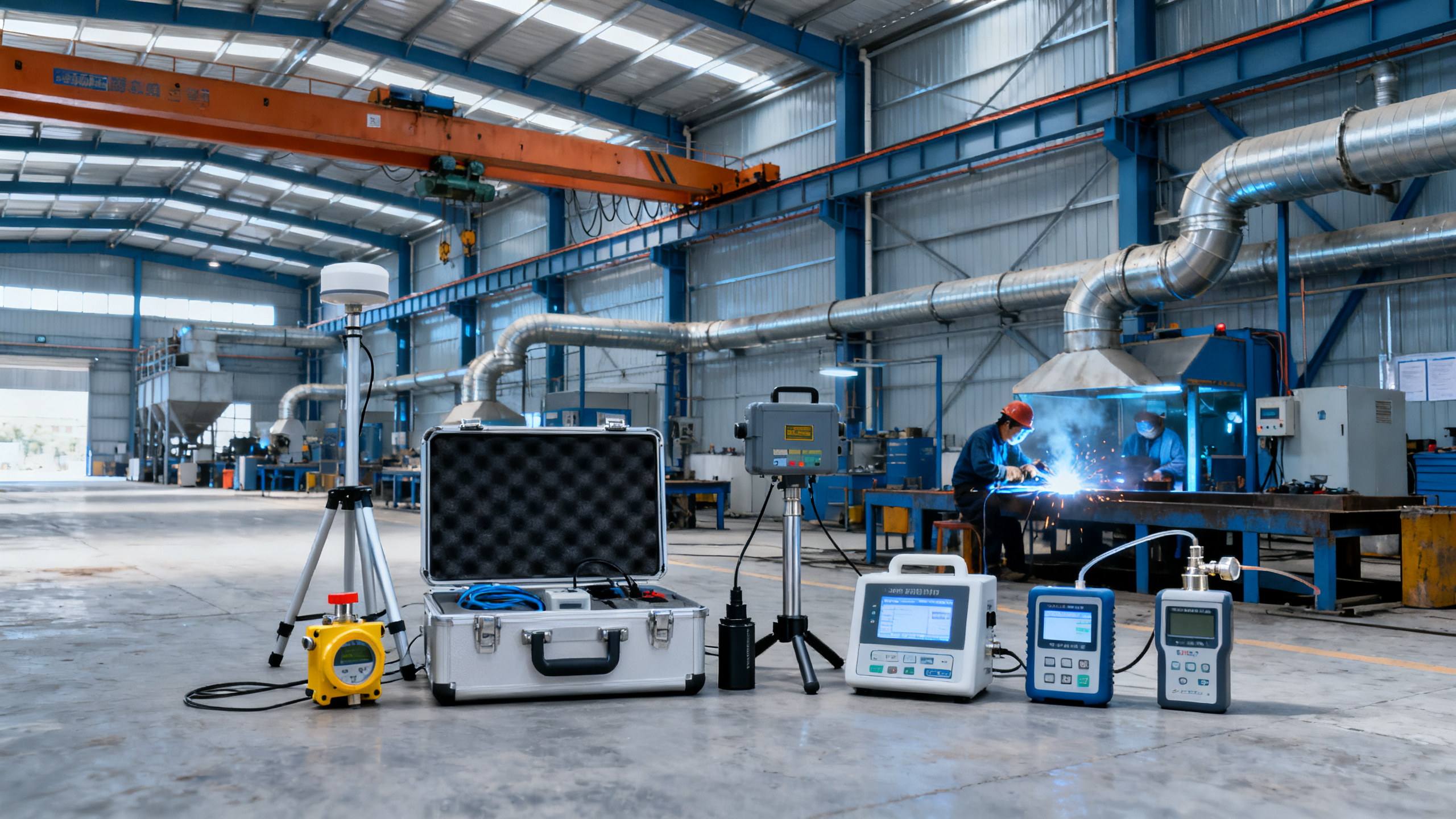
Selecting industrial hygiene equipment for dust, fumes, and airborne exposure risks is no longer a narrow compliance task. It sits at the intersection of worker protection, process stability, audit readiness, and long-term asset performance.
In facilities where cutting, welding, grinding, batching, coating, or bulk handling take place, airborne contaminants can shift quickly. A reliable selection process helps reduce blind spots before they become health incidents, production delays, or regulatory findings.
For organizations operating across complex industrial environments, the question is not simply which device to buy. The better question is which industrial hygiene equipment matches the exposure profile, site conditions, and evidence requirements of the operation.
Why equipment choice matters beyond basic compliance
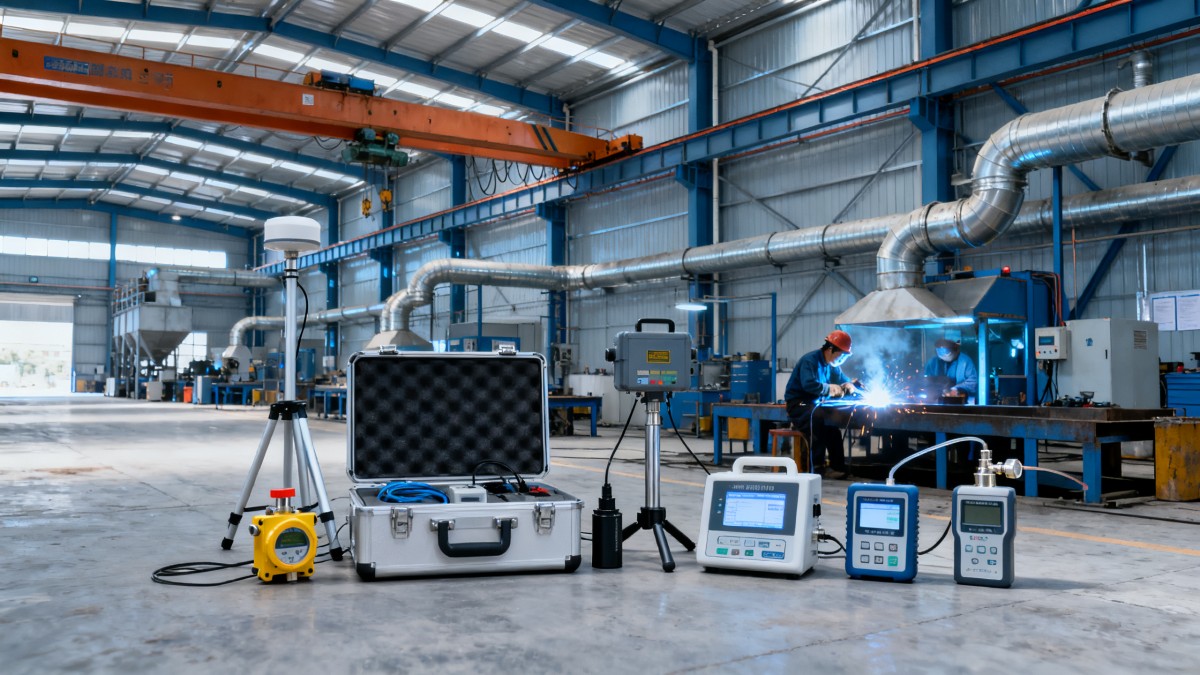
Air monitoring decisions influence more than occupational health records. They affect maintenance planning, ventilation performance, incident investigation, contractor control, and confidence in environmental reporting.
Dust from minerals, powders, fibers, or metalworking behaves differently from solvent fumes or combustion byproducts. That is why industrial hygiene equipment should be selected by hazard behavior, not by product category alone.
This has become more important as industrial sites face tighter expectations around CE, UL, ISO, exposure documentation, and defensible sampling methods. GIC’s industry perspective reflects that broader reality: procurement now depends on technical fit as much as price.
Start with the exposure, not the instrument
A common mistake is comparing instruments before defining the airborne risk. Selection improves when the first review focuses on what is in the air, how it is generated, where it travels, and when peak exposure occurs.
That means identifying whether the concern is respirable dust, inhalable dust, welding fumes, oil mist, acid vapor, diesel particulate, silica, nuisance dust, or mixed contaminant exposure.
It also means deciding whether the goal is screening, personal exposure assessment, area monitoring, source evaluation, or post-control verification. The same workplace may need different industrial hygiene equipment for each purpose.
Key questions before comparing models
- Is the hazard particulate, gas, vapor, fume, or a combination?
- Does exposure happen continuously or in short process spikes?
- Is personal sampling required for legal or internal reporting?
- Will results guide engineering controls, PPE, or both?
- Are temperature, humidity, vibration, or explosion risks present?
The main categories of industrial hygiene equipment
Industrial hygiene equipment covers a broad set of tools, and confusion often starts when different functions are grouped together. In practice, each category supports a different kind of decision.
The right program usually combines direct-reading instruments with validated sampling methods. Real-time visibility is valuable, but trend data alone does not always satisfy formal exposure documentation requirements.
Selection criteria that deserve closer attention
Many buyers compare sensor type, range, and price first. Those matter, but industrial hygiene equipment should also be judged by how dependable the data will be under actual site conditions.
Measurement accuracy and method alignment
Check whether the device aligns with recognized occupational sampling methods or accepted monitoring protocols. Accuracy claims are not enough if the measurement principle does not suit the contaminant.
For example, light-scattering dust monitors provide fast trend data, but they may need material-specific correction factors. Gravimetric sampling may still be needed when exposure limits must be documented with confidence.
Detection range and response behavior
Short-duration peaks are easy to miss with slow-response devices. Processes such as welding, thermal spraying, powder dumping, or chemical charging often require fast-response industrial hygiene equipment.
At the same time, low-level background exposure can be just as important. The useful instrument is the one that captures both normal conditions and outliers without excessive drift.
Durability in harsh environments
Heavy industry rarely offers clean laboratory conditions. Heat, vibration, moisture, electromagnetic interference, and rough handling can degrade performance or shorten service life.
That is why enclosure integrity, battery endurance, ingress resistance, and mechanical robustness should be reviewed alongside technical specifications. Reliable industrial hygiene equipment must survive the workplace it measures.
Matching equipment to common airborne risk scenarios
Selection becomes clearer when tied to actual exposure scenarios. Different operations create different monitoring priorities, even within the same plant.
Dust-intensive handling and processing
Bulk transfer points, crushers, mixers, and bagging lines often need a combination of area dust monitoring and task-based personal sampling. Visibility issues do not always reflect respirable risk accurately.
Hot work and metal fabrication
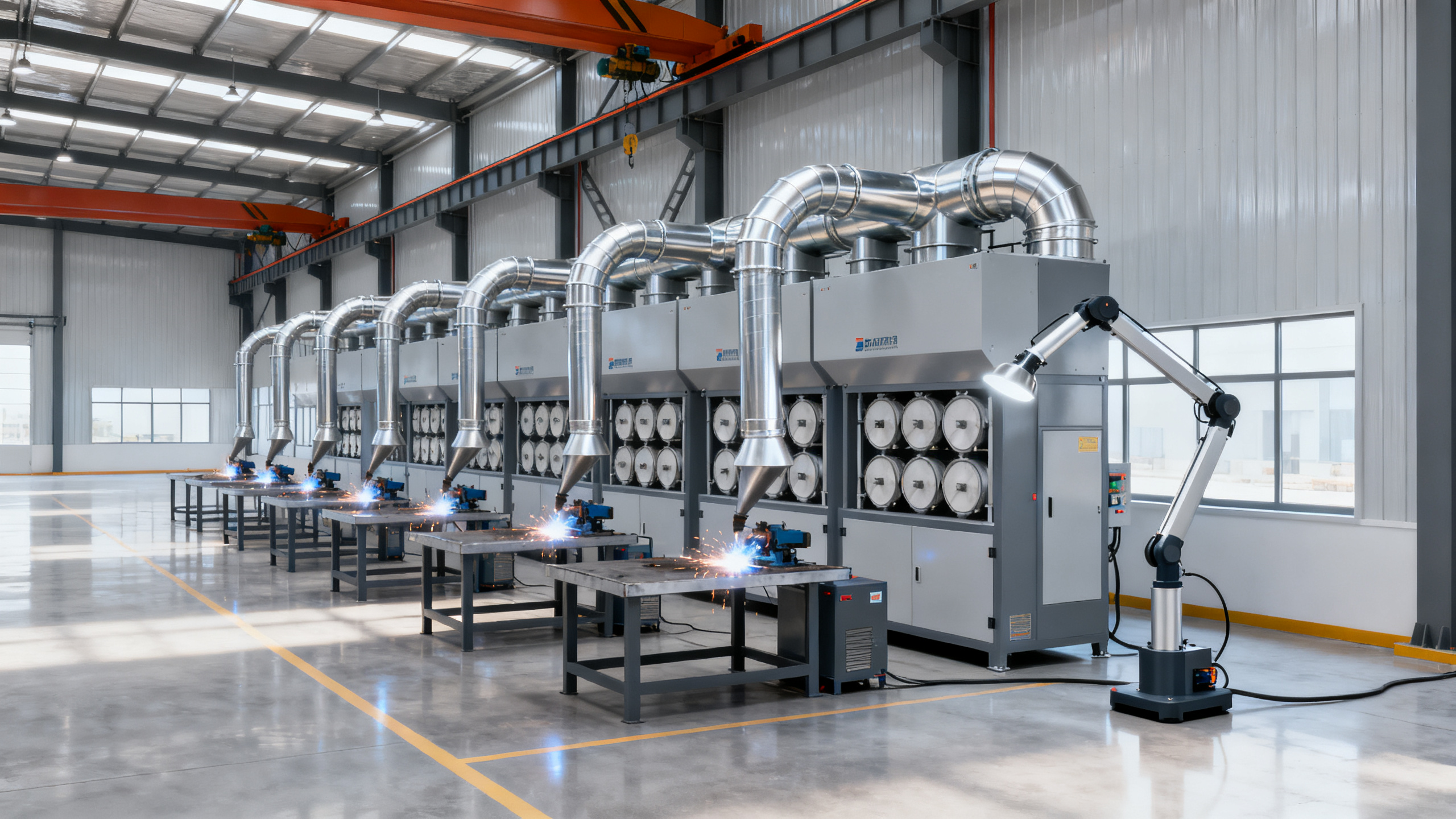
Welding and cutting produce complex fumes with metals, fine particulates, and gases. A single sensor rarely captures the full picture, so industrial hygiene equipment may need to combine particulate and gas monitoring.
Chemical use and solvent exposure
Coating, cleaning, degreasing, and resin application often involve vapor risks that change with ventilation and temperature. Response time, selectivity, and cross-sensitivity become critical selection points.
Maintenance shutdowns and temporary work
Turnarounds create changing exposure conditions, multiple contractors, and unfamiliar tasks. Portable, easy-to-calibrate industrial hygiene equipment is often more useful than fixed systems alone.
Data quality, traceability, and reporting value
Good equipment does more than measure contaminants. It produces defensible records that can support investigations, internal audits, insurance reviews, and continuous improvement work.
That means reviewing calibration traceability, data logging detail, alarm history, chain-of-custody support, and software export formats. If data cannot be trusted or retrieved easily, the equipment delivers limited operational value.
This is especially relevant for organizations working across EPC projects, utility assets, processing plants, and infrastructure sites. GIC’s editorial focus on measurement integrity reflects how closely purchasing decisions are tied to evidence quality.
Practical buying considerations that affect lifecycle cost
A lower purchase price does not always reduce total cost. Industrial hygiene equipment can become expensive when calibration is difficult, consumables are proprietary, or spare support is inconsistent across regions.
- Review calibration intervals and local service capability.
- Check filter media, tubes, sensors, and pump parts availability.
- Confirm training needs for setup, interpretation, and maintenance.
- Verify compatibility with existing EHS or quality systems.
- Assess whether certifications meet regional project requirements.
In many cases, the better choice is equipment that integrates smoothly with current workflows, even if its initial cost is slightly higher. Fewer data gaps and fewer usability errors often justify that decision.
A sensible next step for evaluation
A strong evaluation process starts with a site-specific exposure map. From there, compare industrial hygiene equipment against actual contaminants, monitoring objectives, environmental conditions, and documentation expectations.
Shortlist instruments only after defining which results must be real-time, which must be laboratory-verified, and which alarms must trigger immediate action. That sequence usually prevents costly mismatches.
Where the operating environment is complex, it helps to review supplier technical files, certification records, field references, and support infrastructure with the same rigor used for other critical industrial systems.
The most effective industrial hygiene equipment is not the most advanced on paper. It is the equipment that fits the exposure reality, supports credible decisions, and remains dependable throughout the life of the monitoring program.
Technical Specifications
- Air Handling Unit Supplier Checklist: Performance Data, Lead Times, and SupportAuthor :Environmental Engineering Director
- Buying Fiberglass Water Tanks Wholesale: Compare Quotes and Delivery CostsAuthor :Environmental Engineering Director
- Choosing an XLPE Power Cable Supplier: Test Reports, Traceability, and Lead TimesAuthor :Grid Infrastructure Analyst
Expert Insights

Chief Security Architect
Dr. Thorne specializes in the intersection of structural engineering and digital resilience. He has advised three G7 governments on industrial infrastructure security.
Related Analysis
- Oct 19, 2026Air Handling Unit Supplier Checklist: Performance Data, Lead Times, and SupportAuthor :Environmental Engineering Director
- Oct 18, 2026Buying Fiberglass Water Tanks Wholesale: Compare Quotes and Delivery CostsAuthor :Environmental Engineering Director
- Oct 17, 2026Choosing an XLPE Power Cable Supplier: Test Reports, Traceability, and Lead TimesAuthor :Grid Infrastructure Analyst
Core Sector // 01
Security & Safety
- Air Handling Unit Supplier Checklist: Performance Data, Lead Times, and SupportAuthor :Environmental Engineering Director

- How to Select Industrial Emission Control Systems for High-Dust Manufacturing LinesAuthor :Environmental Engineering Director

- Environmental Technologies for Heavy Industry: Choosing Cleaner Production SolutionsAuthor :Environmental Engineering Director

- Selecting Air Compliance Equipment for Dust, Fumes, and VOC ControlAuthor :Environmental Engineering Director

- EU Rule Tightens EN 1822-2 for Industrial Air PurifiersAuthor :Environmental Engineering Director

- EU Eco-Design Rules Tighten for Air PurifiersAuthor :Environmental Engineering Director

- Low-Maintenance Dust and Fume Control Systems: Best Options for Welding ShopsAuthor :Environmental Engineering Director

- EPA Sets VOC Labeling Rule for Air PurifiersAuthor :Environmental Engineering Director