Roots Blower Wholesale Selection: Airflow, Pressure, and Noise Factors That Matter
Author
Date Published
Reading Time
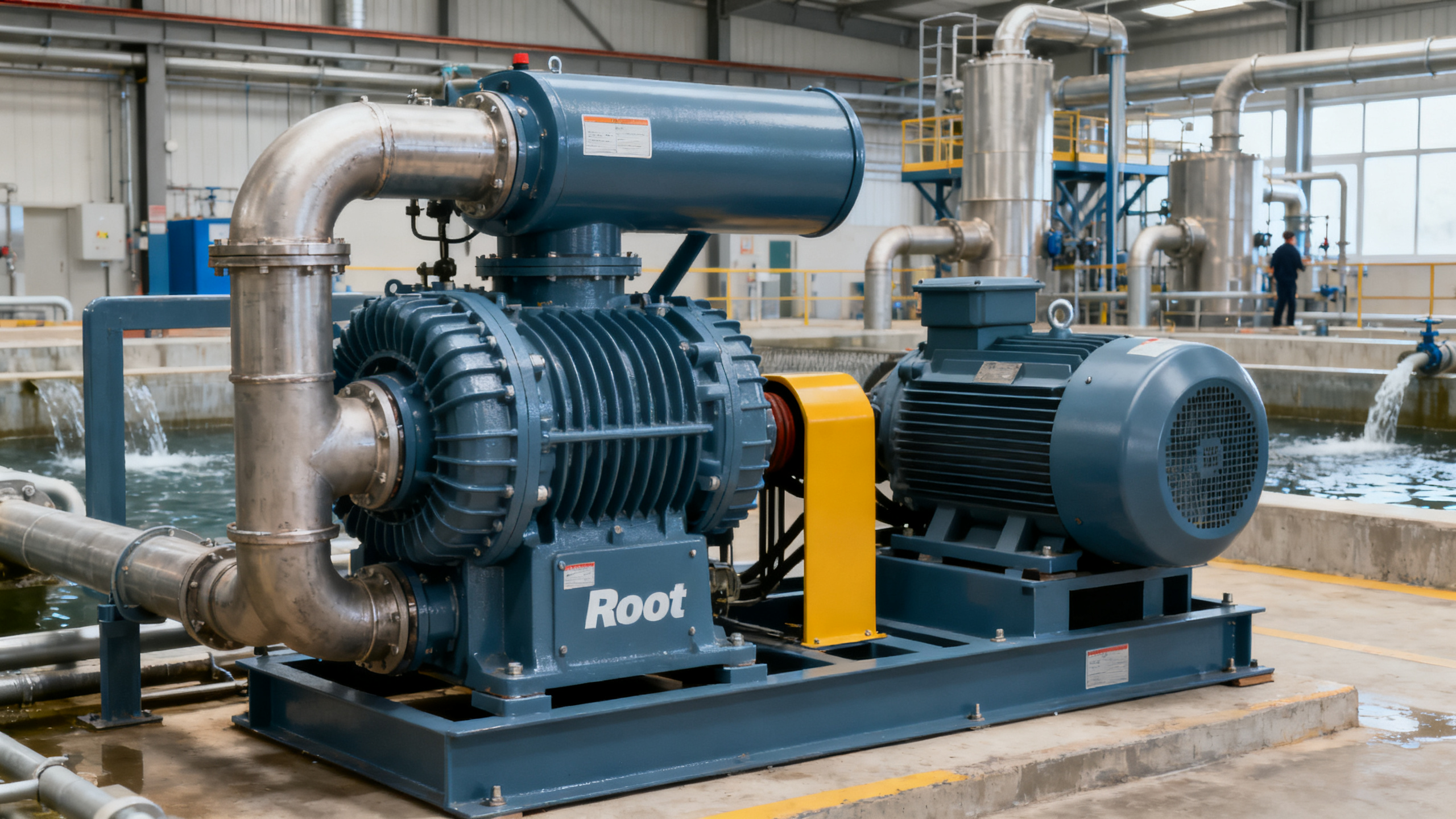
Roots blower wholesale decisions shape more than purchase cost. They influence airflow consistency, pressure stability, energy draw, maintenance planning, and the acoustic profile of an operating site.
In heavy industrial projects, those factors are tightly connected. A blower selected only by nominal capacity may underperform in real duty conditions, especially where piping losses, dust loading, or continuous operation matter.
That is why roots blower wholesale evaluation has become a broader sourcing exercise. It now sits at the intersection of mechanical performance, compliance, lifecycle risk, and site-level environmental control.
For organizations working across infrastructure, utilities, process plants, and environmental systems, a better selection framework usually begins with three questions: how much air is required, at what pressure, and with what acceptable noise level.
Why blower selection now carries more project risk
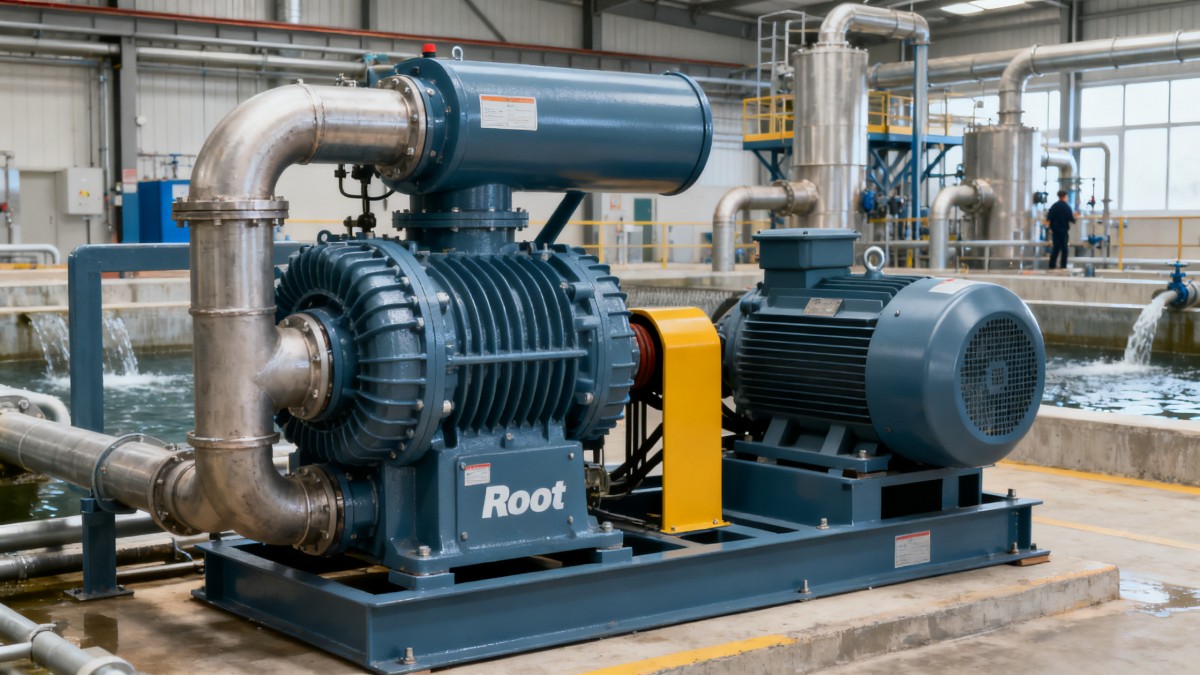
Across wastewater treatment, pneumatic conveying, desulfurization, aquaculture, cement handling, and power support systems, blower uptime supports wider process reliability.
If a roots blower is undersized, air delivery falls short during peak demand. If it is oversized, energy waste rises, outlet temperatures may increase, and control becomes less efficient.
Noise has also moved higher on the decision list. Industrial sites face tighter expectations around worker exposure, plant boundary noise, and community impact.
From the perspective of Global Industrial Core, this is exactly where sourcing quality matters. Industrial buyers increasingly need verified technical context, not just catalog claims or headline performance figures.
That is especially true in projects governed by CE, ISO, UL, or local environmental rules, where equipment choices affect documentation, commissioning timelines, and long-term operational resilience.
Understanding what a roots blower actually delivers
A roots blower is a positive displacement machine. It moves a fixed volume of air with each rotation, then system resistance determines the working pressure.
That basic principle sounds simple, but roots blower wholesale comparisons often become misleading when suppliers present airflow and pressure as separate advantages rather than linked operating conditions.
In practice, airflow, pressure, temperature, motor sizing, and noise are part of one operating picture. A blower that performs well on paper may behave differently once inlet filters, long pipe runs, valves, and altitude are considered.
Airflow is a system number, not a nameplate shortcut
Required airflow should reflect actual process demand under steady and peak conditions. Aeration systems, for example, rarely behave like ideal laboratory conditions.
Temperature, humidity, material density, and fouling all shift real performance. When reviewing roots blower wholesale offers, it helps to ask whether quoted flow is free air delivery or flow at rated pressure.
Pressure must include losses, not only target discharge
Many selection errors come from treating discharge pressure as the process endpoint only. Real systems include friction loss, filter resistance, silencer loss, and occasional backpressure fluctuations.
A narrow pressure margin can create unstable operation. Too much margin, however, often means a larger motor, higher energy consumption, and unnecessary mechanical stress.
Where noise enters the buying decision
Noise in roots blower wholesale procurement is not only a comfort issue. It affects enclosure design, civil layout, operator safety, and sometimes permit acceptance.
Roots blowers generate noise from pulsation, gear meshing, motor operation, airflow turbulence, and structural vibration. The source matters because different mitigation methods solve different problems.
A quiet catalog value does not always predict quiet field operation. Installation base rigidity, pipe support, acoustic enclosure quality, and silencer design can shift the result significantly.
Questions worth asking about acoustic performance
- Was the sound level measured at full load or partial load?
- Was it tested with inlet and outlet silencers installed?
- Is the value recorded at one meter, three meters, or another distance?
- Does the package include vibration isolation and enclosure details?
- How will piping layout affect resonance after installation?
These details help separate true low-noise engineering from optimistic presentation. They also help compare roots blower wholesale quotations on a like-for-like basis.
Typical operating scenarios and what changes between them
Selection criteria shift with the application. The same blower technology can serve very different operating priorities depending on the system around it.
What matters here is context. A roots blower wholesale package that suits one duty point may be inefficient or too noisy in another.
That is why system mapping before quotation review often saves more time than late-stage troubleshooting after delivery.
How to compare roots blower wholesale offers more accurately
Many offers look competitive until operating assumptions are examined. A useful comparison should move beyond unit price and include the surrounding package.
Key checkpoints before shortlisting
- Confirm rated airflow at the required differential pressure.
- Review motor power against actual duty cycle, not nominal peak only.
- Check temperature rise limits for continuous operation.
- Verify bearing, seal, and gear design for expected maintenance intervals.
- Examine silencer, filter, base frame, and enclosure scope.
- Request test records, material details, and compliance documents.
This approach aligns with the sourcing discipline promoted by GIC. Reliable industrial procurement depends on traceable specifications, validated performance, and realistic operating assumptions.
In roots blower wholesale sourcing, that discipline reduces the chance of buying a technically acceptable machine that is operationally expensive.
The hidden cost factors behind airflow, pressure, and noise
Three hidden costs appear repeatedly in blower projects: energy inefficiency, unplanned noise mitigation, and maintenance disruption.
Energy inefficiency often comes from mismatched flow and pressure assumptions. Even a modest sizing error can compound over years of continuous operation.
Noise mitigation becomes expensive when addressed after installation. Retrofitted enclosures, additional silencers, or structural changes usually cost more than early acoustic planning.
Maintenance disruption can be even harder to absorb. If access is poor or spare parts differ across units, routine servicing begins to affect uptime planning.
In roots blower wholesale projects with multiple sites, standardization can reduce these risks. Common package design, shared spare philosophy, and uniform documentation improve serviceability.
What stronger supplier evaluation looks like
A capable supplier should be able to discuss duty point variation, inlet conditions, acoustic treatment, testing method, and regulatory implications without relying on generic language.
That conversation is often a better indicator than a polished brochure. It shows whether the roots blower wholesale partner understands industrial operating environments, not just product distribution.
Signals that usually improve confidence
- Clear performance curves and test tolerances
- Documented CE, ISO, UL, or equivalent support where relevant
- Experience with EPC documentation and project schedules
- Defined spare parts lists and service intervals
- Transparent exclusions in the quotation package
For critical infrastructure, these signals matter because equipment selection sits inside a larger chain of design approval, commissioning, compliance review, and operational continuity.
A practical next step for current evaluations
A useful next move is to build a comparison sheet around actual duty conditions rather than supplier format. List required airflow, maximum differential pressure, ambient conditions, allowable noise, operating hours, and compliance needs.
Then compare each roots blower wholesale option against the same framework. Differences in package completeness, acoustic treatment, and lifecycle cost usually become easier to see.
Where the application is complex, it is worth reviewing performance claims alongside independent technical sources and documented case evidence. That is often where better sourcing decisions begin.
Airflow, pressure, and noise should never be judged in isolation. When they are evaluated together, roots blower wholesale selection becomes less about chasing a low entry price and more about securing dependable industrial performance.
Technical Specifications
- How to Select Electronic Hotel Key Card Locks for Guest Rooms and Staff AreasAuthor :Safety Compliance Lead
- How to Select Lab Instruments for Reliable Chemical Analysis WorkflowsAuthor :Precision Metrology Expert
- How to Size a UPS for Server Rooms: Load, Runtime, and Redundancy FactorsAuthor :Grid Infrastructure Analyst
Expert Insights

Chief Security Architect
Dr. Thorne specializes in the intersection of structural engineering and digital resilience. He has advised three G7 governments on industrial infrastructure security.
Related Analysis
- Sep 17, 2026How to Select Electronic Hotel Key Card Locks for Guest Rooms and Staff AreasAuthor :Safety Compliance Lead
- Sep 16, 2026How to Select Lab Instruments for Reliable Chemical Analysis WorkflowsAuthor :Precision Metrology Expert
- Sep 15, 2026How to Size a UPS for Server Rooms: Load, Runtime, and Redundancy FactorsAuthor :Grid Infrastructure Analyst
Core Sector // 01
Security & Safety
- Environmental Technologies for Heavy Industry: Choosing Cleaner Production SolutionsAuthor :Environmental Engineering Director

- Selecting Air Compliance Equipment for Dust, Fumes, and VOC ControlAuthor :Environmental Engineering Director

- EU Rule Tightens EN 1822-2 for Industrial Air PurifiersAuthor :Environmental Engineering Director

- EU Eco-Design Rules Tighten for Air PurifiersAuthor :Environmental Engineering Director

- Low-Maintenance Dust and Fume Control Systems: Best Options for Welding ShopsAuthor :Environmental Engineering Director

- EPA Sets VOC Labeling Rule for Air PurifiersAuthor :Environmental Engineering Director

- Saudi SASO Rule Adds Real-Time Logging for Air SystemsAuthor :Environmental Engineering Director

- Saudi SASO Rules Tighten for Air PurifiersAuthor :Environmental Engineering Director