Why Air Filtration Systems Underperform: 7 Common Sizing and Maintenance Mistakes
Author
Date Published
Reading Time
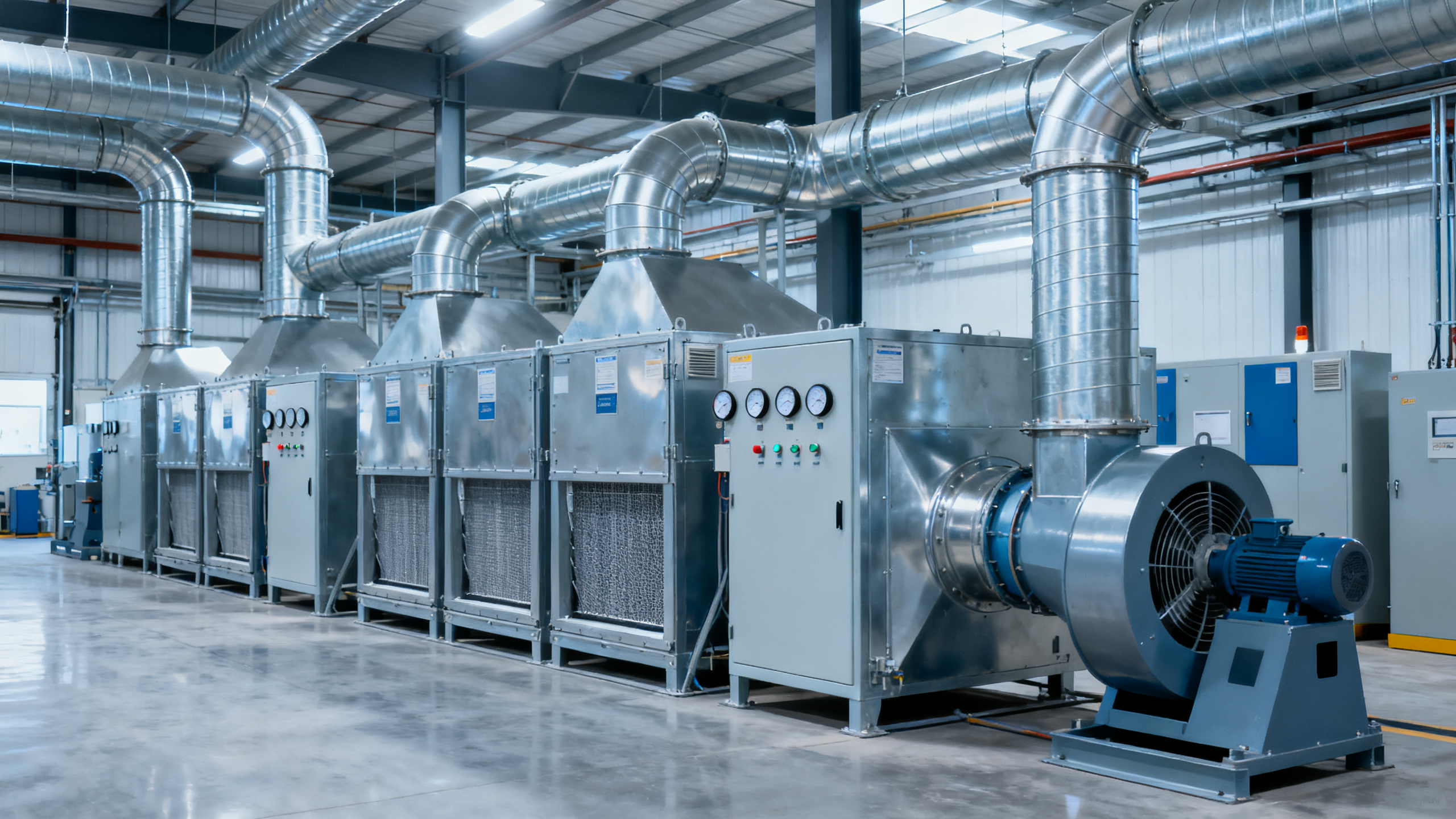
When Air Filtration Systems Look Adequate but Fail in Operation
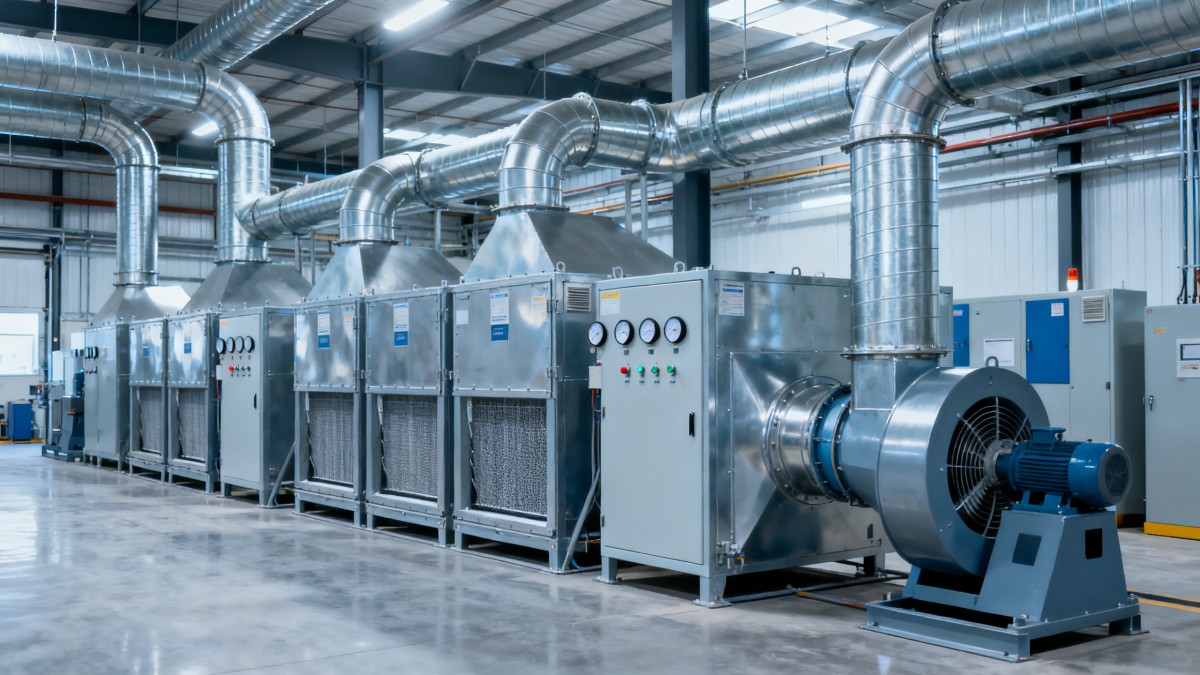
Air filtration systems rarely fail all at once. Performance usually slips through small sizing errors and routine maintenance gaps.
In industrial buildings, that decline shows up as higher pressure drop, unstable airflow, dust carryover, and avoidable energy consumption.
The harder part is that similar symptoms can come from very different causes. A paint line, utility room, clean assembly cell, and furnace area do not load filters the same way.
That is why Global Industrial Core frames air filtration systems as part of operational resilience, not as an isolated consumable choice.
In practice, underperformance often begins long before a filter reaches its nominal replacement date. The real issue is mismatch between duty conditions and upkeep discipline.
The seven mistakes below appear across heavy industry, utilities, processing plants, and engineered facilities where air quality directly affects safety, uptime, and asset life.
Actual Site Conditions Change the Sizing Logic
A common mistake is sizing air filtration systems from nameplate airflow alone. That approach ignores contamination type, duty cycle, and seasonal load swings.
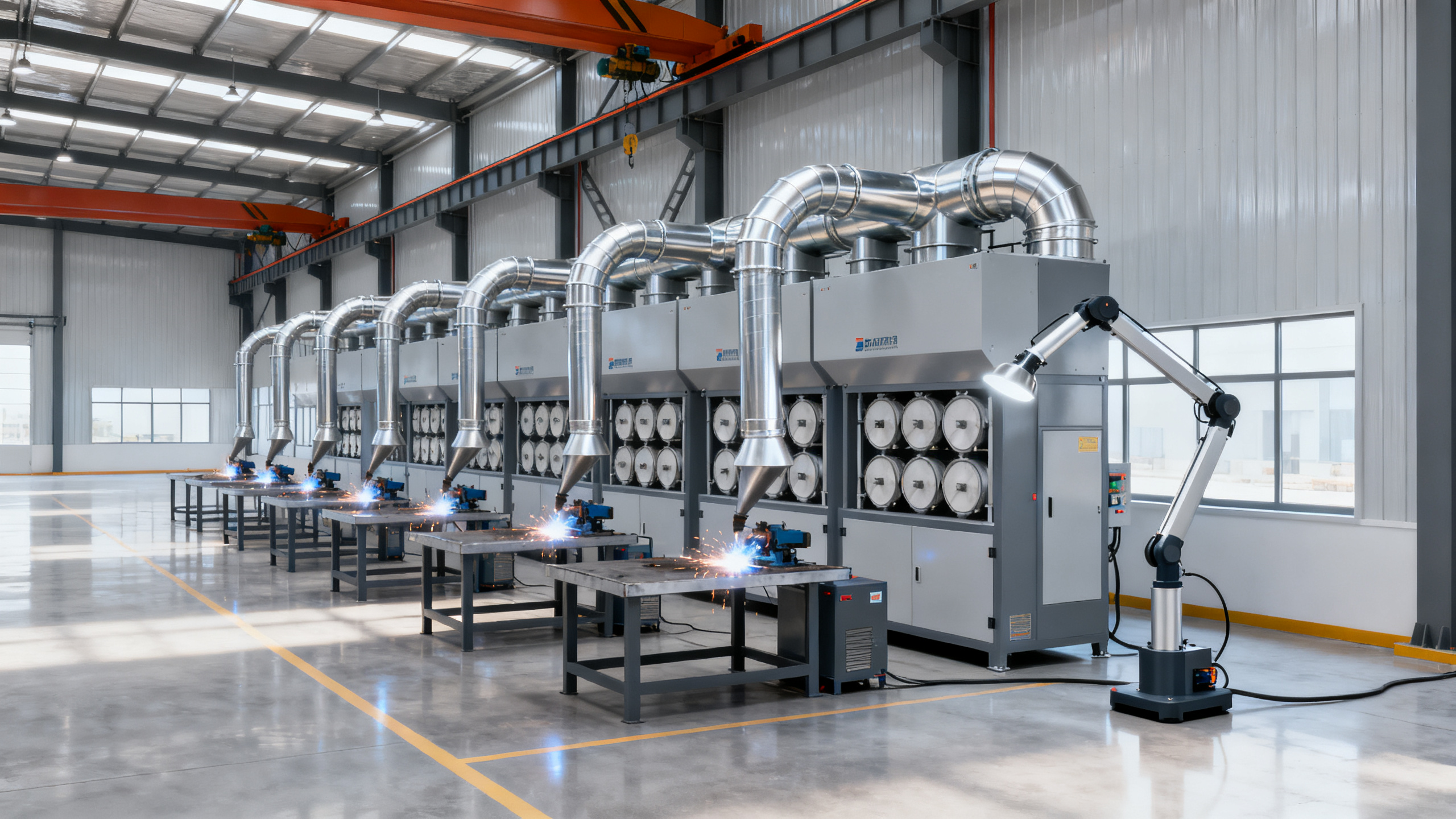
In welding zones, fume particles behave differently from coarse dust in cement handling. In coastal substations, salt-laden moisture changes loading and corrosion risk.
Even within one facility, the correct filter face velocity can vary by enclosure leakage, process heat, or shutdown patterns.
More reliable decisions start with contamination profile, allowable pressure drop, fan reserve, target cleanliness, and compliance constraints such as ISO or local emissions requirements.
Mistake 1: Treating Design Airflow as the Only Sizing Input
Air filtration systems underperform when airflow is calculated correctly but dust loading is underestimated. The filter bank then plugs faster than expected.
This happens often in retrofit projects. Existing fans may have limited static capacity, so any added resistance quickly reduces delivered air volume.
Mistake 2: Ignoring Particulate Character, Not Just Particle Size
Sticky aerosol, fibrous lint, metallic fines, and hygroscopic dust load media in different ways. Two sites with identical micron targets may need very different filter stages.
The better judgment is to review whether contaminants cake, smear, absorb moisture, or re-entrain under airflow pulses.
Different Industrial Areas Put Pressure on Filters in Different Ways
Air filtration systems in a compressor room face different priorities than those in a food packaging hall or battery production area.
Some spaces care most about protecting rotating equipment. Others focus on product integrity, operator exposure, or electronics reliability.
That difference affects how aggressive prefiltration should be, how tightly final filters should be specified, and how often inspections must happen.
The useful lesson is simple. Similar airflow values do not mean similar filtration duties.
Where Maintenance Mistakes Quietly Erode Filtration Efficiency
Many air filtration systems are maintained by calendar habit. That works poorly when contamination loads vary by shift, product mix, or weather.
Mistake 3: Replacing Filters by Time, Not Pressure Trend
A fixed monthly interval can be too early in one season and dangerously late in another. Both outcomes waste money or reduce protection.
Differential pressure trending gives a better picture of remaining service life. It also reveals whether loading is normal or driven by an upstream process upset.
Mistake 4: Overlooking Air Bypass Around the Filter Bank
A high-efficiency element cannot compensate for a damaged gasket, warped frame, or poor clamping. In real sites, bypass is often mistaken for bad media performance.
This is especially common after emergency replacements. The filter is changed quickly, but housing condition and seal compression are not verified.
Mistake 5: Cleaning or Reusing Filters Beyond Their Practical Limit
Some washable stages tolerate cleaning. Many fine filters do not recover their original structure after aggressive air blow-off or water exposure.
The short-term saving can increase energy draw and allow more downstream contamination, especially around sensitive instruments and drives.
The Expensive Errors Usually Sit Between the Filter and the System
Air filtration systems are part of a larger airflow path. Problems often come from what surrounds the filter, not the filter alone.
Mistake 6: Forgetting the Fan, Duct, and Control Interaction
A tighter filter stage raises resistance. If the fan curve has little margin, airflow drops and process stability changes immediately.
In balanced systems, that can upset room pressure relationships. In thermal processes, it can also alter cooling patterns around motors or cabinets.
Before upgrading media efficiency, confirm motor load, variable speed settings, damper position, and available static head.
Mistake 7: Missing Environmental Changes After Commissioning
A system sized for commissioning conditions may underperform years later. Nearby construction, changed raw materials, or altered shift patterns can all raise particulate load.
This is a common blind spot in mature facilities. Air filtration systems stay in place while the actual contamination profile slowly changes.
When complaints appear repeatedly, it is worth checking whether the original duty assumptions still match present operations.
A Practical Way to Compare Different Site Demands
Not every facility needs the same response. The more useful approach is to compare the operating context before changing filters or maintenance intervals.
- If dust load is coarse and heavy, prioritize staged filtration, easy access, and pressure monitoring.
- If product quality depends on clean air, focus on seal integrity, airflow uniformity, and contamination source control.
- If electronics protection matters most, review both particulate class and corrosive or moisture-related exposure.
- If temperature swings are severe, verify media stability, frame strength, and replacement safety procedures.
- If the process is variable, set maintenance triggers from measured trends rather than fixed dates.
In actual operation, the best-performing air filtration systems are rarely the most aggressive on paper. They are the ones matched to real loading behavior.
What Gets Misjudged Most Often Before Corrective Work Starts
Several assumptions repeatedly distort troubleshooting. One is treating every dust complaint as a filter grade issue.
Another is focusing on purchase cost while ignoring service access, downtime impact, and fan energy over the full replacement cycle.
A third is assuming two similar rooms need identical air filtration systems. Small differences in leakage, heat, or contaminant chemistry can change the answer.
That is why GIC-style evaluation tends to connect filtration choices with measurement discipline, operating risk, and long-term infrastructure reliability.
Next Steps That Make Air Filtration Systems Perform as Intended
Start with a short field review instead of an immediate filter swap. Confirm actual airflow, pressure drop trend, housing condition, and contamination type.
Then compare current site conditions with the original sizing basis. In many cases, the root cause is drift in operating context rather than defective media.
For complex facilities, it helps to set a simple adaptation standard covering particle load, seal checks, fan reserve, replacement triggers, and compliance requirements.
That kind of structured review keeps air filtration systems aligned with real industrial duty, lowers avoidable maintenance, and reduces the risk of hidden performance loss.
Technical Specifications
- How to Select an Access Control Management System for Multi-Site FacilitiesAuthor :Safety Compliance Lead
- Portable Gas Monitor Calibration: How Often Is It Needed for Safe Confined-Space Work?Author :Precision Metrology Expert
- Wholesale Borosilicate Lab Glassware: How Buyers Verify Quality, Specs, and Supply ReliabilityAuthor :Precision Metrology Expert
Expert Insights

Chief Security Architect
Dr. Thorne specializes in the intersection of structural engineering and digital resilience. He has advised three G7 governments on industrial infrastructure security.
Related Analysis
- Sep 20, 2026How to Select an Access Control Management System for Multi-Site FacilitiesAuthor :Safety Compliance Lead
- Sep 19, 2026Portable Gas Monitor Calibration: How Often Is It Needed for Safe Confined-Space Work?Author :Precision Metrology Expert
- Sep 18, 2026Wholesale Borosilicate Lab Glassware: How Buyers Verify Quality, Specs, and Supply ReliabilityAuthor :Precision Metrology Expert
Core Sector // 01
Security & Safety
- Environmental Technologies for Heavy Industry: Choosing Cleaner Production SolutionsAuthor :Environmental Engineering Director

- Selecting Air Compliance Equipment for Dust, Fumes, and VOC ControlAuthor :Environmental Engineering Director

- EU Rule Tightens EN 1822-2 for Industrial Air PurifiersAuthor :Environmental Engineering Director

- EU Eco-Design Rules Tighten for Air PurifiersAuthor :Environmental Engineering Director

- Low-Maintenance Dust and Fume Control Systems: Best Options for Welding ShopsAuthor :Environmental Engineering Director

- EPA Sets VOC Labeling Rule for Air PurifiersAuthor :Environmental Engineering Director

- Saudi SASO Rule Adds Real-Time Logging for Air SystemsAuthor :Environmental Engineering Director

- Saudi SASO Rules Tighten for Air PurifiersAuthor :Environmental Engineering Director