CISCE Opens With New Supply Chain Resilience Maps
Author
Date Published
Reading Time
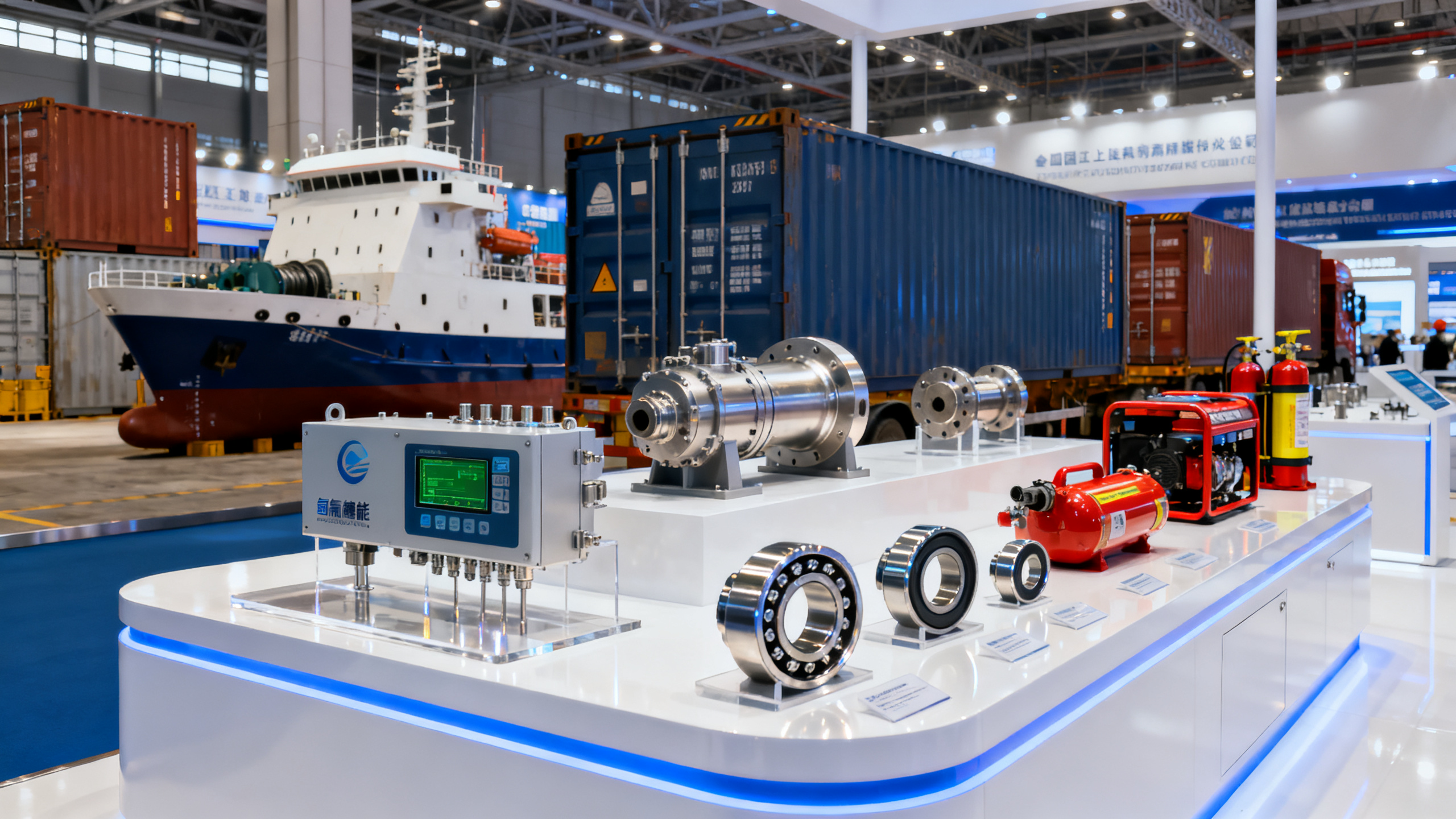
On June 22, 2026, the fourth China International Supply Chain Expo (CISCE) opened in Shunyi, Beijing, alongside the release of the 2026 Global Supply Chain Promotion Report and a resilience index matrix by the China Council for the Promotion of International Trade. For the industry, the notable development is not only the publication itself, but the growing use of supply-chain mapping and resilience assessment as a practical reference for buyer due diligence, sourcing decisions, delivery planning, and compliance review in hydrogen and maritime-related segments.
What Was Released at the Opening
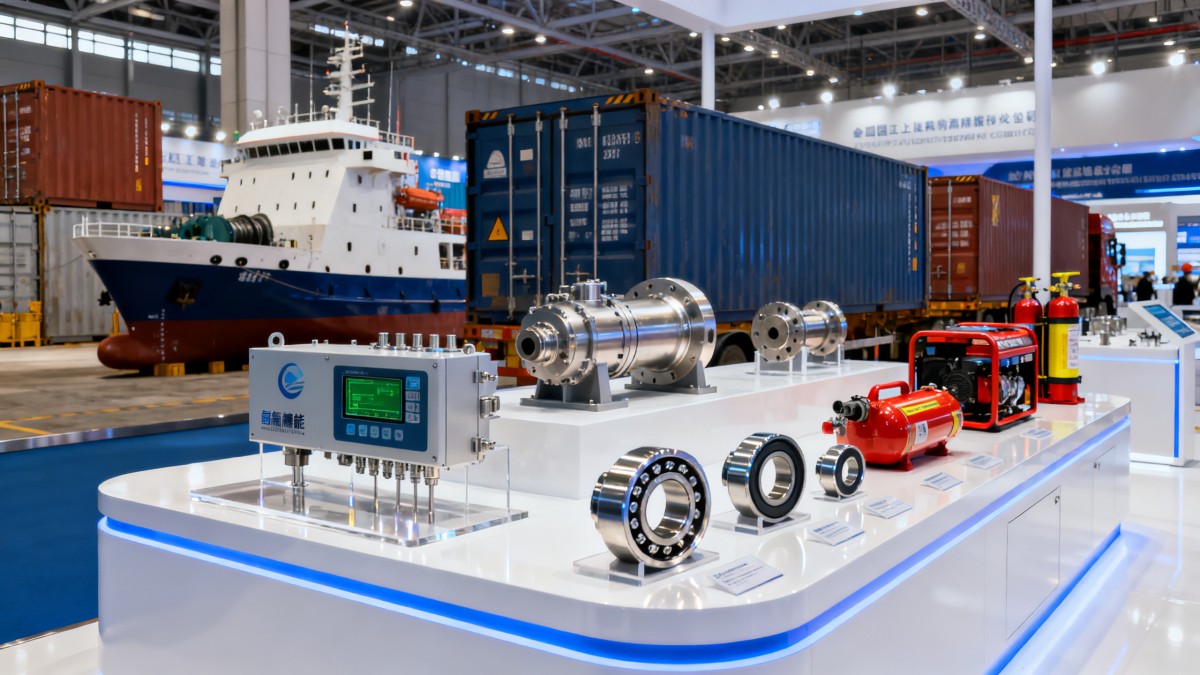
The confirmed information shows that the 2026 report introduced two newly added supply chain maps: hydrogen energy and maritime shipping. According to the summary provided, these maps outline global specialization and bottleneck nodes across key products and components, including Industrial Optics sensing modules used in electrolyzer core components, Bearings & Seals for high-pressure hydrogen storage valves, and Fire & Rescue Equip related to inert gas systems on LNG carriers.
The same summary also states that the resilience index matrix and the new mapping are intended to provide overseas buyers with data support when assessing the stability of Chinese suppliers. No further official execution rules, rating criteria, or procurement mandates were provided in the input.
Why This Matters for Trade and Supply Decisions
For overseas buyers and procurement teams
From an industry perspective, buyers may increasingly treat resilience mapping as an additional screening layer alongside price, quality, and delivery capacity. The immediate impact is likely to be felt in supplier onboarding, risk review, and tender preparation, especially where hydrogen or maritime equipment involves long lead times, specialized parts, or documented reliability requirements.
What deserves closer attention is whether procurement teams begin to request more structured evidence on production continuity, component traceability, backup sourcing, and delivery planning. Even without a new legal obligation stated in the input, the release sends a signal that stability metrics are becoming more visible in cross-border sourcing conversations.
For manufacturers of key components and assemblies
Manufacturers linked to electrolyzer parts, hydrogen storage valve components, and LNG vessel support systems may face closer scrutiny of where bottlenecks sit within their own upstream and downstream chains. The practical effect is not necessarily a new rule already in force, but a higher expectation that suppliers can explain critical dependencies, lead-time risks, and the consistency of supporting technical documentation.
Analysis shows that this could affect quotation response quality, bid documentation, and customer communication. Suppliers that cannot clearly present component sources, quality records, or delivery arrangements may find that resilience concerns become part of commercial evaluation.
For supply chain service and compliance support providers
Logistics coordinators, testing-related service providers, certification support firms, and after-sales partners may also be affected because the published mapping highlights bottleneck nodes rather than only finished goods. That means service providers may be asked to support a broader evidence set around shipment continuity, technical files, testing records, document consistency, and post-delivery traceability.
Observably, the compliance impact here is indirect but real: once buyers use resilience data in supplier assessment, supporting service providers may need to align their documentation and response timelines with stricter procurement review processes.
What Companies Should Watch Next
Prepare documentation for stability reviews
Companies active in the referenced product areas should pay attention to whether customers begin asking for more detailed technical files, supply-chain structure explanations, delivery records, or quality-related supporting materials. The current information does not confirm a uniform new requirement, but it does indicate that data-backed supplier stability review is becoming more prominent.
Track changes in tender and sourcing language
It is more appropriate to understand this as a signal that future tender documents, supplier qualification materials, or procurement questionnaires may place greater emphasis on resilience, bottleneck management, and continuity of supply. Businesses should therefore watch for changes in how buyers describe qualification thresholds, documentation prerequisites, and delivery assurance expectations.
Review category-specific compliance readiness
For companies involved in hydrogen and maritime equipment chains, special attention should be paid to whether customer-side reviews start linking technical compliance with supply continuity. That can include requests for test reports, specification alignment materials, component source records, or service-support commitments. The input does not provide a final execution standard, so this remains a watchpoint rather than a confirmed mandatory framework.
Monitor official wording and market follow-through
Because the available facts only confirm the release of the report, the index matrix, and the newly added maps, companies should continue monitoring how official language evolves and how market participants use these materials in practice. The difference between a reference tool and a de facto sourcing benchmark will depend on subsequent adoption in procurement, certification review, and project execution documents.
How This Signal Should Be Read
Analysis shows that this development is better read as an execution signal than as a standalone new regulation. The release does not, on the facts provided, establish a new binding compliance regime. However, it does suggest that resilience, bottleneck visibility, and supplier stability are being framed in a more structured way for international buyers.
From an industry perspective, that matters because many commercial requirements begin as assessment practices before appearing more clearly in bidding language, technical review checklists, or supplier qualification processes. For that reason, the industry should continue watching not only formal rules, but also how these resilience tools influence real procurement behavior.
A Practical Reading of the Development
At this stage, the opening of the fourth CISCE and the release of the 2026 report are most usefully understood as a market-facing indicator of where supply-chain governance attention is moving. The addition of hydrogen and maritime shipping maps points to greater scrutiny of critical nodes, component dependencies, and delivery stability in sectors where technical reliability and continuity matter.
A neutral conclusion is that companies should not treat this as a completed rule change with fully defined enforcement, but neither should they dismiss it as a routine exhibition release. It is more appropriate to understand it as an early operational reference point that may shape future sourcing standards, document review practices, and buyer expectations.
Basis of This Article
This article is generated based on the user-provided news title, event date, and event summary. The specific official source link was not provided in the input, so further verification remains necessary.
For developments of this kind, relevant source types usually include official announcements, releases by trade or regulatory bodies, industry association materials, standards-related documents, customs or trade authority information, and reporting by authoritative media. What still requires continued observation includes any later policy detail, certification interpretation, tender document changes, market feedback, and how companies actually implement related supplier review practices.
Technical Specifications
- Air Handling Unit Supplier Checklist: Performance Data, Lead Times, and SupportAuthor :Environmental Engineering Director
- Buying Fiberglass Water Tanks Wholesale: Compare Quotes and Delivery CostsAuthor :Environmental Engineering Director
- Choosing an XLPE Power Cable Supplier: Test Reports, Traceability, and Lead TimesAuthor :Grid Infrastructure Analyst
Expert Insights

Chief Security Architect
Dr. Thorne specializes in the intersection of structural engineering and digital resilience. He has advised three G7 governments on industrial infrastructure security.
Related Analysis
- Oct 19, 2026Air Handling Unit Supplier Checklist: Performance Data, Lead Times, and SupportAuthor :Environmental Engineering Director
- Oct 18, 2026Buying Fiberglass Water Tanks Wholesale: Compare Quotes and Delivery CostsAuthor :Environmental Engineering Director
- Oct 17, 2026Choosing an XLPE Power Cable Supplier: Test Reports, Traceability, and Lead TimesAuthor :Grid Infrastructure Analyst
Core Sector // 01
Security & Safety
- How to Select Flange Gaskets for Pressure, Temperature, and Media CompatibilityAuthor :Heavy Industry Strategist

- Selecting High-Temperature Gaskets for Steam, Flanges, and Thermal CyclingAuthor :Heavy Industry Strategist

- Selecting Low-Friction Pneumatic Seals for High-Cycle, Low-Pressure CylindersAuthor :Heavy Industry Strategist

- Selecting Spherical Roller Bearings for Mining: Load, Contamination, and Service LifeAuthor :Heavy Industry Strategist

- Do Deep Groove Ball Bearings Need Special Seals in Coastal Humidity?Author :Heavy Industry Strategist

- How to Select Anti Vibration Rubber Shock Absorbers for Machinery and EquipmentAuthor :Heavy Industry Strategist

- When to Specify Induction Hardened Slewing Ring Bearings for Heavy-Duty EquipmentAuthor :Heavy Industry Strategist

- How to Evaluate Weather Resistant EPDM Extrusion for Outdoor Sealing ApplicationsAuthor :Heavy Industry Strategist