HVAC Ozone Generator Buying Guide: Output, Room Size, and Safety Limits Explained
Author
Date Published
Reading Time
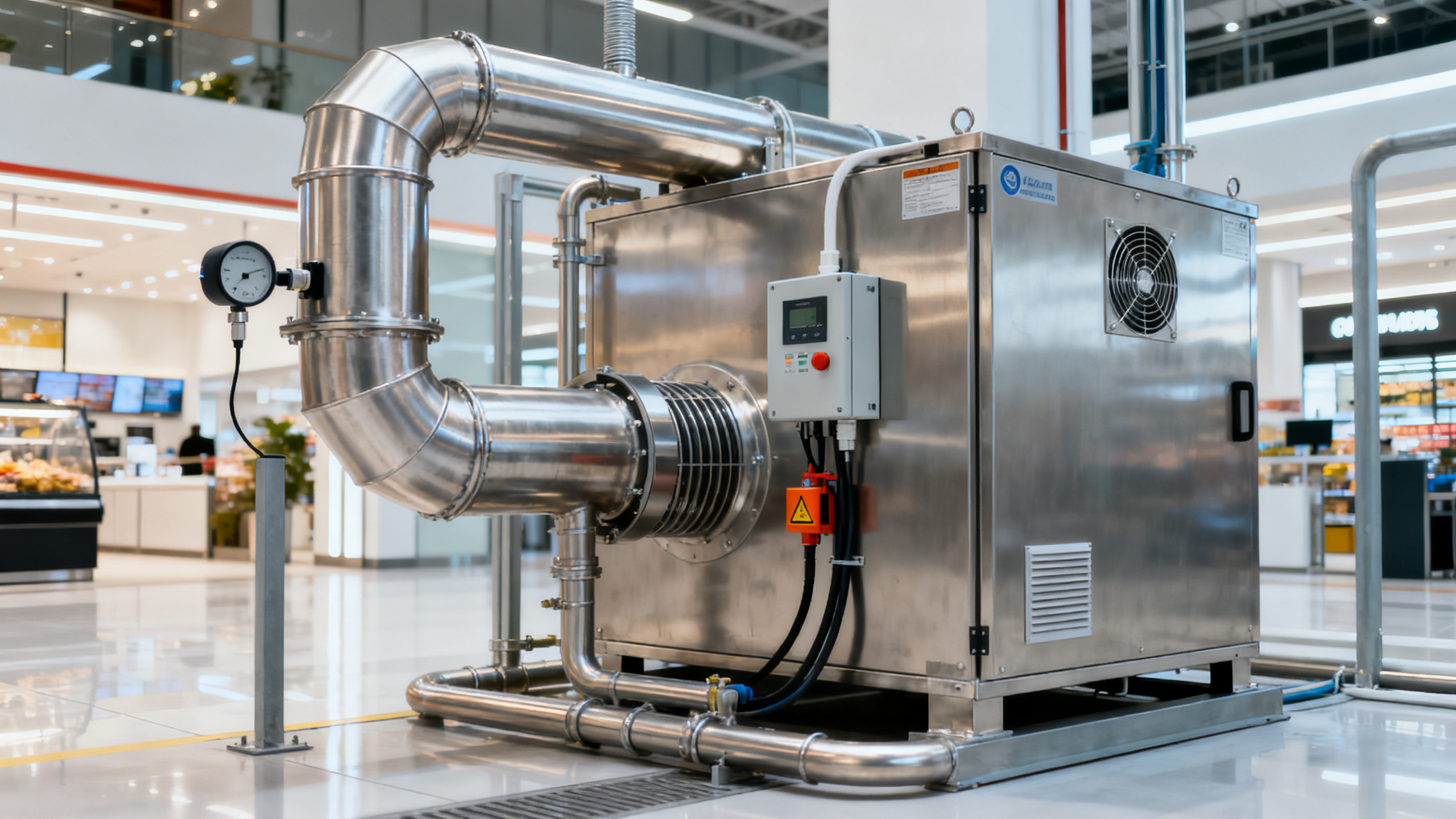
Choosing an HVAC ozone generator sounds simple until output ratings, airflow, and exposure limits start colliding in the same specification sheet.
In industrial and commercial settings, a wrong match can create two problems at once: weak odor treatment and avoidable safety risk.
That is why the better buying question is not “Which unit has the highest output?” but “Which HVAC ozone generator fits the actual air volume, duty cycle, and compliance boundary?”
Global Industrial Core often frames this category through the same lens used across safety, environment, and facility engineering: performance only matters when it remains measurable, controlled, and compliant.
What does an HVAC ozone generator really do inside an air system?
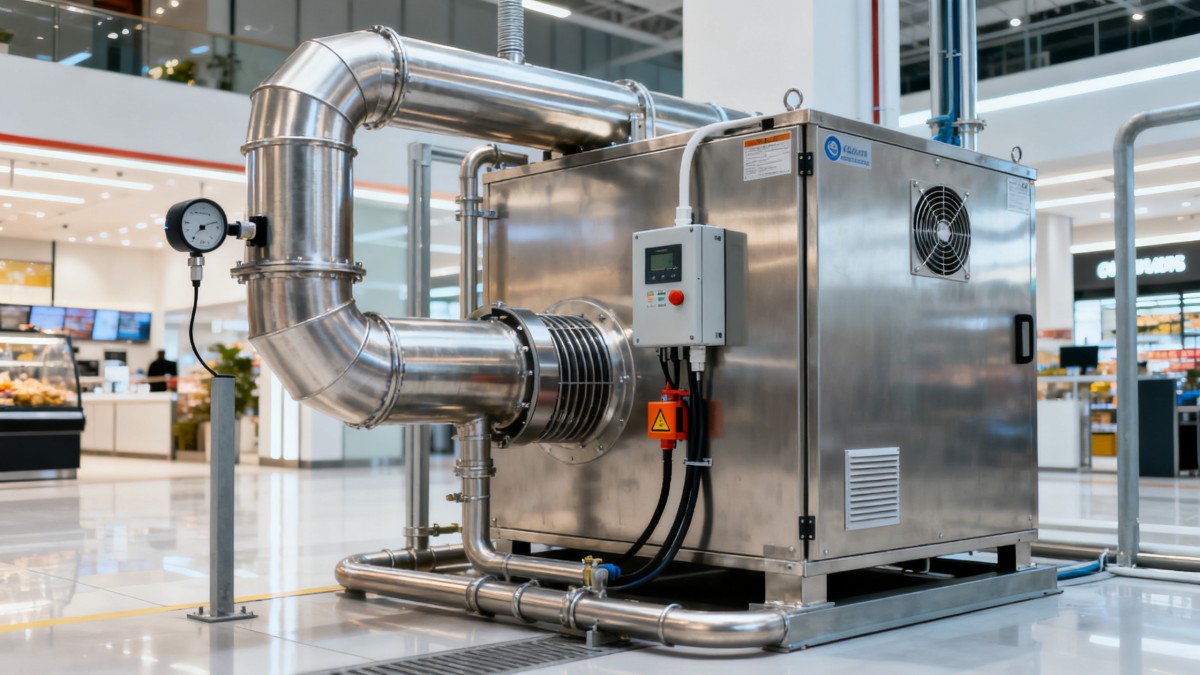
An HVAC ozone generator introduces ozone into moving air to reduce odors, oxidize some organic contaminants, and support periodic remediation.
It is not a universal substitute for filtration, ventilation, or source removal. That distinction matters during procurement.
In practice, ozone works best when the odor source is intermittent, the treatment zone can be controlled, and the application window is clearly defined.
More common examples include smoke odor recovery, unoccupied-space sanitation support, and targeted HVAC duct deodorization after contamination events.
It is less suitable when spaces are continuously occupied, fresh-air exchange is unstable, or the project expects ozone to solve particulate issues.
So when comparing an HVAC ozone generator, start by defining the operational goal: odor control, shock treatment, or scheduled restoration.
How should output be matched to room size and airflow?
This is where many buying decisions go off track. Output alone does not predict field performance.
A high-capacity HVAC ozone generator in a fast-moving air stream may deliver lower contact time than a smaller unit in a slower, isolated loop.
Three variables need to be read together:
- Ozone output, usually shown in mg/h or g/h
- Room or treatment volume, not just floor area
- Air changes, duct velocity, and leakage conditions
A useful rule is to calculate cubic volume first, then check whether the ozone generator operates in a sealed treatment cycle or a live HVAC path.
For example, 5,000 cubic feet with poor sealing behaves very differently from 5,000 cubic feet in a contained remediation zone.
Another overlooked factor is humidity. Ozone decay can change with moisture, temperature, and contaminant load.
That means the same HVAC ozone generator may perform differently across a warehouse office, a hotel corridor, or a process-support room.
This kind of comparison sheet is far more useful than selecting the largest HVAC ozone generator on price-per-output alone.
Where do safety limits become the deciding factor?
Usually much earlier than expected. Ozone is effective because it is reactive, but that same reactivity requires strict exposure control.
The key issue is not only generator capacity. It is whether the application can keep ozone concentration within the intended operating boundary.
In occupied environments, exposure references such as OSHA, local workplace limits, and internal site EHS policies should shape the shortlist.
In unoccupied treatment cycles, attention shifts toward purge time, interlocks, warning labels, and restart procedures.
Needless to say, certification language matters. A compliant HVAC ozone generator should not rely on vague claims like “safe for all rooms.”
The safer path is to request documented limits, control features, and test evidence aligned with CE, UL, or relevant site requirements.
- Confirm whether the unit is intended for occupied or unoccupied use
- Check timer controls and automatic shutoff logic
- Ask for sensor integration options or external monitoring compatibility
- Review material compatibility in ducts, seals, and nearby plastics
This is one area where lower-output, better-controlled equipment can be the stronger buying decision.
Which specifications separate a serious unit from a risky one?
Once room size and safety limits are understood, the next step is filtering out weak or incomplete specifications.
A reliable HVAC ozone generator should show more than output and voltage. The surrounding engineering details are what reduce surprises after delivery.
Look closely at cell technology, maintenance access, duty cycle, enclosure quality, and control interface.
Corona discharge units often offer higher output, while UV-based designs may suit smaller or lighter-duty applications.
Neither is automatically better. The decision depends on runtime expectations, contamination load, and maintenance discipline.
The most useful specification checkpoints usually include:
- Rated ozone output with test conditions stated
- Recommended maximum treatment volume
- Required ambient temperature and humidity range
- Consumable life, cleaning interval, and spare parts availability
- Electrical certifications and enclosure durability
If the vendor cannot define testing conditions, the headline output number may have limited procurement value.
That is a familiar pattern in industrial sourcing, and GIC’s editorial approach consistently treats undocumented performance claims with caution.
What are the most common buying mistakes with an HVAC ozone generator?
The first mistake is treating ozone like general air purification. It is a targeted oxidation tool, not a universal IAQ solution.
The second is ignoring system conditions outside the generator itself. Leaky ducts, poor isolation, and short contact time can ruin results.
Another common error is comparing units only by purchase price. A cheaper HVAC ozone generator may cost more through maintenance, downtime, or compliance controls.
There is also a documentation gap in many tenders. Requests often mention area size but omit occupancy pattern, airflow rate, or target contaminant type.
Without those details, vendors may quote overly broad solutions that look acceptable on paper.
A more dependable evaluation process includes a short technical brief before quotation:
- Treatment objective and expected odor source
- Space volume, HVAC layout, and air exchange pattern
- Occupied or unoccupied operating window
- Required compliance documents and lead time
That small step usually improves quote accuracy and makes side-by-side comparison much cleaner.
How should cost, maintenance, and implementation timing be judged?
Purchase price is only the entry point. The full cost of an HVAC ozone generator is shaped by operation method, maintenance frequency, and integration effort.
Standalone portable units may arrive faster, but fixed-install systems can deliver better control where repeat treatment is planned.
Consumables, ozone cell replacement, labor access, and monitoring equipment should be priced early, not after award.
Implementation timing also depends on whether the unit needs duct modification, electrical adaptation, or safety signage review.
If the application supports a restoration project or temporary remediation, setup speed may matter more than long-term integration.
If the unit becomes part of a recurring facility protocol, serviceability and documentation become more important than initial discounting.
A sound buying decision usually balances these five points:
- Verified output under stated conditions
- Safe use within the intended occupancy pattern
- Reasonable maintenance burden over the service life
- Documented compliance and traceable certifications
- Installation fit with the existing HVAC environment
So what is the practical next step before shortlisting?
Start with the application boundary, not the catalog page. Define volume, occupancy, airflow, odor source, and acceptable exposure limit.
Then compare each HVAC ozone generator against the same checklist, using standardized units and documented test conditions.
In most cases, the best option is not the strongest ozone output. It is the unit that performs predictably within safety limits.
For complex sites, it helps to align environmental targets, EHS review, and maintenance input before final selection.
That approach reduces rework, supports compliance, and makes the HVAC ozone generator a controlled engineering choice rather than a trial purchase.
If the next comparison round is still unclear, build a short matrix around output, room size, airflow, safety controls, and service requirements before moving forward.
Technical Specifications
- How to Select Electronic Hotel Key Card Locks for Guest Rooms and Staff AreasAuthor :Safety Compliance Lead
- How to Select Lab Instruments for Reliable Chemical Analysis WorkflowsAuthor :Precision Metrology Expert
- How to Size a UPS for Server Rooms: Load, Runtime, and Redundancy FactorsAuthor :Grid Infrastructure Analyst
Expert Insights

Chief Security Architect
Dr. Thorne specializes in the intersection of structural engineering and digital resilience. He has advised three G7 governments on industrial infrastructure security.
Related Analysis
- Sep 17, 2026How to Select Electronic Hotel Key Card Locks for Guest Rooms and Staff AreasAuthor :Safety Compliance Lead
- Sep 16, 2026How to Select Lab Instruments for Reliable Chemical Analysis WorkflowsAuthor :Precision Metrology Expert
- Sep 15, 2026How to Size a UPS for Server Rooms: Load, Runtime, and Redundancy FactorsAuthor :Grid Infrastructure Analyst
Core Sector // 01
Security & Safety
- Environmental Technologies for Heavy Industry: Choosing Cleaner Production SolutionsAuthor :Environmental Engineering Director

- Selecting Air Compliance Equipment for Dust, Fumes, and VOC ControlAuthor :Environmental Engineering Director

- EU Rule Tightens EN 1822-2 for Industrial Air PurifiersAuthor :Environmental Engineering Director

- EU Eco-Design Rules Tighten for Air PurifiersAuthor :Environmental Engineering Director

- Low-Maintenance Dust and Fume Control Systems: Best Options for Welding ShopsAuthor :Environmental Engineering Director

- EPA Sets VOC Labeling Rule for Air PurifiersAuthor :Environmental Engineering Director

- Saudi SASO Rule Adds Real-Time Logging for Air SystemsAuthor :Environmental Engineering Director

- Saudi SASO Rules Tighten for Air PurifiersAuthor :Environmental Engineering Director