SABIC Outage Tightens Feedstock Rules for Filtration Supply
Author
Date Published
Reading Time
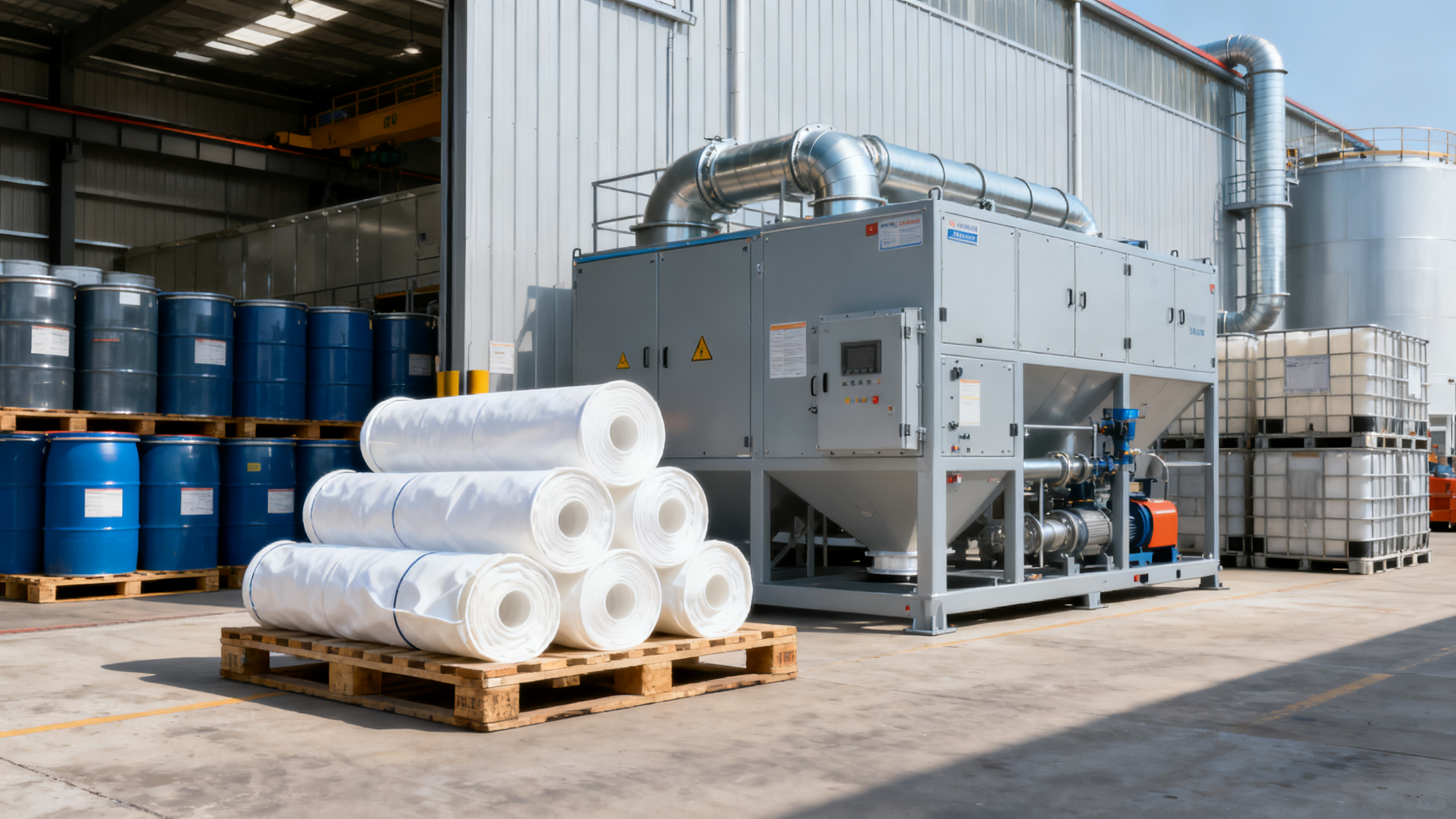
On June 12, 2026, SABIC disclosed a force majeure event affecting methanol and styrene production at its Jubail base, bringing a new compliance and delivery risk signal to filtration materials and waste-gas treatment equipment supply chains. For manufacturers, buyers, traders, and project teams linked to Air Purifiers & Dust media and Solid Waste Mgmt pyrolysis catalyst applications, the issue is no longer only about raw material availability, but also about how procurement terms, delivery commitments, technical documentation, and contract execution may need closer review in the near term.
SABIC declaration and the confirmed supply gap
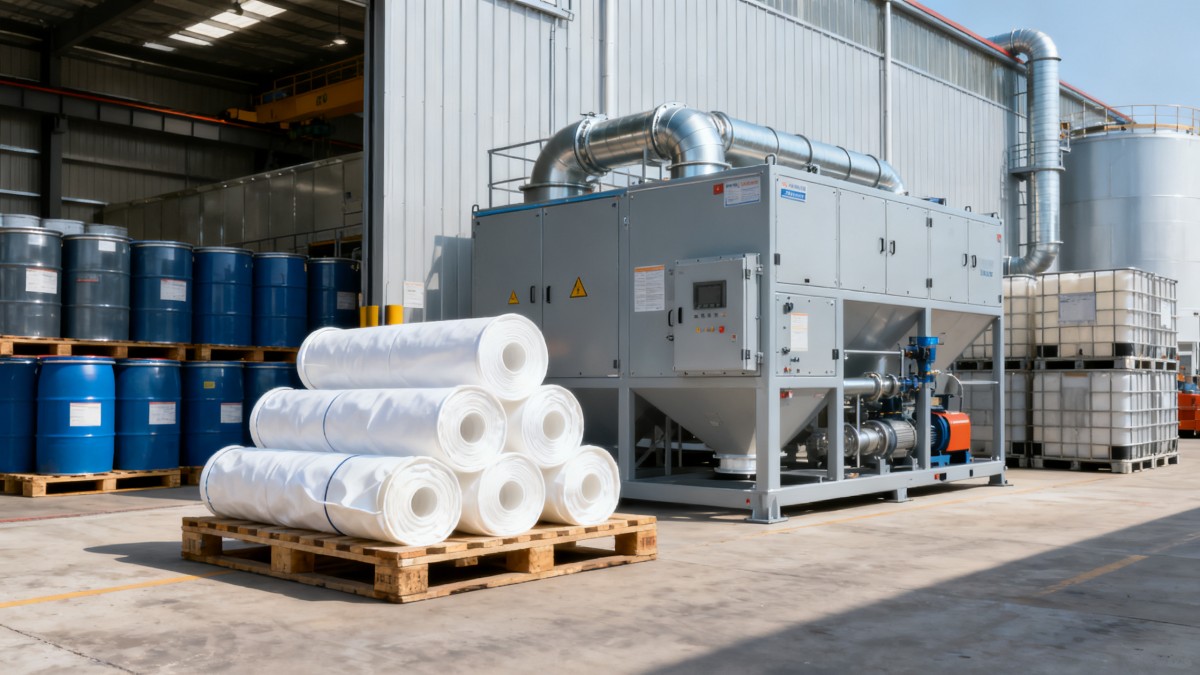
The confirmed facts are limited but commercially significant. SABIC announced on June 12, 2026 that methanol production capacity of 4.7 million tonnes per year and styrene production capacity of 1.8 million tonnes per year at its Jubail site were affected by force majeure. The event widened the global supply gap for these materials. The provided summary also states that these feedstocks are key upstream inputs for core Air Purifiers & Dust filter materials, including PTFE membrane filter bags, and for pyrolysis catalysts used in Solid Waste Mgmt. Based on the same provided information, manufacturing costs for related equipment are expected to rise by 8–12% in Q3, while delivery times are expected to extend by 4–6 weeks.
Where execution pressure is likely to appear first
Purchasing teams may face stricter contract and delivery review
From an industry perspective, buyers of filtration media and waste-gas treatment equipment may be among the first to feel the impact because the reported shortage sits upstream of core material inputs. The practical pressure point is likely to appear in quotation validity, procurement schedules, lead-time commitments, and change-control clauses in purchase orders. What deserves closer attention is whether existing technical and commercial documents leave room for raw material substitution, delivery adjustment, or price revision without creating downstream compliance disputes.
Manufacturers may need tighter alignment between specifications and supply
For processing and equipment manufacturing companies, the issue may extend beyond cost increases. Analysis shows that when upstream methanol and styrene availability tightens, manufacturers may need to check whether material lists, technical bid submissions, internal quality records, and customer-approved specifications remain aligned with what can actually be sourced. If substitute supply is considered, the key concern is not to assume interchangeability without verifying whether product qualification, test records, or customer documentation requirements could be affected.
Trading and channel participants may see higher document sensitivity
Direct trading firms and distribution channels may face greater scrutiny over delivery dates, product descriptions, and origin-related commercial paperwork because shortages often increase attention to contract interpretation and shipment consistency. Observably, even without a new regulation being announced in the provided facts, market participants may need to handle documentation more carefully to avoid disputes over delayed fulfillment, specification mismatch, or revised shipment planning.
Project delivery and after-sales teams may need earlier customer communication
For project contractors, service providers, and after-sales teams, the reported 4–6 week extension in lead times may affect installation windows, spare-part scheduling, and maintenance planning. The operational issue is less about policy text and more about execution discipline: customer notices, revised delivery undertakings, and traceable communication records may become more important if supply disruptions begin to affect acceptance timing or replacement part commitments.
What companies should verify now
Check whether certification and quality files depend on fixed feedstocks
Analysis shows that companies should review whether existing certification packages, quality documents, or approved technical files are tied to specific material routes that could become harder to maintain during the outage period. If supply arrangements shift, firms should avoid treating document continuity as automatic and should verify whether any supporting test reports or technical statements need updating.
Watch for changes in tender language and customer specifications
What deserves closer attention is the possibility that buyers or project owners may begin tightening wording in tender files, bid clarifications, or purchase specifications in response to cost and lead-time volatility. The provided information does not confirm that such changes have already happened, so this remains a point for monitoring rather than a confirmed outcome.
Reassess procurement timing and supplier qualification records
For companies with active orders in related product lines, a practical priority is to review procurement cycles, buffer assumptions, and supplier qualification files. Observably, when a force majeure declaration affects key upstream chemicals, supplier capability records, approved vendor status, and delivery assurances may become more important in internal approval and customer-facing communication.
Prepare for trade and service disputes around revised lead times
Analysis shows that extended lead times can create friction not only at the factory gate but also in export execution, service scheduling, and warranty support. Companies should therefore pay closer attention to contract language, shipment records, product traceability, and customer notification processes, especially where delivery timing is linked to acceptance milestones or service obligations.
Why this is more of an execution signal than a settled rule change
Observably, this development is best read as an execution-level signal rather than as a fully defined new regulatory framework. The confirmed facts point to a force majeure event and its likely cost and lead-time implications, but they do not by themselves establish a new formal policy, certification rule, or trade regulation. Even so, the event matters because supply disruptions in critical feedstocks often reshape how existing procurement rules, specification controls, contract clauses, and compliance checks are applied in practice.
How the market is likely to interpret it for now
At this stage, it is more appropriate to understand the event as a material supply disruption with potential compliance and trade execution consequences, not as a standalone legal rule already settled across the market. The near-term significance lies in how companies adjust procurement discipline, documentation control, and delivery communication under tighter supply conditions. Further market reaction, customer requirements, and execution practice still need observation before broader conclusions can be drawn.
Basis of this article and points still requiring verification
This article is generated from the user-provided news title, event date, and event summary. For developments of this type, relevant source categories typically include official company announcements, regulator releases, customs or trade authority information, industry association updates, standard-setting documents, and reporting by established business media. A specific official source link was not provided in the input, so continued verification is still necessary. Items that remain worth monitoring include any later official wording, certification interpretation, tender document changes, industry feedback, and how companies implement delivery and procurement adjustments in practice.
Technical Specifications
- How to Select Electronic Hotel Key Card Locks for Guest Rooms and Staff AreasAuthor :Safety Compliance Lead
- How to Select Lab Instruments for Reliable Chemical Analysis WorkflowsAuthor :Precision Metrology Expert
- How to Size a UPS for Server Rooms: Load, Runtime, and Redundancy FactorsAuthor :Grid Infrastructure Analyst
Expert Insights

Chief Security Architect
Dr. Thorne specializes in the intersection of structural engineering and digital resilience. He has advised three G7 governments on industrial infrastructure security.
Related Analysis
- Sep 17, 2026How to Select Electronic Hotel Key Card Locks for Guest Rooms and Staff AreasAuthor :Safety Compliance Lead
- Sep 16, 2026How to Select Lab Instruments for Reliable Chemical Analysis WorkflowsAuthor :Precision Metrology Expert
- Sep 15, 2026How to Size a UPS for Server Rooms: Load, Runtime, and Redundancy FactorsAuthor :Grid Infrastructure Analyst
Core Sector // 01
Security & Safety
- Environmental Technologies for Heavy Industry: Choosing Cleaner Production SolutionsAuthor :Environmental Engineering Director

- Selecting Air Compliance Equipment for Dust, Fumes, and VOC ControlAuthor :Environmental Engineering Director

- EU Rule Tightens EN 1822-2 for Industrial Air PurifiersAuthor :Environmental Engineering Director

- EU Eco-Design Rules Tighten for Air PurifiersAuthor :Environmental Engineering Director

- Low-Maintenance Dust and Fume Control Systems: Best Options for Welding ShopsAuthor :Environmental Engineering Director

- EPA Sets VOC Labeling Rule for Air PurifiersAuthor :Environmental Engineering Director

- Saudi SASO Rule Adds Real-Time Logging for Air SystemsAuthor :Environmental Engineering Director

- Saudi SASO Rules Tighten for Air PurifiersAuthor :Environmental Engineering Director