Industrial Hygiene Equipment Checklist for Dust, Gas, and Noise Control in Facilities
Author
Date Published
Reading Time
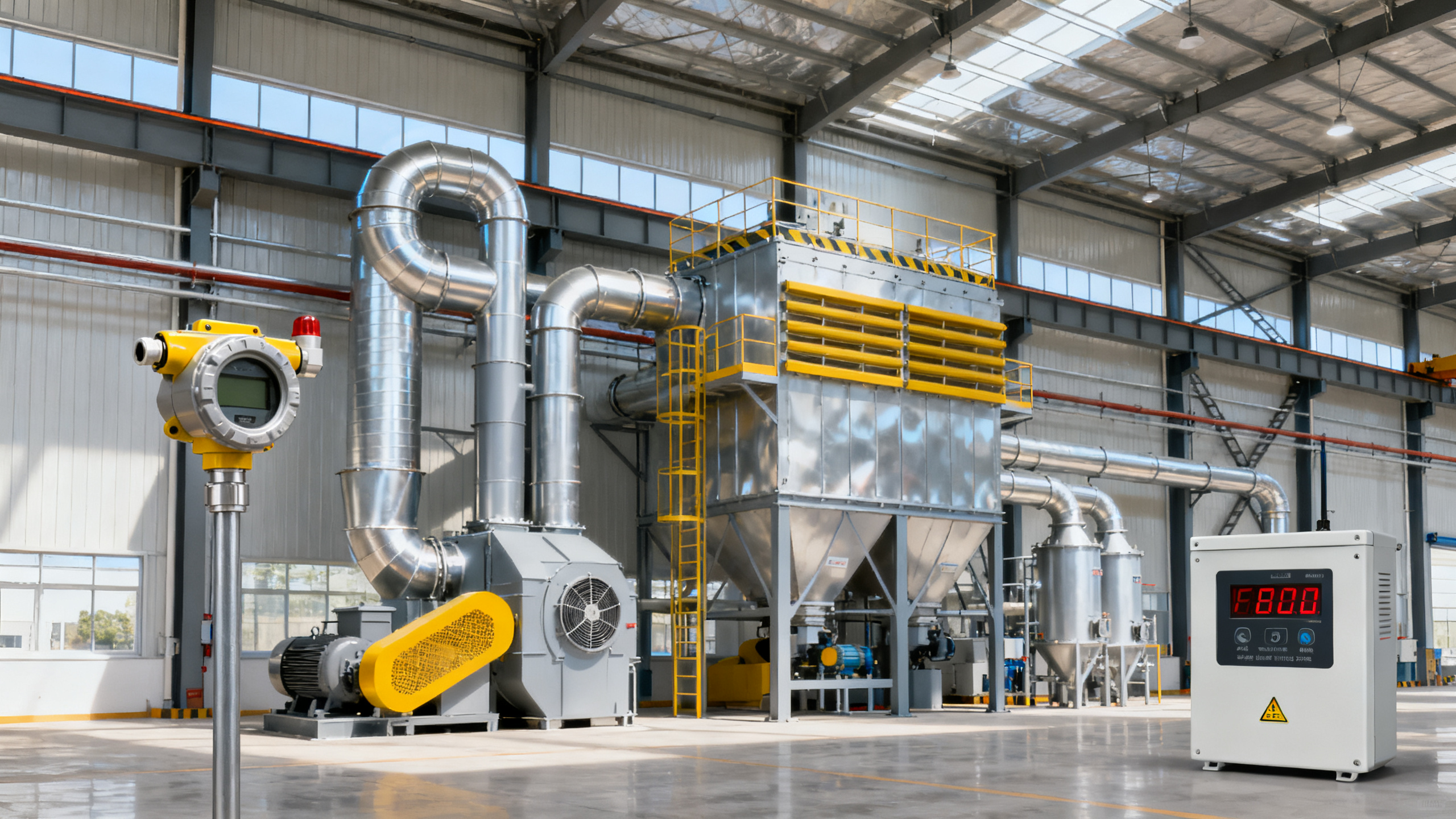
Industrial hygiene equipment starts with exposure reality, not a generic kit list
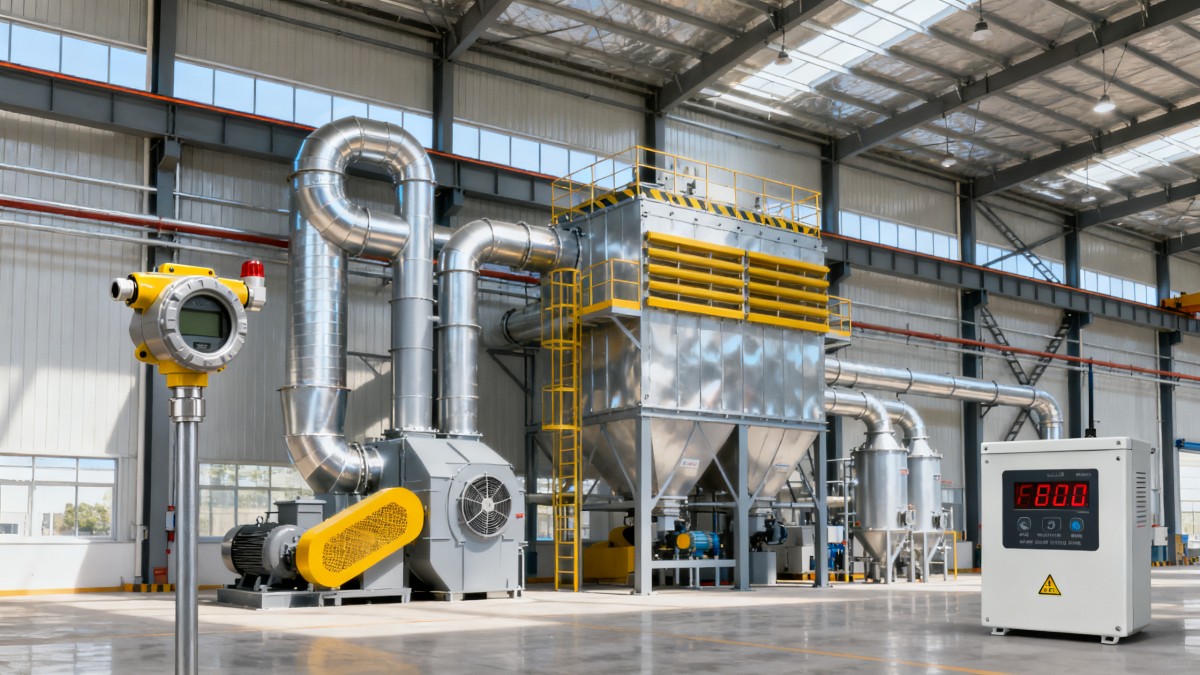
Selecting industrial hygiene equipment is rarely a simple matter of buying monitors, respirators, and sound meters from one checklist.
In active facilities, dust, gas, and noise interact with layout, process heat, ventilation, maintenance schedules, and compliance obligations.
That is why strong industrial hygiene equipment programs focus on where exposure develops, how often conditions change, and which measurements support action.
A warehouse with forklift traffic does not need the same industrial hygiene equipment logic as a grinding line, a boiler room, or a chemical dosing area.
In practice, the better approach is to match equipment selection to risk behavior.
This means combining instruments and protective controls that support compliance, uptime, and worker protection at the same time.
That editorial discipline matters in complex industrial environments, where CE, UL, ISO, and site-specific rules shape what can be deployed and trusted.
It also reflects the kind of evidence-led evaluation associated with Global Industrial Core, where technical credibility depends on field relevance, not brochure language.
Why one facility can need very different industrial hygiene equipment choices
The same contaminant category can behave differently across departments.
Fine combustible dust in transfer points creates a different control problem than coarse nuisance dust near pallet movement.
Intermittent solvent vapor during cleaning also demands a different response than continuous low-level gas release around process seals.
Noise follows the same pattern.
Short impact peaks near metal forming may matter more than average background noise in a packaging hall.
Because of that, industrial hygiene equipment should be selected around five practical questions:
- Is the hazard continuous, intermittent, or event-driven?
- Is the need area monitoring, personal monitoring, or both?
- Do controls need alarms, logging, or integration with shutdown systems?
- Will the environment affect sensor life, calibration stability, or enclosure ratings?
- Can maintenance teams support calibration, filter changes, and verification intervals?
These questions keep industrial hygiene equipment decisions tied to operational reality instead of isolated technical specifications.
Dust-heavy operations usually need layered monitoring and capture control
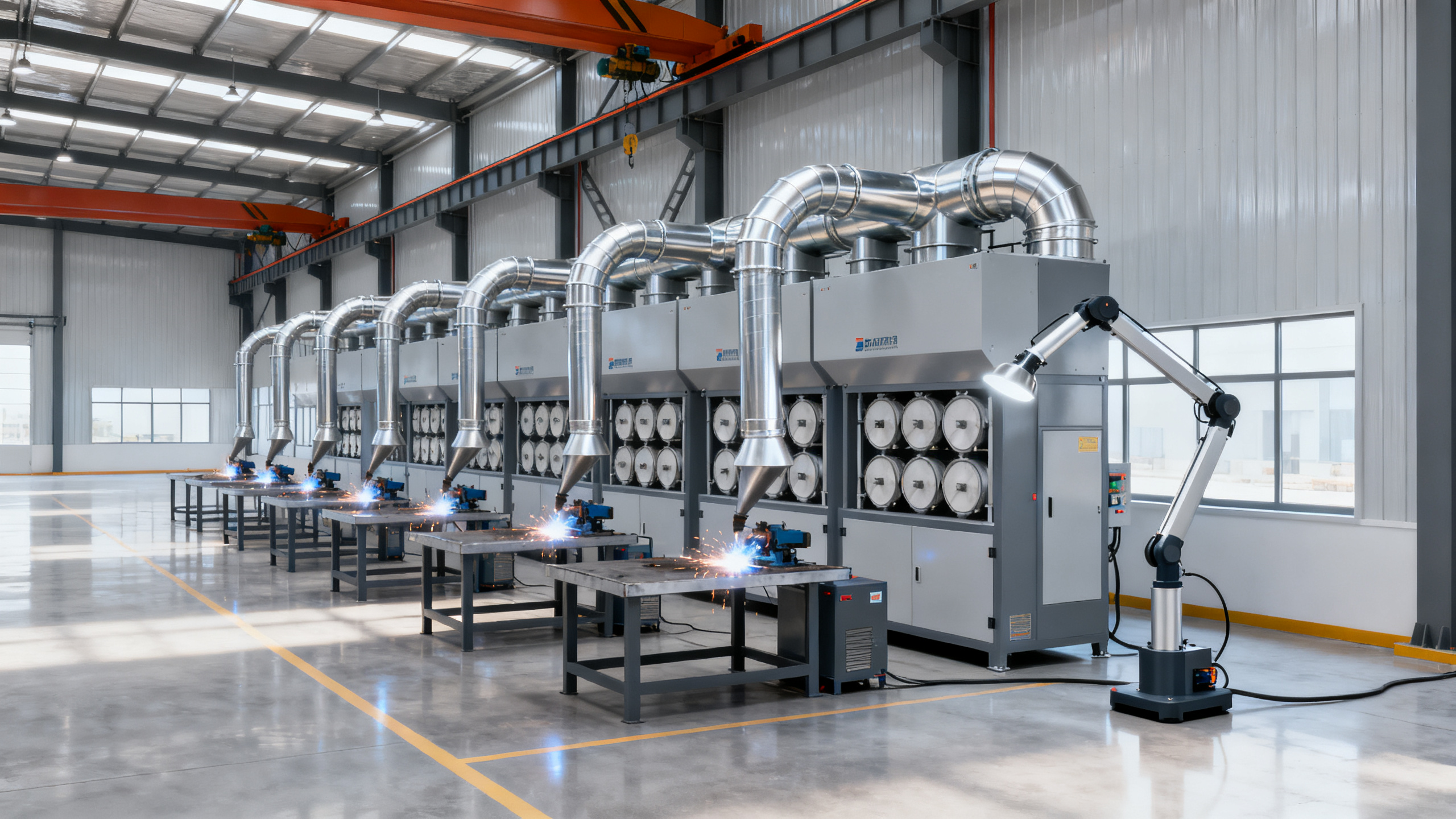
Dust control becomes more demanding when the source is distributed.
Bulk handling, cutting, abrasive blasting, bag dumping, and powder transfer often generate exposure at several points at once.
In these settings, industrial hygiene equipment should not stop at one handheld particle meter.
A stronger setup often includes real-time particulate monitors, personal sampling pumps, local exhaust verification tools, and differential pressure checks on filtration units.
Where dust characteristics are uncertain, gravimetric sampling remains important because optical readings alone can misrepresent actual respirable exposure.
More facilities are also linking industrial hygiene equipment to housekeeping triggers.
That is useful when dust settles in hidden beams, cable trays, or enclosed conveyors, where visual cleanliness is a poor indicator of risk.
What deserves extra attention in dusty areas
- Sensor tolerance for humidity, sticky particulate, and high loading conditions.
- Sampling points near breathing zones, not only near extraction ducts.
- Compatibility between dust collectors, airflow indicators, and alarm thresholds.
- Maintenance access for filters, tubing, and calibration ports.
A common mistake is treating every dusty process as identical.
Powder ingredients, metal fines, mineral dust, and carbon-rich material each change monitoring strategy and control urgency.
Gas exposure zones require faster decisions and clearer alarm logic
Gas risk becomes less forgiving when leaks are invisible, mobile, or process-linked.
Boiler houses, enclosed utility rooms, battery charging stations, wastewater pits, and chemical storage areas often need industrial hygiene equipment with rapid response and dependable alarms.
Here, fixed gas detection and portable multi-gas instruments serve different purposes.
Fixed units protect the area continuously.
Portable units confirm conditions during entry, maintenance, or upset events.
The right industrial hygiene equipment mix depends on gas type, ventilation pattern, and whether release is heavier or lighter than air.
Electrochemical sensors may fit toxic gases, while catalytic or infrared options may better suit combustible gas monitoring.
Cross-sensitivity, bump testing frequency, and environmental drift should be reviewed before choosing a device family.
One frequent misstep is buying a detector because it covers many gases on paper.
If calibration gas, spare sensors, or service intervals are difficult to support, the instrument may not remain reliable in daily use.
Noise control is not only about decibel readings
Noise-related industrial hygiene equipment is often under-scoped because facilities rely on occasional sound level snapshots.
That can miss rotating schedules, tool changes, maintenance conditions, and reflected noise in enclosed structures.
In workshops with presses, grinders, compressors, fans, and material impact, personal dosimeters often reveal more than area meters alone.
The useful industrial hygiene equipment package may also include octave band analyzers, acoustic enclosures, barrier verification, and fit-tested hearing protection support.
That matters when the goal is not only documenting exposure, but identifying whether the source, path, or receiver should be addressed first.
Where noise decisions often go wrong
- Using average readings when short impact events drive hearing risk.
- Skipping dosimetry in mobile or multi-station tasks.
- Buying hearing protection without checking communication needs.
- Ignoring equipment wear that gradually increases sound output.
In actual use, industrial hygiene equipment for noise should support engineering correction, not just annual records.
The most useful checklist compares conditions across departments
A practical checklist works best when it compares how exposure behaves across the facility.
That avoids the common habit of applying one industrial hygiene equipment standard everywhere.
The value of industrial hygiene equipment increases when this comparison is updated after process changes, layout revisions, or throughput expansion.
Before rollout, check the conditions that decide long-term fit
Some of the biggest failures happen after correct equipment has been selected for the wrong operating conditions.
Industrial hygiene equipment can underperform when battery life does not match shift patterns, housings are not suited to washdown areas, or calibration routines are too demanding.
It is also worth checking whether data outputs align with existing reporting systems.
Without usable records, exposure trends are harder to interpret and corrective action becomes slower.
A grounded implementation review should cover these points:
- Calibration method, service support, and spare part availability.
- Ingress protection, temperature range, and vibration tolerance.
- Alarm visibility in high-noise or low-light conditions.
- Compatibility with permits, audits, and digital recordkeeping.
- Total cost across consumables, downtime, and retraining.
This is where industrial hygiene equipment selection becomes part of broader facility resilience rather than a stand-alone safety purchase.
A stronger next step is to build a site-specific equipment checklist
The best industrial hygiene equipment checklist is built from actual exposure routes, not generic catalog categories.
Start by mapping where dust, gas, and noise appear during normal production, cleaning, maintenance, and upset conditions.
Then compare which areas need continuous detection, which need task-based sampling, and which need engineering control verification.
That process usually reveals where one instrument can support several decisions, and where specialized industrial hygiene equipment is non-negotiable.
It also makes it easier to define maintenance cycles, implementation limits, and documentation standards before gaps become compliance problems.
For facilities operating across varied risk zones, the most reliable path is to align equipment choices with measured conditions, control strategy, and long-term operating discipline.
Technical Specifications
- Wholesale Borosilicate Lab Glassware: How Buyers Verify Quality, Specs, and Supply ReliabilityAuthor :Precision Metrology Expert
- How to Select Electronic Hotel Key Card Locks for Guest Rooms and Staff AreasAuthor :Safety Compliance Lead
- How to Select Lab Instruments for Reliable Chemical Analysis WorkflowsAuthor :Precision Metrology Expert
Expert Insights

Chief Security Architect
Dr. Thorne specializes in the intersection of structural engineering and digital resilience. He has advised three G7 governments on industrial infrastructure security.
Related Analysis
- Sep 18, 2026Wholesale Borosilicate Lab Glassware: How Buyers Verify Quality, Specs, and Supply ReliabilityAuthor :Precision Metrology Expert
- Sep 17, 2026How to Select Electronic Hotel Key Card Locks for Guest Rooms and Staff AreasAuthor :Safety Compliance Lead
- Sep 16, 2026How to Select Lab Instruments for Reliable Chemical Analysis WorkflowsAuthor :Precision Metrology Expert
Core Sector // 01
Security & Safety
- Environmental Technologies for Heavy Industry: Choosing Cleaner Production SolutionsAuthor :Environmental Engineering Director

- Selecting Air Compliance Equipment for Dust, Fumes, and VOC ControlAuthor :Environmental Engineering Director

- EU Rule Tightens EN 1822-2 for Industrial Air PurifiersAuthor :Environmental Engineering Director

- EU Eco-Design Rules Tighten for Air PurifiersAuthor :Environmental Engineering Director

- Low-Maintenance Dust and Fume Control Systems: Best Options for Welding ShopsAuthor :Environmental Engineering Director

- EPA Sets VOC Labeling Rule for Air PurifiersAuthor :Environmental Engineering Director

- Saudi SASO Rule Adds Real-Time Logging for Air SystemsAuthor :Environmental Engineering Director

- Saudi SASO Rules Tighten for Air PurifiersAuthor :Environmental Engineering Director