CPSC Recall Signals Stricter UL 867 Compliance
Author
Date Published
Reading Time
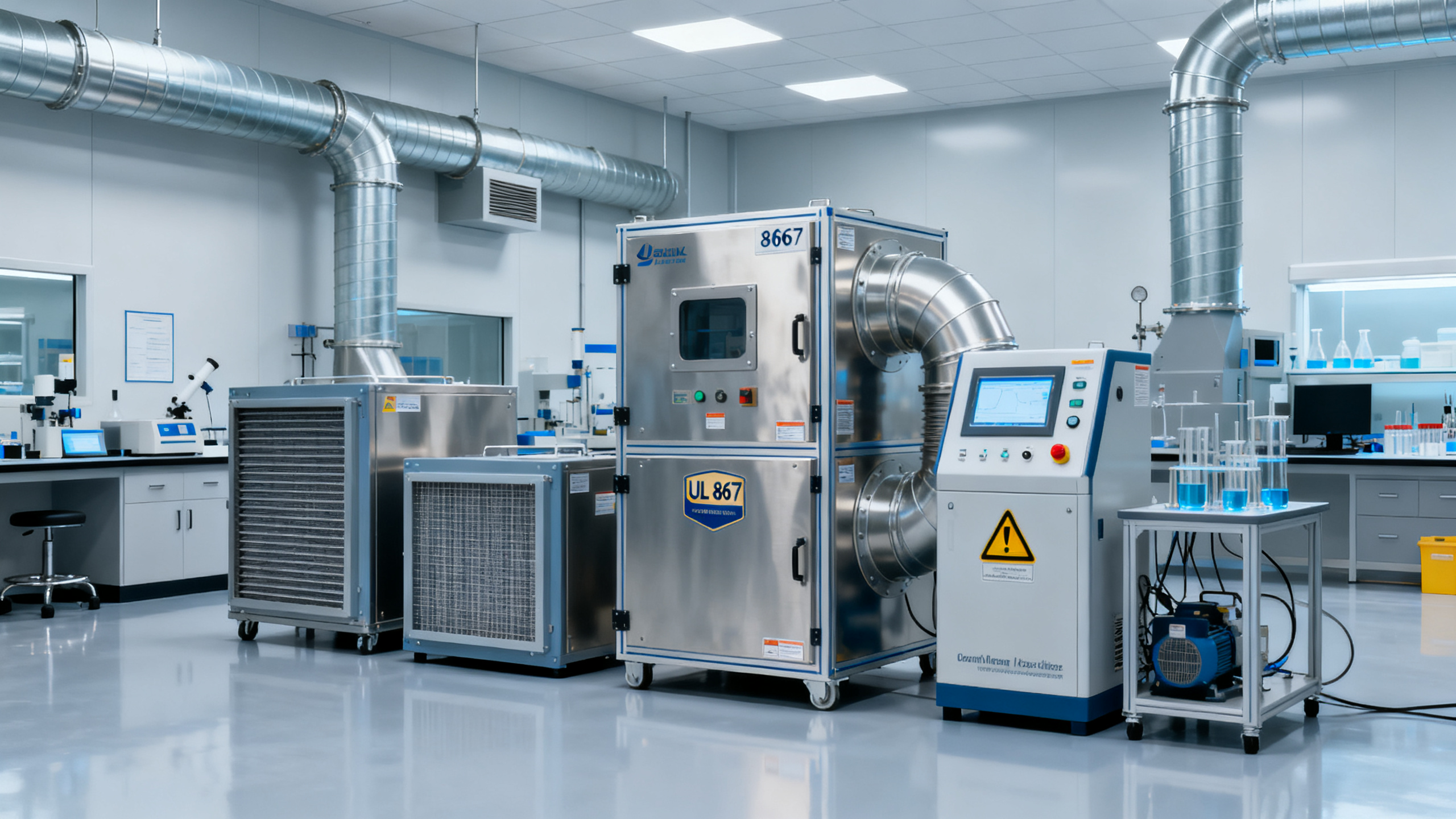
The timing of the underlying product failures is not specified in the available information, but the regulatory signal is clear: on June 17, 2026, the U.S. Consumer Product Safety Commission issued an emergency recall tied to industrial air filtration units made by 32 Chinese manufacturers, with the issue centered on failed retesting under UL 867:2022 for ionization efficiency and ozone emissions. For manufacturers, exporters, distributors, procurement teams, and installation-related service providers, this is worth close attention because it connects certification validity directly to whether products can continue to be distributed or installed in the U.S. market.
What the recall notice confirms
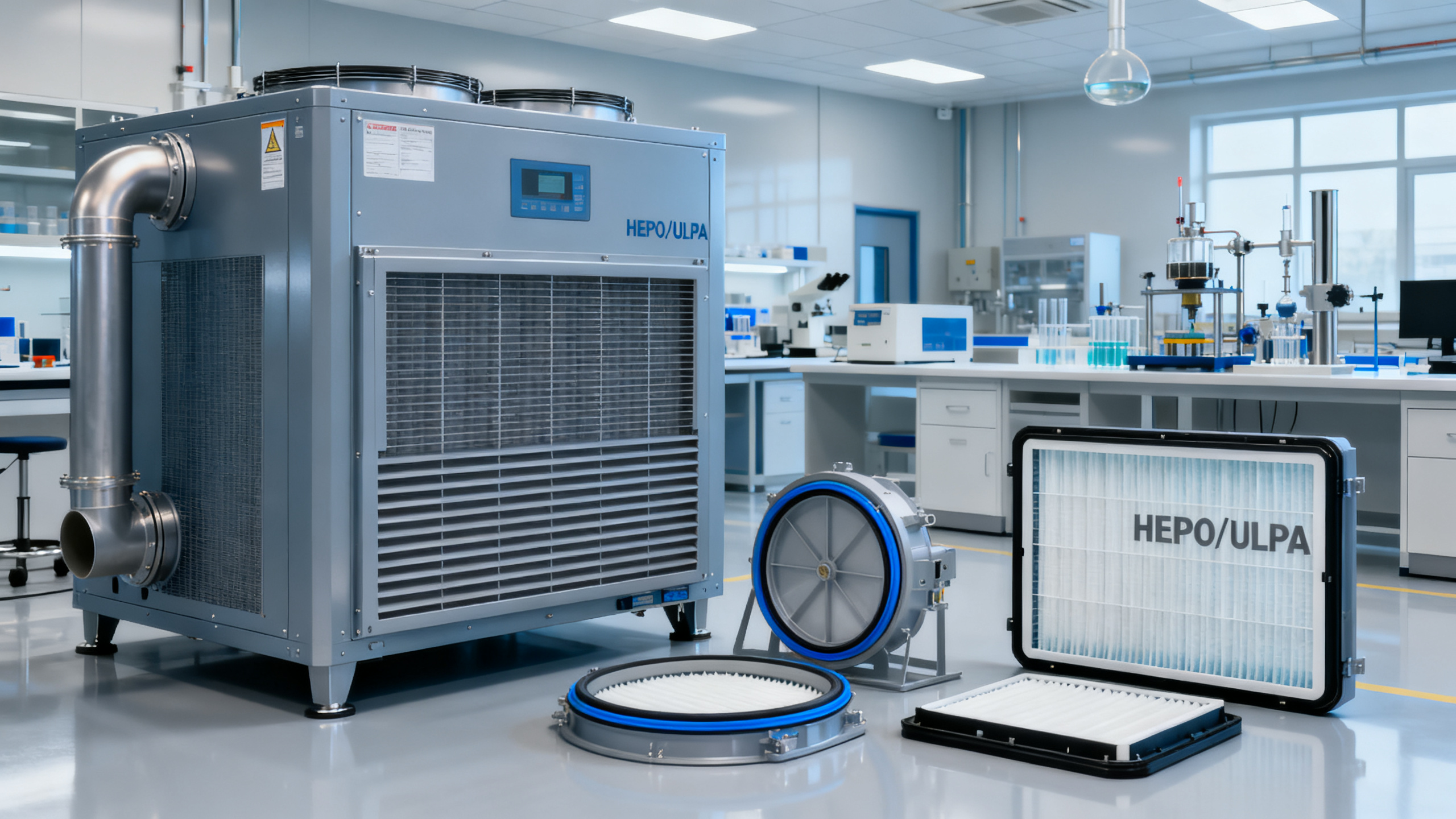
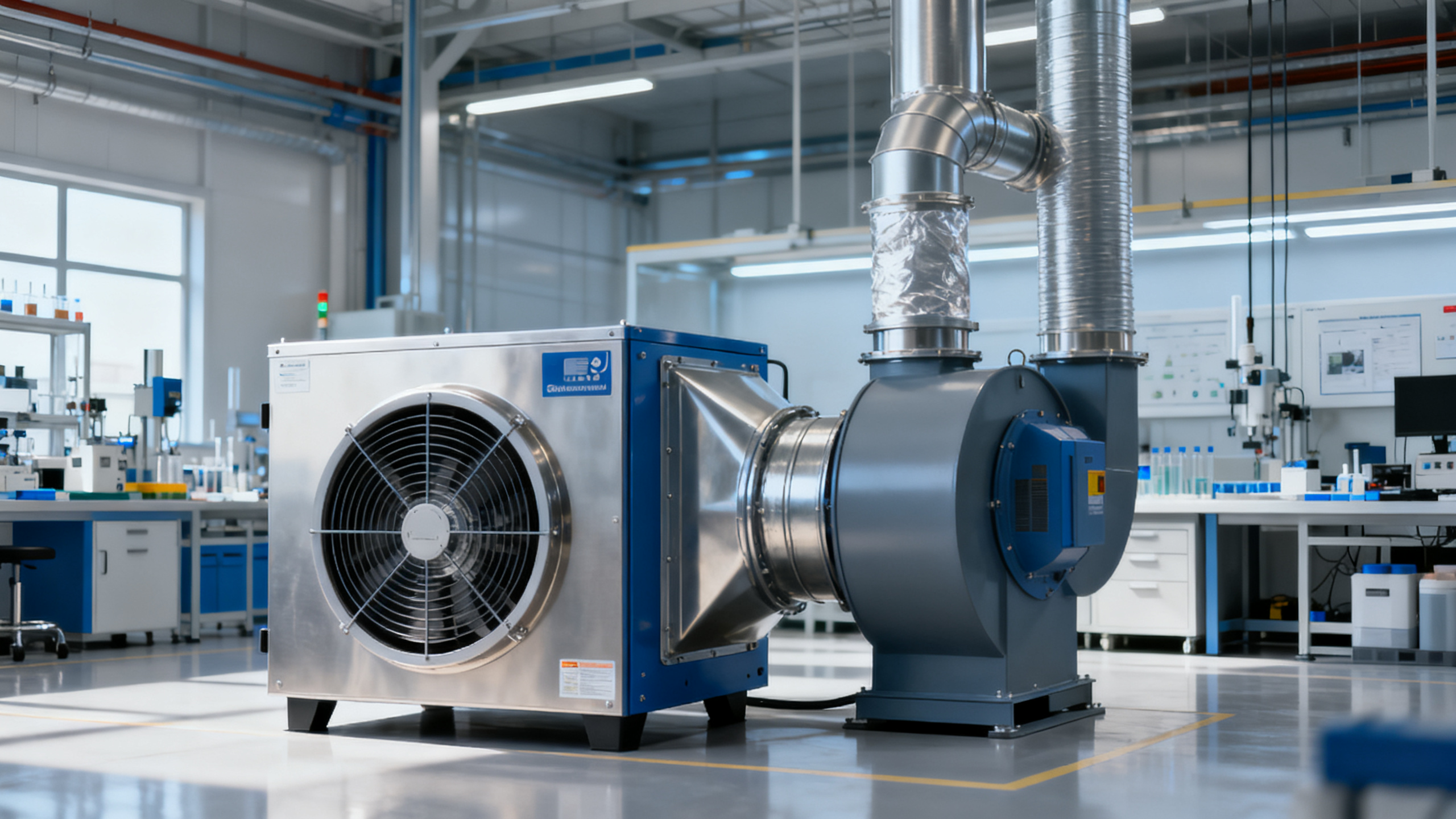
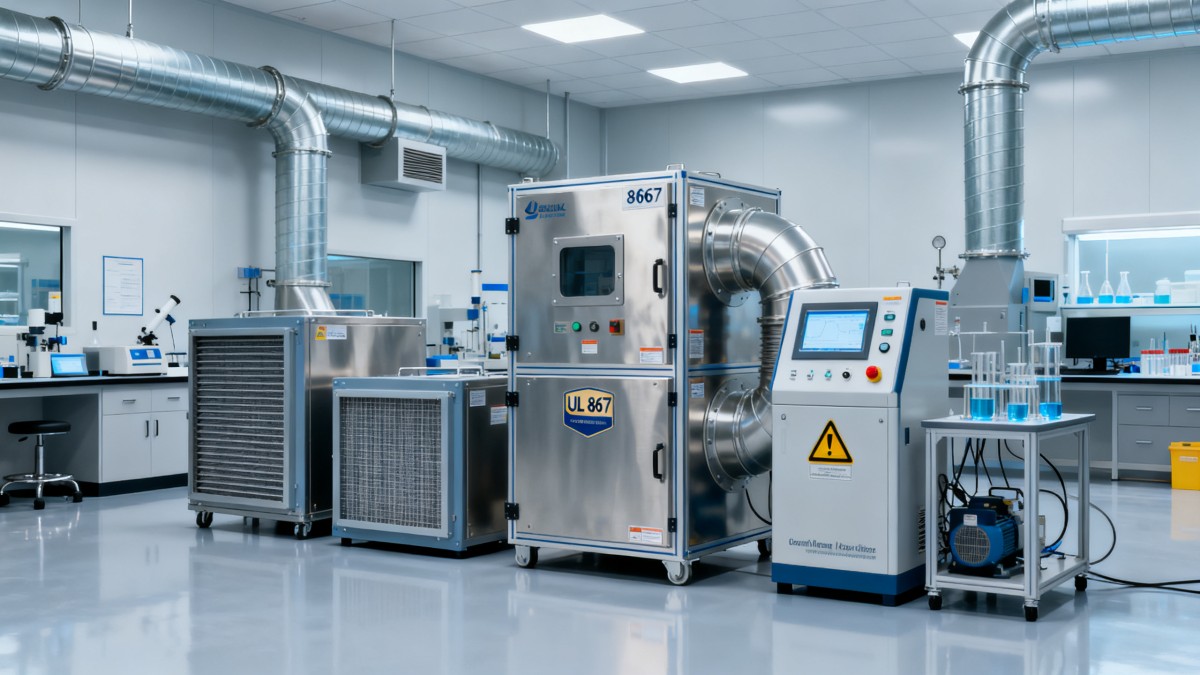
According to the provided information, the CPSC released emergency recall notice Recall #26-142 on June 17, 2026. The notice covers industrial-grade air filtration units produced by 32 Chinese manufacturers. The stated reason is that retesting under UL 867:2022 found non-compliance in ionization efficiency and ozone release levels.
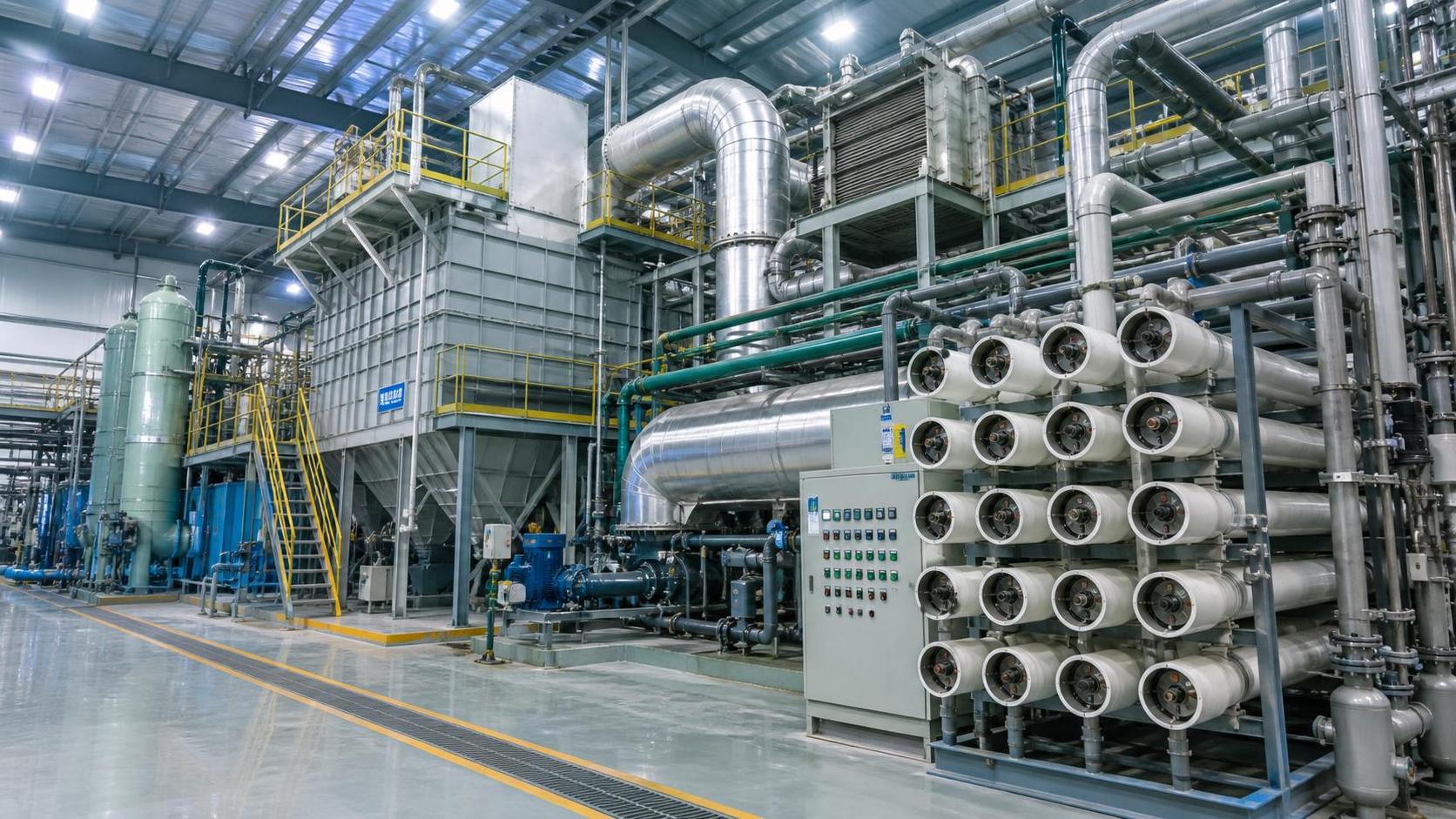
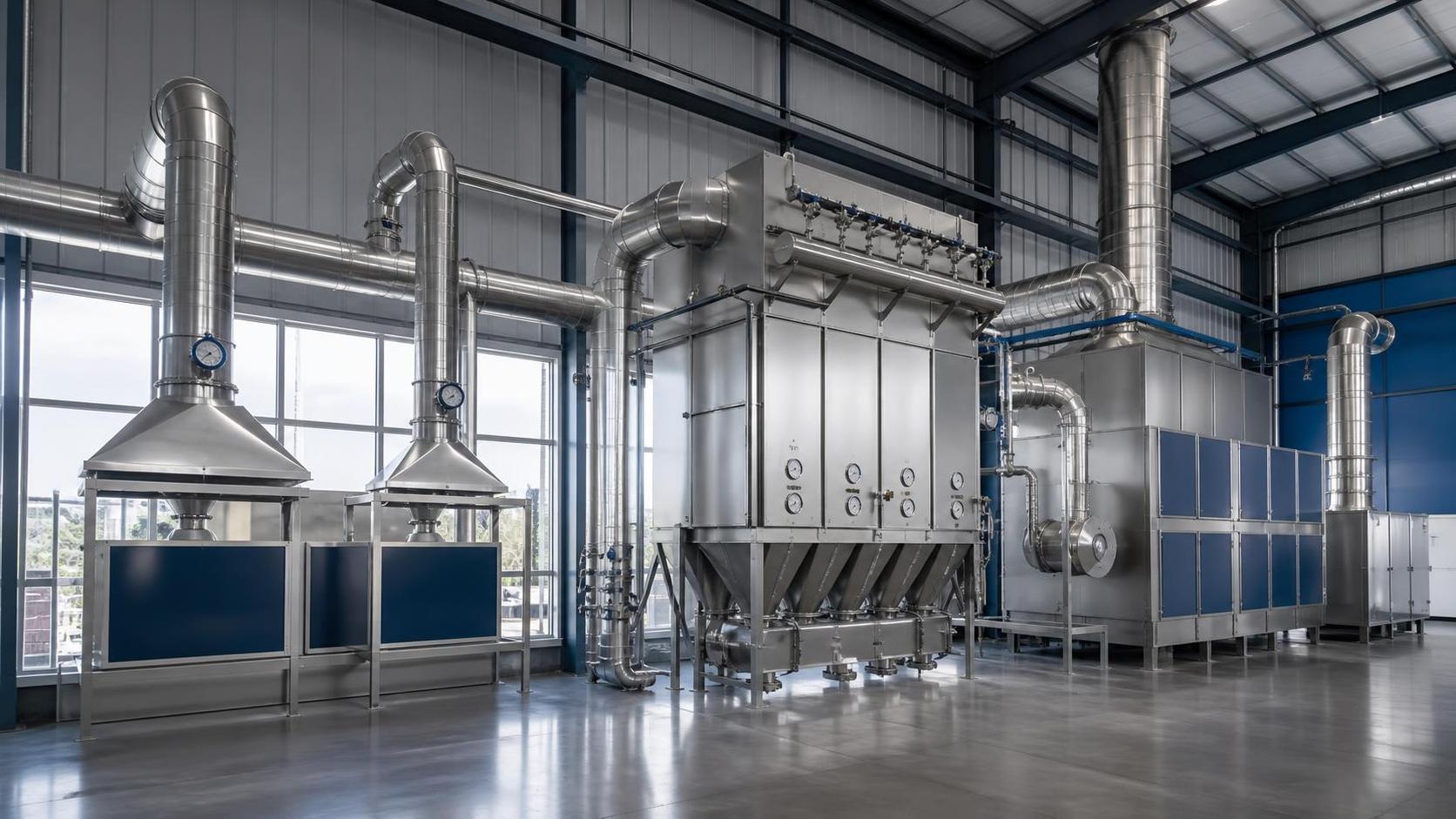
The products involved are described as being used in clean workshop environments, spray lines, and medical settings. The same information states that the affected units have been sold through B2B platforms including Amazon, Grainger, and Quill.
The CPSC also states that products without valid updated UL certification will be barred from distribution or installation in the United States, and that the matter may also trigger state-level environmental litigation.
Where the pressure is likely to appear first
For manufacturers and export-facing suppliers
From an industry perspective, these companies are the first to feel the impact because the issue is not only product performance, but whether existing certification status remains usable in market access and delivery. The most immediate pressure points are likely to be certification review, technical file verification, shipment readiness, and customer communication around whether a unit still meets updated compliance expectations.
For distributors and platform-based channels
Distributors and B2B sales channels may face a more immediate screening burden because the recall directly affects products already sold through major platforms. Analysis shows that channel participants should pay closer attention to listing compliance, certification validity checks, recall-related product controls, and whether sales, delivery, or installation commitments require adjustment when certification status cannot be confirmed.
For buyers in controlled-use environments
Purchasers serving cleanrooms, spray lines, and medical environments may be affected because these applications are more sensitive to technical and compliance documentation. What deserves closer attention is whether procurement documents, vendor qualification reviews, acceptance criteria, and installation approvals now place greater emphasis on updated UL certification status rather than relying on earlier approvals alone.
For testing, certification, and after-sales support participants
Certification-related service providers and after-sales teams may also see operational changes. Observably, the key issue is not only whether a product was once certified, but whether the certification remains valid after retesting under the updated standard context described in the recall. That can influence document checks, replacement handling, service records, and quality traceability during customer follow-up.
What companies should review now
Recheck whether certification files remain current
Analysis shows that companies involved with industrial air filtration units should review whether UL documentation, retest records, product specifications, and sales materials remain aligned with the certification status currently recognized for the U.S. market. In this case, the gap identified by the recall concerns ionization efficiency and ozone release under UL 867:2022, so those records deserve particular scrutiny.
Watch for changes in procurement and bid documentation
Companies supplying into regulated or specification-driven projects should monitor whether buyers begin tightening qualification language in tenders, purchase orders, or technical approval documents. It is more appropriate to understand this as a practical compliance checkpoint: even without further details in the provided information, certification wording in procurement files may become more important for delivery acceptance and installation approval.
Prepare for delays in shipment, installation, or replacement workflows
Observably, when a regulator links certification validity to a ban on distribution or installation, the commercial effect can extend beyond product listings. Exporters, import-side partners, and service teams should closely review order status, installation commitments, replacement obligations, and traceability records so they can respond if customers request updated proof of compliance.
Continue tracking official wording and market execution
The provided information does not set out detailed enforcement steps beyond the recall statement, so companies should avoid assuming a fully settled execution framework. What deserves closer attention is whether later official wording, buyer-side requirements, or market practice further clarify how updated UL certification will be reviewed in distribution, installation, or post-sale handling.
Why this looks more like an enforcement signal than a routine recall
Observably, this development is more significant than a narrow product notice because the issue described is tied to retesting under UL 867:2022 and to the continued legality of distribution and installation in the U.S. market. Analysis shows that the message to the industry is less about a single defective batch and more about the compliance consequences of certification no longer being valid under an updated standard framework.
At the same time, it would be premature to treat this as a complete statement of future market practice. The information provided confirms the recall, the failed retest areas, and the risk of distribution, installation, and possible state-level environmental exposure, but the broader execution path still requires continued observation.
How the market is likely to read this development
The most balanced reading is that this is an already active compliance signal with direct commercial implications, especially for products entering specification-driven or installation-sensitive applications. It is more appropriate to understand this as a rule-enforcement development rather than as a general industry trend story.
For companies in the related supply chain, the immediate value lies in checking certification continuity, technical documentation, and customer-facing compliance claims. The longer-term significance will depend on how procurement standards, platform controls, and market-side verification practices respond after the recall notice.
Basis of this article
This article is generated from the user-provided news title, event timing, and event summary. The specific official source link was not provided in the input, so the original notice and any later updates still need to be continuously verified.
For this type of development, commonly relevant source categories include official regulator notices, enforcement releases, trade or customs authority information, industry association updates, standard-setting documents, certification-related notices, and reporting by established professional media. Further observation is still needed regarding detailed enforcement language, certification review practice, procurement document changes, industry feedback, and how affected companies implement follow-up actions.
Technical Specifications
- How to Select Electronic Hotel Key Card Locks for Guest Rooms and Staff AreasAuthor :Safety Compliance Lead
- How to Select Lab Instruments for Reliable Chemical Analysis WorkflowsAuthor :Precision Metrology Expert
- How to Size a UPS for Server Rooms: Load, Runtime, and Redundancy FactorsAuthor :Grid Infrastructure Analyst
Expert Insights

Chief Security Architect
Dr. Thorne specializes in the intersection of structural engineering and digital resilience. He has advised three G7 governments on industrial infrastructure security.
Related Analysis
- Sep 17, 2026How to Select Electronic Hotel Key Card Locks for Guest Rooms and Staff AreasAuthor :Safety Compliance Lead
- Sep 16, 2026How to Select Lab Instruments for Reliable Chemical Analysis WorkflowsAuthor :Precision Metrology Expert
- Sep 15, 2026How to Size a UPS for Server Rooms: Load, Runtime, and Redundancy FactorsAuthor :Grid Infrastructure Analyst
Core Sector // 01
Security & Safety
- Environmental Technologies for Heavy Industry: Choosing Cleaner Production SolutionsAuthor :Environmental Engineering Director

- Selecting Air Compliance Equipment for Dust, Fumes, and VOC ControlAuthor :Environmental Engineering Director

- EU Rule Tightens EN 1822-2 for Industrial Air PurifiersAuthor :Environmental Engineering Director

- EU Eco-Design Rules Tighten for Air PurifiersAuthor :Environmental Engineering Director

- Low-Maintenance Dust and Fume Control Systems: Best Options for Welding ShopsAuthor :Environmental Engineering Director

- EPA Sets VOC Labeling Rule for Air PurifiersAuthor :Environmental Engineering Director

- Saudi SASO Rule Adds Real-Time Logging for Air SystemsAuthor :Environmental Engineering Director

- Saudi SASO Rules Tighten for Air PurifiersAuthor :Environmental Engineering Director