How to judge an electrical & power manufacturer before buying
Author
Date Published
Reading Time
Choosing an Electrical & Power manufacturer affects safety, uptime, lifecycle cost, and project credibility. Price matters, but it never stands alone in industrial sourcing.
A weak supplier can cause delayed commissioning, failed inspections, unstable output, and expensive rework. A strong Electrical & Power manufacturer reduces operational risk before equipment even arrives onsite.
This guide explains how to evaluate technical depth, certifications, quality discipline, production resilience, and service capability. The goal is a practical framework for confident supplier selection.
Core Definition of an Electrical & Power Manufacturer
An Electrical & Power manufacturer designs or produces products used to distribute, control, convert, protect, or monitor electrical energy across industrial and commercial systems.
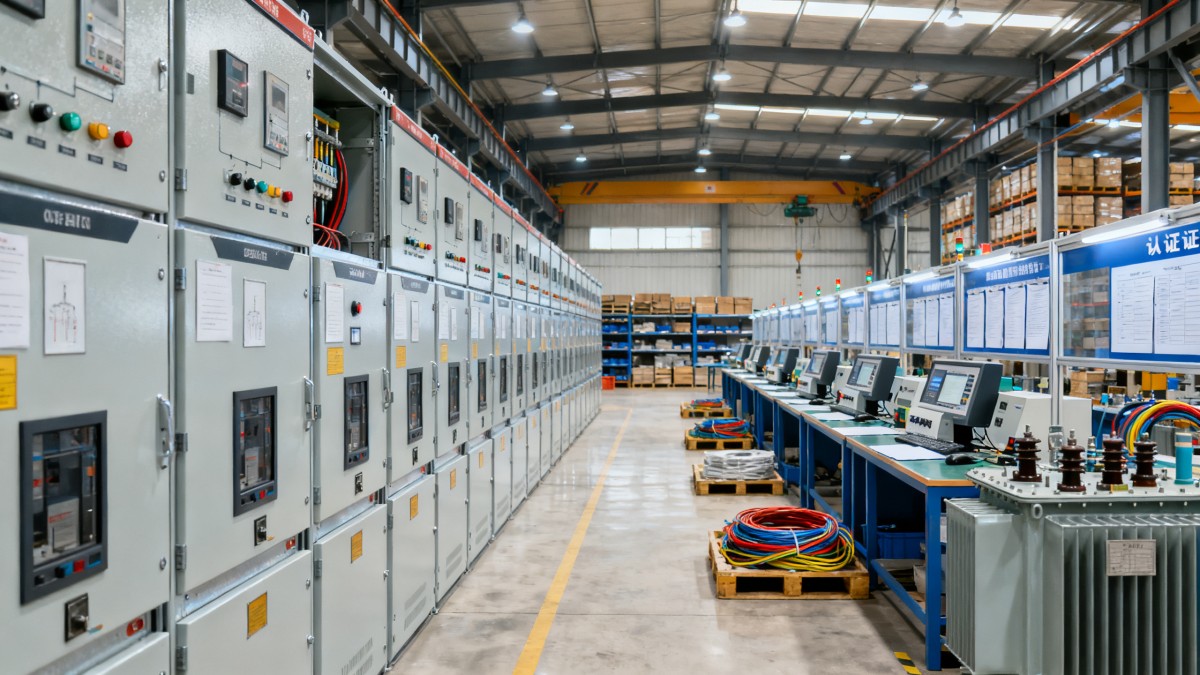
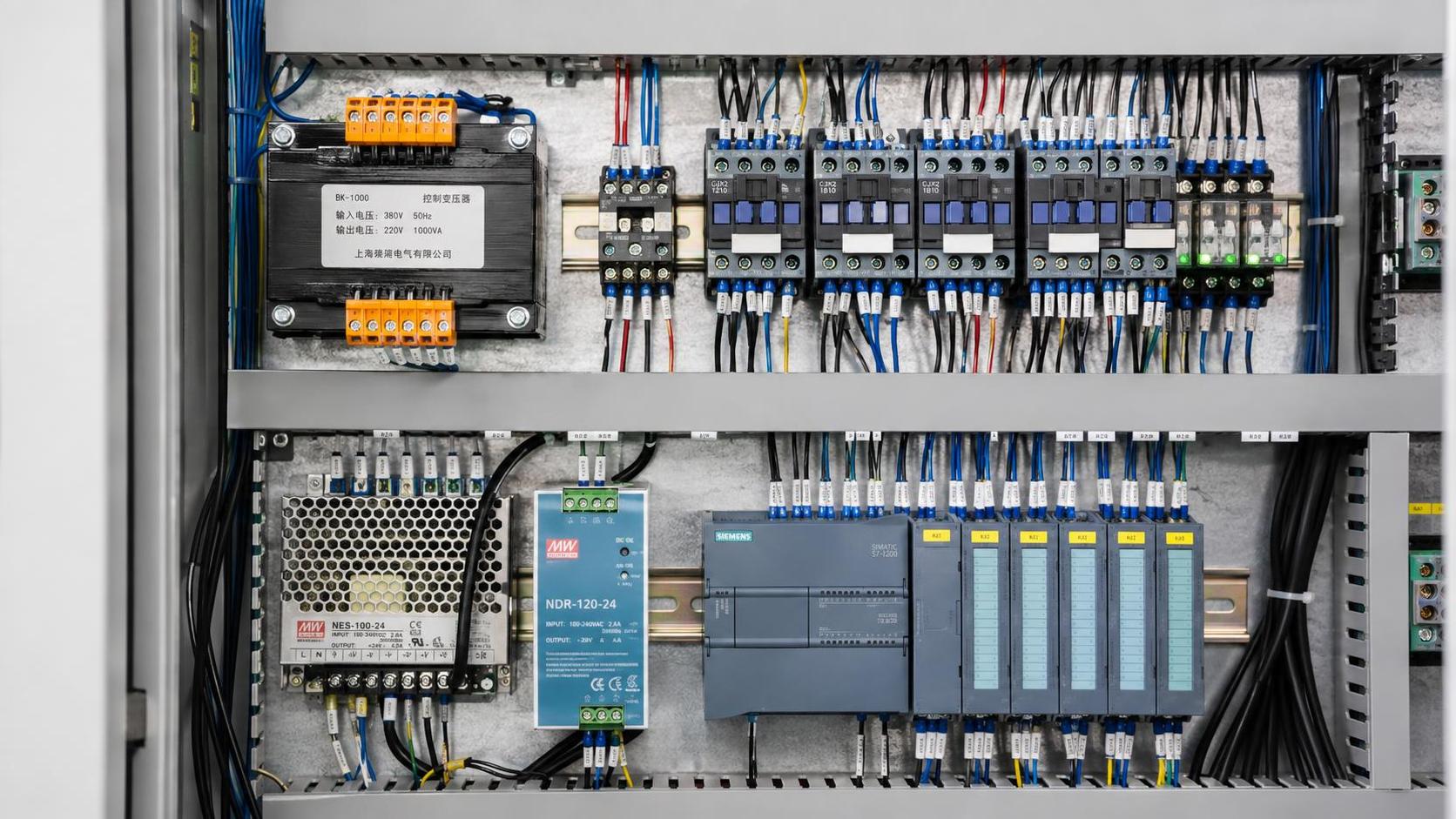
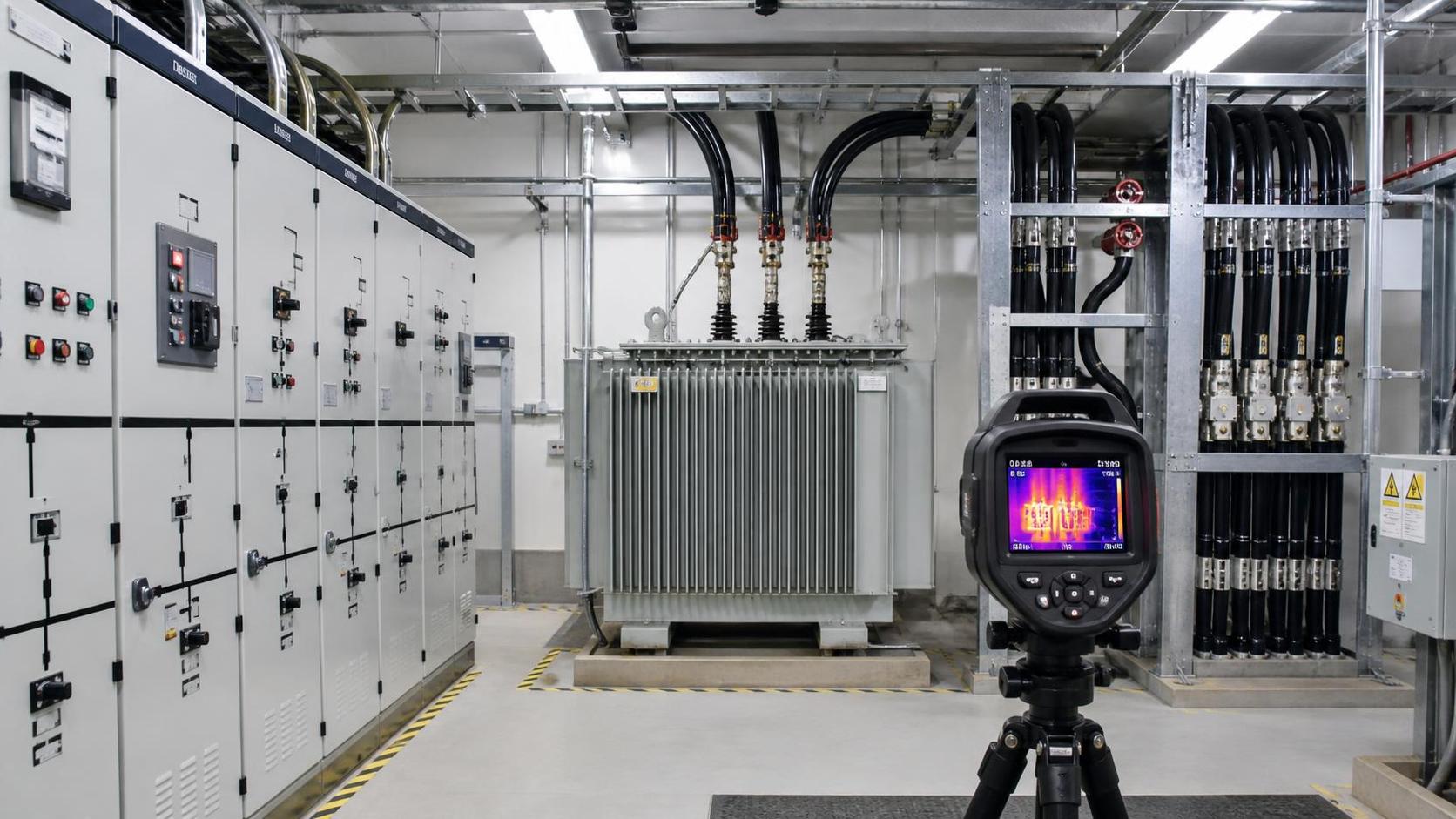
Typical products include switchgear, transformers, circuit protection devices, cables, control panels, busbars, meters, relays, power supplies, and grid-support equipment.
Some companies focus on standard catalog items. Others deliver engineered solutions for substations, plants, utilities, renewable integration, data centers, or process facilities.
Before buying, it is important to identify whether the Electrical & Power manufacturer is an original producer, assembler, private-label vendor, or trading company.
That distinction influences traceability, engineering responsibility, spare parts continuity, and warranty accountability. It also affects compliance evidence and future upgrade support.
Current Industry Signals That Shape Supplier Evaluation
Industrial buyers now face more complex sourcing conditions. Energy transition, grid modernization, and stricter compliance requirements have raised the standard for every Electrical & Power manufacturer.
- Certification scrutiny is increasing across export markets.
- Lead times fluctuate due to copper, steel, semiconductor, and insulation material pressures.
- Customers expect digital documentation and test records.
- Reliability under heat, dust, vibration, and humidity is more important than ever.
- Lifecycle support and spare availability now influence award decisions.
These signals mean a basic quotation comparison is not enough. A capable Electrical & Power manufacturer must prove performance through documents, process control, and reference history.
Technical and Compliance Checks Before Buying
The first screening step is technical fit. An Electrical & Power manufacturer should demonstrate that the offered product matches the electrical environment and duty profile.
Specification alignment
Check voltage class, current rating, short-circuit withstand, insulation level, frequency, ambient temperature, enclosure protection, and installation altitude.
For control equipment, also verify communication protocols, protection logic, panel layout, labeling, and compatibility with existing systems.
Certification authenticity
A credible Electrical & Power manufacturer provides valid and current certificates, not only logos placed on brochures or websites.
- Ask for certificate numbers and issuing bodies.
- Confirm scope matches the actual product.
- Review type-test and routine-test documentation.
- Check whether reports come from recognized laboratories.
Engineering documentation quality
Strong documentation often reflects strong engineering control. Review drawings, datasheets, bill of materials, quality plans, manuals, and installation instructions.
Inconsistent naming, missing ratings, and vague revision history are warning signs. They suggest weak internal review processes.
Manufacturing Capability and Quality Discipline
A dependable Electrical & Power manufacturer is not judged by catalog range alone. Manufacturing consistency matters more than marketing breadth.
What a factory review should confirm
- Incoming material inspection for copper, steel, insulation, and electronic parts
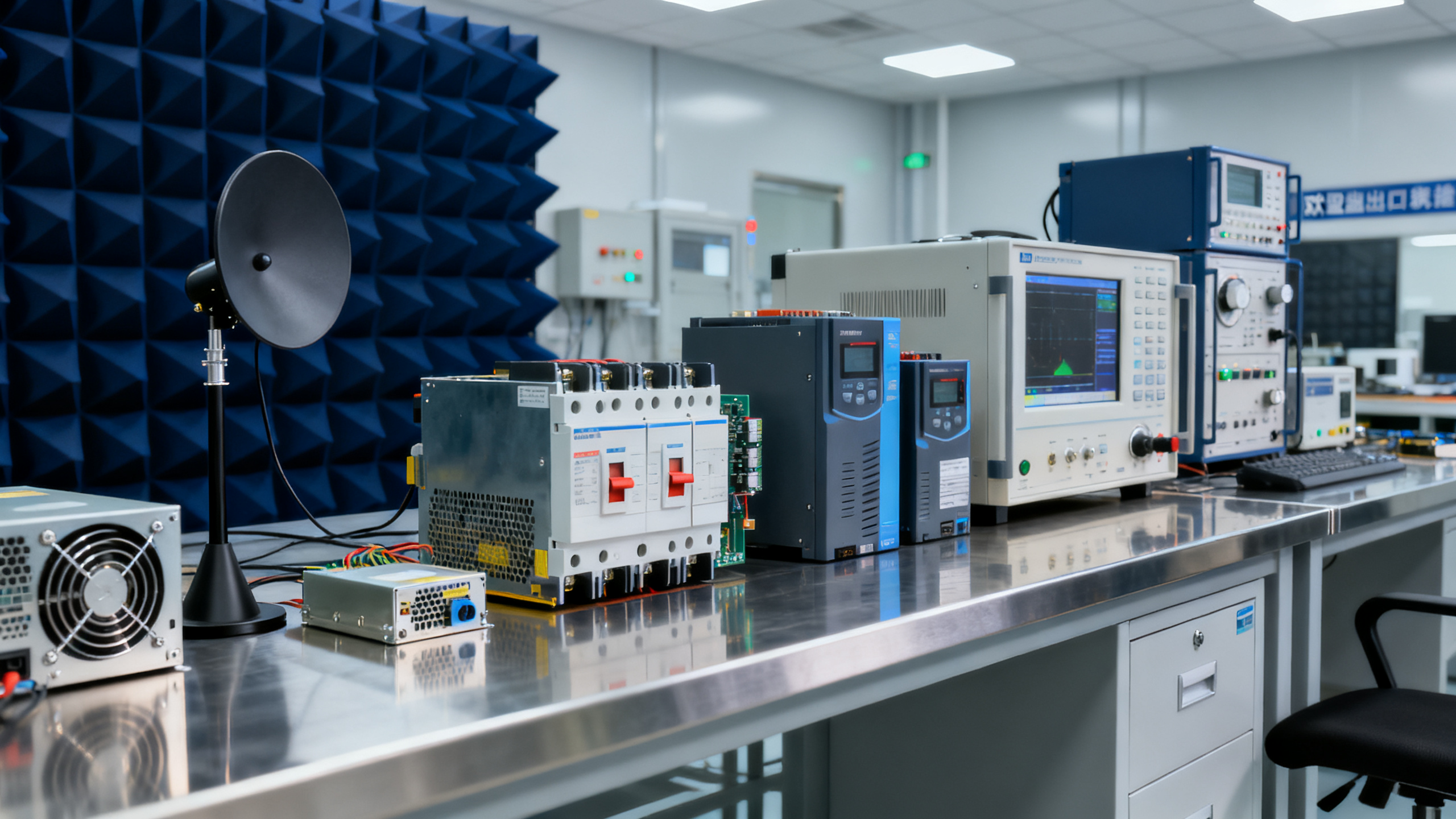
- Calibrated testing instruments and traceable records
- Documented assembly instructions and process checkpoints
- Routine testing before shipment
- Nonconformance handling and corrective action procedures
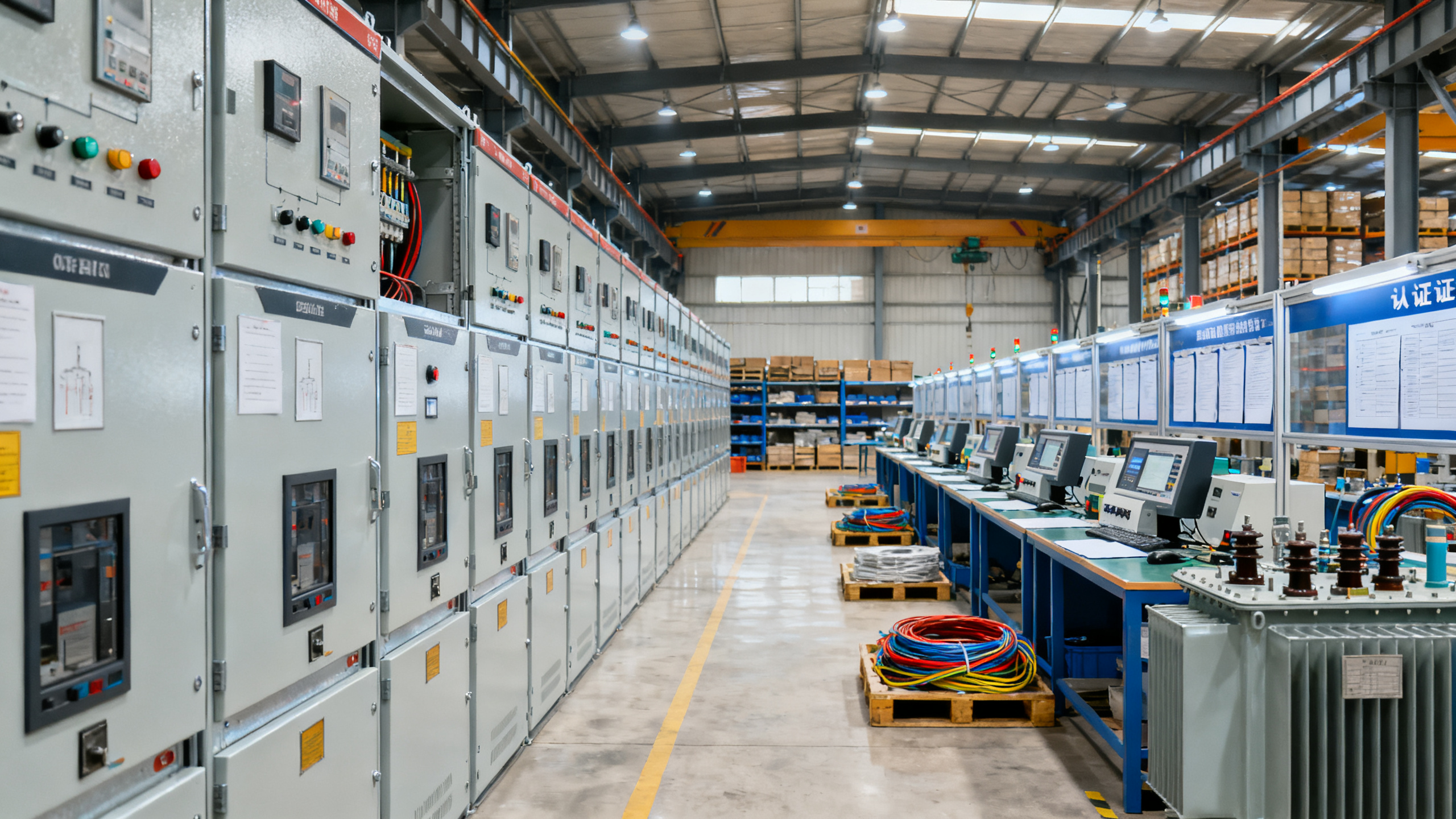
If a site visit is impossible, request a live video audit. Focus on test benches, production flow, warehouse organization, and quality records.
Ask how the Electrical & Power manufacturer controls outsourced components. Many failures originate in connectors, breakers, sensors, fans, or terminals sourced from weak sub-suppliers.
Commercial Reliability and Lifecycle Support
A qualified Electrical & Power manufacturer must also perform well after delivery. Commercial stability and service response are central to long-term value.
Review delivery history, warranty terms, spare parts policy, technical training, and failure-response workflow. These factors often separate low-cost offers from low-risk decisions.
Key business checks
- Confirm registered business history and export experience.
- Ask for references in similar environments or industries.
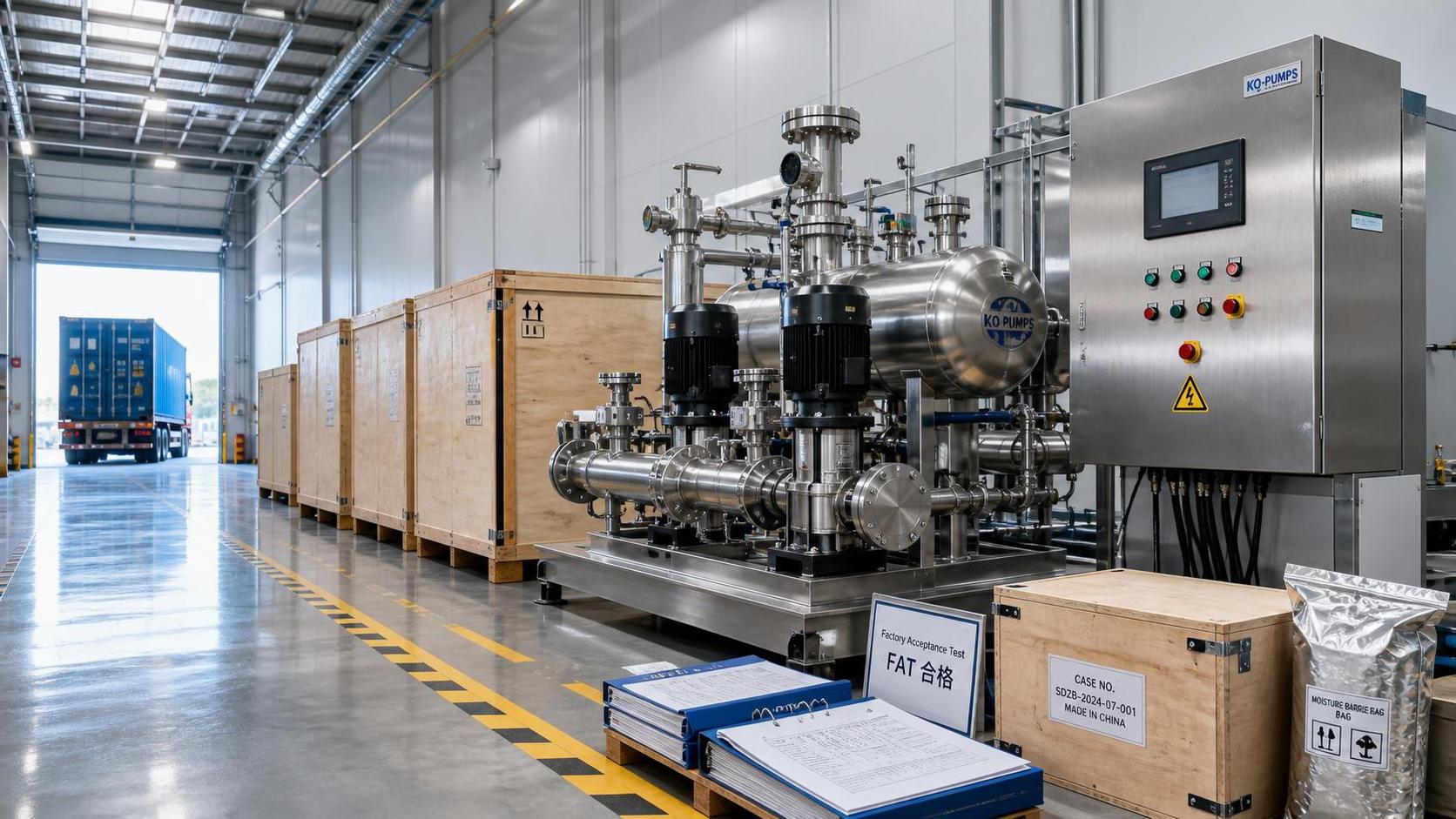
- Review Incoterms, packaging method, and shipping protection.
- Check whether critical spare parts remain available for years.
- Verify response times for technical issues and warranty claims.
An experienced Electrical & Power manufacturer can explain common failure modes and prevention measures. That level of transparency usually indicates practical field knowledge.
Typical Supplier Types and Best-Fit Scenarios
Not every Electrical & Power manufacturer fits every project. Evaluation should reflect application complexity, compliance demands, and service expectations.
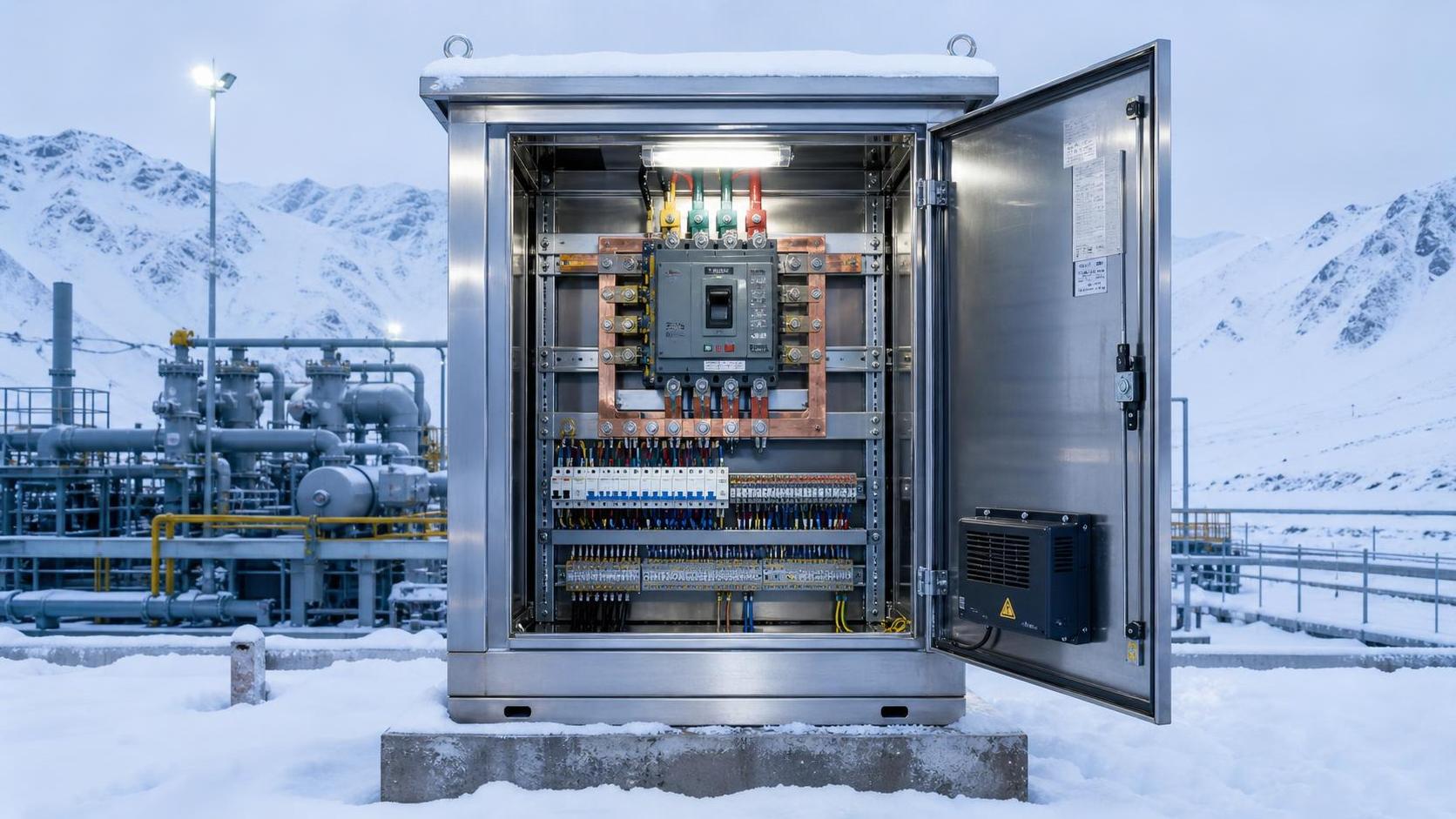
For harsh environments, choose an Electrical & Power manufacturer with proven installations in mining, marine, utilities, oil and gas, or heavy processing conditions.
Practical Checklist for Final Judgment
A disciplined review process helps compare suppliers on evidence, not promises. Use a weighted checklist before issuing a purchase order.
- Product specifications fully match operating conditions.
- Certificates are valid, relevant, and independently verifiable.
- Factory quality controls are visible and documented.
- Routine and type-test reports are complete.
- Lead times are realistic and supported by material planning.
- After-sales support, spare policy, and warranty are clear.
- Reference projects confirm field performance.
When comparing quotations, score each Electrical & Power manufacturer across technical compliance, quality assurance, delivery reliability, and lifecycle support.
The lowest price can become the highest total cost if faults appear during installation or operation. Reliable sourcing protects both budget and uptime.
Next-Step Evaluation Approach
Start with a short list of suppliers and request a uniform documentation package. Include datasheets, certificates, test reports, quality manuals, references, and warranty terms.
Then compare each Electrical & Power manufacturer against the same technical and commercial matrix. Standardized review reduces bias and exposes hidden risk early.
For critical projects, add a factory audit, sample inspection, or pilot order before full release. That step provides direct evidence of consistency and support quality.
A strong Electrical & Power manufacturer will welcome scrutiny, provide traceable proof, and communicate clearly. That is often the clearest sign of a dependable long-term partner.
Technical Specifications
- How to Select Electronic Hotel Key Card Locks for Guest Rooms and Staff AreasAuthor :Safety Compliance Lead
- How to Select Lab Instruments for Reliable Chemical Analysis WorkflowsAuthor :Precision Metrology Expert
- How to Size a UPS for Server Rooms: Load, Runtime, and Redundancy FactorsAuthor :Grid Infrastructure Analyst
Expert Insights

Chief Security Architect
Dr. Thorne specializes in the intersection of structural engineering and digital resilience. He has advised three G7 governments on industrial infrastructure security.
Related Analysis
- Sep 17, 2026How to Select Electronic Hotel Key Card Locks for Guest Rooms and Staff AreasAuthor :Safety Compliance Lead
- Sep 16, 2026How to Select Lab Instruments for Reliable Chemical Analysis WorkflowsAuthor :Precision Metrology Expert
- Sep 15, 2026How to Size a UPS for Server Rooms: Load, Runtime, and Redundancy FactorsAuthor :Grid Infrastructure Analyst
Core Sector // 01
Security & Safety
- How to Size a UPS for Server Rooms: Load, Runtime, and Redundancy FactorsAuthor :Grid Infrastructure Analyst

- How to Choose a Step-Down Transformer for a Control Panel: Key Sizing FactorsAuthor :Grid Infrastructure Analyst

- How Often Should Overseas Power Systems Undergo Safety Inspections?Author :Grid Infrastructure Analyst

- How to Choose Panels for Extreme-Cold Industrial Sites?Author :Grid Infrastructure Analyst

- What Should a Cross-Border EPC Equipment Procurement Reference Include?Author :Grid Infrastructure Analyst

- How to Compare Low-Voltage Equipment for Panel IntegrationAuthor :Grid Infrastructure Analyst

- IEC-Compliant Power Infrastructure: Key Design and Verification RequirementsAuthor :Grid Infrastructure Analyst

- Updated EN 61000-6-4:2026 Raises EMC Compliance Bar for EU-Bound Industrial EquipmentAuthor :Grid Infrastructure Analyst