What affects an Electrical & Power quotation most
Author
Date Published
Reading Time
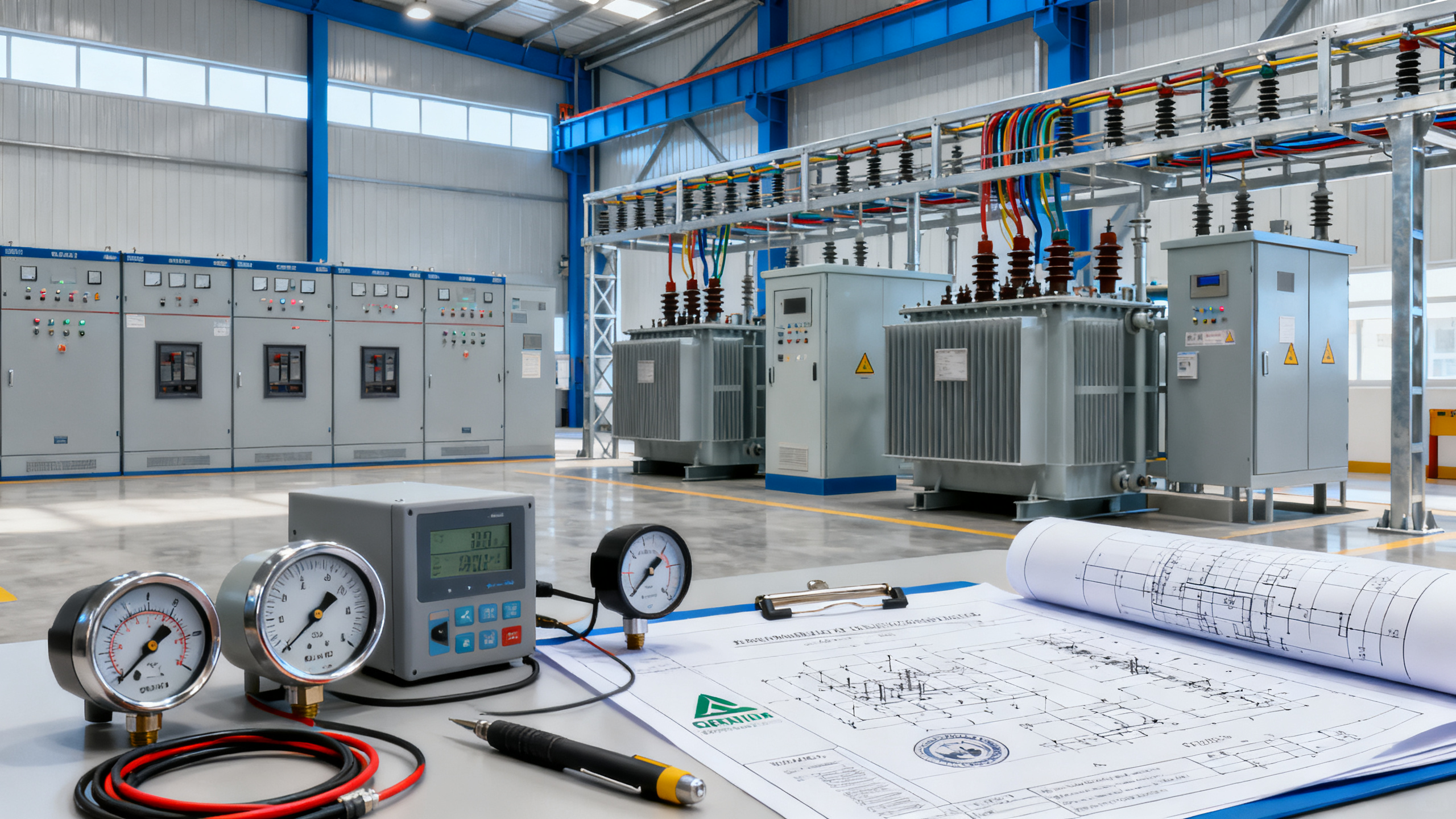
An Electrical & Power quotation is shaped by much more than a line-item price sheet.
Across industrial, commercial, utility, and infrastructure projects, the final quoted value reflects technical risk, compliance scope, supply conditions, and execution demands.
A clear understanding of these drivers helps improve bid comparison, cost forecasting, and supplier evaluation.
It also reduces the chance of selecting a low initial offer that later becomes expensive through delays, changes, or quality gaps.
Core meaning of an Electrical & Power quotation
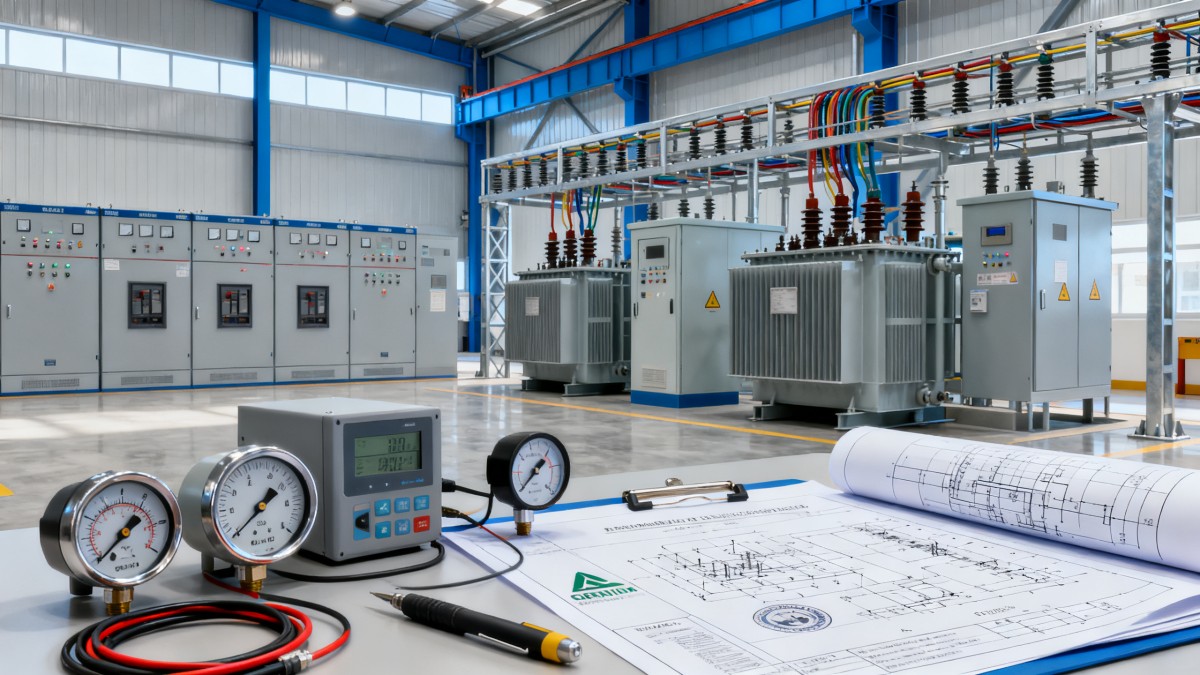
An Electrical & Power quotation is a commercial and technical proposal for supplying equipment, systems, services, or integrated project scope.
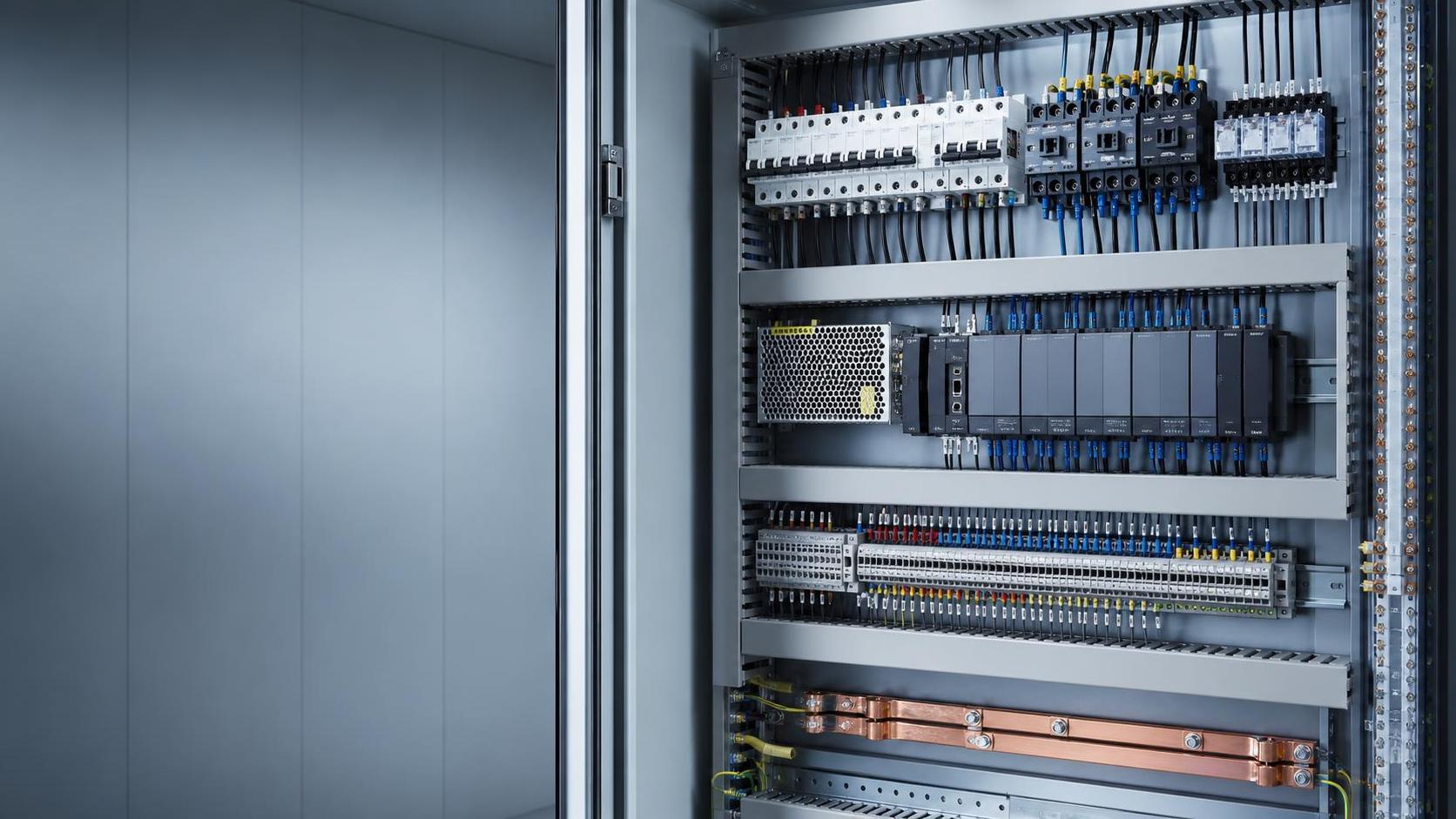
It may include switchgear, transformers, cables, protection devices, meters, control panels, backup power systems, installation, testing, and commissioning.
In industrial environments, quotations usually combine product cost with engineering assumptions, delivery conditions, documentation needs, and warranty terms.
That is why two offers for similar capacity can still differ sharply in total price and long-term value.
What is usually included
- Technical specifications and ratings
- Material and component brands
- Compliance and certification scope
- Lead time and logistics terms
- Installation or field service scope
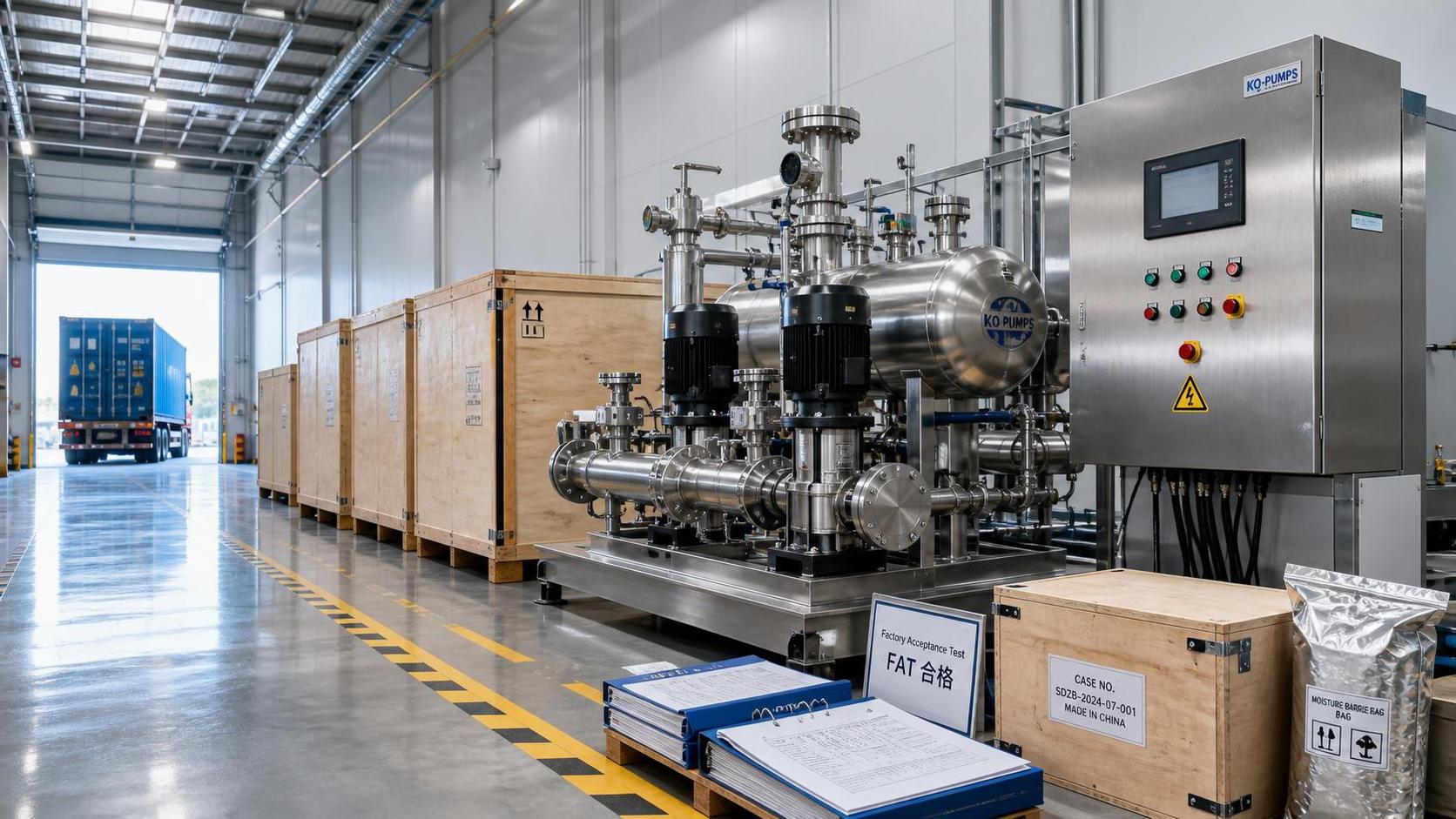
- Testing, FAT, SAT, and documentation
- Warranty, exclusions, and commercial validity
Main factors that affect an Electrical & Power quotation most
The most important cost drivers are usually technical complexity, compliance burden, raw material exposure, project timing, and supplier capability.
Each of these can materially change an Electrical & Power quotation, even before freight or installation is considered.
1. Technical specifications and system rating
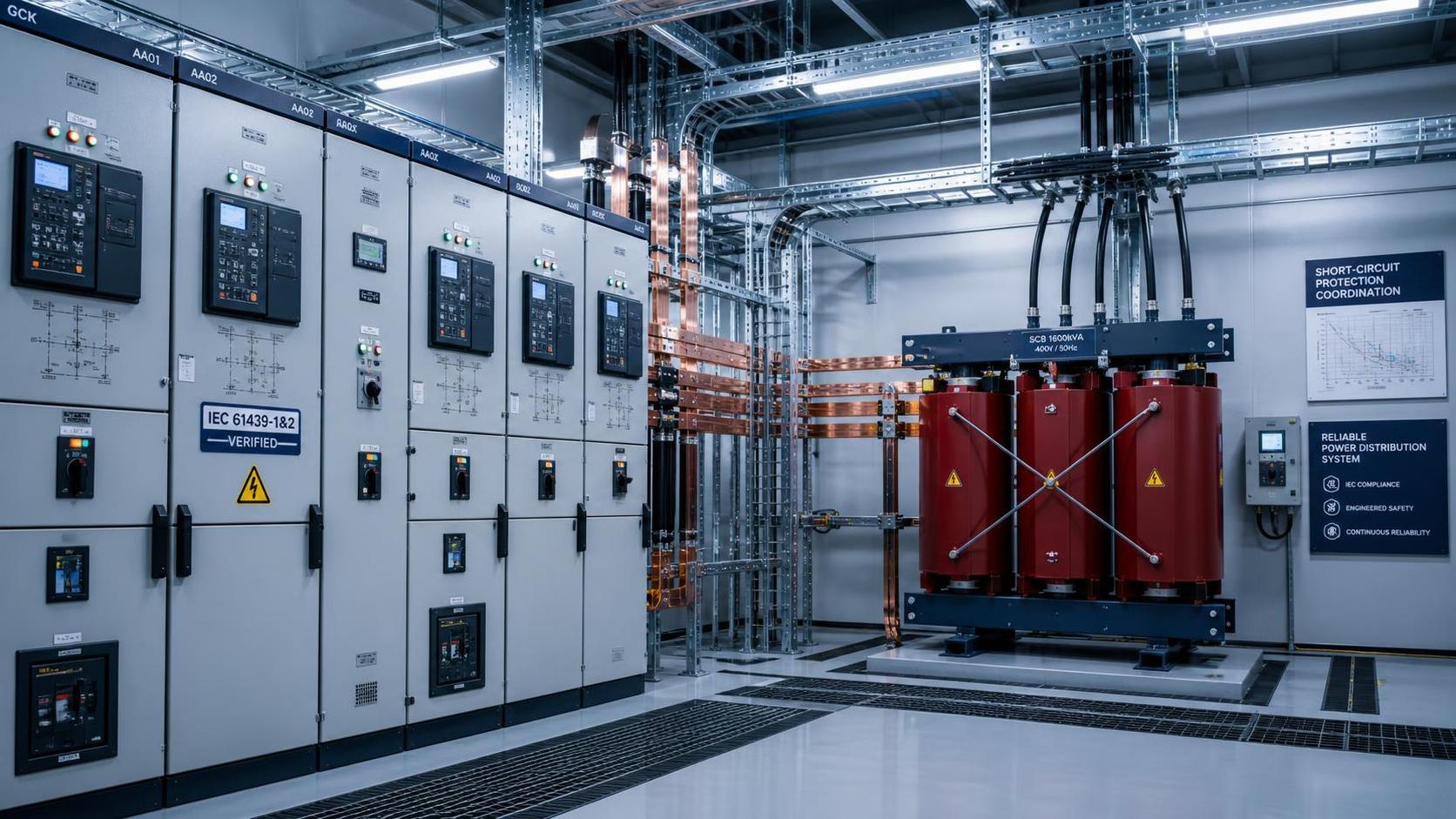
Voltage class, current capacity, short-circuit rating, protection coordination, enclosure type, and operating environment directly influence equipment design and pricing.
Higher fault tolerance or harsh-site protection often requires stronger materials, upgraded insulation, and more advanced engineering.
2. Standards, testing, and certification
Compliance with CE, UL, IEC, ISO, or utility-specific standards can add significant cost to an Electrical & Power quotation.
Third-party testing, traceability records, type test reports, and factory inspection requirements increase both engineering hours and documentation effort.
3. Material price volatility
Copper, aluminum, steel, insulation compounds, and semiconductor components often fluctuate in price.
When material markets tighten, an Electrical & Power quotation may include escalation clauses, shorter validity periods, or buffer pricing.
4. Lead time and production scheduling
Urgent projects usually cost more.
Expedited manufacturing, premium freight, overtime labor, and component reservation all increase the final Electrical & Power quotation.
5. Scope of services
A supply-only quote differs from a turnkey offer.
Site survey, cable routing design, installation supervision, commissioning, training, and after-sales support can represent a large share of quoted value.
6. Supplier credibility and risk allocation
Experienced suppliers often quote higher because they price in quality control, documentation discipline, and predictable execution.
A lower quote may exclude hidden requirements or rely on weaker components, limited testing, or uncertain lead times.
Industry context shaping quotation behavior
The broader industrial market strongly affects how an Electrical & Power quotation is built and revised.
Grid modernization, factory automation, renewable integration, and stricter safety rules have all increased specification depth.
These signals explain why a current Electrical & Power quotation may differ significantly from historical price benchmarks.
Why quotation analysis matters in real projects
A structured review of an Electrical & Power quotation protects project cost, schedule, safety, and system reliability.
It also improves lifecycle value, not just purchase price.
Key business value
- Reduces change orders caused by unclear scope
- Prevents under-specification in critical systems
- Supports fair supplier comparison on equal assumptions
- Improves forecast accuracy for capital planning
- Strengthens compliance and audit readiness
- Lowers operational risk after installation
In many cases, the best Electrical & Power quotation is not the lowest one.
It is the offer with the clearest technical fit, dependable delivery path, and transparent total cost structure.
Typical quotation differences by project scenario
Different applications produce different quotation patterns.
The same supplier may issue very different pricing logic depending on duty profile and site conditions.
This scenario-based view makes an Electrical & Power quotation easier to interpret within actual operating conditions.
Practical ways to compare quotations accurately
Good comparison requires a common technical basis.
Without that, one Electrical & Power quotation may appear cheaper only because key items are excluded.
- Check specification alignment line by line.
- Confirm included standards, tests, and certificates.
- Review approved brands and equivalent component policy.
- Compare delivery schedule, packaging, and freight terms.
- Identify exclusions for installation, commissioning, and programming.
- Verify warranty duration and service response commitments.
- Ask about price validity and raw material escalation clauses.
Common warning signs
- Very short descriptions for complex systems
- Missing single-line diagrams or technical datasheets
- No mention of testing responsibility
- Unclear origin of critical components
- Ambiguous responsibilities at site handover
When these issues appear, an Electrical & Power quotation should be clarified before any decision is made.
Implementation guidance for stronger quotation outcomes
Better quotations start with better inputs.
A defined scope, realistic schedule, and clear compliance list reduce supplier assumptions and improve consistency.
Recommended preparation steps
- Provide complete load data and environmental conditions
- State mandatory standards and documentation requirements
- Define interfaces with civil, mechanical, and control systems
- Clarify whether the request is supply-only or turnkey
- Request a deviation list with every Electrical & Power quotation
- Use a bid comparison sheet for commercial and technical scoring
For complex industrial procurement, trusted information sources such as Global Industrial Core support stronger specification discipline and supplier screening.
That matters when project reliability depends on compliance, precision, and durable field performance.
Next-step perspective
An Electrical & Power quotation should be treated as a technical risk document, not just a price document.
The strongest results come from reviewing cost together with scope, standards, lead time, testing, and supplier execution strength.
Before final selection, align assumptions, document deviations, and confirm lifecycle implications.
That approach leads to more reliable decisions, better installed performance, and a far more useful Electrical & Power quotation process overall.
Technical Specifications
- How to Select Electronic Hotel Key Card Locks for Guest Rooms and Staff AreasAuthor :Safety Compliance Lead
- How to Select Lab Instruments for Reliable Chemical Analysis WorkflowsAuthor :Precision Metrology Expert
- How to Size a UPS for Server Rooms: Load, Runtime, and Redundancy FactorsAuthor :Grid Infrastructure Analyst
Expert Insights

Chief Security Architect
Dr. Thorne specializes in the intersection of structural engineering and digital resilience. He has advised three G7 governments on industrial infrastructure security.
Related Analysis
- Sep 17, 2026How to Select Electronic Hotel Key Card Locks for Guest Rooms and Staff AreasAuthor :Safety Compliance Lead
- Sep 16, 2026How to Select Lab Instruments for Reliable Chemical Analysis WorkflowsAuthor :Precision Metrology Expert
- Sep 15, 2026How to Size a UPS for Server Rooms: Load, Runtime, and Redundancy FactorsAuthor :Grid Infrastructure Analyst
Core Sector // 01
Security & Safety
- How to Size a UPS for Server Rooms: Load, Runtime, and Redundancy FactorsAuthor :Grid Infrastructure Analyst

- How to Choose a Step-Down Transformer for a Control Panel: Key Sizing FactorsAuthor :Grid Infrastructure Analyst

- How Often Should Overseas Power Systems Undergo Safety Inspections?Author :Grid Infrastructure Analyst

- How to Choose Panels for Extreme-Cold Industrial Sites?Author :Grid Infrastructure Analyst

- What Should a Cross-Border EPC Equipment Procurement Reference Include?Author :Grid Infrastructure Analyst

- How to Compare Low-Voltage Equipment for Panel IntegrationAuthor :Grid Infrastructure Analyst

- IEC-Compliant Power Infrastructure: Key Design and Verification RequirementsAuthor :Grid Infrastructure Analyst

- Updated EN 61000-6-4:2026 Raises EMC Compliance Bar for EU-Bound Industrial EquipmentAuthor :Grid Infrastructure Analyst