Uzbekistan Ends Coal Price Caps, Costs Rise
Author
Date Published
Reading Time
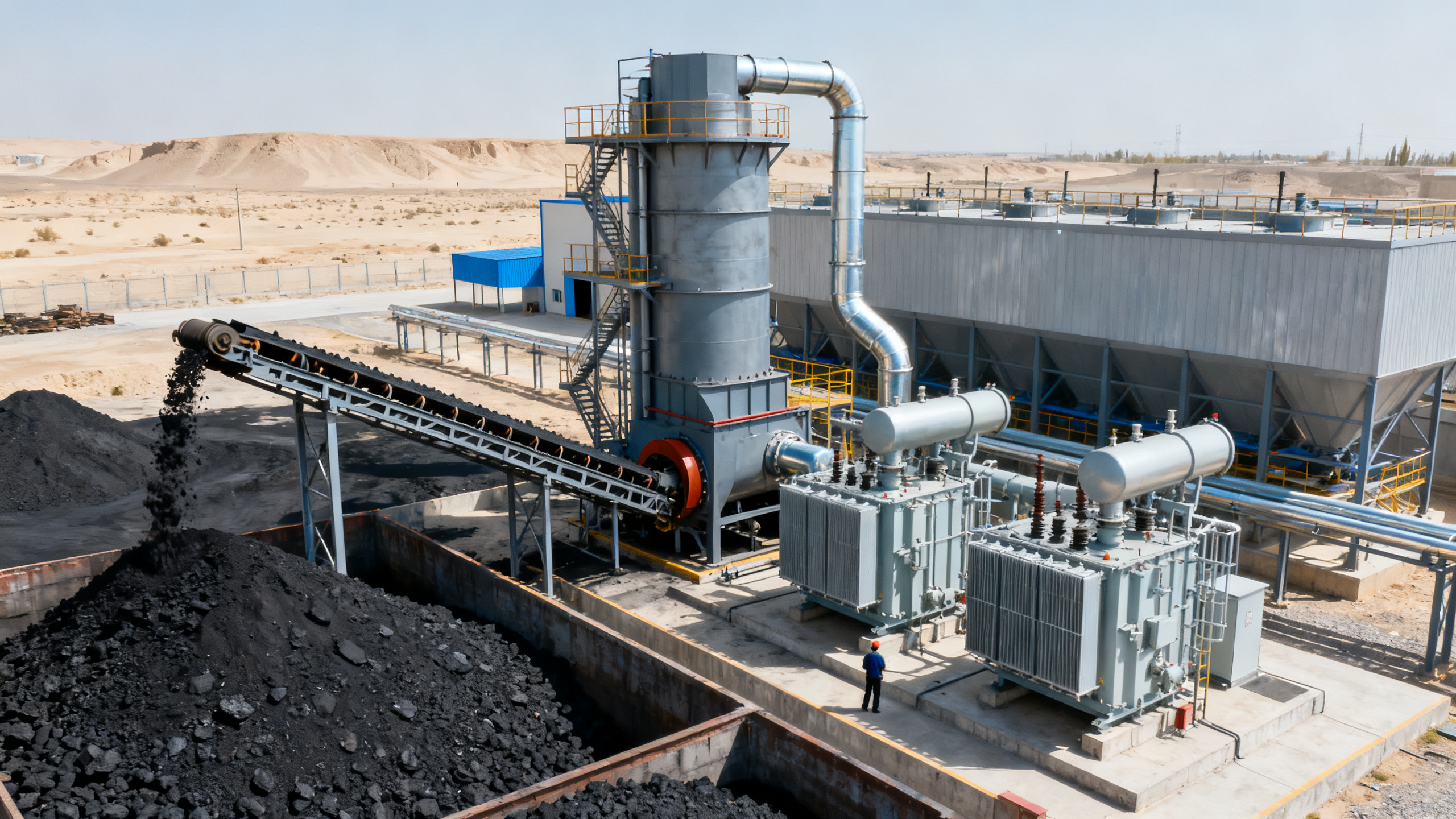
From June 1, 2026, Uzbekistan has fully removed coal price controls and shifted to market-based pricing. For industries tied to coal-fired industrial boilers, power plant auxiliary equipment, transformer cooling systems, and dust collection equipment, this change is worth close attention because it may raise operating and maintenance costs and trigger a reassessment of total cost of ownership across related procurement decisions.
Event Overview
According to the provided information, Uzbekistan began fully canceling coal price controls on June 1, 2026, and adopted market-based pricing for coal. The currently confirmed public information indicates that this change is expected to increase the operating and maintenance cost pressure for locally used coal-fired industrial boilers, power station auxiliary systems, transformer cooling systems, and dust removal equipment. It also means Chinese suppliers exporting industrial water treatment, air purification, and electrical switchgear products to Central Asia may need to adjust localized service pricing and energy-efficiency upgrade plans in response to customers' total cost of ownership reassessment.
Which Industry Segments Are Affected
Coal-fired industrial boiler users and related equipment operators
This segment is directly exposed because coal is part of the operating cost base. When coal pricing moves to a market mechanism, fuel-related cost assumptions may no longer remain stable under the previous framework. The impact is likely to appear first in operating budgets, maintenance planning, and equipment use strategies, especially where customers evaluate whether existing boiler systems can still meet cost targets under revised fuel economics.
Power plant auxiliary equipment and transformer cooling system suppliers
These businesses are affected because changes in fuel economics can alter how end users evaluate the lifecycle cost of power-related assets. Analysis shows that when operating costs rise on the fuel side, customers often place more scrutiny on auxiliary power consumption, cooling efficiency, maintenance intervals, and replacement timing. For suppliers, this does not automatically mean reduced demand, but it may shift customer priorities toward efficiency upgrades, service pricing transparency, and more detailed total cost comparisons.
Dust collection and air pollution control equipment providers
Dust collection equipment is affected because operating and maintenance expenses are closely tied to how industrial combustion systems are run over time. From an industry perspective, if coal-related cost pressure increases, plant operators may revisit how often systems are maintained, how operating loads are managed, and whether equipment upgrades can reduce broader lifecycle costs. The immediate effect may be less about headline equipment demand and more about tighter scrutiny of ongoing service and maintenance expenditure.
Chinese exporters of industrial water treatment, air purification, and electrical switchgear to Central Asia
This group is specifically affected because the provided information already points to a likely need to adjust localized service quotations and energy-efficiency upgrade proposals. Observably, when customers reassess total cost of ownership, they may no longer evaluate imported equipment only by initial purchase price. They may instead focus more on service response, operating efficiency, maintenance burden, and the long-term cost impact of installed systems. That can change quote structures, negotiation points, and after-sales expectations for suppliers active in the Uzbekistan market.
What Companies and Practitioners Should Watch and How to Respond
Track official follow-up wording and any practical implementation signals
Companies should closely monitor how the market-based pricing shift is described in subsequent official communications and how customers reference it in actual procurement discussions. Analysis shows that a policy statement and its business impact do not always move at the same speed. For exporters and local service teams, the key practical question is whether customers begin revising budgets, technical requirements, or approval processes for coal-linked operating assets.
Recheck quotations for localized service, maintenance, and efficiency upgrades
For suppliers serving Uzbekistan or the wider Central Asia market, this is a practical moment to review whether current service pricing still matches the customer's revised cost outlook. Current attention should be on contracts or proposals involving industrial water treatment, air purification systems, electrical switchgear, and coal-linked operating equipment. A quotation structure that separates equipment price, service cost, and efficiency upgrade value may become more relevant where customers are reassessing total ownership cost rather than only upfront procurement spending.
Differentiate policy signal from immediate procurement change
From an industry perspective, it is important not to assume that every affected customer will change purchasing behavior at once. Some impacts may emerge first in internal budgeting, while others may appear later in tender specifications, service renewals, or retrofit plans. Companies should therefore compare policy developments with real signals such as delayed purchase decisions, requests for alternative technical schemes, or stronger focus on operating cost in negotiations.
Prepare customer communication around total cost of ownership
Businesses exposed to this market should be ready to explain how their products and services affect operating efficiency, maintenance frequency, and long-term cost control. Observably, the provided information points directly to customer demand for total cost of ownership reassessment. That means sales, technical, and after-sales teams may need aligned messaging on energy-efficiency upgrades, service scope, and lifecycle support rather than relying only on standard product quotations.
Editorial View / Industry Observation
Analysis shows that this development matters less as a standalone coal-pricing headline and more as a cost signal spreading through connected industrial equipment decisions. It is more appropriate to understand it as a trigger for reassessing operating economics in coal-linked industrial and power applications, rather than as a fully visible market outcome already completed across every segment.
Observably, the most important point is not only that coal pricing has been liberalized, but that downstream buyers may begin recalculating the balance between fuel costs, maintenance costs, energy efficiency, and service value. From an industry perspective, this is why suppliers of boilers, auxiliary systems, cooling systems, dust collection equipment, industrial water treatment, air purification, and electrical switchgear should continue watching how customer procurement logic evolves after the policy change.
Conclusion
Uzbekistan's removal of coal price controls from June 1, 2026 introduces a meaningful cost variable for industries connected to coal-fired operations and related industrial equipment. The significance of this development lies in its potential to reshape customer evaluation of operating cost, maintenance expense, and equipment efficiency across several linked sectors.
Current observation suggests this is best understood as a market signal with clear downstream implications, rather than a fully settled outcome for every procurement category. A rational response is to follow actual customer behavior closely, adjust localized service and upgrade proposals where needed, and frame discussions around total cost of ownership rather than initial equipment price alone.
Source Note
Main source: the event information provided for this article.
Items requiring continued observation: any subsequent official wording, practical market implementation, and whether customer procurement, service pricing, or energy-efficiency upgrade demand in Uzbekistan changes in response to the move to market-based coal pricing.
Technical Specifications
- How to Select Electronic Hotel Key Card Locks for Guest Rooms and Staff AreasAuthor :Safety Compliance Lead
- How to Select Lab Instruments for Reliable Chemical Analysis WorkflowsAuthor :Precision Metrology Expert
- How to Size a UPS for Server Rooms: Load, Runtime, and Redundancy FactorsAuthor :Grid Infrastructure Analyst
Expert Insights

Chief Security Architect
Dr. Thorne specializes in the intersection of structural engineering and digital resilience. He has advised three G7 governments on industrial infrastructure security.
Related Analysis
- Sep 17, 2026How to Select Electronic Hotel Key Card Locks for Guest Rooms and Staff AreasAuthor :Safety Compliance Lead
- Sep 16, 2026How to Select Lab Instruments for Reliable Chemical Analysis WorkflowsAuthor :Precision Metrology Expert
- Sep 15, 2026How to Size a UPS for Server Rooms: Load, Runtime, and Redundancy FactorsAuthor :Grid Infrastructure Analyst
Core Sector // 01
Security & Safety
- How to Size a UPS for Server Rooms: Load, Runtime, and Redundancy FactorsAuthor :Grid Infrastructure Analyst

- How to Choose a Step-Down Transformer for a Control Panel: Key Sizing FactorsAuthor :Grid Infrastructure Analyst

- How Often Should Overseas Power Systems Undergo Safety Inspections?Author :Grid Infrastructure Analyst

- How to Choose Panels for Extreme-Cold Industrial Sites?Author :Grid Infrastructure Analyst

- What Should a Cross-Border EPC Equipment Procurement Reference Include?Author :Grid Infrastructure Analyst

- How to Compare Low-Voltage Equipment for Panel IntegrationAuthor :Grid Infrastructure Analyst

- IEC-Compliant Power Infrastructure: Key Design and Verification RequirementsAuthor :Grid Infrastructure Analyst

- Updated EN 61000-6-4:2026 Raises EMC Compliance Bar for EU-Bound Industrial EquipmentAuthor :Grid Infrastructure Analyst