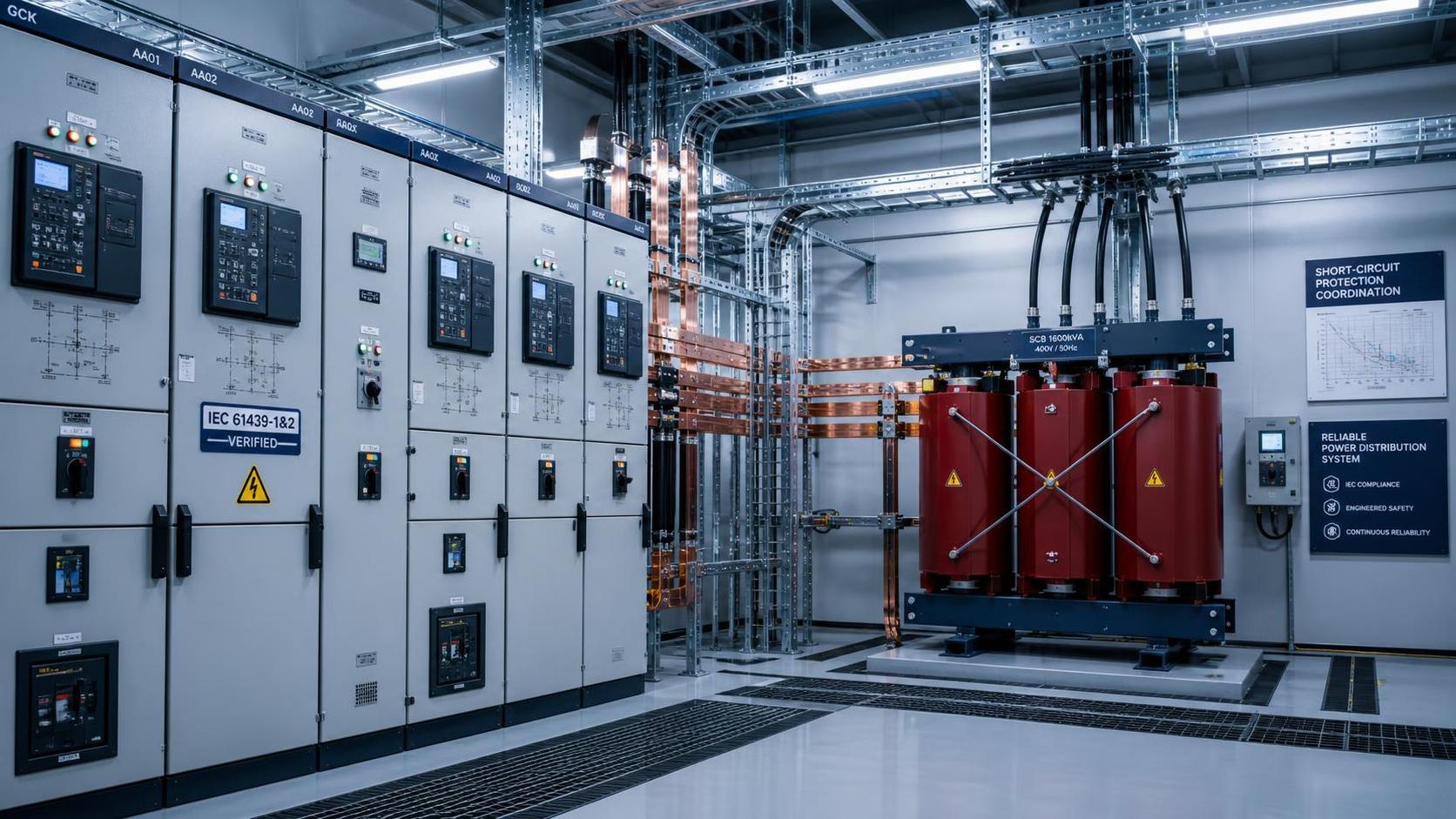
How to Compare an Electrical & Power Quotation for Industrial Projects
Author
Date Published
Reading Time

Comparing an Electrical & Power quotation for an industrial project is far more than checking prices line by line. For business evaluators, the real task is to verify technical scope, compliance standards, lifecycle cost, delivery risk, and supplier capability. This guide explains how to assess an Electrical & Power quotation with clarity and confidence, helping you make procurement decisions that support safety, reliability, and long-term project value.
Why Electrical & Power quotation review is becoming more strategic
Industrial projects now face tighter compliance demands, volatile material pricing, and stricter uptime expectations. That shift has changed how an Electrical & Power quotation should be evaluated.

A low headline price may hide missing protection devices, downgraded enclosure ratings, or weak testing commitments. In critical facilities, these omissions can create expensive operational exposure.
The modern Electrical & Power quotation is also shaped by energy efficiency goals, digital monitoring requirements, and global certification expectations. As a result, comparison must go beyond price benchmarking.
Across the broader industrial sector, project teams increasingly compare quotations as risk documents. They use them to test engineering alignment, commercial transparency, and supplier reliability before award.
Current market signals are changing how quotations should be read
Several market signals now influence every Electrical & Power quotation. Understanding them helps reveal why similar proposals can differ widely in value.
- Copper, steel, and insulation material costs remain unstable.
- Lead times for switchgear, transformers, and protection relays often fluctuate.
- CE, UL, ISO, IEC, and local grid compliance requirements are more closely audited.
- Industrial users expect greater visibility through metering, automation, and remote diagnostics.
- Sustainability goals are pushing demand for efficient and lower-loss power systems.
These changes mean quotation comparison now requires technical and commercial interpretation together. A proposal can be cheaper because it is smarter, or because it is incomplete.
The biggest drivers behind quotation differences
When two bids appear comparable, the difference usually comes from engineering assumptions, supply chain strength, or compliance scope. The table below highlights the main drivers.
A line-by-line price comparison no longer tells the full story
An Electrical & Power quotation should be normalized before comparison. That means aligning assumptions, scope boundaries, and technical references across all bids.
First, confirm whether each quotation includes the same bill of materials. One offer may include busbar supports, cable glands, and termination kits, while another excludes them.
Second, check whether engineering documents are included. Drawings, protection coordination studies, and as-built documentation can materially affect both value and project readiness.
Third, review commercial exclusions carefully. Civil works, commissioning manpower, software licenses, and special testing often sit outside the quoted amount unless clearly stated.
Key normalization points
- Scope included versus excluded
- Applicable standards and certifications
- Design temperatures and environmental conditions
- Testing level and witness requirements
- Packing, shipping, taxes, and duties
- Warranty duration and defect liability terms
Technical compliance now has direct commercial consequences
In industrial infrastructure, compliance gaps can delay approvals, invalidate insurance conditions, or force redesign. That makes technical review a core part of Electrical & Power quotation comparison.
Check voltage class, fault level, insulation coordination, ingress protection, temperature rise, and earthing arrangements. These details determine whether the quoted system truly fits the application.
Also verify component traceability. Named brands, model references, and test reports create accountability. Vague descriptions increase substitution risk and complicate post-award quality control.
Where hazardous or harsh environments apply, enclosure material, corrosion protection, and sealing performance deserve extra attention. A compliant design on paper may still fail site reality.
The impact reaches engineering, finance, operations, and project delivery
A weakly reviewed Electrical & Power quotation can trigger cost growth after award. It may also create schedule pressure when technical clarifications surface during manufacturing or installation.
The effect extends beyond initial procurement. Lower-grade breakers, undersized transformers, or poor protection coordination can reduce system resilience and increase downtime exposure later.
Financially, the cheapest quotation may produce the highest total cost. Higher maintenance frequency, energy losses, spares dependency, and outage risk can outweigh a lower purchase price.
- Engineering impact: redesigns, approval delays, coordination issues
- Commercial impact: variation claims, hidden extras, weak warranty value
- Operational impact: reliability loss, maintenance burden, efficiency decline
- Strategic impact: lower trust in future supply continuity
What deserves the closest attention in every comparison
To compare an Electrical & Power quotation effectively, focus on value-critical details that influence safety, fit, and lifecycle outcomes.
- Scope completeness: confirm nothing essential is deferred or omitted.
- Design basis: verify load data, utility conditions, and site environment.
- Standards alignment: check IEC, CE, UL, ISO, and local regulatory fit.
- Lifecycle cost: include efficiency, maintenance, and expected service life.
- Lead time realism: test whether delivery claims match component sourcing reality.
- Supplier capability: review factory references, quality systems, and support depth.
- Commercial transparency: clarify payment terms, exclusions, and escalation clauses.
A practical framework for stronger quotation decisions
A structured review method improves consistency and reduces subjective judgment. The framework below can be adapted across most industrial Electrical & Power quotation evaluations.
Next-step actions can reduce risk before award
Before selecting any Electrical & Power quotation, prepare a side-by-side comparison sheet. Include technical deviations, delivery assumptions, payment conditions, and warranty obligations.
Then issue clarification questions in writing. Ask each bidder to confirm standards, component brands, testing scope, and excluded items. This often reveals hidden differences quickly.
Where project criticality is high, conduct a supplier capability review. Factory audit records, reference installations, and after-sales support structure can materially improve award confidence.
The strongest decision is rarely based on price alone. A well-analyzed Electrical & Power quotation supports safer commissioning, steadier operations, and more predictable long-term value.
If you are building a comparison process, use a weighted scorecard that combines technical compliance, commercial transparency, delivery credibility, and lifecycle economics. That approach turns quotation review into a strategic advantage.
Technical Specifications
- How to Select Electronic Hotel Key Card Locks for Guest Rooms and Staff AreasAuthor :Safety Compliance Lead
- How to Select Lab Instruments for Reliable Chemical Analysis WorkflowsAuthor :Precision Metrology Expert
- How to Size a UPS for Server Rooms: Load, Runtime, and Redundancy FactorsAuthor :Grid Infrastructure Analyst
Expert Insights

Chief Security Architect
Dr. Thorne specializes in the intersection of structural engineering and digital resilience. He has advised three G7 governments on industrial infrastructure security.
Related Analysis
- Sep 17, 2026How to Select Electronic Hotel Key Card Locks for Guest Rooms and Staff AreasAuthor :Safety Compliance Lead
- Sep 16, 2026How to Select Lab Instruments for Reliable Chemical Analysis WorkflowsAuthor :Precision Metrology Expert
- Sep 15, 2026How to Size a UPS for Server Rooms: Load, Runtime, and Redundancy FactorsAuthor :Grid Infrastructure Analyst
Core Sector // 01
Security & Safety
- How to Size a UPS for Server Rooms: Load, Runtime, and Redundancy FactorsAuthor :Grid Infrastructure Analyst

- How to Choose a Step-Down Transformer for a Control Panel: Key Sizing FactorsAuthor :Grid Infrastructure Analyst

- How Often Should Overseas Power Systems Undergo Safety Inspections?Author :Grid Infrastructure Analyst

- How to Choose Panels for Extreme-Cold Industrial Sites?Author :Grid Infrastructure Analyst

- What Should a Cross-Border EPC Equipment Procurement Reference Include?Author :Grid Infrastructure Analyst

- How to Compare Low-Voltage Equipment for Panel IntegrationAuthor :Grid Infrastructure Analyst

- IEC-Compliant Power Infrastructure: Key Design and Verification RequirementsAuthor :Grid Infrastructure Analyst

- Updated EN 61000-6-4:2026 Raises EMC Compliance Bar for EU-Bound Industrial EquipmentAuthor :Grid Infrastructure Analyst