US DOE Level 2 Transformer Efficiency Rule Takes Effect Q3 2026
Author
Date Published
Reading Time
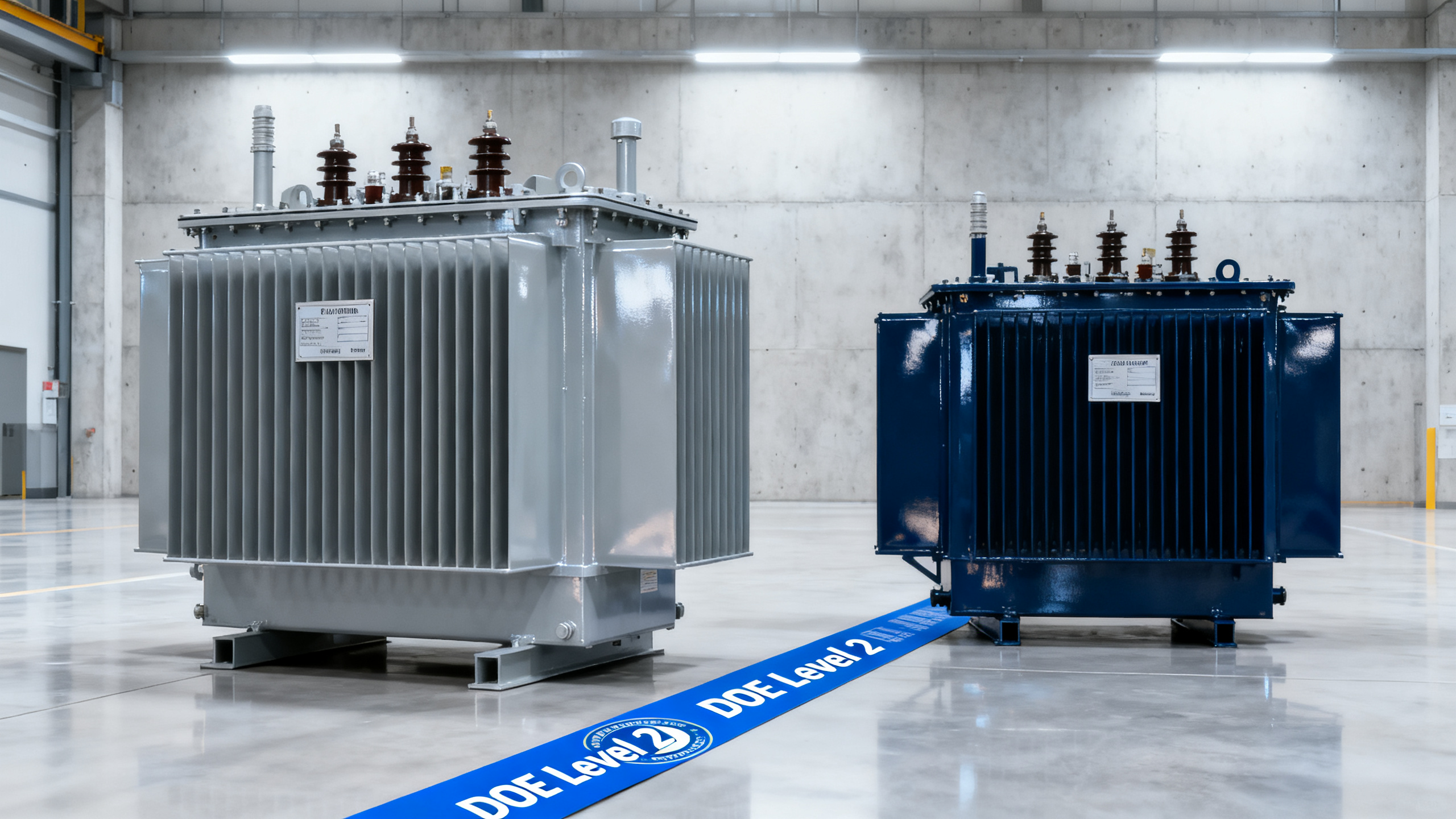
On July 1, 2026, the U.S. Department of Energy (DOE) will enforce its revised energy conservation standards for distribution and power transformers under 10 CFR Part 431. The new rule mandates Level 2 efficiency compliance for all dry-type and liquid-immersed transformers exported to the United States — impacting manufacturers, exporters, and supply chain partners across the global transformer industry, particularly those in China, which accounts for over 35% of U.S. transformer imports.
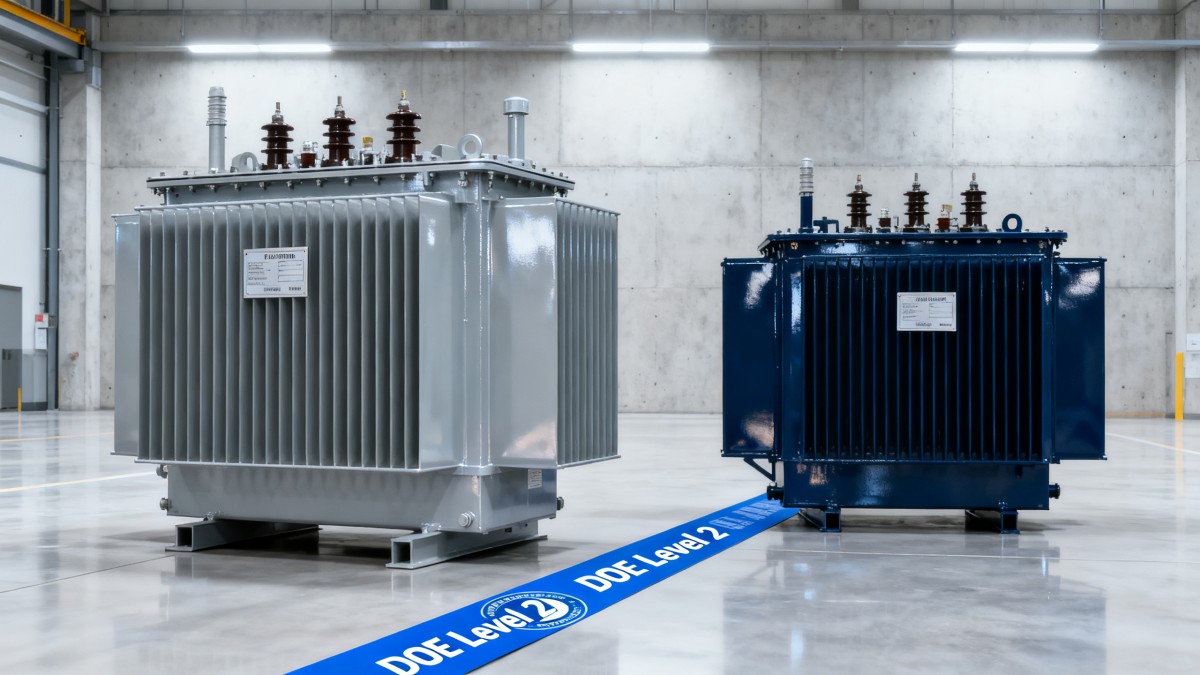
Event Overview
The U.S. DOE formally implemented the 2026 Transformer Energy Conservation Standards on July 1, 2026. Under this regulation, all distribution and power transformers — including both dry-type and liquid-immersed units — imported into the U.S. must meet DOE Level 2 minimum efficiency levels, representing an 8–12% improvement over prior Level 1 requirements. The standard applies comprehensively to Transformers & Switchgears product categories. Non-compliant units will be denied entry by U.S. Customs and Border Protection (CBP). Chinese exporters have only six weeks remaining to complete certification transitions; many small- and medium-sized enterprises face tight timelines for production line adjustments and third-party testing scheduling.
Industries Affected
Direct Trading Enterprises: Exporters engaged in cross-border transformer sales to the U.S. are directly exposed to regulatory enforcement. Impact manifests as shipment rejection risk, loss of market access, and contractual penalties tied to compliance warranties. Firms without pre-certified Level 2 models may face immediate export suspension unless alternate certified inventory or rapid requalification is secured.
Raw Material Procurement Enterprises: Suppliers of core materials — including high-permeability electrical steel (e.g., grain-oriented silicon steel), advanced insulation resins, and low-loss cooling oils — face demand shifts. Level 2 compliance requires tighter magnetic circuit design and lower no-load losses, driving preference for premium-grade lamination steel and thermally stable dielectric fluids. Procurement teams must now align material specs with DOE test protocols (e.g., IEEE C57.12.90), not just legacy performance benchmarks.
Manufacturing Enterprises: Transformer OEMs and contract manufacturers must revise electromagnetic designs, winding configurations, and thermal management systems to meet stricter load and no-load loss limits. This entails recalibrating manufacturing tolerances, updating factory test procedures (including mandatory DOE-specified test methods), and retraining quality assurance personnel. For SMEs with limited R&D capacity, retrofitting existing platforms may prove more costly than launching new Level 2-dedicated lines.
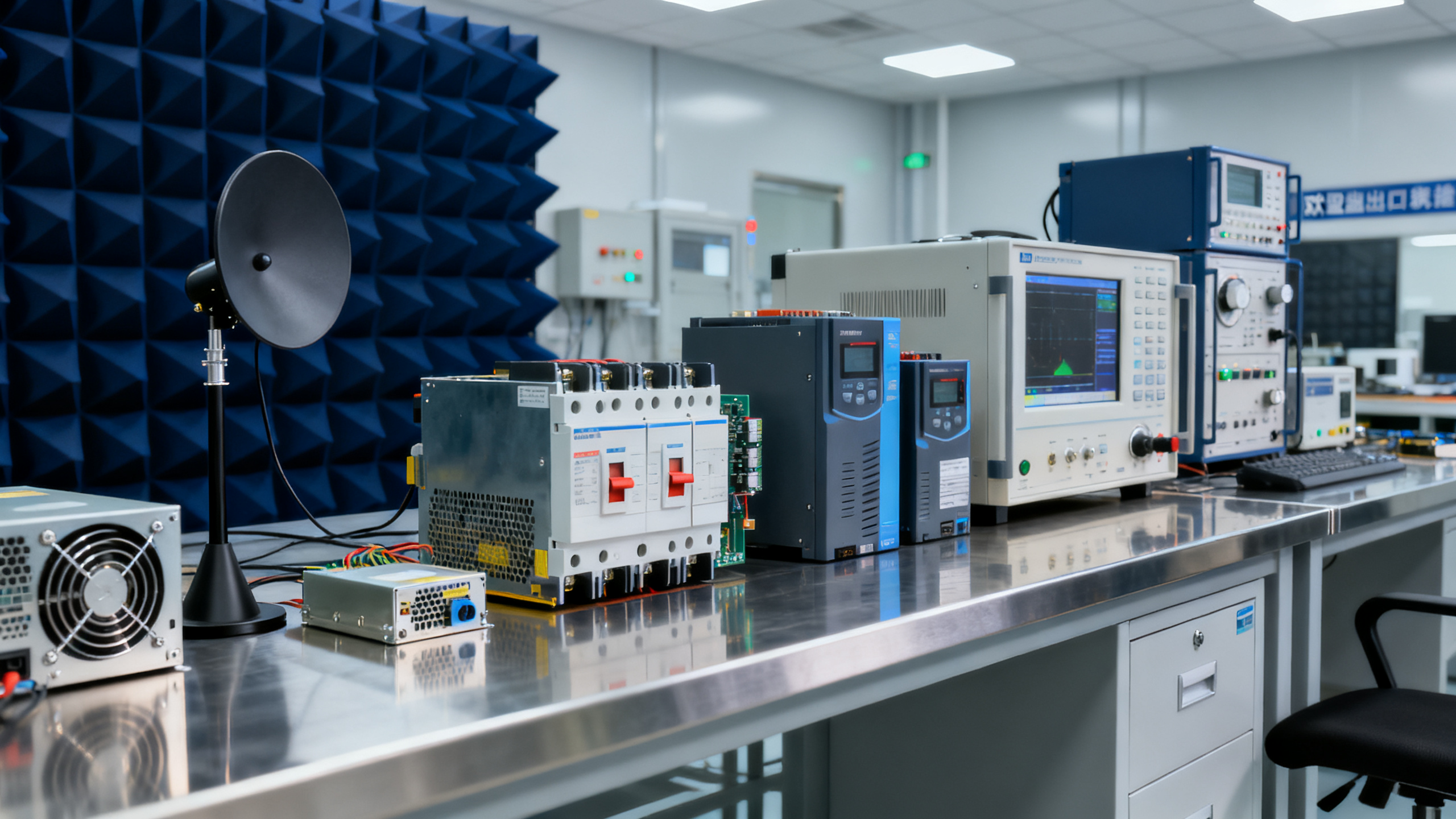
Supply Chain Service Providers: Certification bodies, testing laboratories, and logistics intermediaries supporting U.S.-bound shipments are experiencing surging demand for DOE-specific verification services — especially DOE-accredited third-party lab testing (per 10 CFR 431.463) and CBP documentation support. Lead times for DOE-compliant test reports have extended beyond eight weeks in several accredited labs, creating a bottleneck for time-sensitive certifications.
Key Focus Areas and Recommended Actions
Verify Current Model Certification Status Against DOE’s Updated Qualified Products List (QPL)
Exporters must cross-check each active SKU against the DOE’s official QPL database before shipment. Models previously certified under Level 1 are not grandfathered; retesting and re-listing under Level 2 are mandatory — even for unchanged physical designs, due to updated test methodology and uncertainty allowances.
Prioritize Third-Party Lab Engagement Now — Not After Design Finalization
Given current testing backlogs, manufacturers should secure lab slots at DOE-accredited facilities (e.g., UL, CSA, Intertek) during early prototyping — not after full-scale production tooling. Pre-submission consultations on test plan alignment can reduce retest cycles by up to 40%, according to recent lab feedback.
Review Bill-of-Materials for DOE-Specific Compliance Traceability
U.S. importers are increasingly requiring material-level declarations (e.g., steel grade heat lot numbers, resin formulation certificates) to substantiate efficiency claims. Procurement and QA departments must implement traceability protocols that link raw material batches to final test reports — a requirement implicitly enforced via CBP’s post-entry audit authority.
Editorial Perspective / Industry Observation
Observably, the DOE’s move reflects a broader regulatory acceleration toward embedded carbon accounting in trade policy — where energy efficiency standards function as de facto emissions proxies. Analysis shows that Level 2 transformers reduce lifetime operational CO₂e by ~15–22 tons per unit (based on typical 30-year service life and U.S. grid emission factors), suggesting this rule serves dual objectives: energy security and climate-aligned trade governance. From an industry perspective, however, the compressed timeline appears less calibrated to technical readiness than to administrative deadlines — disproportionately straining SMEs lacking dedicated regulatory affairs functions. Current more critical concern is not technical feasibility, but equitable access to certification infrastructure.
Conclusion
This regulation marks a structural inflection point: efficiency is no longer a competitive differentiator but a non-negotiable market entry condition. For global suppliers, sustained U.S. market access will depend less on cost leadership and more on integrated regulatory intelligence, test-ready design discipline, and vertically traceable supply chains. A rational interpretation is that the rule accelerates industry consolidation — favoring firms with embedded compliance capability over those reliant on reactive certification.
Sources and Notes
Primary source: U.S. Department of Energy, Energy Conservation Program: Energy Conservation Standards for Distribution and Power Transformers, Final Rule, 88 FR 49202 (July 28, 2023); effective date codified at 10 CFR Part 431, Subpart K (as amended July 1, 2026). Additional reference: DOE’s Qualified Products List portal (qpl.energy.gov), updated daily. Note: DOE has indicated potential future updates to test procedure harmonization with IEC 60076-20; this remains under notice and subject to further rulemaking — to be monitored closely.
Technical Specifications
- How to Select Electronic Hotel Key Card Locks for Guest Rooms and Staff AreasAuthor :Safety Compliance Lead
- How to Select Lab Instruments for Reliable Chemical Analysis WorkflowsAuthor :Precision Metrology Expert
- How to Size a UPS for Server Rooms: Load, Runtime, and Redundancy FactorsAuthor :Grid Infrastructure Analyst
Expert Insights

Chief Security Architect
Dr. Thorne specializes in the intersection of structural engineering and digital resilience. He has advised three G7 governments on industrial infrastructure security.
Related Analysis
- Sep 17, 2026How to Select Electronic Hotel Key Card Locks for Guest Rooms and Staff AreasAuthor :Safety Compliance Lead
- Sep 16, 2026How to Select Lab Instruments for Reliable Chemical Analysis WorkflowsAuthor :Precision Metrology Expert
- Sep 15, 2026How to Size a UPS for Server Rooms: Load, Runtime, and Redundancy FactorsAuthor :Grid Infrastructure Analyst
Core Sector // 01
Security & Safety
- How to Size a UPS for Server Rooms: Load, Runtime, and Redundancy FactorsAuthor :Grid Infrastructure Analyst

- How to Choose a Step-Down Transformer for a Control Panel: Key Sizing FactorsAuthor :Grid Infrastructure Analyst

- How Often Should Overseas Power Systems Undergo Safety Inspections?Author :Grid Infrastructure Analyst

- How to Choose Panels for Extreme-Cold Industrial Sites?Author :Grid Infrastructure Analyst

- What Should a Cross-Border EPC Equipment Procurement Reference Include?Author :Grid Infrastructure Analyst

- How to Compare Low-Voltage Equipment for Panel IntegrationAuthor :Grid Infrastructure Analyst

- IEC-Compliant Power Infrastructure: Key Design and Verification RequirementsAuthor :Grid Infrastructure Analyst

- Updated EN 61000-6-4:2026 Raises EMC Compliance Bar for EU-Bound Industrial EquipmentAuthor :Grid Infrastructure Analyst