US DOE Enacts 2026 Transformer Efficiency Rule for China Exports
Author
Date Published
Reading Time
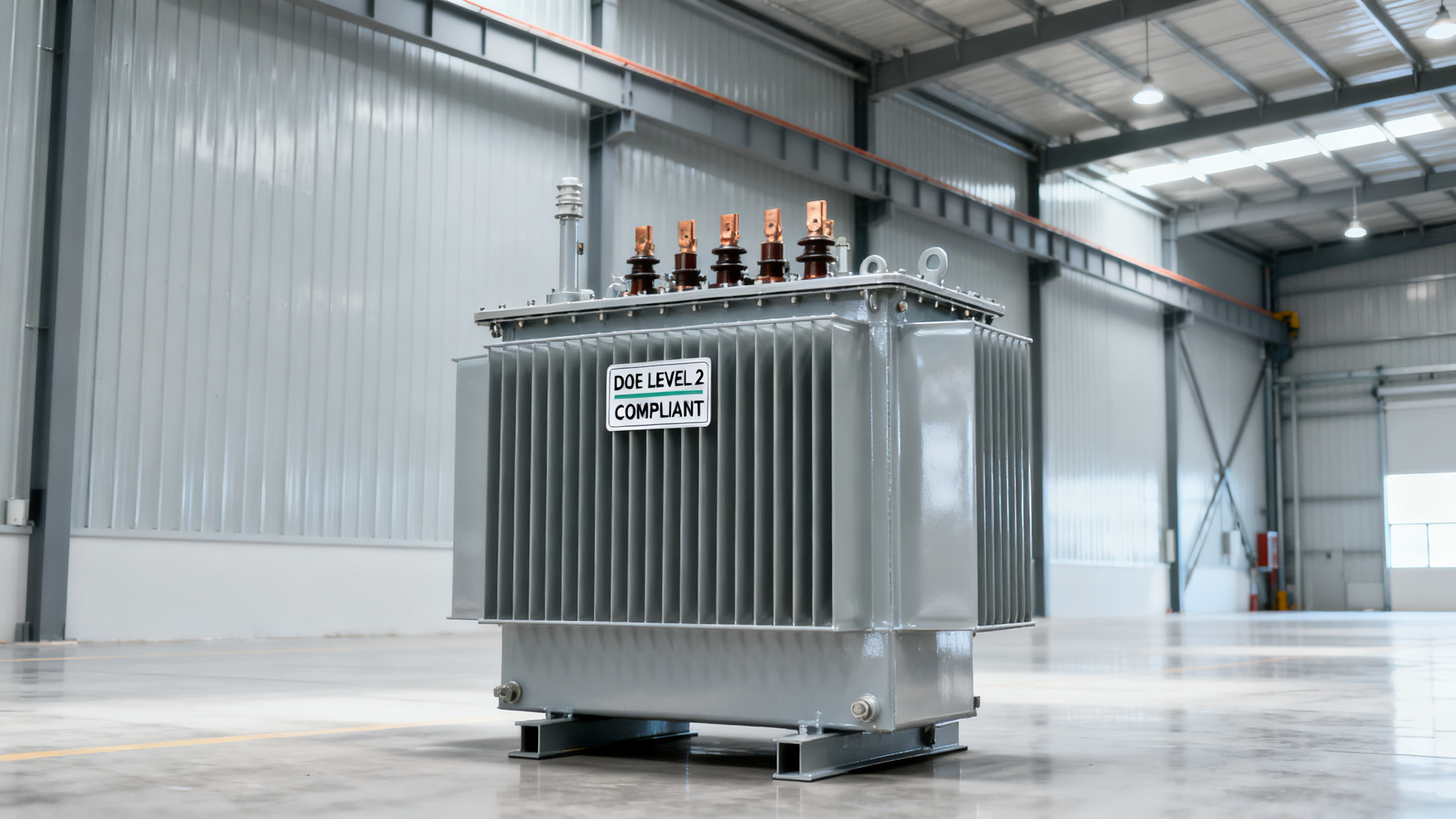
U.S. Department of Energy (DOE) has enacted a new energy efficiency regulation for power and distribution transformers entering the U.S. market, effective July 1, 2026. The rule directly impacts China’s transformer export industry — the world’s largest supplier of such equipment to the U.S. — triggering urgent technical and supply chain adjustments across manufacturing, materials sourcing, and trade compliance functions.
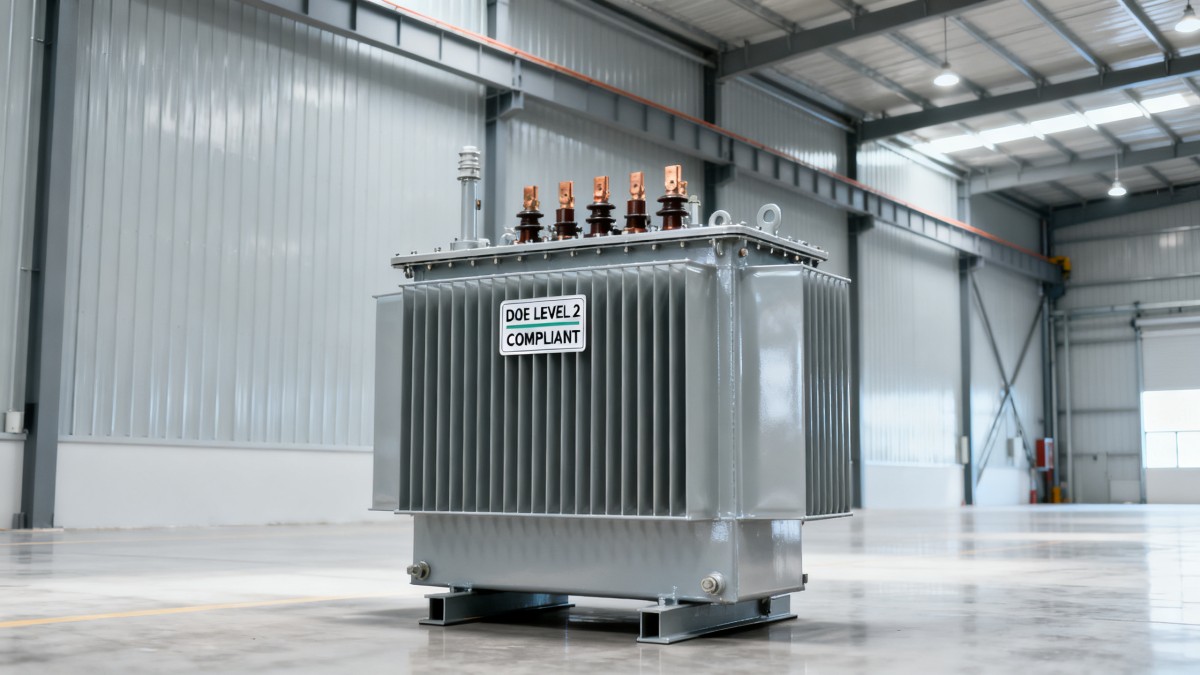
Event Overview
The U.S. Department of Energy (DOE) issued its final rule on May 14, 2026 (10 CFR Part 431), mandating that all power and distribution transformers imported into the United States must comply with DOE Level 2 efficiency standards starting July 1, 2026. Level 2 requirements represent an 8–12% improvement over current Level 1 benchmarks. The rule applies uniformly to dry-type and liquid-immersed transformers across all voltage and capacity classes. Non-compliant units will be denied entry by U.S. Customs and Border Protection.
Industries Affected
Direct Exporters: Chinese manufacturers exporting transformers to the U.S. face immediate compliance risk. Since DOE certification is product-specific and requires third-party testing and labeling, exporters must re-certify existing models or redesign them — resulting in delayed shipments, revised quotations, and potential contract renegotiations. Several major exporters have already reported postponements of Q3 deliveries to Q4 2026.
Raw Material Suppliers: Producers of high-permeability silicon steel (e.g., 23P085, 27P100 grades) and low-loss amorphous alloy strips are seeing accelerated demand for DOE Level 2–compatible materials. However, domestic availability of certified, traceable, and DOE-recognized grades remains constrained — prompting importers to source pre-qualified steel from Japan, South Korea, and Germany, adding cost and lead-time pressure.
Manufacturing & Design Firms: Transformer OEMs and ODMs are revising core geometry, winding configurations, cooling layouts, and insulation systems to meet tighter no-load and load loss thresholds. These changes require updated electromagnetic simulation, prototype validation, and requalification under IEEE C57.12.00 and DOE test procedures — extending design cycles by 8–12 weeks per model series.
Supply Chain Service Providers: Third-party testing labs accredited by DOE (e.g., UL, Intertek, CSA Group) report surging application volumes for Level 2 certification. Logistics providers are updating documentation templates to include DOE compliance declarations and test report references. Meanwhile, customs brokers are intensifying pre-clearance checks — increasing administrative burden and raising the risk of port detention for incomplete submissions.
Key Focus Areas and Recommended Actions
Verify Product-Level Certification Status
Exporters must confirm whether each transformer model has been tested and certified to DOE Level 2 using the official DOE Compliance Certification Management System (CCMS). Relying on generic “compliance-ready” claims without CCMS registration carries enforcement risk.
Engage Early with Accredited Testing Laboratories
Given lab backlogs and extended turnaround times (currently averaging 10–14 weeks), firms should initiate test planning by Q3 2024 for models scheduled for Q2 2026 shipment — especially for custom or high-capacity units requiring full-load verification.
Review and Update Technical Documentation Packages
All export documentation — including nameplates, user manuals, and DoC (Declaration of Conformity) — must reflect DOE Level 2 compliance language, correct test standards (e.g., IEEE C57.12.90), and valid CCMS certificate numbers. Inconsistent labeling may trigger CBP holds even for physically compliant units.
Editorial Perspective / Industry Observation
Analysis shows this rule marks a structural shift — not merely a technical update — in U.S. energy policy implementation. Unlike prior incremental upgrades, DOE Level 2 introduces mandatory loss limits tied to transformer size and configuration, effectively eliminating legacy designs still widely used in emerging markets. Observably, U.S. importers are beginning to request Level 2 compliance as a baseline for global procurement, suggesting spillover effects beyond U.S.-bound shipments. From an industry perspective, the timing — just before the 2026 U.S. federal infrastructure funding rollout — implies alignment with grid modernization goals rather than isolated energy conservation. Current more critical concern is not adoption feasibility, but equitable access to verification infrastructure: only six DOE-accredited labs operate in mainland China, versus over 30 in Europe and North America.
Conclusion
This regulation reinforces the growing role of energy performance standards as de facto trade gatekeepers — especially for capital equipment embedded in national infrastructure. For Chinese transformer manufacturers, compliance is no longer optional; it is foundational to market access. A rational interpretation is that long-term competitiveness will hinge less on cost leadership and more on integrated capability across material science, digital modeling, and regulatory intelligence.
Source Attribution
U.S. Department of Energy, Final Rule: Energy Conservation Standards for Distribution and Power Transformers, 81 FR 30242 (May 14, 2026); Code of Federal Regulations, Title 10, Part 431, Subpart K. Official rule text available at regulations.gov/DOE-2023-BC-STD-0072. Note: DOE’s Compliance Certification Management System (CCMS) remains under phased enhancement; ongoing updates to reporting formats and lab accreditation status require continuous monitoring through DOE’s Appliance and Equipment Standards Program portal.
Technical Specifications
- How to Select Electronic Hotel Key Card Locks for Guest Rooms and Staff AreasAuthor :Safety Compliance Lead
- How to Select Lab Instruments for Reliable Chemical Analysis WorkflowsAuthor :Precision Metrology Expert
- How to Size a UPS for Server Rooms: Load, Runtime, and Redundancy FactorsAuthor :Grid Infrastructure Analyst
Expert Insights

Chief Security Architect
Dr. Thorne specializes in the intersection of structural engineering and digital resilience. He has advised three G7 governments on industrial infrastructure security.
Related Analysis
- Sep 17, 2026How to Select Electronic Hotel Key Card Locks for Guest Rooms and Staff AreasAuthor :Safety Compliance Lead
- Sep 16, 2026How to Select Lab Instruments for Reliable Chemical Analysis WorkflowsAuthor :Precision Metrology Expert
- Sep 15, 2026How to Size a UPS for Server Rooms: Load, Runtime, and Redundancy FactorsAuthor :Grid Infrastructure Analyst
Core Sector // 01
Security & Safety
- How to Size a UPS for Server Rooms: Load, Runtime, and Redundancy FactorsAuthor :Grid Infrastructure Analyst

- How to Choose a Step-Down Transformer for a Control Panel: Key Sizing FactorsAuthor :Grid Infrastructure Analyst

- How Often Should Overseas Power Systems Undergo Safety Inspections?Author :Grid Infrastructure Analyst

- How to Choose Panels for Extreme-Cold Industrial Sites?Author :Grid Infrastructure Analyst

- What Should a Cross-Border EPC Equipment Procurement Reference Include?Author :Grid Infrastructure Analyst

- How to Compare Low-Voltage Equipment for Panel IntegrationAuthor :Grid Infrastructure Analyst

- IEC-Compliant Power Infrastructure: Key Design and Verification RequirementsAuthor :Grid Infrastructure Analyst

- Updated EN 61000-6-4:2026 Raises EMC Compliance Bar for EU-Bound Industrial EquipmentAuthor :Grid Infrastructure Analyst