Power Distribution Equipment vs Switchgear: What’s the Difference in Real Projects?
Author
Date Published
Reading Time
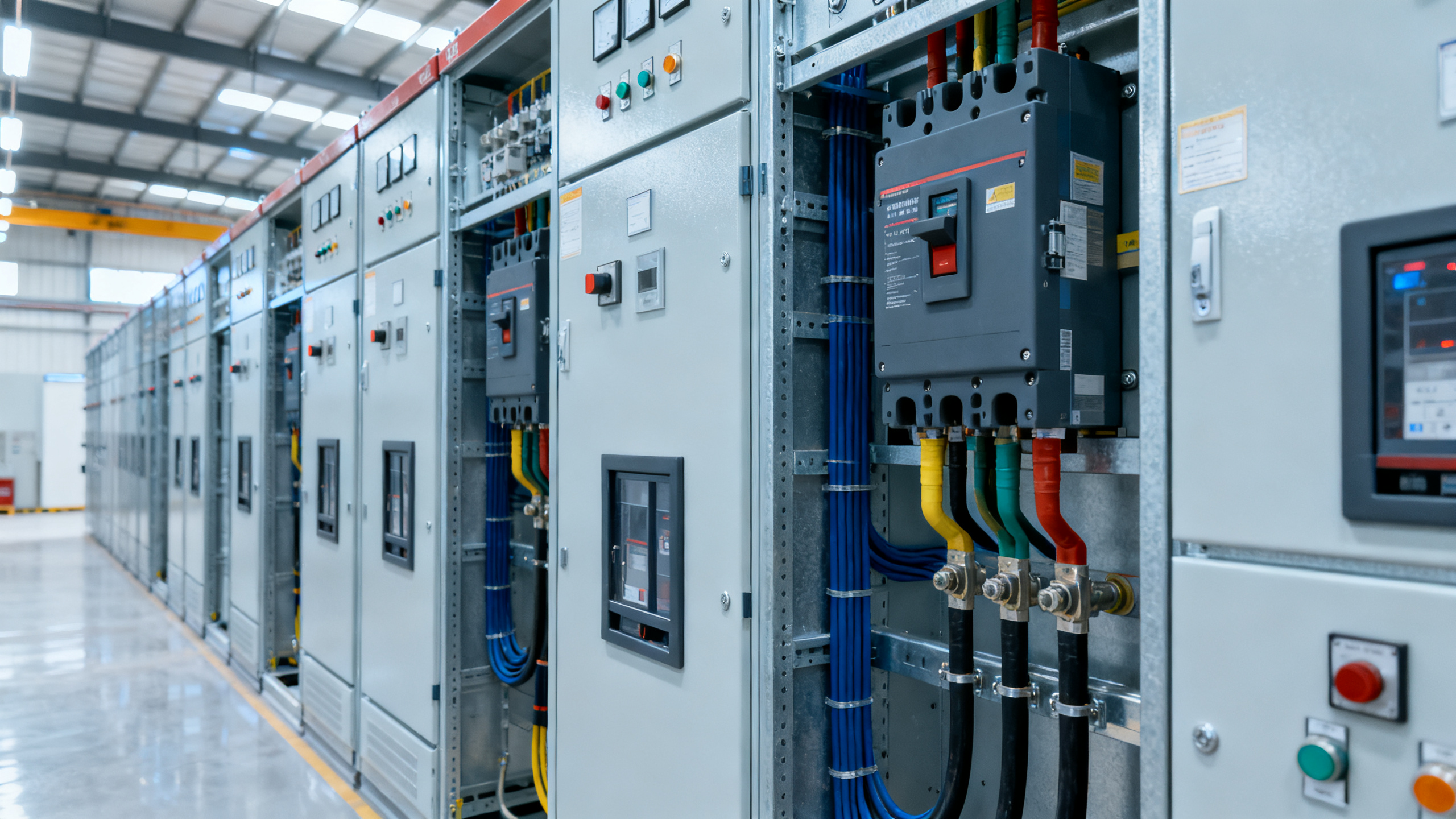
Confusion between power distribution equipment and switchgear rarely starts in theory. It usually appears during design reviews, bid comparisons, retrofit planning, or fault investigations.
In real projects, the two terms overlap enough to create costly assumptions. A panel may be labeled as switchgear, while the actual requirement is broader power distribution equipment.
That distinction affects safety architecture, maintenance access, arc fault exposure, compliance strategy, and lifecycle cost. For infrastructure-focused platforms like Global Industrial Core, this is not a wording issue. It is a project outcome issue.
Where the confusion begins on industrial sites
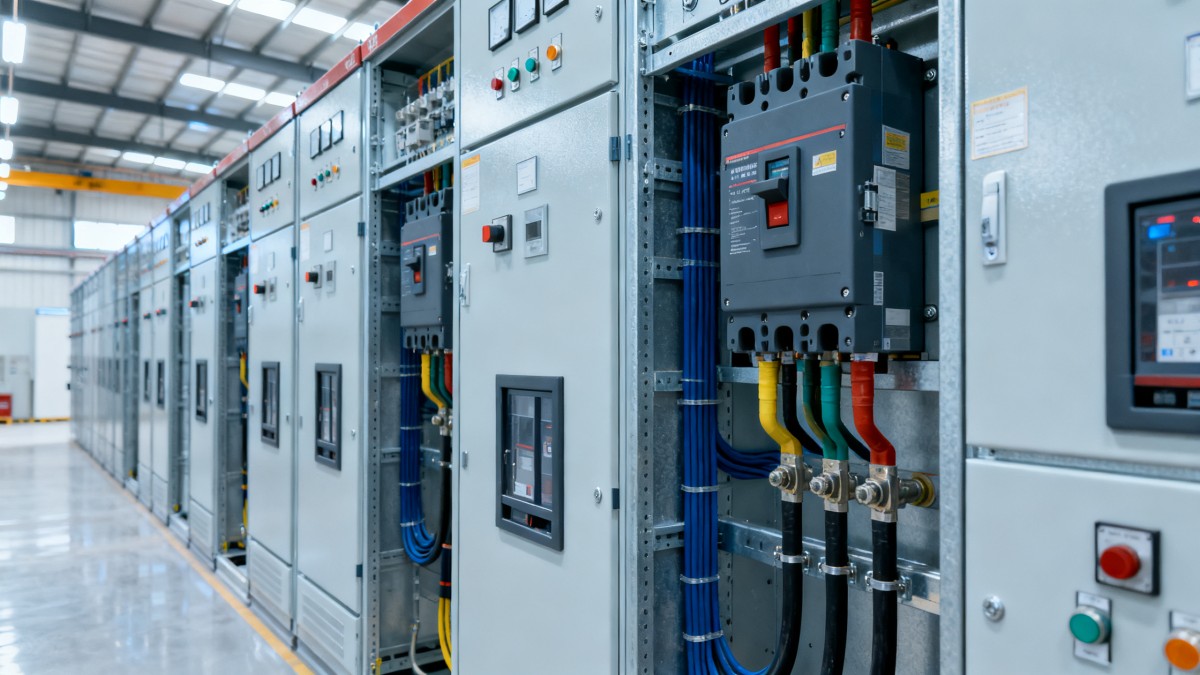
The term power distribution equipment covers a wide electrical ecosystem. It includes systems that receive, divide, protect, control, and deliver electrical power across a facility.
Switchgear is one part of that ecosystem. It is specialized equipment designed to switch, isolate, control, and protect electrical circuits and connected assets.
Simple language helps here. All switchgear belongs to the wider category of power distribution equipment, but not all power distribution equipment is switchgear.
The misunderstanding often grows because vendors, drawings, and site teams use familiar terms loosely. In smaller facilities, the difference may seem minor. In heavy industry, it is not.
A practical way to separate the two
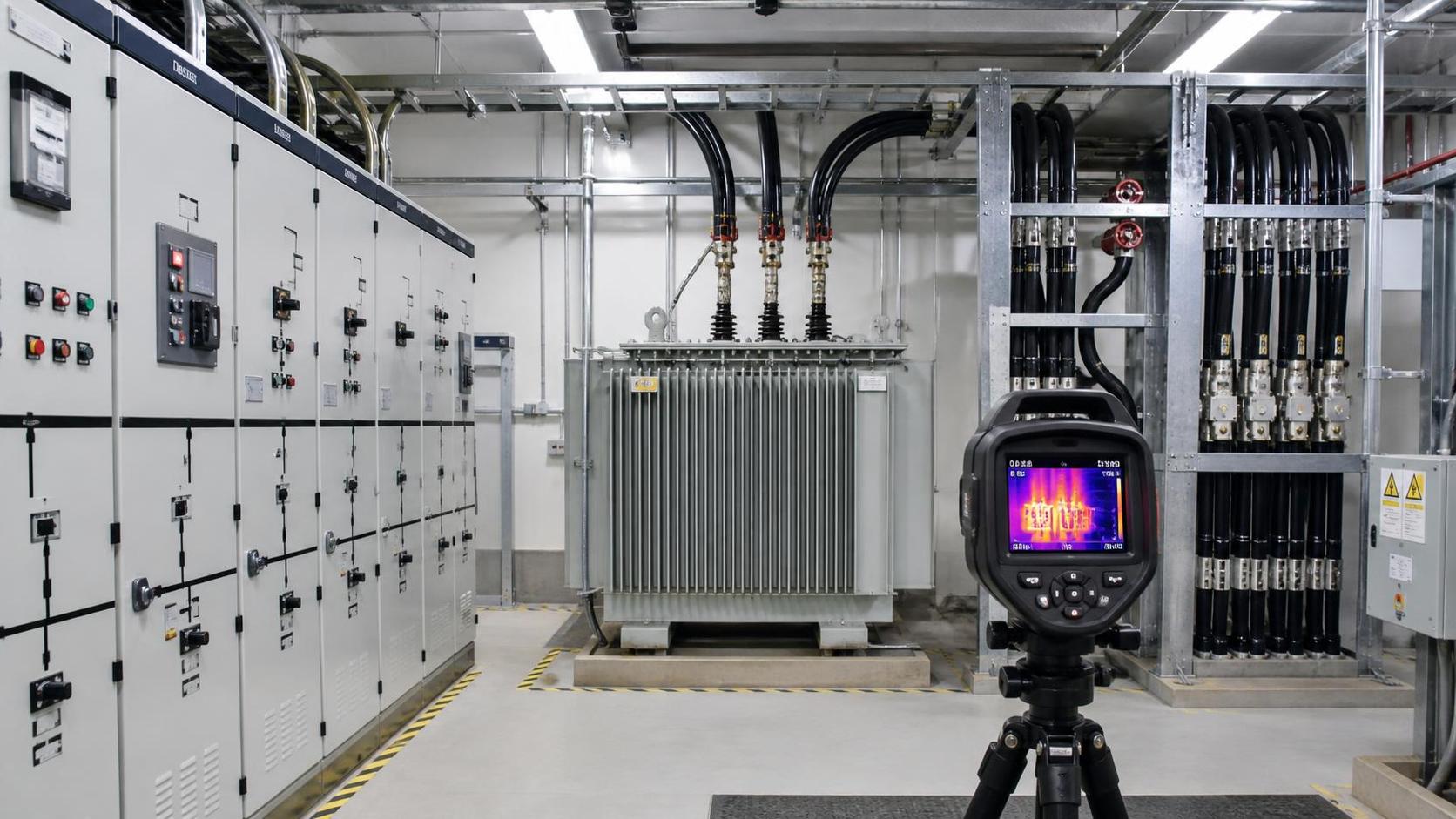
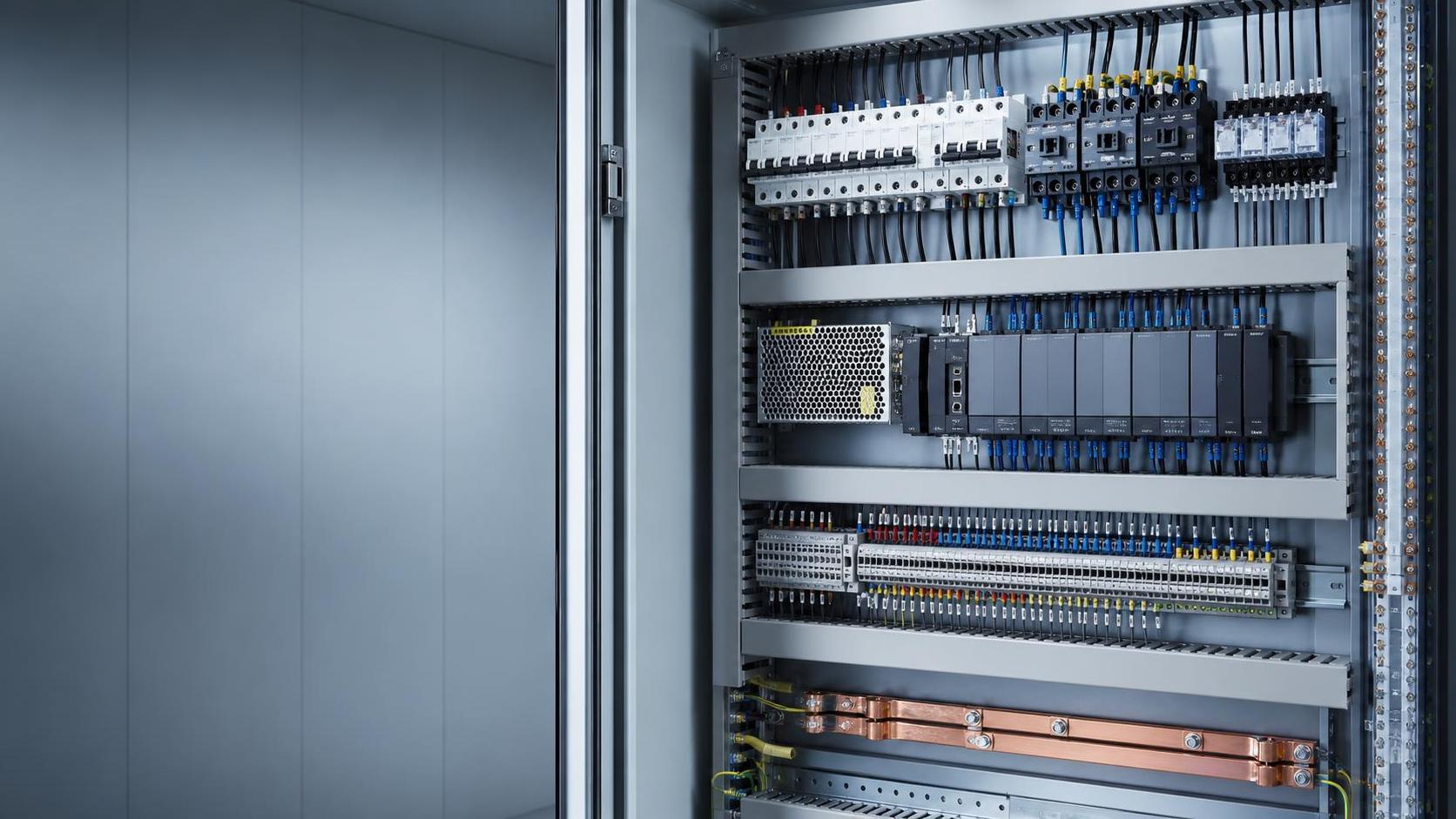
Power distribution equipment is the broader infrastructure layer. It may include transformers, switchboards, panelboards, busways, motor control centers, distribution boards, protective relays, and related enclosures.
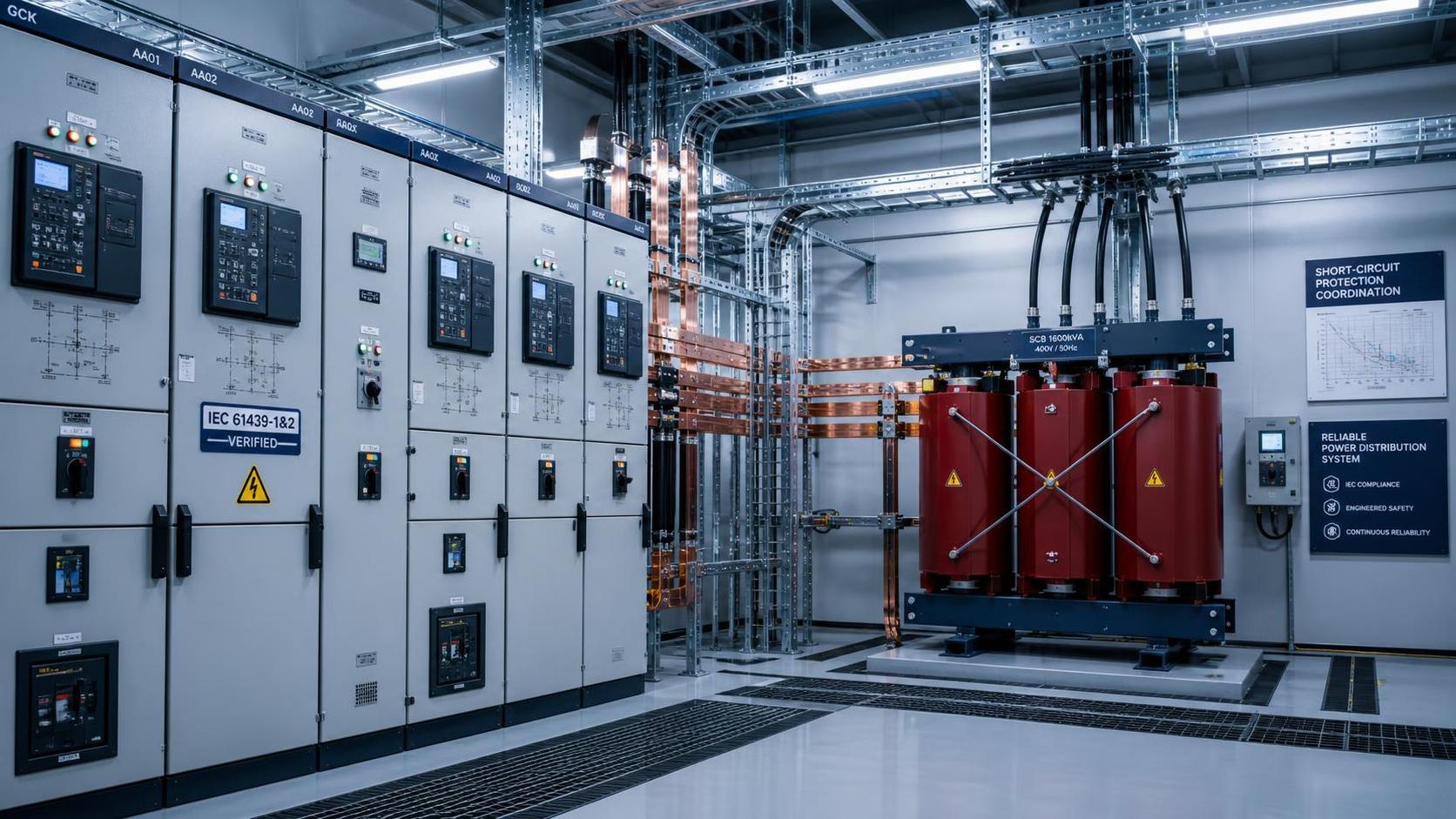
Switchgear has a narrower operational purpose. It manages energized circuits under normal and fault conditions, especially where interruption capacity and protective coordination are critical.
In medium-voltage and high-risk low-voltage environments, switchgear is usually selected because fault control is not optional. It must be engineered into the system from the start.
Why the distinction matters in real projects
Specification language shapes procurement, installation, and risk. If a tender asks for switchgear when the need is general power distribution equipment, bid responses may be misaligned from the beginning.
The opposite problem is equally serious. A project may request generic power distribution equipment for a duty that requires true switchgear performance and tested protective behavior.
That gap can show up in several ways:
- Insufficient short-circuit withstand ratings
- Weak arc flash mitigation planning
- Poor selective coordination between upstream and downstream devices
- Difficult maintenance isolation procedures
- Unexpected retrofit costs during commissioning
These issues become sharper in petrochemical plants, water treatment facilities, mining operations, data centers, and utility-connected industrial campuses. Failure there affects production, safety, and regulatory exposure at the same time.
What each system looks like in the field
On site, power distribution equipment is the network that moves electricity from source to use point. It may start at the service entrance and extend through every major process area.
A switchboard may feed lighting, HVAC, packaging lines, drives, and utility loads. A motor control center may support pumps, fans, conveyors, or compressors.
Switchgear usually appears where controlled interruption matters most. Incoming utility feeds, generator tie-ins, critical feeders, and medium-voltage process sections are common examples.
In those locations, operators need confidence that fault clearing, isolation, and relay logic will perform exactly as engineered. That is why switchgear selection is tied closely to system studies.
Typical locations for broader power distribution equipment
- Main and sub-distribution rooms
- Production halls and utility buildings
- Mechanical service areas
- Commercial-industrial mixed facilities
Typical locations for switchgear
- Service entrances with high available fault current
- Critical process feeders
- Generator synchronization sections
- Medium-voltage distribution points
Current industry focus: reliability, standards, and maintainability
The market is paying closer attention to resilience rather than only first cost. That shift is changing how power distribution equipment is evaluated across industrial and infrastructure projects.
Three concerns stand out. The first is compliance with recognized frameworks such as UL, IEC, CE, and ISO-linked quality systems. The second is survivability in harsh conditions. The third is maintainability over decades.
Global Industrial Core operates in this exact decision space. Buyers and technical teams increasingly need source material that connects standards, tested performance, and field application rather than catalog claims alone.
That is especially relevant when comparing assemblies that appear similar from outside but differ in compartmentalization, internal arc resistance, breaker technology, or relay integration.
How to judge the right fit before specification freeze
The most useful question is not which term sounds more advanced. The useful question is what electrical duty, operational risk, and continuity target the project must support.
Before locking a bill of materials, it helps to review these points:
- Available fault current at each node
- Required interruption and isolation performance
- Need for relay protection and automation
- Maintenance philosophy, including live-front or dead-front access
- Expansion plans and spare feeder strategy
- Environmental exposure, including dust, humidity, salt, and vibration
If the application centers on safe power routing and branch distribution, broader power distribution equipment may be the right framing. If fault management is the defining concern, switchgear should be assessed directly.
Common buying and engineering mistakes
One common mistake is comparing assemblies only by enclosure size, ampere rating, or price. Those data points matter, but they do not reveal the protection philosophy of the system.
Another mistake is treating power distribution equipment as a commodity across all project tiers. In basic facilities, standardization can work well. In high-consequence environments, shallow comparison can hide major risk.
Retrofit projects create a third problem. Existing drawings may use legacy labels that no longer match present standards or installed conditions. Verification in the field becomes essential.
That is why trusted technical sourcing increasingly depends on documentation quality, test certification, coordination studies, and service support after energization.
A more useful way to move forward
The best next step is to map terminology to actual project duty. Start with the one-line diagram, short-circuit study, protection requirements, and maintenance approach.
Then review whether the requirement is for system-wide power distribution equipment, a switchgear assembly, or a coordinated combination of both. That framing sharpens vendor comparison and reduces late-stage correction.
For any industrial expansion, retrofit, or new build, clearer language around power distribution equipment usually leads to better technical decisions. It also makes safety, compliance, and long-term reliability easier to defend.
When the project stakes are high, the difference between broad distribution hardware and true switchgear should never be left to assumption. It should be verified, documented, and matched to real operating conditions.
Technical Specifications
- Wholesale Borosilicate Lab Glassware: How Buyers Verify Quality, Specs, and Supply ReliabilityAuthor :Precision Metrology Expert
- How to Select Electronic Hotel Key Card Locks for Guest Rooms and Staff AreasAuthor :Safety Compliance Lead
- How to Select Lab Instruments for Reliable Chemical Analysis WorkflowsAuthor :Precision Metrology Expert
Expert Insights

Chief Security Architect
Dr. Thorne specializes in the intersection of structural engineering and digital resilience. He has advised three G7 governments on industrial infrastructure security.
Related Analysis
- Sep 18, 2026Wholesale Borosilicate Lab Glassware: How Buyers Verify Quality, Specs, and Supply ReliabilityAuthor :Precision Metrology Expert
- Sep 17, 2026How to Select Electronic Hotel Key Card Locks for Guest Rooms and Staff AreasAuthor :Safety Compliance Lead
- Sep 16, 2026How to Select Lab Instruments for Reliable Chemical Analysis WorkflowsAuthor :Precision Metrology Expert
Core Sector // 01
Security & Safety
- How to Size a UPS for Server Rooms: Load, Runtime, and Redundancy FactorsAuthor :Grid Infrastructure Analyst

- How to Choose a Step-Down Transformer for a Control Panel: Key Sizing FactorsAuthor :Grid Infrastructure Analyst

- How Often Should Overseas Power Systems Undergo Safety Inspections?Author :Grid Infrastructure Analyst

- How to Choose Panels for Extreme-Cold Industrial Sites?Author :Grid Infrastructure Analyst

- What Should a Cross-Border EPC Equipment Procurement Reference Include?Author :Grid Infrastructure Analyst

- How to Compare Low-Voltage Equipment for Panel IntegrationAuthor :Grid Infrastructure Analyst

- IEC-Compliant Power Infrastructure: Key Design and Verification RequirementsAuthor :Grid Infrastructure Analyst

- Updated EN 61000-6-4:2026 Raises EMC Compliance Bar for EU-Bound Industrial EquipmentAuthor :Grid Infrastructure Analyst