EN 61000-6-4:2026 Takes Effect for EU Industrial Power
Author
Date Published
Reading Time

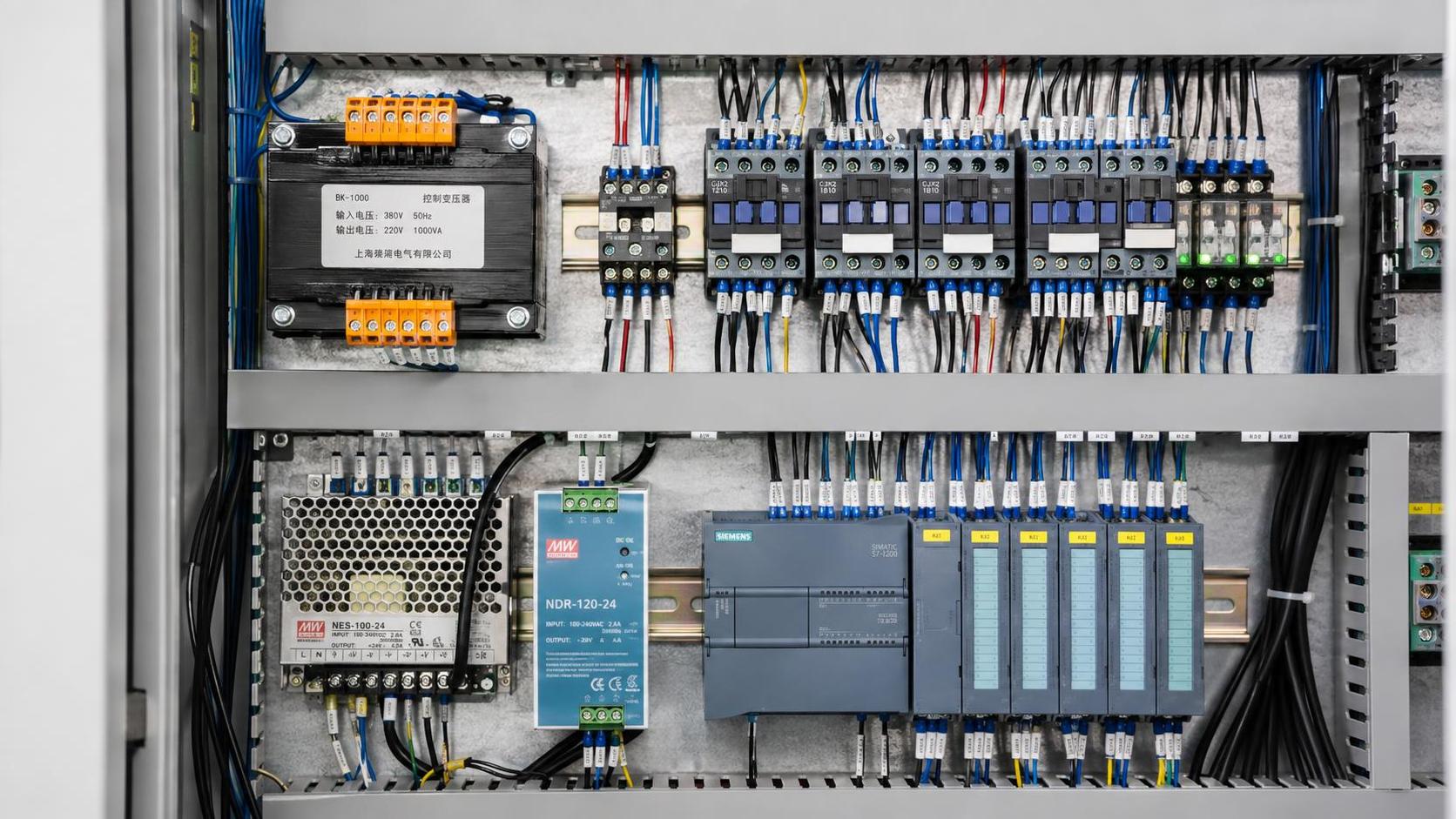
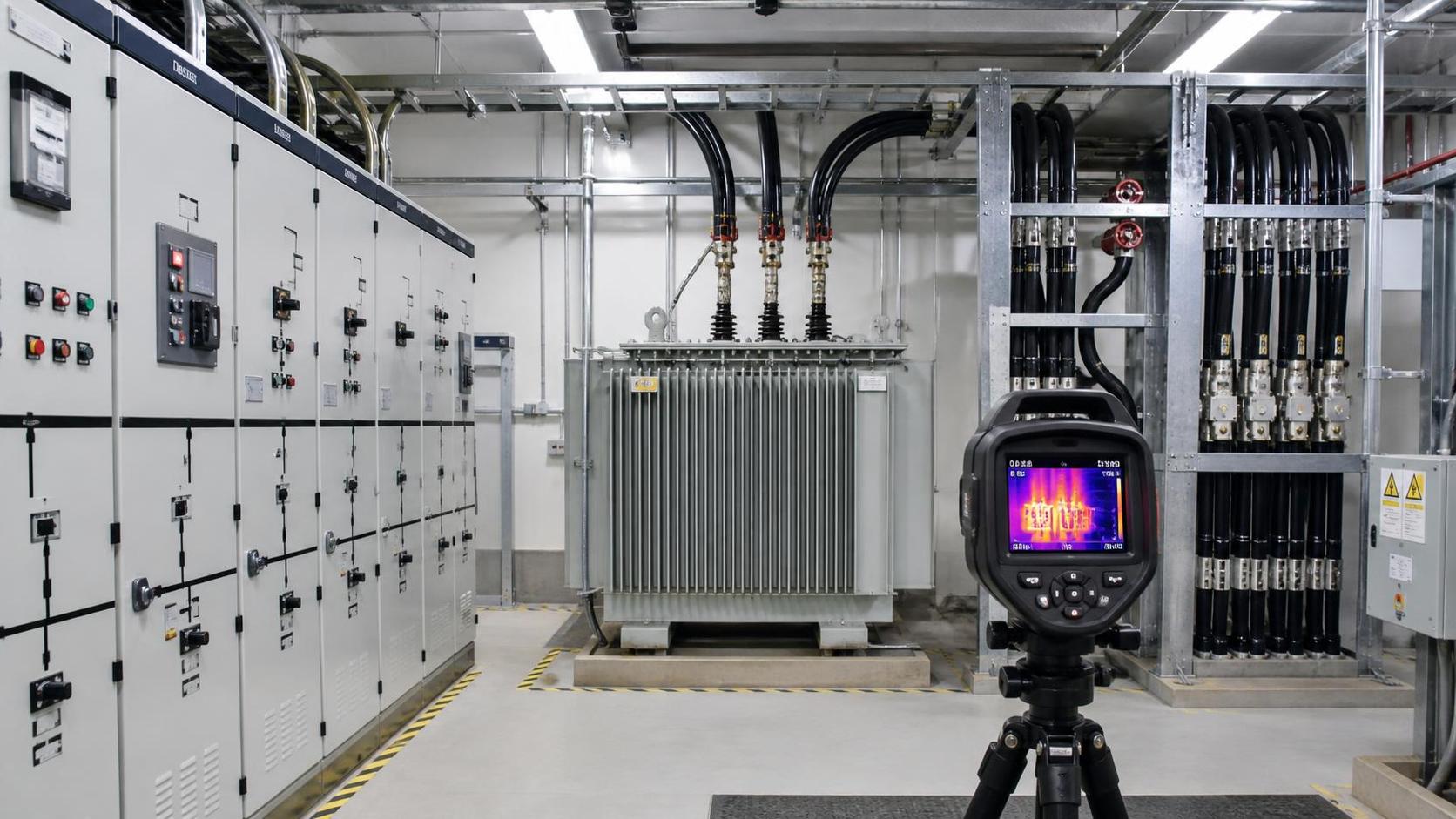
On June 18, 2026, the EU Official Journal confirmed that EN 61000-6-4:2026 has entered into force, replacing the 2019 version for emission requirements in industrial electromagnetic compatibility. For companies selling Transformers & Switchgears, Breakers & Relays, and industrial power modules into the EU, this is not just a standards update: it directly affects certification schedules, product testing scope, and customs clearance readiness ahead of the December 1, 2026 deadline.

What the standard change confirms
The confirmed change is that EN 61000-6-4:2026 is now effective and replaces the 2019 edition. According to the event summary provided, the new version tightens wideband radio-frequency emission limits and introduces specific test requirements for AI-driven smart power products, including adaptive rectification and dynamic harmonic compensation modules.
The same summary also makes clear that all Transformers & Switchgears, Breakers & Relays, and industrial power modules intended for the EU market must complete updated CE-EMC certification under the new standard by December 1, 2026. Without that update, the products will not be able to clear customs.
Where the impact is likely to be felt first
Export-facing manufacturers will face a narrower compliance window
From an industry perspective, manufacturers shipping affected equipment to the EU are the first group likely to feel the impact because certification timing now becomes part of delivery planning. The main pressure point is the transition from legacy EMC documentation to testing and certification aligned with EN 61000-6-4:2026.
Product teams working on smart power functions need closer test alignment
Analysis shows that teams developing AI-driven power designs may need to pay special attention to how their products are categorized and tested. This matters particularly for products that include adaptive rectification or dynamic harmonic compensation functions, because the new standard explicitly adds special test requirements for that type of equipment.
Supply chain and trade operations may need tighter document control
For supply chain service providers, exporters, and channel operators, the likely impact is operational rather than theoretical. What deserves closer attention is whether technical files, certification status, and shipment documentation remain aligned with the new compliance deadline, since customs clearance is directly tied to completion of the updated CE-EMC certification.
EU buyers and project procurement teams may review compliance timing more closely
Observably, procurement teams and downstream industrial users may place greater emphasis on certification timing in supplier communication. The issue is not only whether a product can be supplied, but whether it can still enter the EU market without clearance risk after the transition date.
What companies should watch now
Separate confirmed rules from internal assumptions
Companies should first distinguish between what is already confirmed and what still requires interpretation in practice. The confirmed points are the effective date, the replacement of the 2019 version, the stricter wideband RF emission limits, the added testing for AI-driven smart power products, and the December 1, 2026 certification deadline for the listed product groups.
Identify affected product lines early
What deserves closer attention is product screening. Businesses with EU-bound Transformers & Switchgears, Breakers & Relays, or industrial power modules should clarify which models are already certified to the older version and which may require updated testing under the new requirements.
Review schedules for testing, documentation, and delivery
Analysis shows that the practical challenge is not limited to lab testing. Certification updates, technical documentation, customer-facing compliance statements, and shipment timing may all need to be coordinated so that goods moving toward the EU market do not run into a mismatch between order fulfillment and customs requirements.
Maintain communication with customers and suppliers
Companies may also need to review how they communicate certification progress with EU customers, distributors, and upstream suppliers. This is especially relevant where compliance documents form part of purchase decisions, delivery acceptance, or shipment release processes.
Why this looks like more than a routine revision
Analysis shows that this development can be read in two ways at the same time. In the short term, it is a concrete compliance change with a fixed deadline and direct consequences for EU market access. In a broader sense, the addition of special testing for AI-driven smart power equipment suggests that EMC compliance is increasingly being shaped by how intelligent power functions behave in real operating environments, not only by traditional hardware classifications.
At the same time, it is more appropriate to understand this as a confirmed regulatory transition rather than a completed industry outcome. The rule has taken effect, but how individual companies absorb the testing, documentation, and shipment implications will remain an important point to watch.
How to read the signal at this stage
The most balanced reading is that EN 61000-6-4:2026 is both an immediate operational issue and a longer-term signal for industrial power equipment entering the EU. It already creates a defined compliance requirement for affected products, yet the broader business effect will depend on how quickly manufacturers, exporters, and supply-chain partners adjust certification and delivery workflows before the deadline.
Current industry attention is therefore better focused on execution rather than speculation: identifying affected products, checking certification status, and monitoring whether any further official clarifications change how the new testing expectations are applied in practice.
Basis of this article
This article is based on the user-provided news title, event date, and event summary concerning the entry into force of EN 61000-6-4:2026 on June 18, 2026. The analysis is limited to that provided information and does not add unverified data, company cases, or external conclusions.
For this type of industry update, relevant source categories typically include official notices, company statements, industry association updates, authoritative media reporting, and standardization documents. A specific official source link was not provided in the input, so further verification remains necessary. Follow-up attention should remain on any subsequent official wording, implementation clarifications, and how the updated CE-EMC requirements are applied to affected product categories in practice.
Technical Specifications
- How to Select Electronic Hotel Key Card Locks for Guest Rooms and Staff AreasAuthor :Safety Compliance Lead
- How to Select Lab Instruments for Reliable Chemical Analysis WorkflowsAuthor :Precision Metrology Expert
- How to Size a UPS for Server Rooms: Load, Runtime, and Redundancy FactorsAuthor :Grid Infrastructure Analyst
Expert Insights

Chief Security Architect
Dr. Thorne specializes in the intersection of structural engineering and digital resilience. He has advised three G7 governments on industrial infrastructure security.
Related Analysis
- Sep 17, 2026How to Select Electronic Hotel Key Card Locks for Guest Rooms and Staff AreasAuthor :Safety Compliance Lead
- Sep 16, 2026How to Select Lab Instruments for Reliable Chemical Analysis WorkflowsAuthor :Precision Metrology Expert
- Sep 15, 2026How to Size a UPS for Server Rooms: Load, Runtime, and Redundancy FactorsAuthor :Grid Infrastructure Analyst
Core Sector // 01
Security & Safety
- How to Size a UPS for Server Rooms: Load, Runtime, and Redundancy FactorsAuthor :Grid Infrastructure Analyst

- How to Choose a Step-Down Transformer for a Control Panel: Key Sizing FactorsAuthor :Grid Infrastructure Analyst

- How Often Should Overseas Power Systems Undergo Safety Inspections?Author :Grid Infrastructure Analyst

- How to Choose Panels for Extreme-Cold Industrial Sites?Author :Grid Infrastructure Analyst

- What Should a Cross-Border EPC Equipment Procurement Reference Include?Author :Grid Infrastructure Analyst

- How to Compare Low-Voltage Equipment for Panel IntegrationAuthor :Grid Infrastructure Analyst

- IEC-Compliant Power Infrastructure: Key Design and Verification RequirementsAuthor :Grid Infrastructure Analyst

- Updated EN 61000-6-4:2026 Raises EMC Compliance Bar for EU-Bound Industrial EquipmentAuthor :Grid Infrastructure Analyst