UL 60950-22:2026 Adds AI Thermal Runaway Checks
Author
Date Published
Reading Time

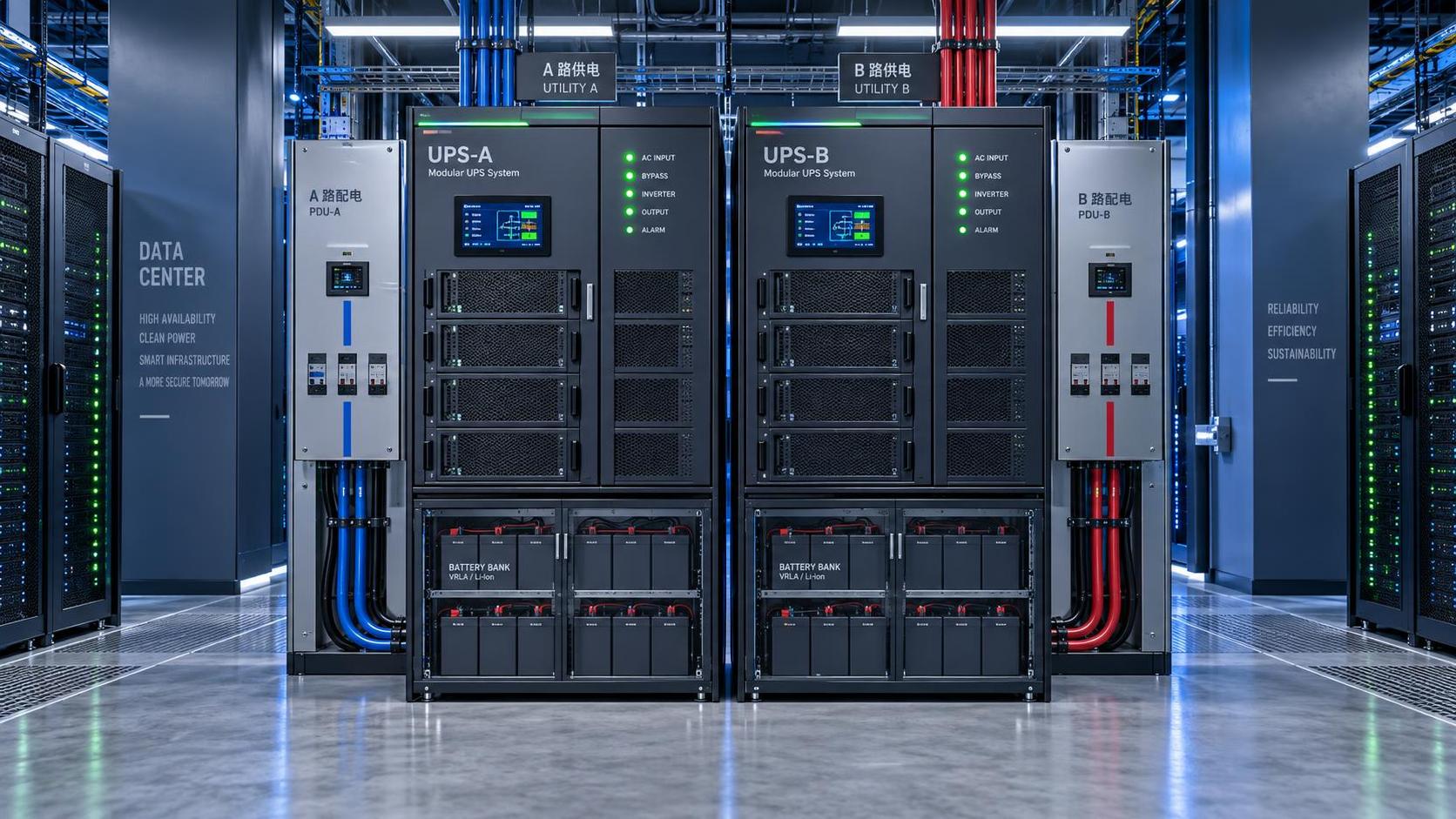
On June 18, 2026, UL Solutions formally released UL 60950-22:2026 and, for the first time, made AI-based thermal runaway prediction validation a mandatory safety test for industrial switch-mode power supplies, UPS systems, and direct current power distribution units (DCPD). For manufacturers, certification teams, component supply partners, and buyers working with safety-critical power equipment, this update is worth close attention because it ties certificate issuance not only to hardware performance, but also to documented AI model inputs, thermal simulation boundaries, and real-time temperature inference logic.
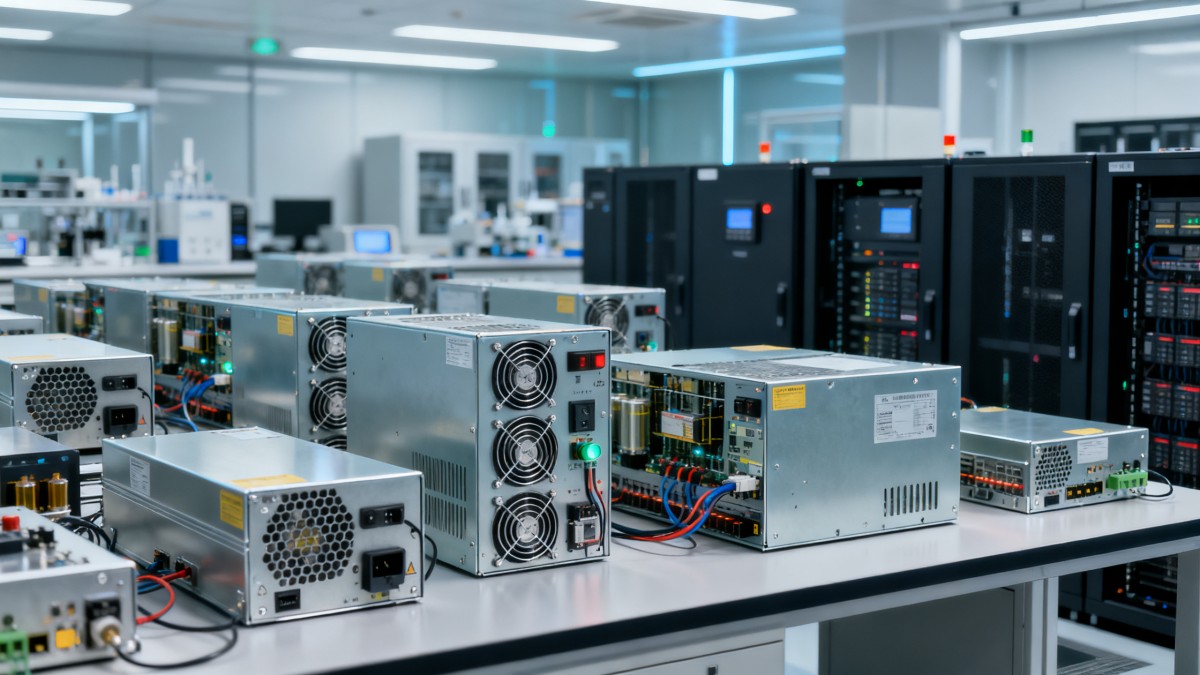
What the standard update explicitly requires
The confirmed facts are limited but clear. UL Solutions released UL 60950-22:2026 on June 18, 2026. Under this updated standard, “AI thermal runaway prediction validation” is now listed as a mandatory safety testing item for industrial switch-mode power supplies, UPS products, and DCPD equipment. The published requirement, as described in the provided event summary, means manufacturers must submit an AI model training dataset registered with UL, the boundary conditions used for thermal simulation, and a white paper explaining the logic used for real-time temperature projection. If these materials are not provided, a UL 60950-22 certificate will not be issued.
Where the immediate operational impact may appear
Certification work moves beyond hardware evidence
Analysis shows the most direct effect falls on manufacturers and their compliance teams. The certification process, based on the information provided, now involves model-related documentation alongside conventional product safety preparation. The practical impact is likely to appear first in technical file preparation, internal review workflows, and readiness for external certification submission.
Product development teams may face new documentation dependencies
From an industry perspective, engineering and product teams working on industrial power supplies, UPS systems, and DCPD products may need to coordinate more closely with compliance functions. The reason is not that the event confirms a redesign mandate, but that it clearly introduces documentation requirements tied to AI training data, thermal simulation limits, and temperature prediction logic. That can affect how evidence is organized before a product enters certification.
Procurement and buyer-side qualification may tighten
Observably, buyers and sourcing teams that require UL certification for industrial power equipment may need to pay closer attention to certification status and supporting technical records. The likely impact is on supplier qualification, project timing, and delivery planning, especially where certification is a gating condition for acceptance or procurement decisions.
Service and supply-chain partners may see longer coordination cycles
What deserves closer attention is that testing, documentation, and submission work may involve more parties than before. While the event summary does not quantify timing or cost changes, it does indicate that certification now depends on a broader set of materials. That can matter for service providers, integration partners, and supply-chain coordinators who support product launches, customer audits, or cross-border delivery preparations.
What companies should watch now
Track how UL describes the verification scope
Companies should closely monitor any further official wording around what counts as acceptable AI training data registration, how thermal simulation boundary conditions are expected to be presented, and how detailed the temperature inference logic white paper needs to be. The current signal is clear on required categories of documentation, but practical interpretation remains important for execution.
Review affected product lines first
Manufacturers should identify which industrial switch-mode power supplies, UPS products, and DCPD lines are tied to UL 60950-22 certification activity. This matters because the update applies to specific equipment categories named in the event summary, making product-level mapping a more immediate task than broad policy discussion.
Prepare customer and supplier communication early
Where certification is linked to delivery commitments, companies may need to align internal teams and external partners on documentation readiness. Analysis shows this is especially relevant for supplier qualification files, certification submission packages, and customer-facing explanations of compliance status, even if the standard’s longer-term implementation effects still require observation.
Separate the rule itself from its business implications
It is more appropriate to understand the current announcement as a confirmed certification requirement and not automatically as proof of immediate market-wide disruption. Companies should distinguish between what is already stated in the standard update and what still depends on future interpretation, implementation experience, or follow-up guidance.
Why this reads as a broader compliance signal
Analysis shows the significance of this event lies less in a general AI narrative and more in the fact that AI-related validation has been written into a mandatory safety testing path for named industrial power equipment categories. That makes this update relevant as a compliance signal, not just a technology headline. At the same time, it is still more appropriate to understand the development as an active area to monitor rather than a fully settled operating pattern across the wider market, because the provided information confirms the rule change but does not yet establish how certification practice will evolve in detail.
How the update is best understood at this stage
At this stage, the UL 60950-22:2026 release can be read as a concrete near-term compliance change for affected product categories and a longer-term signal that safety certification may increasingly require explainable model documentation in addition to traditional test evidence. A neutral reading is the most useful one: the requirement is already explicit, the operational consequences are likely to be real for certification-related workflows, and the full industry effect still deserves continued observation rather than overstatement.
Basis of this article and follow-up points
This article is based on the user-provided news title, event date, and event summary. For this type of development, commonly relevant source types would include official announcements, company notices, industry association updates, authoritative media reporting, and standard-setting organization documents. A specific official source link was not provided in the input, so the exact source document should still be continuously verified. Follow-up attention should focus on any later official clarifications, implementation language, and certification practice details related to UL 60950-22:2026.
Technical Specifications
- Wholesale Borosilicate Lab Glassware: How Buyers Verify Quality, Specs, and Supply ReliabilityAuthor :Precision Metrology Expert
- How to Select Electronic Hotel Key Card Locks for Guest Rooms and Staff AreasAuthor :Safety Compliance Lead
- How to Select Lab Instruments for Reliable Chemical Analysis WorkflowsAuthor :Precision Metrology Expert
Expert Insights

Chief Security Architect
Dr. Thorne specializes in the intersection of structural engineering and digital resilience. He has advised three G7 governments on industrial infrastructure security.
Related Analysis
- Sep 18, 2026Wholesale Borosilicate Lab Glassware: How Buyers Verify Quality, Specs, and Supply ReliabilityAuthor :Precision Metrology Expert
- Sep 17, 2026How to Select Electronic Hotel Key Card Locks for Guest Rooms and Staff AreasAuthor :Safety Compliance Lead
- Sep 16, 2026How to Select Lab Instruments for Reliable Chemical Analysis WorkflowsAuthor :Precision Metrology Expert
Core Sector // 01
Security & Safety
- How to Size a UPS for Server Rooms: Load, Runtime, and Redundancy FactorsAuthor :Grid Infrastructure Analyst

- How to Choose a Step-Down Transformer for a Control Panel: Key Sizing FactorsAuthor :Grid Infrastructure Analyst

- How Often Should Overseas Power Systems Undergo Safety Inspections?Author :Grid Infrastructure Analyst

- How to Choose Panels for Extreme-Cold Industrial Sites?Author :Grid Infrastructure Analyst

- What Should a Cross-Border EPC Equipment Procurement Reference Include?Author :Grid Infrastructure Analyst

- How to Compare Low-Voltage Equipment for Panel IntegrationAuthor :Grid Infrastructure Analyst

- IEC-Compliant Power Infrastructure: Key Design and Verification RequirementsAuthor :Grid Infrastructure Analyst

- Updated EN 61000-6-4:2026 Raises EMC Compliance Bar for EU-Bound Industrial EquipmentAuthor :Grid Infrastructure Analyst