How to vet an electrical & power manufacturer before ordering
Author
Date Published
Reading Time
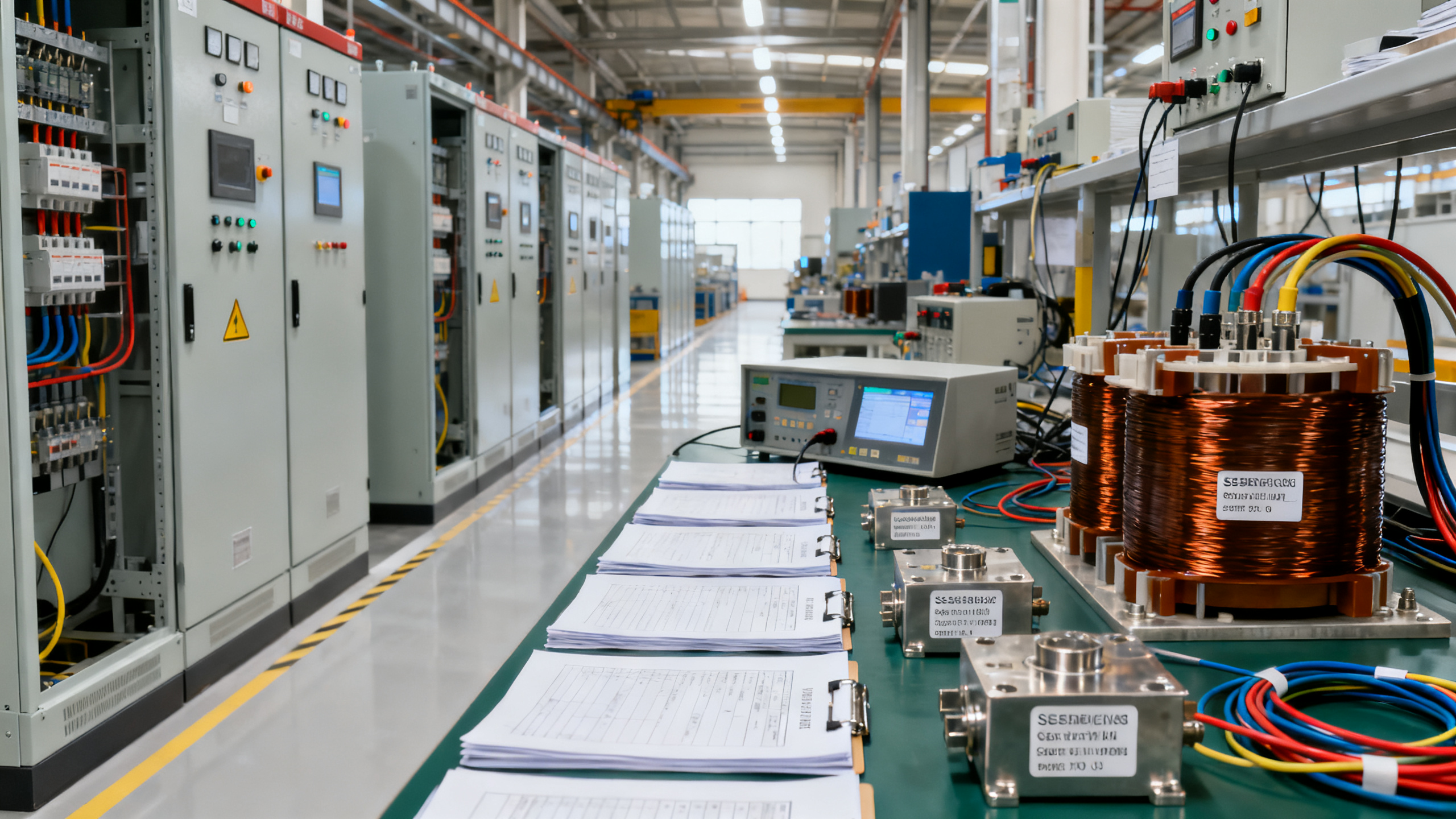
Choosing an Electrical & Power manufacturer is a high-stakes decision for industrial sourcing. Product quality affects safety, uptime, compliance, and long-term operating cost.
A weak supplier can trigger failures, rework, shipment delays, or certification problems. A strong Electrical & Power manufacturer supports stable delivery, documented testing, and dependable technical response.
Before ordering, supplier review should go beyond price. It should verify capability, standards, traceability, engineering discipline, and after-sales support across the full project lifecycle.
Core definition of an Electrical & Power manufacturer
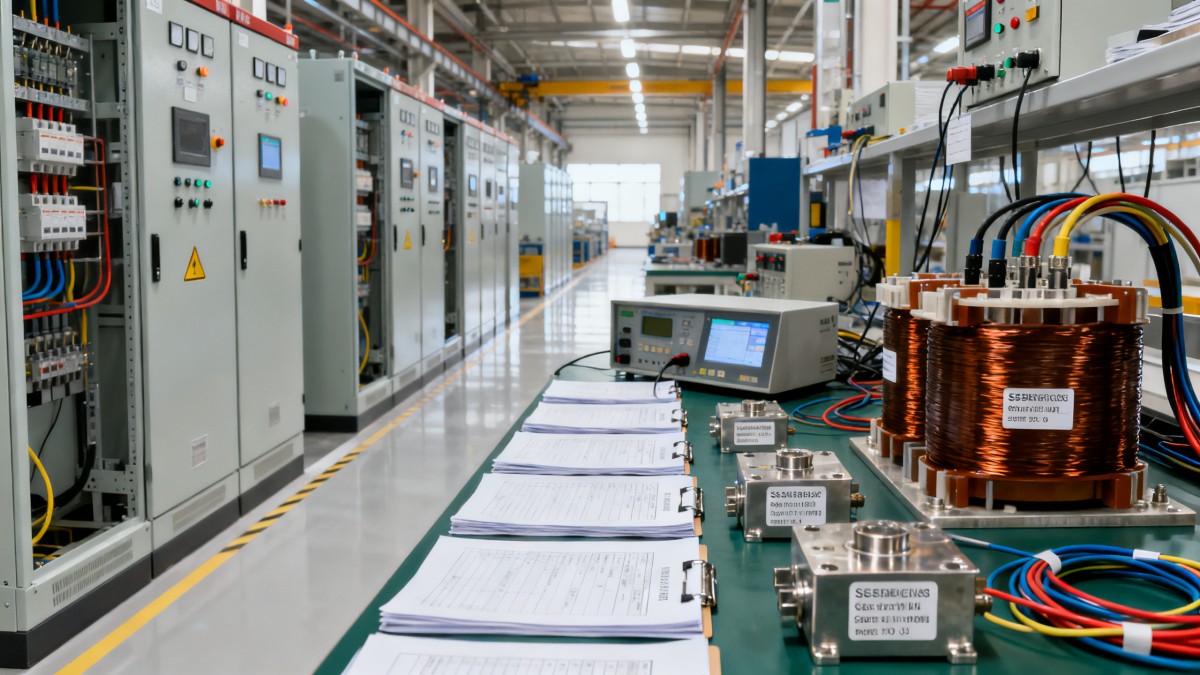
An Electrical & Power manufacturer produces equipment used to distribute, control, convert, protect, or monitor electrical energy in industrial environments.
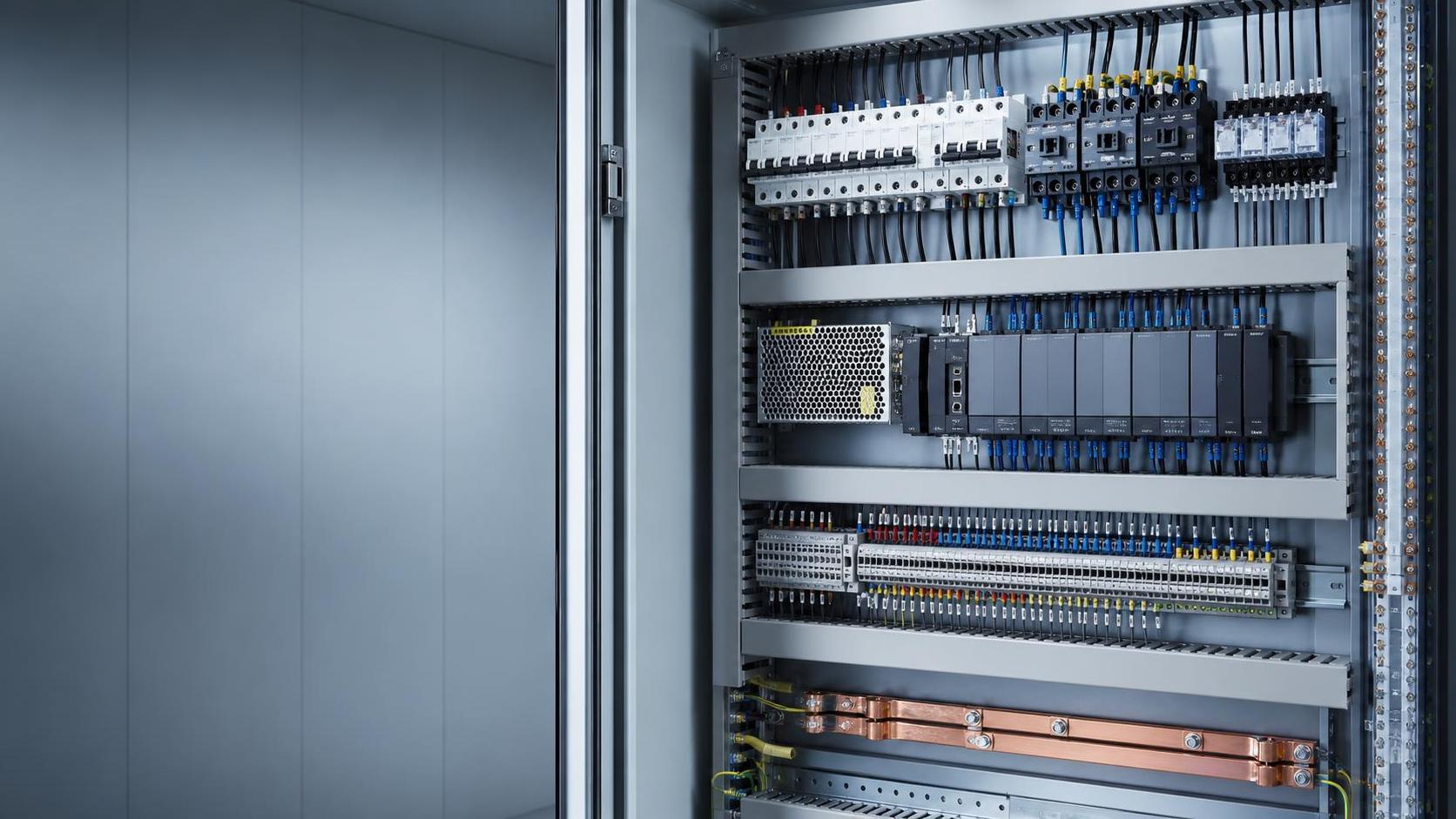
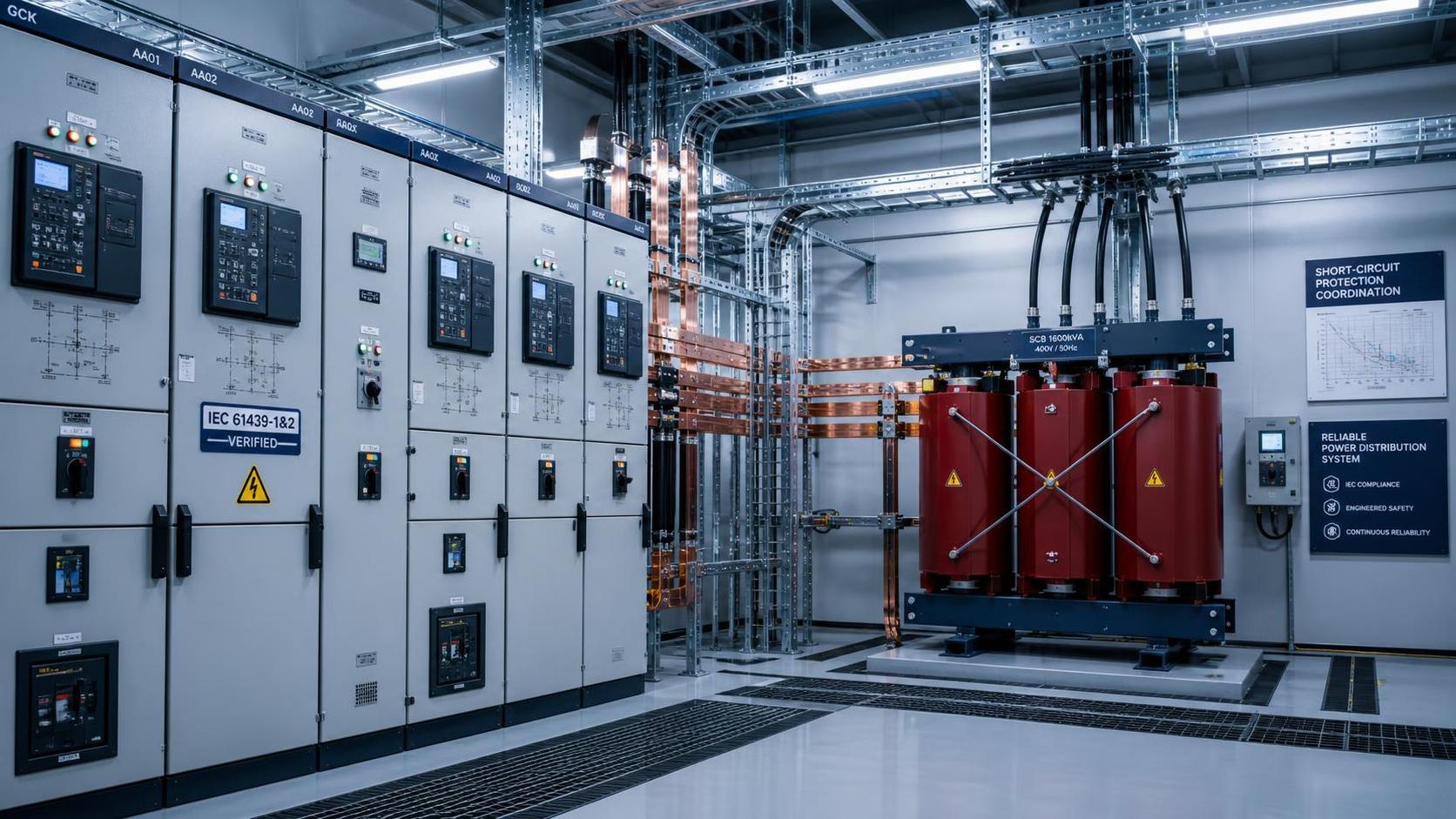
This category may include switchgear, transformers, power supplies, control panels, cables, busbar systems, breakers, relays, meters, and grid-related assemblies.
In practice, the right Electrical & Power manufacturer must meet technical drawings, regulatory standards, environmental conditions, and site-specific operating requirements.
That makes supplier vetting a structured risk-control exercise, not a simple purchasing step. Documentation quality often reveals manufacturing quality before any order is placed.
Current industry signals that shape supplier evaluation
Global industrial projects now face tighter compliance demands, volatile logistics, and stronger expectations for traceability. These pressures raise the importance of supplier selection discipline.
The following signals are especially relevant when reviewing an Electrical & Power manufacturer:
Business value of proper supplier vetting
A well-vetted Electrical & Power manufacturer reduces hidden cost. It also lowers commissioning risk, downtime exposure, and emergency replacement pressure.
Reliable vetting improves bid accuracy. It confirms whether quoted products truly match standards, operating temperature, protection class, voltage range, and installation conditions.
It also protects reputation. In infrastructure, power systems are tightly linked to worker safety, equipment continuity, and contractual performance obligations.
- Fewer quality disputes during inspection and startup
- Better alignment between datasheets and delivered goods
- Lower probability of counterfeit or substituted components
- Stronger warranty handling and spare parts continuity
- More predictable lead time and logistics coordination
Key checkpoints before ordering
1. Verify certifications and regulatory fit
Start with certification scope, not logo presence. Ask whether certificates apply to the exact product family, rating, and destination market.
Check CE, UL, ISO 9001, IEC test references, RoHS, or other required marks. Review issue dates, issuing bodies, and model coverage carefully.
2. Review engineering and customization capability
An Electrical & Power manufacturer should translate drawings into manufacturable output without weakening compliance or performance.
Request sample drawings, bill of materials structure, revision control process, and design review workflow. Good engineering teams document assumptions clearly.
3. Assess production capacity and process discipline
Capacity is more than factory size. It includes bottleneck control, tooling readiness, labor skill, shift management, and subcontractor dependence.
Ask for monthly output data, major machine lists, assembly flow, and quality gates. Stable processes matter more than impressive workshop photos.
4. Confirm testing standards and traceability
Testing should match product risk. Routine inspection alone may be insufficient for mission-critical power equipment.
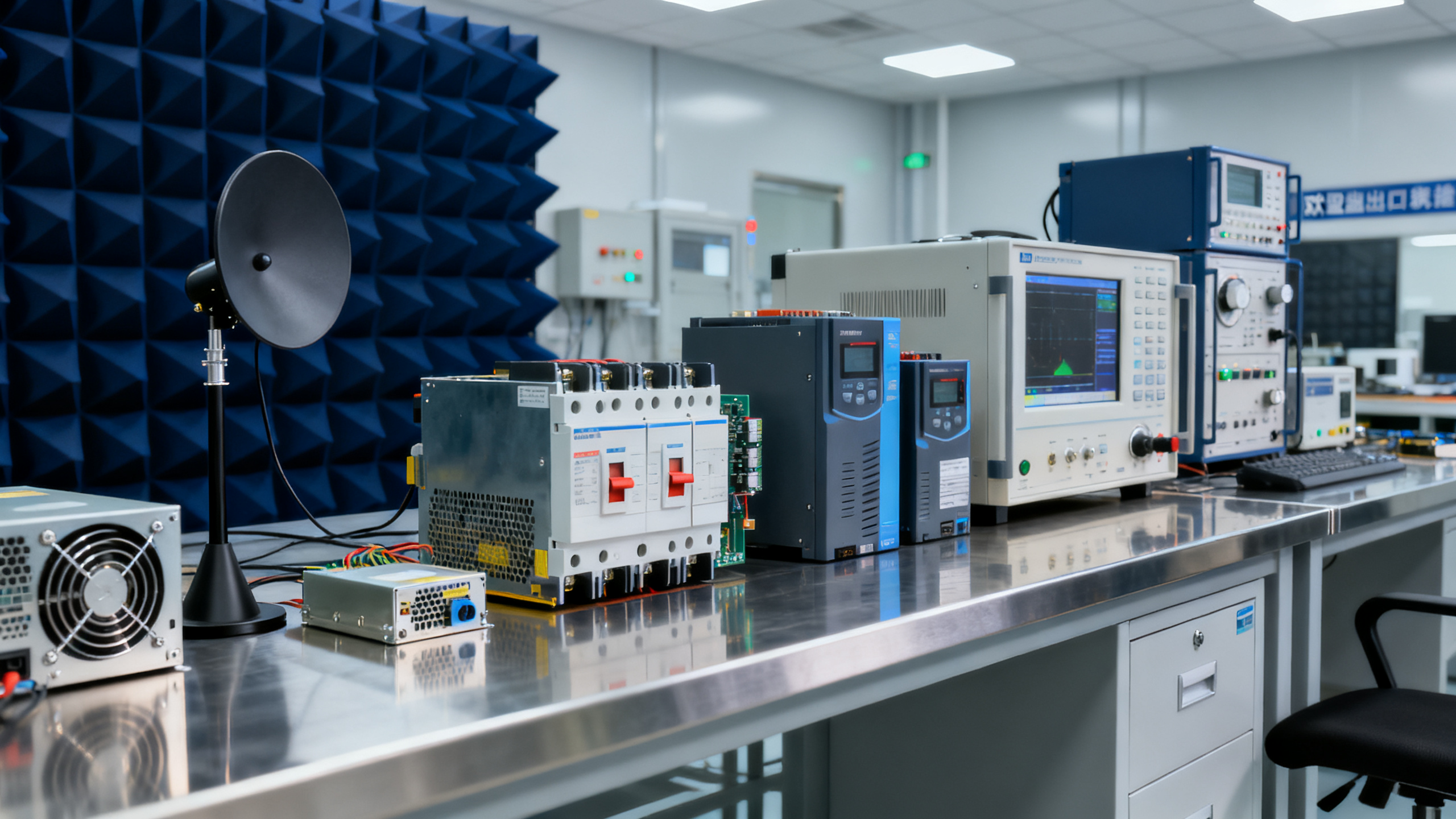
Review incoming inspection, in-process checks, dielectric tests, functional tests, heat-rise tests, calibration records, and final inspection reports.
A credible Electrical & Power manufacturer should provide serial traceability, material identification, and archived test documentation.
5. Evaluate supply chain resilience
Supply risk often sits upstream. A supplier may assemble well but depend on unstable component channels.
Ask which components are sourced from approved brands, what items have long lead times, and how substitutions are controlled and approved.
6. Check service, warranty, and documentation support
After-sales strength is critical for industrial continuity. Fast document support can prevent field delays during installation and inspection.
Confirm response time, spare parts availability, warranty terms, root-cause reporting, and remote troubleshooting capability.
Typical supplier categories and review focus
Not every Electrical & Power manufacturer should be evaluated in the same way. Review depth should reflect product complexity and operational consequence.
A practical review workflow
A structured process makes comparisons clearer and helps prevent decisions based on incomplete data.
- Define technical scope, standards, and operating conditions.
- Send a documented supplier questionnaire.
- Collect certificates, test reports, drawings, and references.
- Review commercial quote against technical submission.
- Conduct remote or on-site audit if project risk is high.
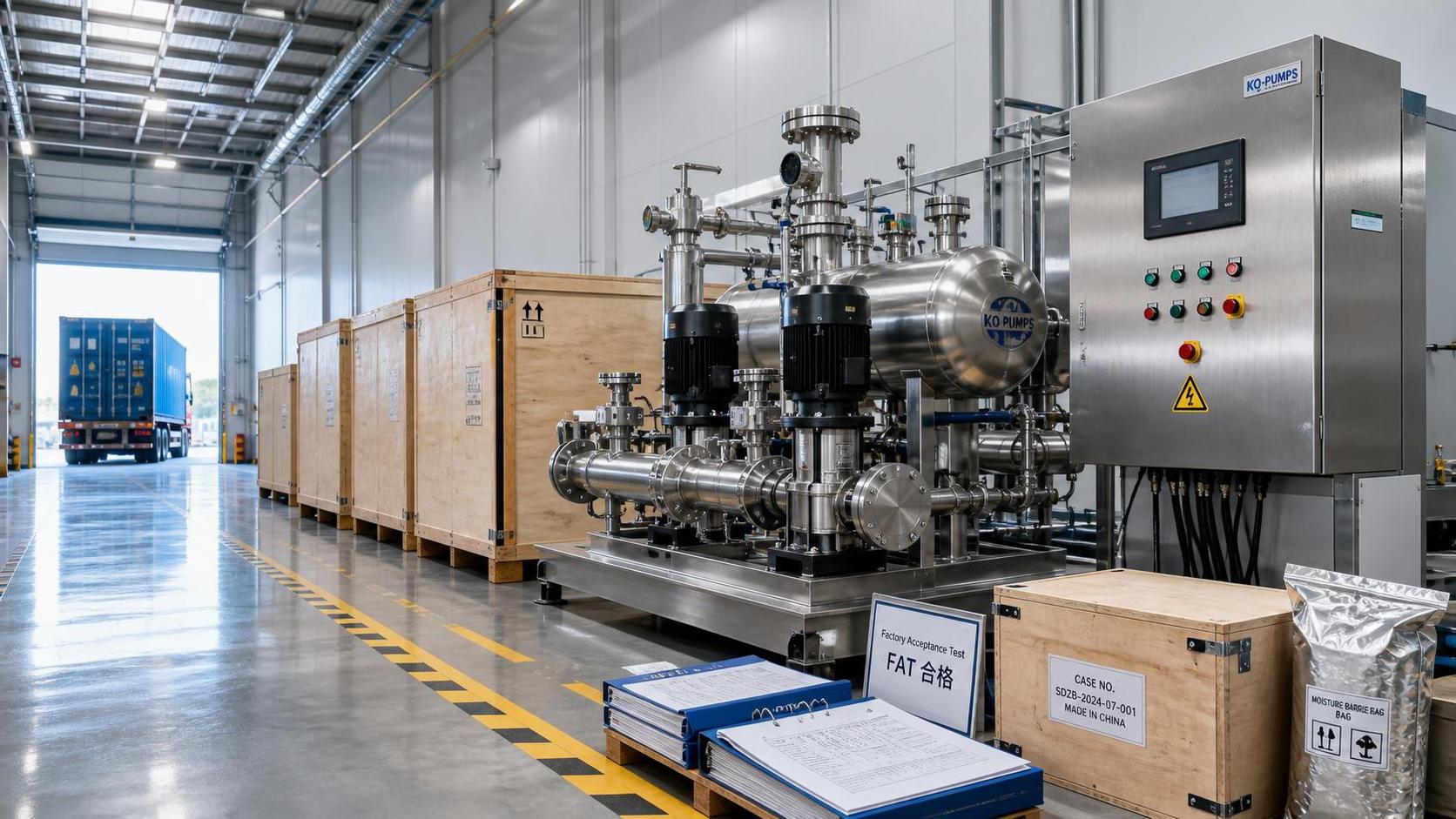
- Approve sample, pilot batch, or FAT plan before full release.
- Set inspection, packaging, delivery, and claim terms in writing.
This workflow helps identify whether an Electrical & Power manufacturer is merely responsive in sales or genuinely reliable in execution.
Common warning signs
Several red flags appear early if supplier control is weak. These signs should trigger deeper verification or exclusion.
- Certificates without matching model numbers or issuing details
- Large technical claims with limited test evidence
- Frequent material substitution language in quotations
- Unclear warranty exclusions or missing service contacts
- Reluctance to share quality procedures or production flow
- Very short lead times that conflict with product complexity
Practical next steps for confident ordering
The best way to vet an Electrical & Power manufacturer is to combine technical review, compliance checks, and operational evidence.
Build a simple scorecard covering certification, engineering, production, testing, supply chain, service, and documentation. Weight each factor by project criticality.
For larger or safety-sensitive orders, request a pilot batch, FAT witness plan, or pre-shipment inspection. These steps reveal execution quality before full exposure.
When comparing any Electrical & Power manufacturer, the strongest choice is rarely the lowest initial quote. It is the supplier that proves compliance, consistency, and support.
Use a documented evaluation process, keep technical records, and confirm requirements in writing. That approach reduces sourcing risk and supports long-term project reliability.
Technical Specifications
- How to Select Electronic Hotel Key Card Locks for Guest Rooms and Staff AreasAuthor :Safety Compliance Lead
- How to Select Lab Instruments for Reliable Chemical Analysis WorkflowsAuthor :Precision Metrology Expert
- How to Size a UPS for Server Rooms: Load, Runtime, and Redundancy FactorsAuthor :Grid Infrastructure Analyst
Expert Insights

Chief Security Architect
Dr. Thorne specializes in the intersection of structural engineering and digital resilience. He has advised three G7 governments on industrial infrastructure security.
Related Analysis
- Sep 17, 2026How to Select Electronic Hotel Key Card Locks for Guest Rooms and Staff AreasAuthor :Safety Compliance Lead
- Sep 16, 2026How to Select Lab Instruments for Reliable Chemical Analysis WorkflowsAuthor :Precision Metrology Expert
- Sep 15, 2026How to Size a UPS for Server Rooms: Load, Runtime, and Redundancy FactorsAuthor :Grid Infrastructure Analyst
Core Sector // 01
Security & Safety
- How to Size a UPS for Server Rooms: Load, Runtime, and Redundancy FactorsAuthor :Grid Infrastructure Analyst

- How to Choose a Step-Down Transformer for a Control Panel: Key Sizing FactorsAuthor :Grid Infrastructure Analyst

- How Often Should Overseas Power Systems Undergo Safety Inspections?Author :Grid Infrastructure Analyst

- How to Choose Panels for Extreme-Cold Industrial Sites?Author :Grid Infrastructure Analyst

- What Should a Cross-Border EPC Equipment Procurement Reference Include?Author :Grid Infrastructure Analyst

- How to Compare Low-Voltage Equipment for Panel IntegrationAuthor :Grid Infrastructure Analyst

- IEC-Compliant Power Infrastructure: Key Design and Verification RequirementsAuthor :Grid Infrastructure Analyst

- Updated EN 61000-6-4:2026 Raises EMC Compliance Bar for EU-Bound Industrial EquipmentAuthor :Grid Infrastructure Analyst