How to choose an electrical & power manufacturer that scales
Author
Date Published
Reading Time
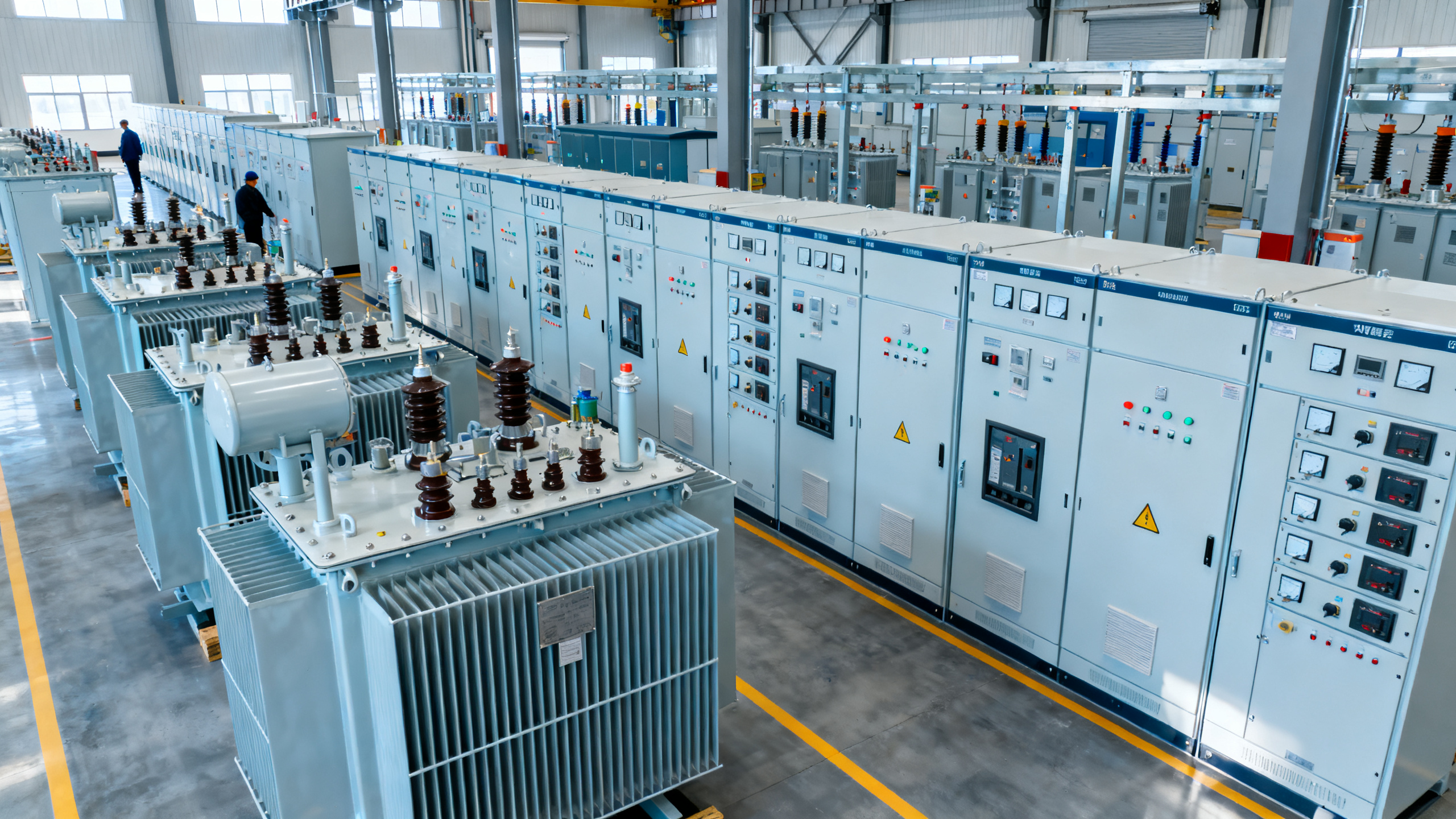
Choosing an Electrical & Power manufacturer that scales is not a simple volume decision. It affects uptime, compliance, project timelines, lifecycle cost, and the ability to expand safely across regions.
A strong partner must deliver certified products, stable lead times, engineering depth, and responsive after-sales support. In complex industrial environments, scalable manufacturing means predictable performance under changing load, regulation, and market pressure.
Why scaling needs differ by project and operating environment
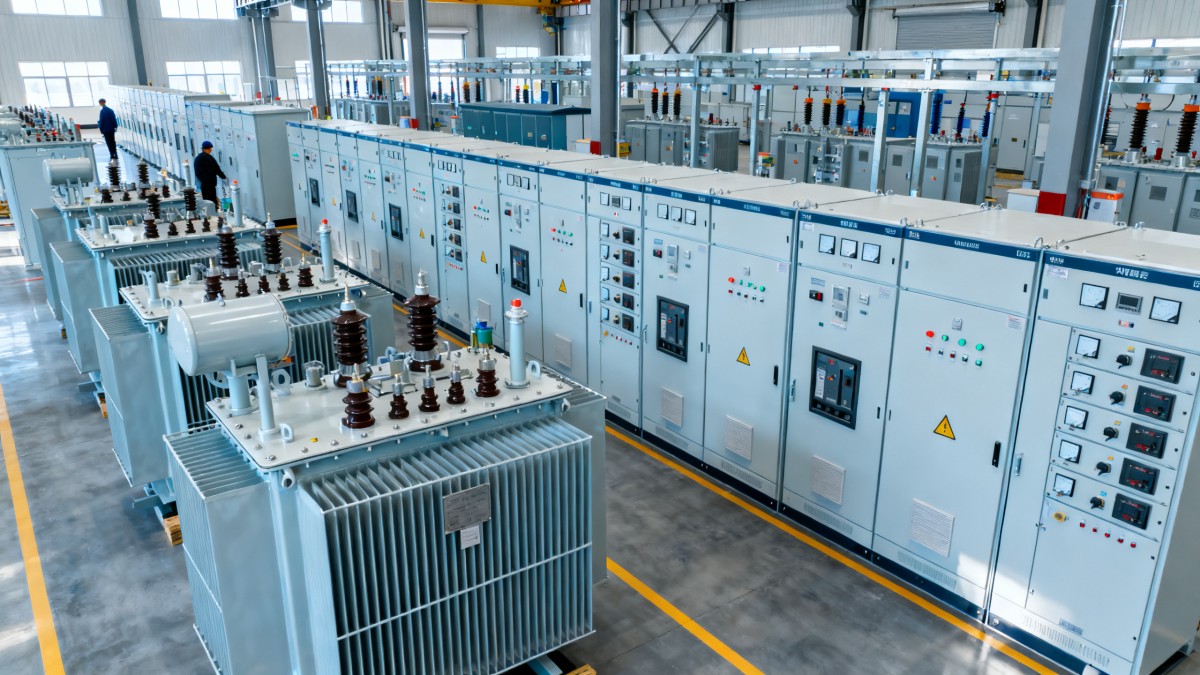
Not every expansion requires the same Electrical & Power manufacturer profile. A grid modernization project demands different capabilities than a factory retrofit or a renewable energy integration program.
The right evaluation starts with operating context. Voltage level, environmental exposure, certification needs, customization depth, and service expectations all shape the best sourcing decision.
In the broader industrial landscape, scaling also includes business continuity. A manufacturer may offer low pricing today, yet fail under sudden demand spikes, export restrictions, or component shortages.
Scenario one: large infrastructure and utility expansion
Utility and infrastructure programs require an Electrical & Power manufacturer with proven high-volume delivery discipline. Consistency across batches matters as much as technical specification.
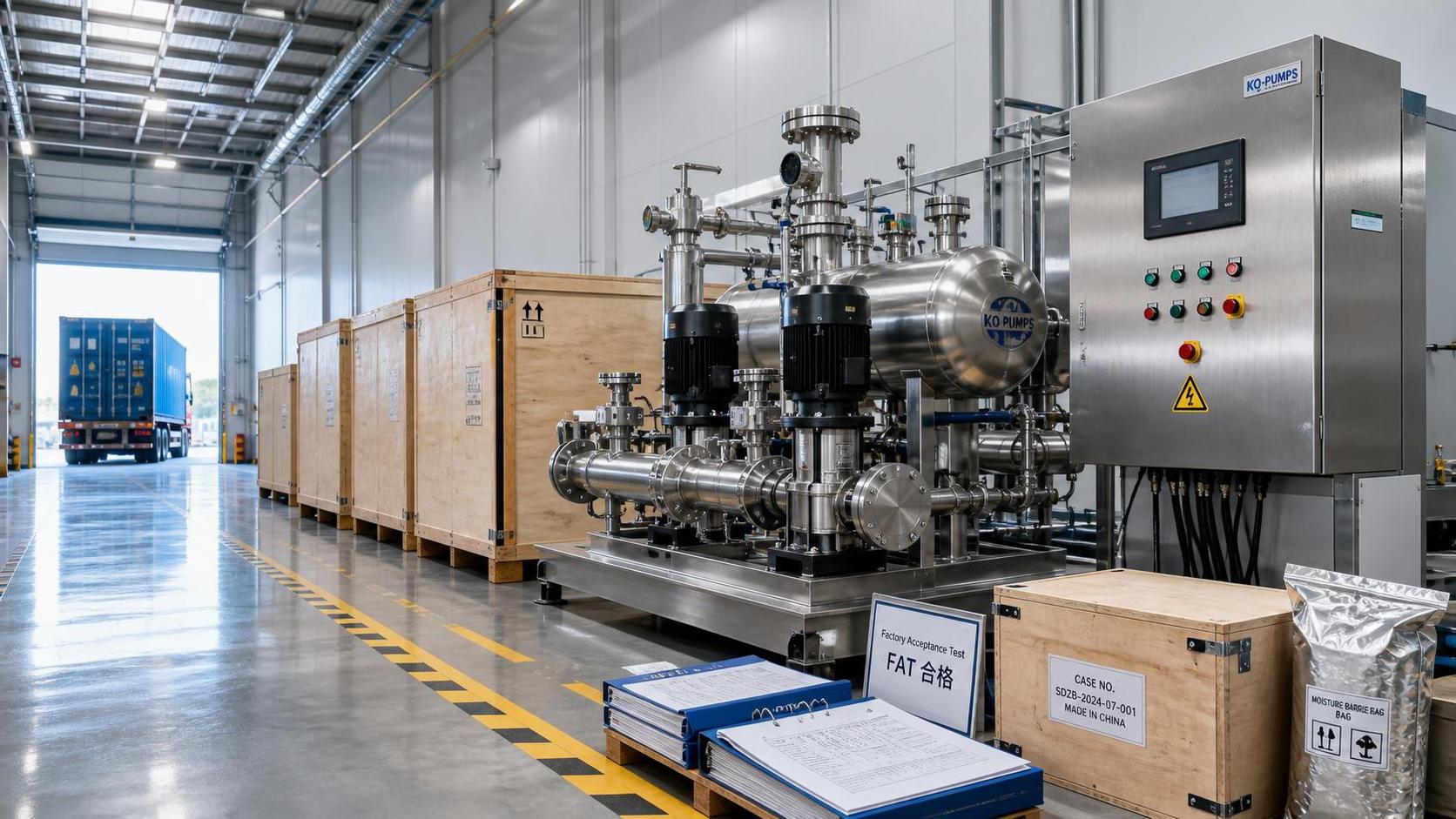
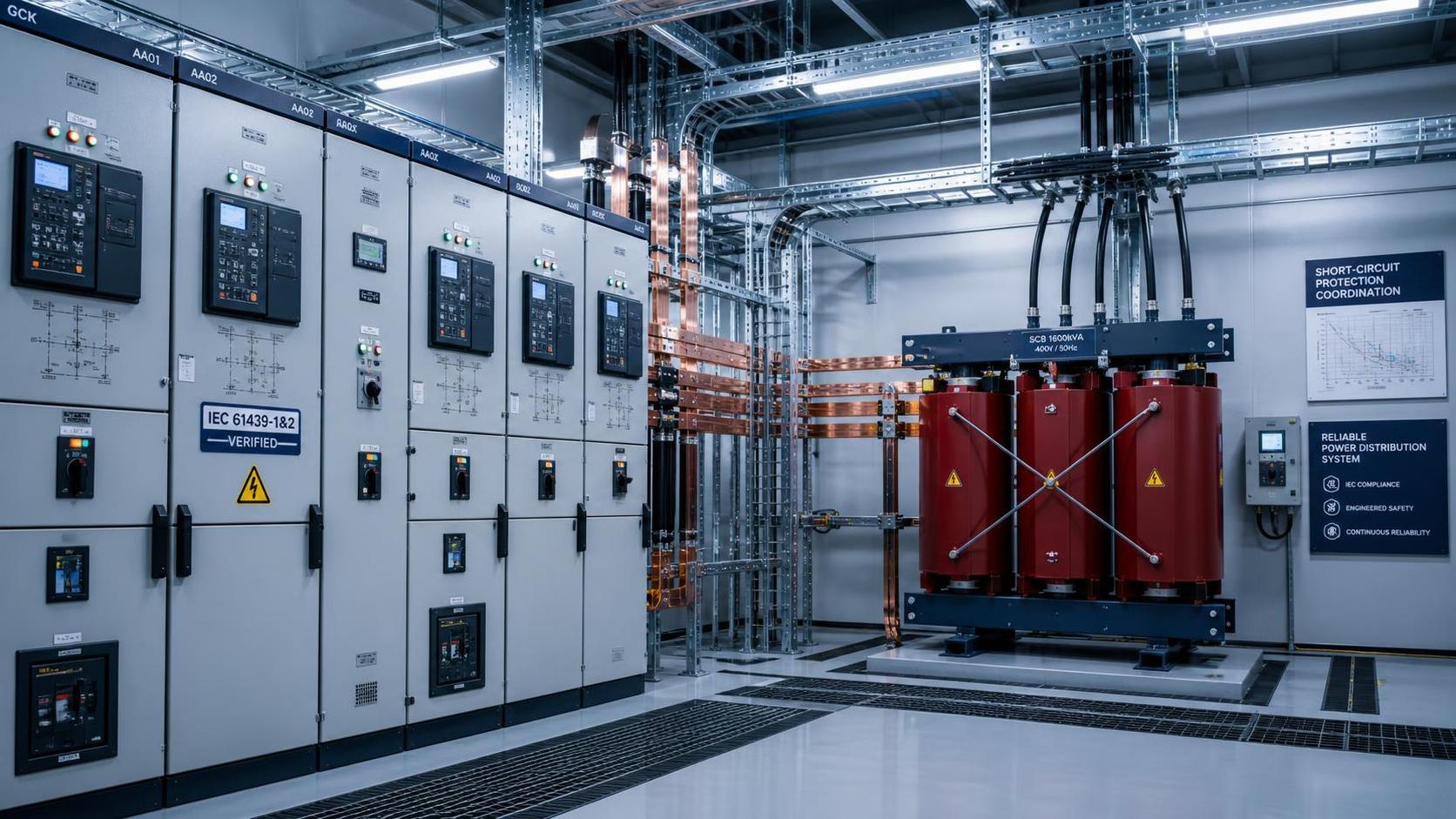
Here, key judgment points include transformer capacity, switchgear reliability, fault tolerance, test documentation, and regional compliance. Factory acceptance testing and traceability should be standard, not optional.
Look for production redundancy across facilities, documented quality systems, and logistics planning for oversized equipment. Delays in this scenario often create chain reactions across civil, mechanical, and commissioning schedules.
What matters most in this scenario
- Type test reports and international certifications
- Long-term component availability
- Project management and milestone visibility
- Regional service capability and spares planning
Scenario two: manufacturing plants adding capacity fast
Industrial expansions need an Electrical & Power manufacturer that can support rapid deployment without introducing operational instability. Speed matters, but controlled integration matters more.
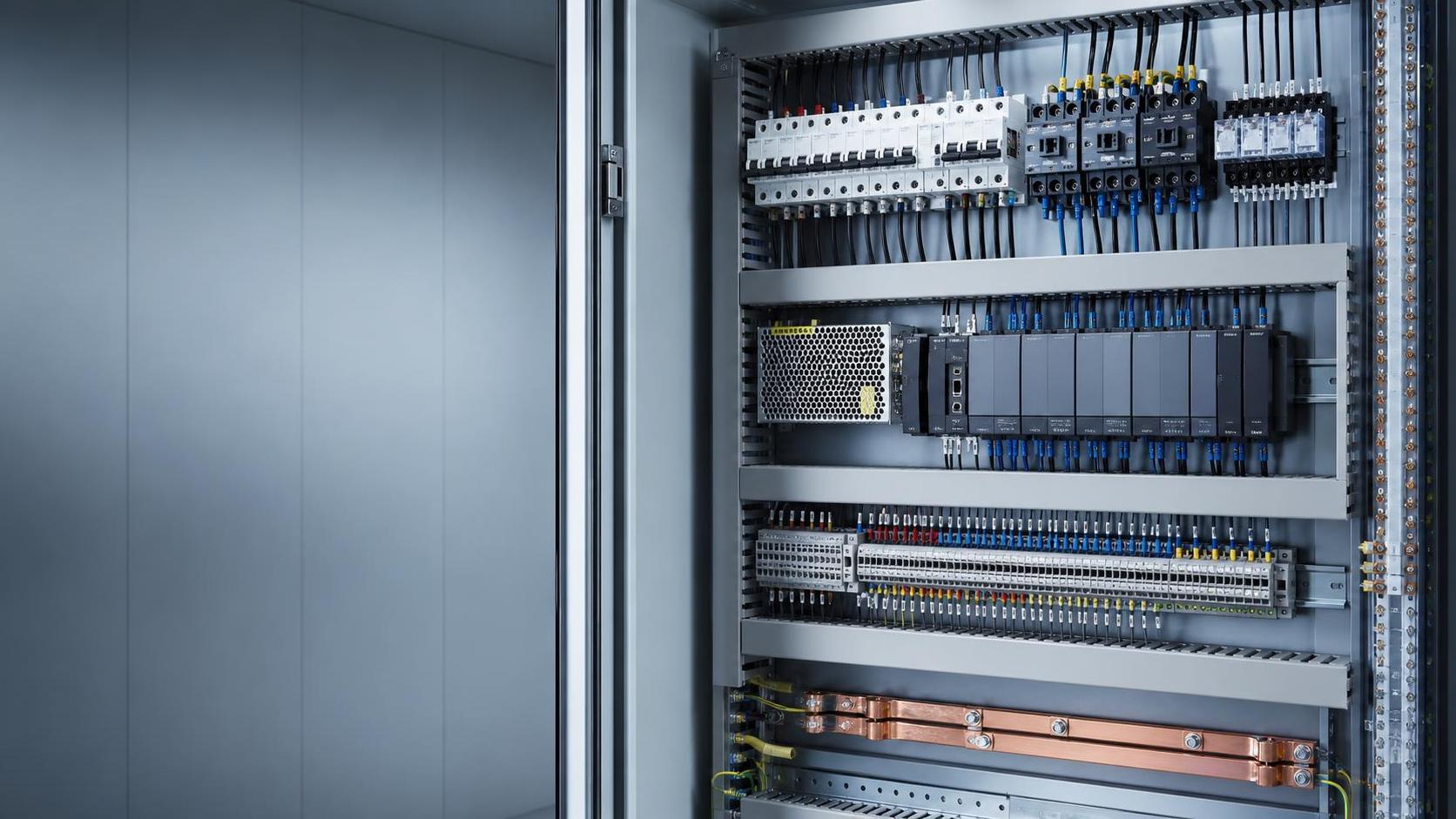
In plant upgrades, the focus shifts toward modular panels, motor control systems, protection coordination, energy efficiency, and compatibility with existing automation architecture.
A scalable partner should provide design reviews, load analysis support, and clear retrofit pathways. If new equipment cannot fit legacy conditions, downtime risk rises sharply.
Core judgment points for plant expansion
- Integration with installed systems and control platforms
- Fast customization with repeatable quality
- Energy monitoring and power quality options
- On-site commissioning support
Scenario three: renewable, hybrid, and distributed energy projects
Renewable integration creates a different scaling challenge. The Electrical & Power manufacturer must handle fluctuating generation, digital monitoring, and protection complexity across distributed assets.
In this scenario, interoperability becomes critical. Inverters, storage systems, protection relays, and grid interfaces must operate together under variable conditions and evolving standards.
A qualified Electrical & Power manufacturer should show successful references in hybrid systems, remote diagnostics capability, and firmware or controls support after delivery.
Signals of a scalable fit
- Experience with variable load and intermittent generation
- Communication protocol compatibility
- Remote service and diagnostics infrastructure
- Grid code and safety compliance knowledge
How scenario needs change the manufacturer selection criteria
The same Electrical & Power manufacturer may perform well in one context and poorly in another. A structured comparison prevents decisions based only on brochure claims or sample pricing.
This comparison helps define whether a supplier can truly scale with operational complexity. The goal is not just product supply, but resilient long-term fit.
Practical checks before choosing an Electrical & Power manufacturer
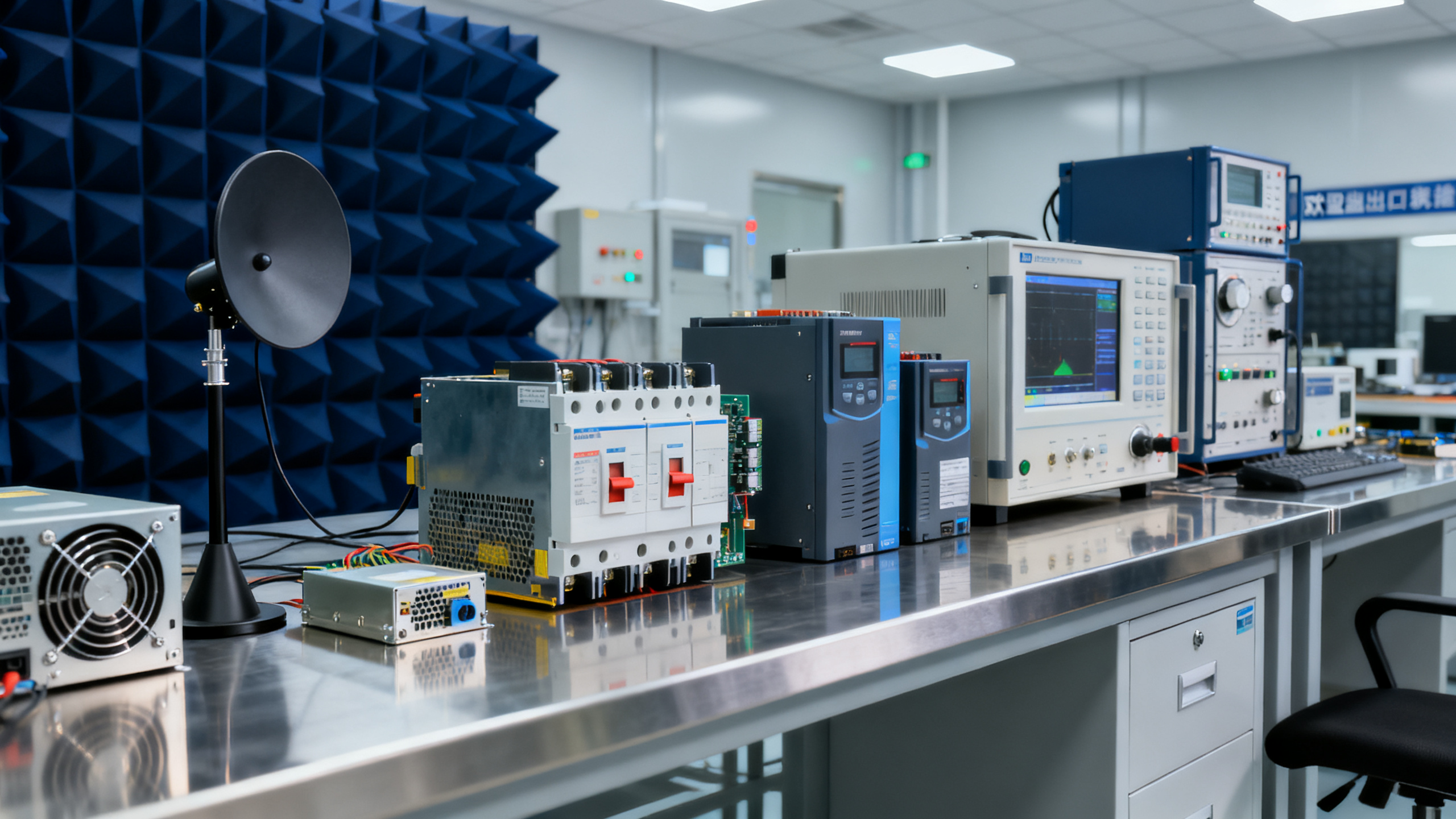
A capable Electrical & Power manufacturer should withstand deeper validation. Shortlisting should include operational, technical, compliance, and supply chain checks.
Verification checklist
- Confirm CE, UL, ISO, and product-specific certifications.
- Review test records, failure history, and corrective actions.
- Assess engineering response time for design changes.
- Check secondary sourcing for critical components.
- Request reference projects matching your load and environment.
- Evaluate warranty terms, spares policy, and field support.
These checks reveal whether the Electrical & Power manufacturer can support scaling under real operating pressure, not just in ideal sales presentations.
Recommended fit by operating condition
Selection improves when requirements are translated into operating conditions. This prevents overbuying in simple environments and underbuying in critical ones.
Common mistakes when judging scalability
One common error is equating factory size with real scalability. A large site does not guarantee disciplined scheduling, engineering flexibility, or stable sourcing of critical subcomponents.
Another mistake is ignoring service depth. An Electrical & Power manufacturer may ship globally, yet lack local troubleshooting, training, or replacement pathways during urgent failures.
Many decisions also overlook documentation quality. Missing drawings, incomplete certificates, or weak FAT records can slow approvals and create hidden commissioning risk.
Price-only evaluation is the most expensive mistake. Lower initial cost often leads to higher downtime exposure, rework, compliance gaps, and shorter equipment life.
What to do next for a confident manufacturer decision
Start by defining the real operating scenario, not just the product category. Then map load profile, environment, certification needs, expansion timeline, and service expectations.
Build a short evaluation matrix for each Electrical & Power manufacturer under review. Score technical fit, supply continuity, quality evidence, customization speed, and lifecycle support.
Request project-specific proof, including test reports, comparable references, and delivery plans. The best Electrical & Power manufacturer will respond with clear data, not general promises.
For organizations managing critical infrastructure, GIC-style sourcing intelligence adds value by validating compliance, technical credibility, and supplier resilience before commitments become costly.
When the selection process is grounded in scenario fit, the chosen Electrical & Power manufacturer becomes more than a vendor. It becomes a scalable platform for safer growth and stronger operational continuity.
Technical Specifications
- How to Select Electronic Hotel Key Card Locks for Guest Rooms and Staff AreasAuthor :Safety Compliance Lead
- How to Select Lab Instruments for Reliable Chemical Analysis WorkflowsAuthor :Precision Metrology Expert
- How to Size a UPS for Server Rooms: Load, Runtime, and Redundancy FactorsAuthor :Grid Infrastructure Analyst
Expert Insights

Chief Security Architect
Dr. Thorne specializes in the intersection of structural engineering and digital resilience. He has advised three G7 governments on industrial infrastructure security.
Related Analysis
- Sep 17, 2026How to Select Electronic Hotel Key Card Locks for Guest Rooms and Staff AreasAuthor :Safety Compliance Lead
- Sep 16, 2026How to Select Lab Instruments for Reliable Chemical Analysis WorkflowsAuthor :Precision Metrology Expert
- Sep 15, 2026How to Size a UPS for Server Rooms: Load, Runtime, and Redundancy FactorsAuthor :Grid Infrastructure Analyst
Core Sector // 01
Security & Safety
- How to Size a UPS for Server Rooms: Load, Runtime, and Redundancy FactorsAuthor :Grid Infrastructure Analyst

- How to Choose a Step-Down Transformer for a Control Panel: Key Sizing FactorsAuthor :Grid Infrastructure Analyst

- How Often Should Overseas Power Systems Undergo Safety Inspections?Author :Grid Infrastructure Analyst

- How to Choose Panels for Extreme-Cold Industrial Sites?Author :Grid Infrastructure Analyst

- What Should a Cross-Border EPC Equipment Procurement Reference Include?Author :Grid Infrastructure Analyst

- How to Compare Low-Voltage Equipment for Panel IntegrationAuthor :Grid Infrastructure Analyst

- IEC-Compliant Power Infrastructure: Key Design and Verification RequirementsAuthor :Grid Infrastructure Analyst

- Updated EN 61000-6-4:2026 Raises EMC Compliance Bar for EU-Bound Industrial EquipmentAuthor :Grid Infrastructure Analyst