How to vet an Electrical & Power manufacturer before buying
Author
Date Published
Reading Time
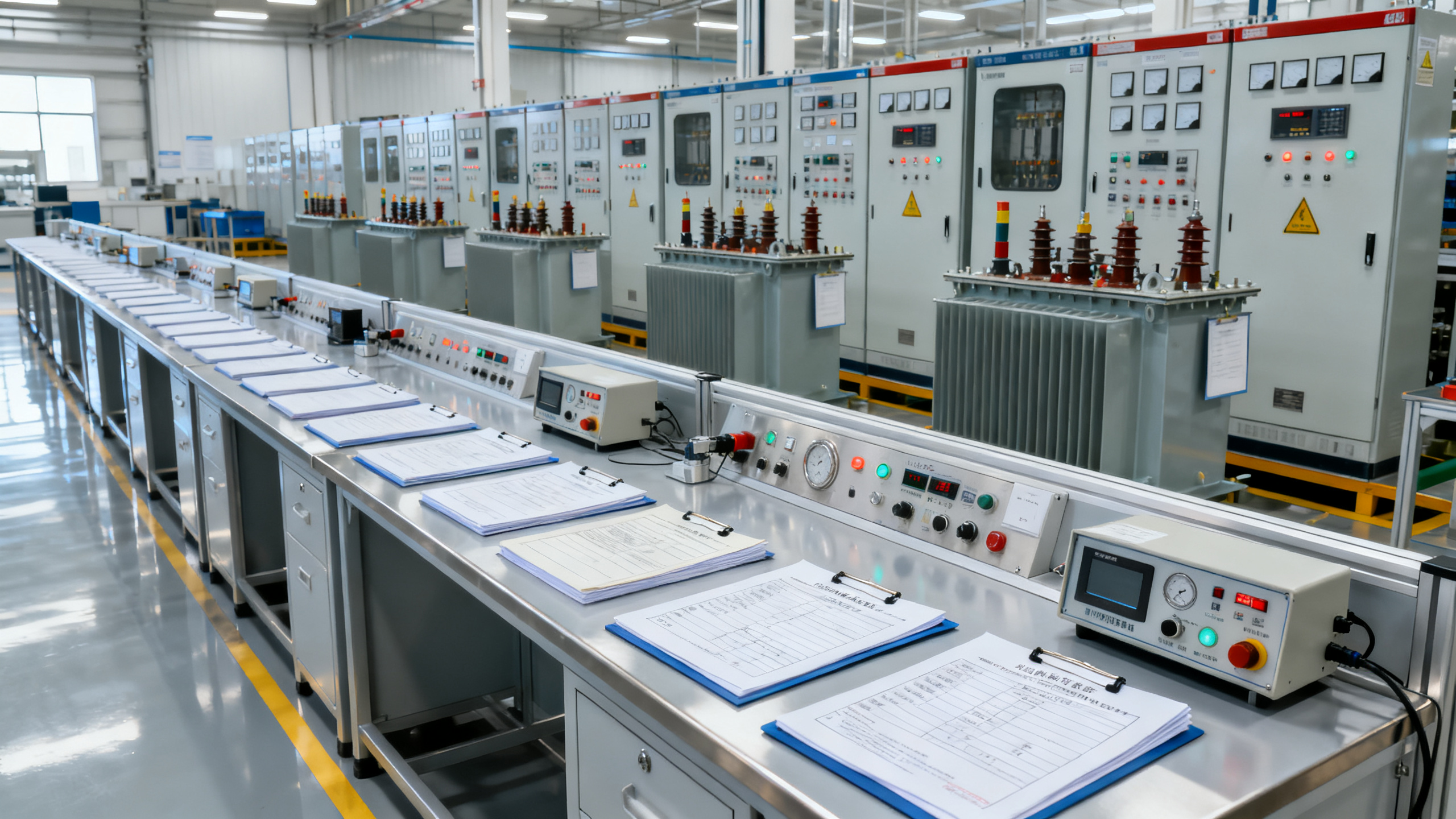
Choosing the right Electrical & Power manufacturer affects safety, uptime, regulatory compliance, and lifecycle cost. A low quote can hide weak testing, unstable lead times, or incomplete documentation.
In industrial and infrastructure projects, supplier approval should be evidence-based. A disciplined review of certifications, engineering depth, factory control, and support capacity reduces sourcing risk before contracts are signed.
Core Evaluation Framework for an Electrical & Power Manufacturer
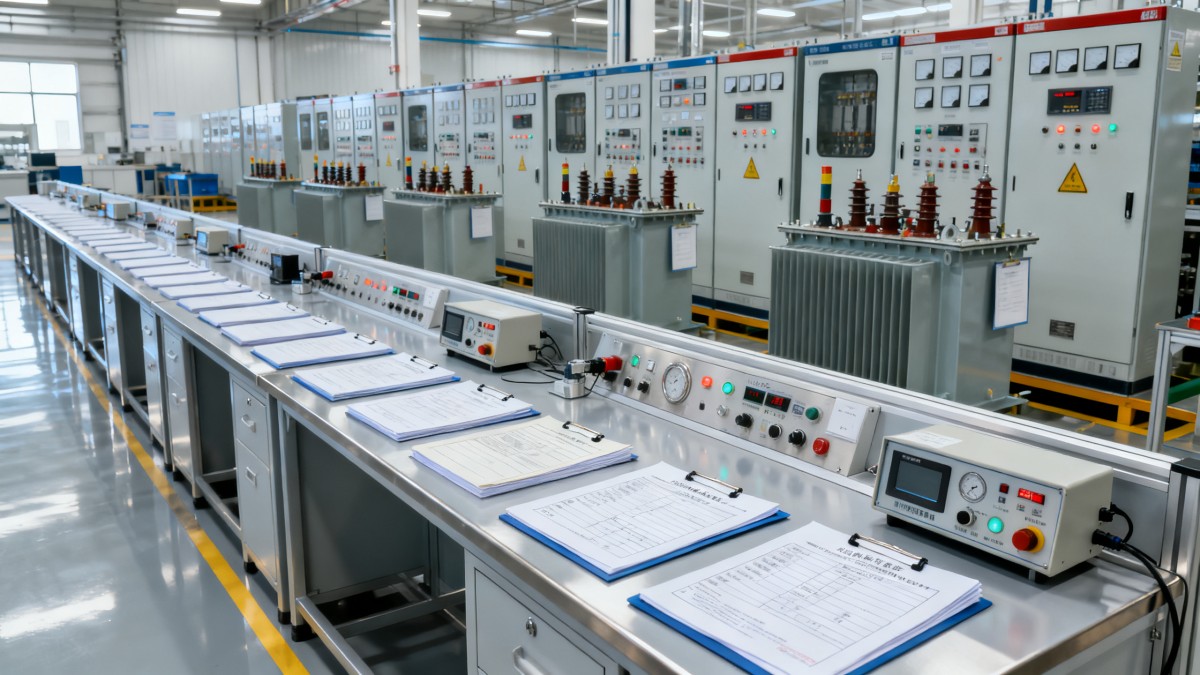
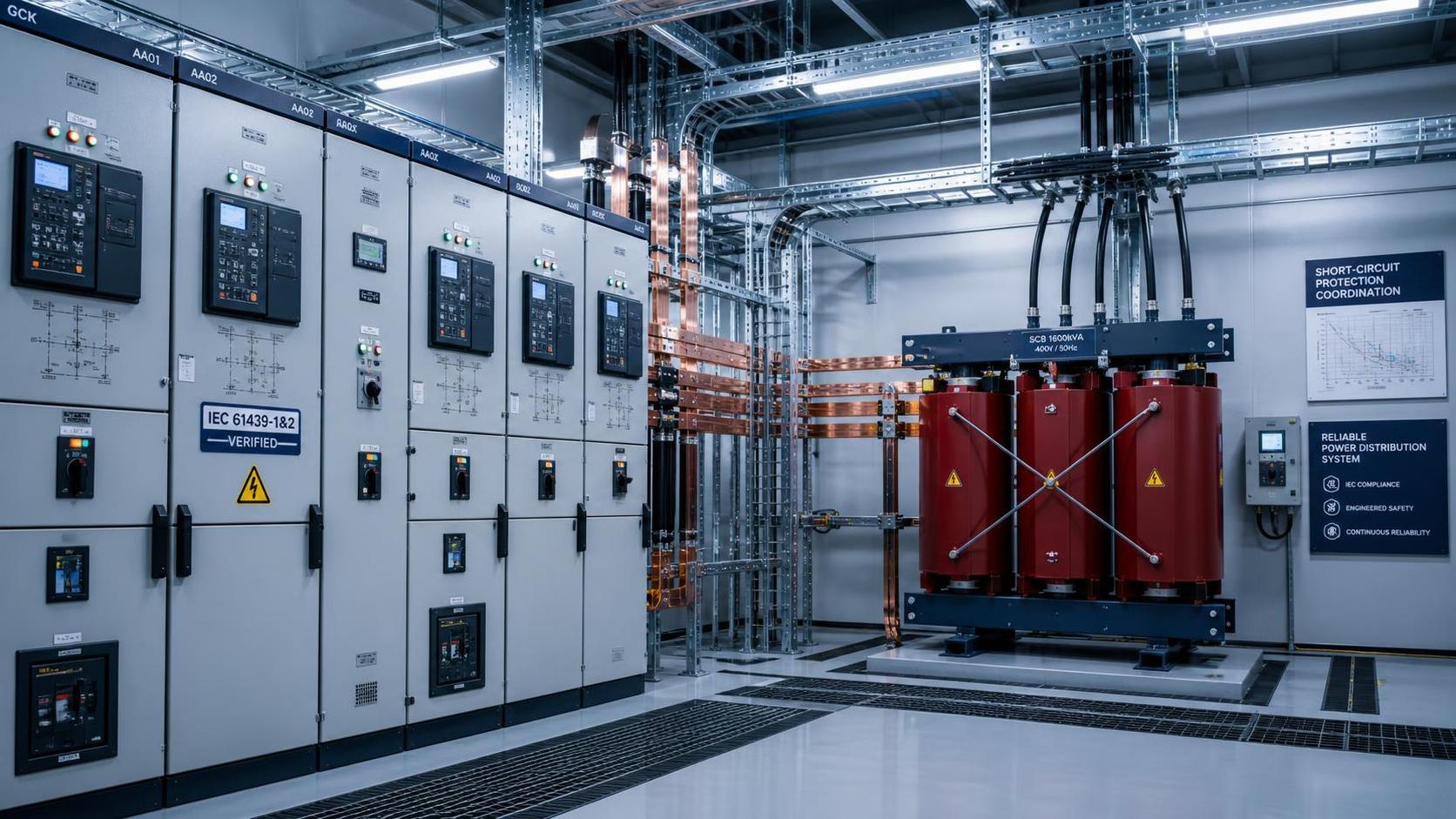
An Electrical & Power manufacturer may supply switchgear, transformers, control panels, cabling systems, protection devices, busbars, or power distribution assemblies.
Because these products operate inside critical systems, vetting must cover both product quality and organizational reliability. The goal is not only purchase approval, but long-term operational confidence.
What should be verified first
- Legal business registration and export capability
- Relevant certifications such as ISO 9001, ISO 14001, CE, UL, IEC, or local grid approvals
- Product scope and engineering specialization
- Factory audit readiness and document transparency
- Traceable quality records and test reports
A qualified Electrical & Power manufacturer should provide documents quickly, clearly, and consistently. Delays, mismatched certificates, or vague answers often indicate control gaps.
Standards, Certifications, and Compliance Signals
Compliance is the first serious filter. In Electrical & Power sourcing, unsupported claims can create installation failures, rejected inspections, or insurance exposure.
Review whether certifications match the exact product, voltage range, application environment, and market destination. A valid certificate for one model does not cover every configuration.
Ask for certificate numbers, issuing bodies, and expiration dates. Then verify them through official databases or direct confirmation from the certifier.
Manufacturing Capability and Engineering Depth
A capable Electrical & Power manufacturer should demonstrate more than assembly capacity. It should show control over design validation, materials, tooling, process stability, and change management.
This is especially important for custom panels, substations, protection systems, and grid-connected products. Engineering weakness often appears only after commissioning, when correction costs are highest.
Key factory questions
- Are design drawings reviewed under formal revision control?
- Which critical components are made in-house and which are outsourced?
- How are incoming materials inspected and approved?
- What routine tests, type tests, and final acceptance tests are performed?
- Can the factory support customization without extending risk beyond schedule?
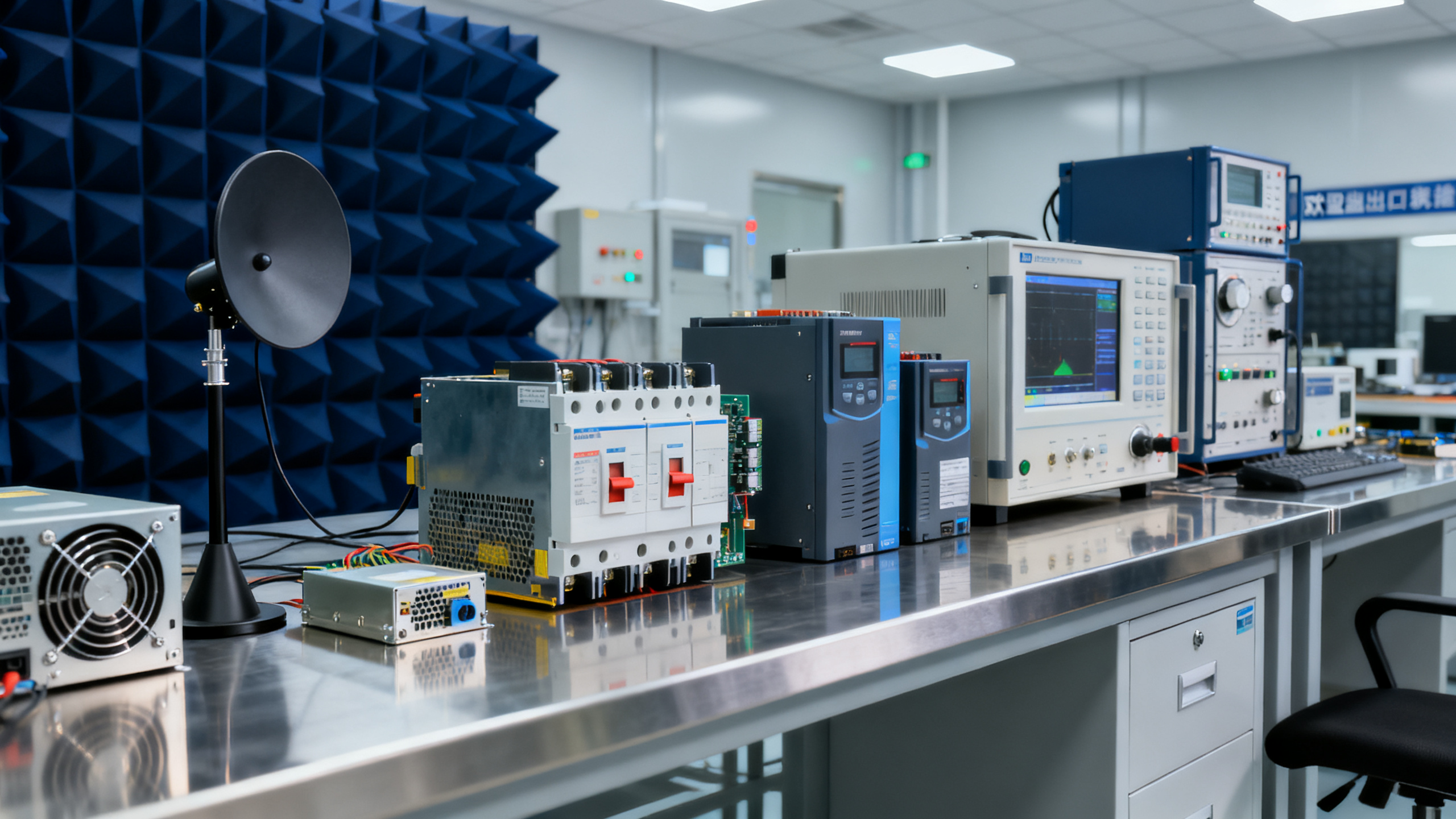
A strong Electrical & Power manufacturer usually maintains documented BOM control, calibrated test equipment, trained technicians, and engineering records linked to each production batch.
Quality Assurance, Testing, and Traceability
Quality cannot be judged from brochures. It must be visible in inspection plans, failure handling procedures, and historical performance data.
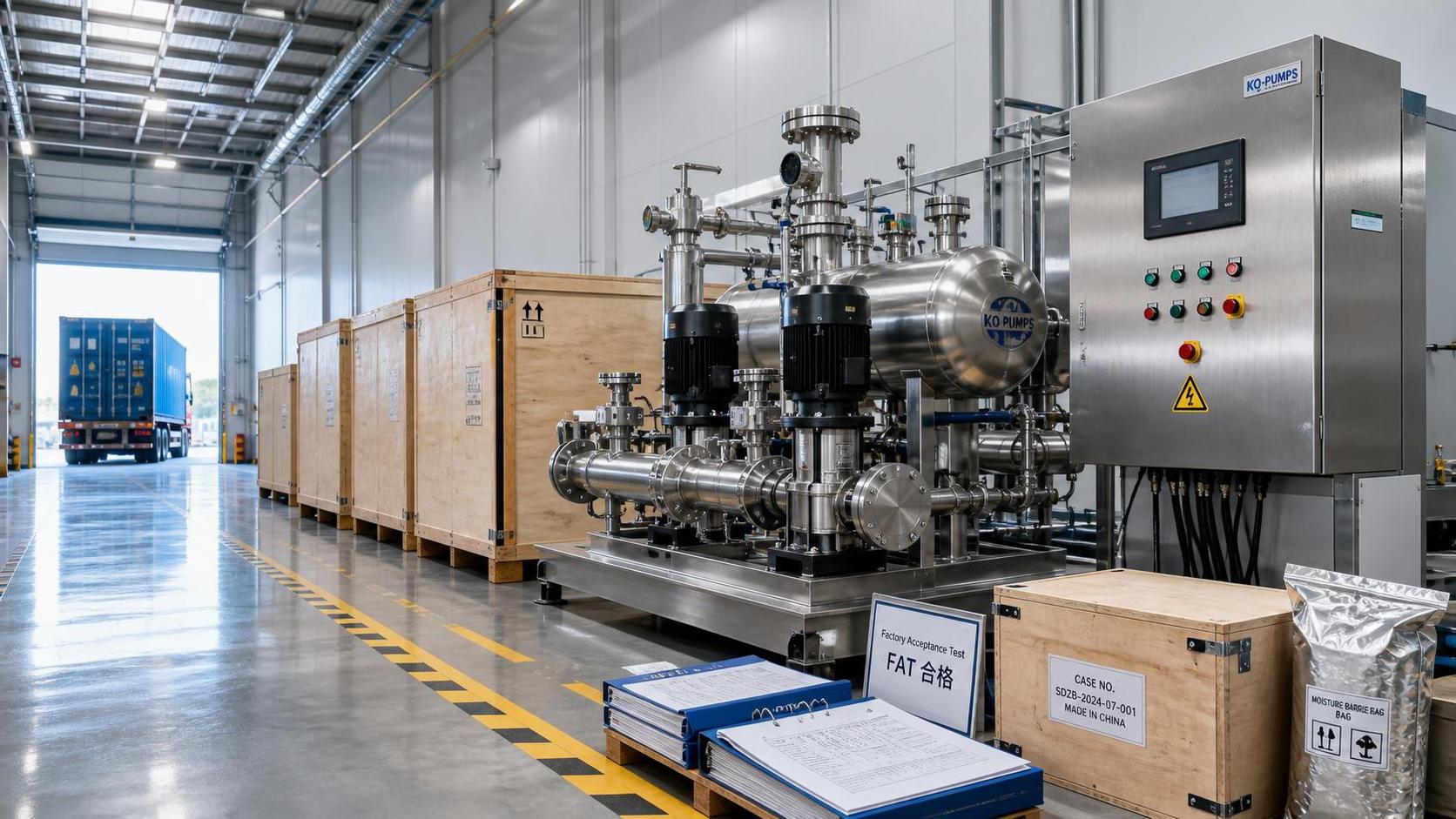
For any Electrical & Power manufacturer, ask for recent FAT reports, calibration logs, nonconformance records, and sample traceability sheets. These reveal whether control exists in practice.
Useful quality indicators
- Incoming inspection criteria for copper, insulation, breakers, relays, and enclosures
- In-process checkpoints for wiring, torque, labeling, and dielectric safety
- Documented final tests for continuity, insulation resistance, functional logic, and temperature rise where relevant
- Serial number traceability from raw material to shipment
- Corrective and preventive action records after customer complaints
If traceability stops at the finished unit, the risk remains high. Good traceability allows fast root-cause analysis and faster field resolution.
Supply Chain Stability and Delivery Reliability
Late delivery can delay energization, inspections, and handover milestones. Therefore, the right Electrical & Power manufacturer must be assessed for schedule realism, not only nominal lead time.
Check dependence on single-source components, especially semiconductors, breakers, relays, meters, and specialty insulation materials. Shortages in one item can stop an entire build.
Reliable suppliers provide milestone updates, inspection windows, and shipping documents in a structured format. That discipline often reflects broader operational maturity.
Commercial Terms, Lifecycle Support, and Ownership Cost
Price matters, but total ownership cost matters more. The lowest-cost Electrical & Power manufacturer can become the highest-cost option after failures, rework, or support delays.
Evaluate warranty terms, spare parts strategy, field support response, remote troubleshooting, and documentation quality. These elements directly affect uptime and maintenance planning.
Commercial details worth reviewing
- Warranty duration and exclusions
- Availability of spare parts for five to ten years
- Response time for technical queries and failures
- Clarity of manuals, schematics, and commissioning instructions
- Liability terms for nonconforming or delayed supply
A dependable Electrical & Power manufacturer should also define escalation contacts, service channels, and replacement timelines before the order is finalized.
Typical Supplier Categories and Fit-by-Scenario
Not every Electrical & Power manufacturer fits every project. Matching supplier profile to application reduces unnecessary risk and qualification delays.
Practical Vetting Steps Before Purchase Commitment
A structured approval path creates better decisions than informal comparison. It also improves internal alignment between technical, quality, and commercial review.
- Build a requirement list covering standards, ratings, environment, and documentation.
- Request a full supplier package from each Electrical & Power manufacturer.
- Verify certifications and compare test evidence against the exact product scope.
- Conduct a factory audit, remote or onsite, using a scored checklist.
- Review sample reports, lead times, and after-sales commitments before final approval.
When possible, start with a pilot order or a witness-tested unit. This approach helps confirm communication quality, document accuracy, and manufacturing consistency.
Next-Step Decision Path
Before selecting an Electrical & Power manufacturer, create a weighted scorecard covering compliance, engineering, quality, delivery, and service. Use evidence, not assumptions, in every scoring item.
Then shortlist suppliers that can prove fit for your technical and regulatory context. A disciplined vetting process protects project continuity and improves long-term asset reliability.
For complex industrial sourcing, strong supplier validation is not administrative overhead. It is a core control measure for safe, resilient, and cost-effective power infrastructure.
Technical Specifications
- How to Select Electronic Hotel Key Card Locks for Guest Rooms and Staff AreasAuthor :Safety Compliance Lead
- How to Select Lab Instruments for Reliable Chemical Analysis WorkflowsAuthor :Precision Metrology Expert
- How to Size a UPS for Server Rooms: Load, Runtime, and Redundancy FactorsAuthor :Grid Infrastructure Analyst
Expert Insights

Chief Security Architect
Dr. Thorne specializes in the intersection of structural engineering and digital resilience. He has advised three G7 governments on industrial infrastructure security.
Related Analysis
- Sep 17, 2026How to Select Electronic Hotel Key Card Locks for Guest Rooms and Staff AreasAuthor :Safety Compliance Lead
- Sep 16, 2026How to Select Lab Instruments for Reliable Chemical Analysis WorkflowsAuthor :Precision Metrology Expert
- Sep 15, 2026How to Size a UPS for Server Rooms: Load, Runtime, and Redundancy FactorsAuthor :Grid Infrastructure Analyst
Core Sector // 01
Security & Safety
- How to Size a UPS for Server Rooms: Load, Runtime, and Redundancy FactorsAuthor :Grid Infrastructure Analyst

- How to Choose a Step-Down Transformer for a Control Panel: Key Sizing FactorsAuthor :Grid Infrastructure Analyst

- How Often Should Overseas Power Systems Undergo Safety Inspections?Author :Grid Infrastructure Analyst

- How to Choose Panels for Extreme-Cold Industrial Sites?Author :Grid Infrastructure Analyst

- What Should a Cross-Border EPC Equipment Procurement Reference Include?Author :Grid Infrastructure Analyst

- How to Compare Low-Voltage Equipment for Panel IntegrationAuthor :Grid Infrastructure Analyst

- IEC-Compliant Power Infrastructure: Key Design and Verification RequirementsAuthor :Grid Infrastructure Analyst

- Updated EN 61000-6-4:2026 Raises EMC Compliance Bar for EU-Bound Industrial EquipmentAuthor :Grid Infrastructure Analyst