How to compare an Electrical & Power manufacturer reliably
Author
Date Published
Reading Time

Choosing an Electrical & Power manufacturer is a high-stakes decision for technical evaluators, where compliance, performance, and long-term reliability matter more than price alone.
A weak supplier can introduce safety exposure, downtime, rework, and costly approval delays across industrial projects.
A reliable comparison method helps separate polished sales claims from measurable engineering capability.
This guide explains how to compare an Electrical & Power manufacturer using verifiable criteria, practical scoring logic, and risk-focused review points.
What an Electrical & Power manufacturer should be evaluated for
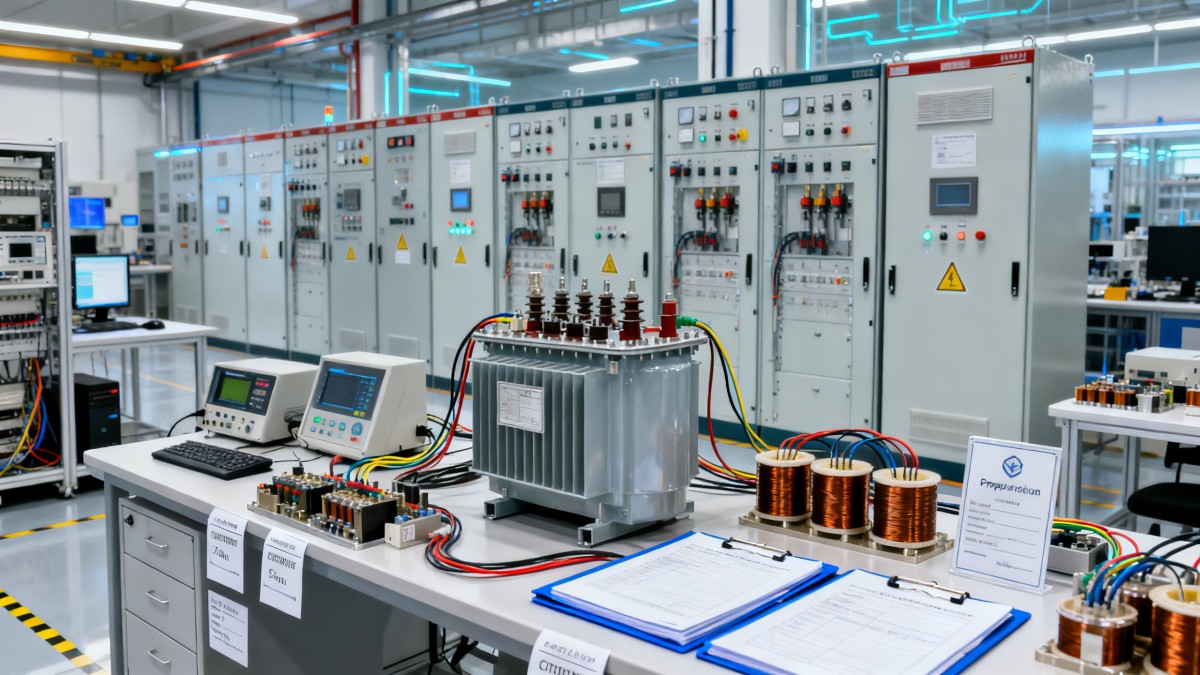
An Electrical & Power manufacturer supplies products or systems that distribute, control, convert, protect, or monitor electrical energy.
Typical categories include switchgear, transformers, protection devices, power distribution assemblies, cables, control panels, metering units, and grid-related components.
In industrial settings, comparison must go beyond catalog breadth.
The better question is whether an Electrical & Power manufacturer can deliver safe, certified, repeatable performance under real operating conditions.
That requires checking design discipline, material traceability, manufacturing control, testing rigor, and service responsiveness.
Core evaluation dimensions
- Regulatory compliance and certification validity
- Engineering depth and customization capability
- Type testing, routine testing, and documented quality control
- Supply chain stability and lead time consistency
- Field reliability, warranty handling, and lifecycle support
Current industry signals affecting supplier comparison
The market for industrial power equipment is changing quickly.
Electrification, digital monitoring, energy efficiency targets, and stricter safety enforcement are raising the baseline for supplier qualification.
As a result, every Electrical & Power manufacturer is now judged on resilience as much as unit performance.
These signals make superficial vendor comparison risky.
A dependable Electrical & Power manufacturer should provide evidence that survives engineering review, compliance checks, and field operation.
How to compare certifications, testing, and engineering evidence
Certifications are often the first filter, but they should never be the last one.
A credible Electrical & Power manufacturer should show valid certificates linked to exact products, not generic corporate documents.
Certification review points
- Check issuing body, scope, dates, and model coverage
- Confirm whether certification applies to assembled systems or only components
- Verify alignment with destination market requirements
- Request updated factory audit records where relevant
Testing review points
Testing quality often reveals the real maturity of an Electrical & Power manufacturer.
Look for a clear distinction between type tests, routine tests, and special tests.
- Type tests confirm design robustness under defined standards
- Routine tests confirm production consistency for each delivered unit
- Special tests address project-specific environmental or performance demands
Engineering evidence matters just as much.
Strong suppliers provide drawings, derating logic, thermal calculations, protection coordination inputs, and bill-of-material transparency when required.
Operational factors that determine long-term reliability
A technically acceptable quotation can still fail in execution.
That is why comparison should include manufacturing discipline and post-delivery reliability indicators.
Factory and process indicators
Ask for failure-rate trends, warranty claim handling time, and root-cause reporting examples.
A mature Electrical & Power manufacturer documents problems, fixes them systematically, and shares corrective actions clearly.
Typical supplier categories and comparison priorities
Not every Electrical & Power manufacturer should be compared using the same weight model.
The right evaluation depends on product criticality, installation environment, and lifecycle expectations.
This classification prevents unfair comparisons between low-complexity suppliers and high-responsibility system providers.
A practical method for scoring an Electrical & Power manufacturer
A weighted scorecard makes supplier review more objective.
It also creates an audit trail for internal approval and later supplier performance review.
Recommended scoring model
- Set mandatory gates for compliance, safety, and documentation completeness.
- Assign weighted scores to engineering, testing, delivery, quality, and support.
- Use evidence only, not verbal assurances.
- Apply penalties for unresolved deviations or missing traceability.
- Reassess after pilot orders or first project execution.
This framework keeps price in context.
For critical applications, the best Electrical & Power manufacturer is usually the one with the lowest operational risk, not the lowest quote.
Practical checks before final selection
Before approval, complete a final evidence review focused on execution risk.
- Match technical datasheets against approved project specifications
- Confirm certificate validity directly when needed
- Review sample test reports from similar ratings or configurations
- Request reference projects with comparable duty conditions
- Clarify spare parts availability and obsolescence policy
- Document deviation approvals in writing
If possible, combine desk review with a factory audit or remote process verification.
That extra step often exposes whether an Electrical & Power manufacturer truly operates at industrial-grade reliability.
Next-step framework for reliable supplier comparison
A reliable comparison process begins with a structured checklist and ends with documented evidence.
Define mandatory standards, rank risk-based criteria, and collect proof for every claim.
When comparing any Electrical & Power manufacturer, prioritize compliance, testing integrity, engineering transparency, and lifecycle support.
This approach improves decision quality, reduces hidden technical exposure, and supports more resilient industrial operations over time.
For deeper evaluation, build a supplier scorecard, request comparable project records, and verify every critical document before commitment.
Technical Specifications
- How to Select Electronic Hotel Key Card Locks for Guest Rooms and Staff AreasAuthor :Safety Compliance Lead
- How to Select Lab Instruments for Reliable Chemical Analysis WorkflowsAuthor :Precision Metrology Expert
- How to Size a UPS for Server Rooms: Load, Runtime, and Redundancy FactorsAuthor :Grid Infrastructure Analyst
Expert Insights

Chief Security Architect
Dr. Thorne specializes in the intersection of structural engineering and digital resilience. He has advised three G7 governments on industrial infrastructure security.
Related Analysis
- Sep 17, 2026How to Select Electronic Hotel Key Card Locks for Guest Rooms and Staff AreasAuthor :Safety Compliance Lead
- Sep 16, 2026How to Select Lab Instruments for Reliable Chemical Analysis WorkflowsAuthor :Precision Metrology Expert
- Sep 15, 2026How to Size a UPS for Server Rooms: Load, Runtime, and Redundancy FactorsAuthor :Grid Infrastructure Analyst
Core Sector // 01
Security & Safety
- How to Size a UPS for Server Rooms: Load, Runtime, and Redundancy FactorsAuthor :Grid Infrastructure Analyst

- How to Choose a Step-Down Transformer for a Control Panel: Key Sizing FactorsAuthor :Grid Infrastructure Analyst

- How Often Should Overseas Power Systems Undergo Safety Inspections?Author :Grid Infrastructure Analyst

- How to Choose Panels for Extreme-Cold Industrial Sites?Author :Grid Infrastructure Analyst

- What Should a Cross-Border EPC Equipment Procurement Reference Include?Author :Grid Infrastructure Analyst

- How to Compare Low-Voltage Equipment for Panel IntegrationAuthor :Grid Infrastructure Analyst

- IEC-Compliant Power Infrastructure: Key Design and Verification RequirementsAuthor :Grid Infrastructure Analyst

- Updated EN 61000-6-4:2026 Raises EMC Compliance Bar for EU-Bound Industrial EquipmentAuthor :Grid Infrastructure Analyst