How to Choose Panels for Extreme-Cold Industrial Sites?
Author
Date Published
Reading Time
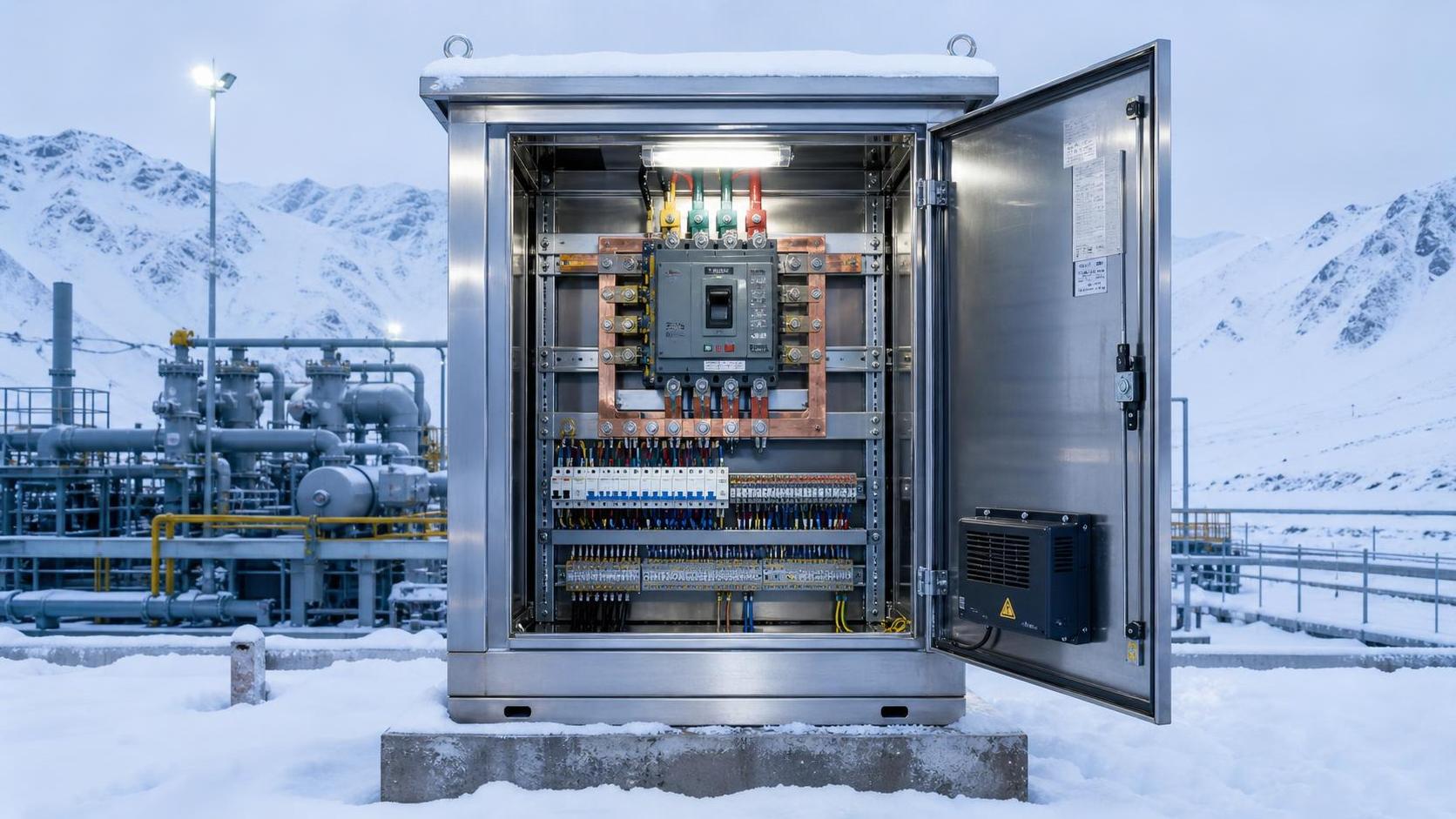
At an Arctic mine, a high-altitude compressor station, or an outdoor process unit in a continental winter, a power distribution panel is not merely a metal box with breakers. It is the point where available electrical energy becomes usable—and where a small weakness can turn into a frozen-door access problem, nuisance tripping, damaged insulation, or an unplanned shutdown.
So, how to choose power distribution panels for extreme cold climate industrial sites? Start by treating the panel as a complete operating system rather than a nameplate temperature rating. The enclosure, busbars, circuit breakers, wiring, anti-condensation measures, mounting location, load profile, and maintenance routine must work together at the lowest credible site temperature, not only on an average winter day.
For EPC contractors, facility managers, and procurement teams, the most dependable specification is one built around actual environmental exposure and operational consequences. A panel installed inside a heated electrical room has very different requirements from one mounted on an open pipe rack, beside a loading bay, or in an intermittently heated container.
FAQ: What makes extreme cold hard on a power distribution panel?
Low ambient temperature affects more than the steel enclosure. Plastics and elastomers can stiffen, crack, or lose their sealing performance. Lubricants in mechanical operating mechanisms may become viscous. Door gaskets can compress poorly. Condensation can form when a cold enclosure is exposed to warmer, humid air during maintenance, process upsets, or daily temperature cycling.
The problem is often intensified by the way industrial sites operate. A panel may remain energized but lightly loaded for days, allowing internal temperatures to fall close to ambient. Then a large motor, trace-heating circuit, or temporary construction load is switched on, creating thermal movement and electrical stress. A design that appears acceptable under stable conditions can reveal weaknesses during these transitions.
Cold also changes maintenance reality. Technicians wearing gloves need clear access to operating handles, terminals, labels, and lockout points. Ice accumulation, wind-driven snow, and brittle cable jackets can turn an ordinary inspection into a high-risk task. The best panel selection therefore considers serviceability as seriously as ampacity.
FAQ: What site information should be defined before comparing panel options?
Do not issue a generic request for an “outdoor low-temperature panel.” Build a site duty profile. This prevents suppliers from quoting a standard enclosure with assumptions that may not survive commissioning.
- Minimum design ambient temperature: Define the credible minimum at the installation point, including wind exposure where relevant. Use the project’s meteorological and engineering basis, not a regional average.
- Temperature cycling: Record likely transitions between cold ambient conditions and warm, humid air. Rapid cycling can be more damaging than steady cold.
- Location and exposure: Identify whether the panel is indoors, in a shelter, on an outdoor skid, in a hazardous area, or near washdown, salt spray, dust, vibration, and solar gain.
- Electrical duty: Establish voltage, frequency, continuous load, diversity assumptions, fault level, neutral loading, motor starting demand, harmonic content, and future feeder capacity.
- Operational access: Clarify whether energized work is prohibited, how often operators need local access, and whether the site can tolerate a panel being de-energized for corrective maintenance.
This information should flow into the datasheet, single-line diagram, enclosure schedule, and inspection plan. It is also the basis for a meaningful technical bid comparison; otherwise, two apparently similar offers may contain very different assumptions.
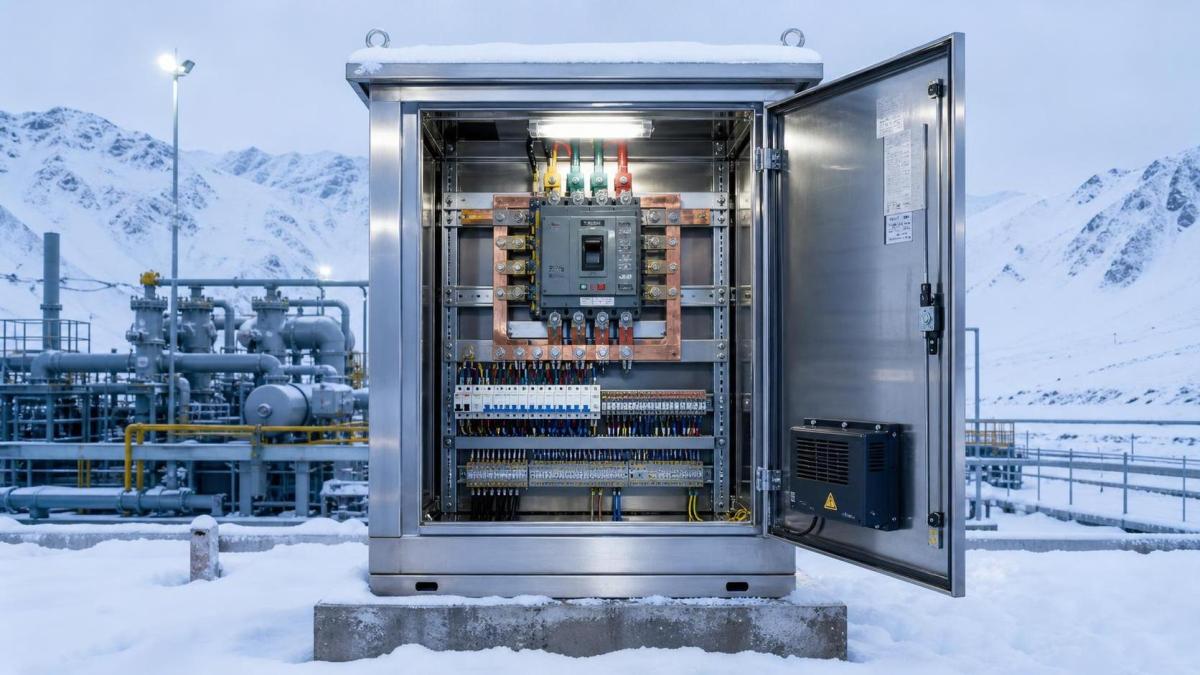
FAQ: Is an enclosure temperature rating enough?
No. An enclosure’s material and ingress-protection classification matter, but they do not confirm that every internal component is suitable for the same cold exposure. The panel is only as cold-capable as its least suitable element.
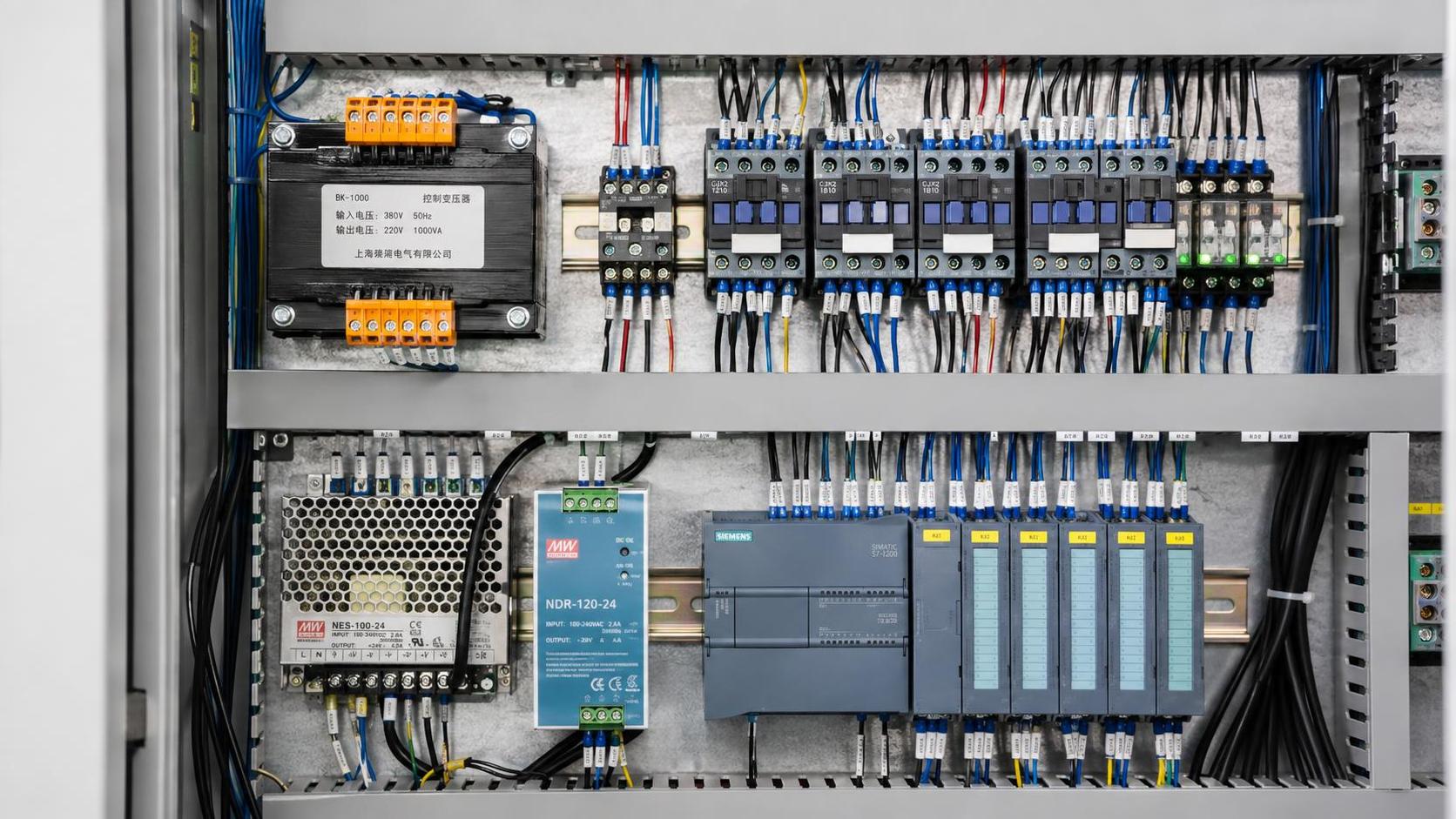
Review the temperature limits for circuit breakers, contactors, relays, meters, power supplies, surge protective devices, terminal blocks, HMI screens, batteries, wiring insulation, cable glands, and door-mounted accessories. Pay special attention to components with moving parts or polymeric housings. A breaker may have a published operating range that differs from its storage range, while an electronic meter may remain functional but display slowly or inaccurately outside its specified conditions.
Enclosure selection should also account for corrosion and impact. Painted carbon steel may be suitable in a protected, dry environment, while stainless steel, aluminum, or a suitably engineered non-metallic enclosure may be more appropriate in coastal, chemically exposed, or washdown areas. Material choice must still support bonding, mechanical protection, heat dissipation, and the site’s fire and impact requirements.
Ask practical questions: Will the gasket remain flexible at the design minimum? Can the door be opened without damaging hinges or seals? Are viewing windows, labels, and cable-entry systems rated for the same environment? A high IP or NEMA enclosure designation is valuable for ingress control, but it should not be interpreted as a universal cold-weather certification.
FAQ: When are panel heaters and thermostats necessary?
Heaters are frequently used in cold-climate distribution panels, but they solve a specific problem: internal moisture and condensation control. They are not a substitute for verifying the low-temperature operating limits of every component.
Small anti-condensation heaters can keep the internal temperature modestly above the dew point, reducing moisture deposition on insulation surfaces, terminals, and electronic devices. Their effectiveness depends on enclosure tightness, heater placement, ventilation strategy, heat losses, and thermostat or hygrostat settings. In a large, poorly insulated outdoor enclosure, an undersized heater may provide little real protection. In a compact sealed cabinet, excessive heat can shorten component life or create unwanted temperature gradients.
Specify the heater circuit as an engineered auxiliary load: define its supply source, protective device, wiring, isolation method, failure indication where operationally justified, and expected behavior after loss of normal power. If the panel supports critical equipment, consider whether the anti-condensation function needs backup supply or simply requires an alarm for operator response.
For severely cold applications, a heated, insulated, or conditioned electrical shelter may be more robust than trying to make every individual outdoor panel survive direct exposure. This option adds infrastructure, but it can simplify maintenance, improve electronic reliability, and reduce field work in unsafe weather.
FAQ: Which electrical ratings still need attention in subzero sites?
Cold weather does not remove the need for conventional distribution design discipline. The panel must be rated for the system voltage, busbar current, short-circuit withstand and interrupting duty, earthing arrangement, and intended load characteristics. Where fault levels are high, coordination between upstream and downstream protective devices remains essential.
However, cold sites introduce a few design traps. Trace heating can create long-duration seasonal demand. Motor loads may face higher mechanical starting torque. Battery chargers, control transformers, and DC supplies may experience changing load behavior. Temporary winter equipment can gradually consume spare ways that were intended for future process expansion.
Evaluate conductor sizing using the applicable code and the panel manufacturer’s verified assembly ratings. Cold ambient may improve conductor cooling in some cases, but it should never be used casually to justify a smaller design. Termination integrity, enclosure heat buildup under maximum load, grouping effects, and the manufacturer’s installation instructions still govern. Where variable-frequency drives, rectifiers, or large nonlinear loads are present, assess harmonics and neutral loading rather than assuming a conventional balanced-load profile.
FAQ: What standards should be requested?
The correct compliance route depends on jurisdiction, owner specifications, and the panel category. International projects commonly reference IEC 61439 for low-voltage switchgear and controlgear assemblies, while North American projects may require assemblies and components evaluated to applicable UL standards and local electrical-code requirements. Enclosure performance may also be specified through IEC ingress-protection classifications or NEMA enclosure types, depending on the project framework.
For environmental validation, project teams may refer to cold-test methods such as those within the IEC 60068 environmental testing series. The important point is not to collect standards names indiscriminately. Request evidence that relates to the actual assembly, component configuration, temperature range, and intended use.
A technically useful submittal package typically includes the assembly certification or verification documentation, component datasheets, short-circuit ratings, wiring diagrams, bill of materials, enclosure details, heater and thermostat information, routine-test records, and installation limitations. If the project requires CE marking, UL listing, CSA evaluation, or a local approval, confirm the exact scope early. A component approval does not automatically validate the finished panel assembly.
FAQ: Should panels be installed outdoors whenever possible?
Not necessarily. Outdoor placement can reduce cable runs and simplify process-area distribution, but it transfers environmental risk to the panel. The decision should be based on lifecycle impact rather than installation convenience alone.
If outdoor mounting is unavoidable, place the panel away from snowdrifts, direct spray, vehicle impact zones, discharge vents, and areas where doors cannot open safely. Provide a stable foundation, drainage, adequate working clearance, and cable-routing details that do not allow water to travel into the enclosure. A sunshield may be useful in locations with intense solar radiation and wide day-night swings, but it must not obstruct ventilation or maintenance access.
For exposed equipment, consider an outer weather hood or vestibule arrangement that allows an operator to open an access door without admitting blowing snow directly into the electrical compartment. Such details can appear minor during design review; in midwinter, they often determine whether a task can be completed safely and cleanly.
FAQ: What should procurement teams ask suppliers before award?
A strong technical clarification process is more valuable than broad claims of “Arctic grade” or “winterized.” Ask the supplier to state the minimum operating ambient for the complete assembly and identify any component that has a higher limitation. Require confirmation of how condensation is managed, whether heaters are factory wired and tested, and what auxiliary power they require.
Request drawings showing internal layout, cable entry, gland plate material, clearances, earthing points, door interlocks, and available spare capacity. Ask for the panel’s short-circuit rating in the proposed configuration, not a maximum rating that applies only with a different upstream protective device. Confirm the field replacement process for breakers, meters, and heaters, particularly if the site is remote and spare parts may take weeks to arrive.
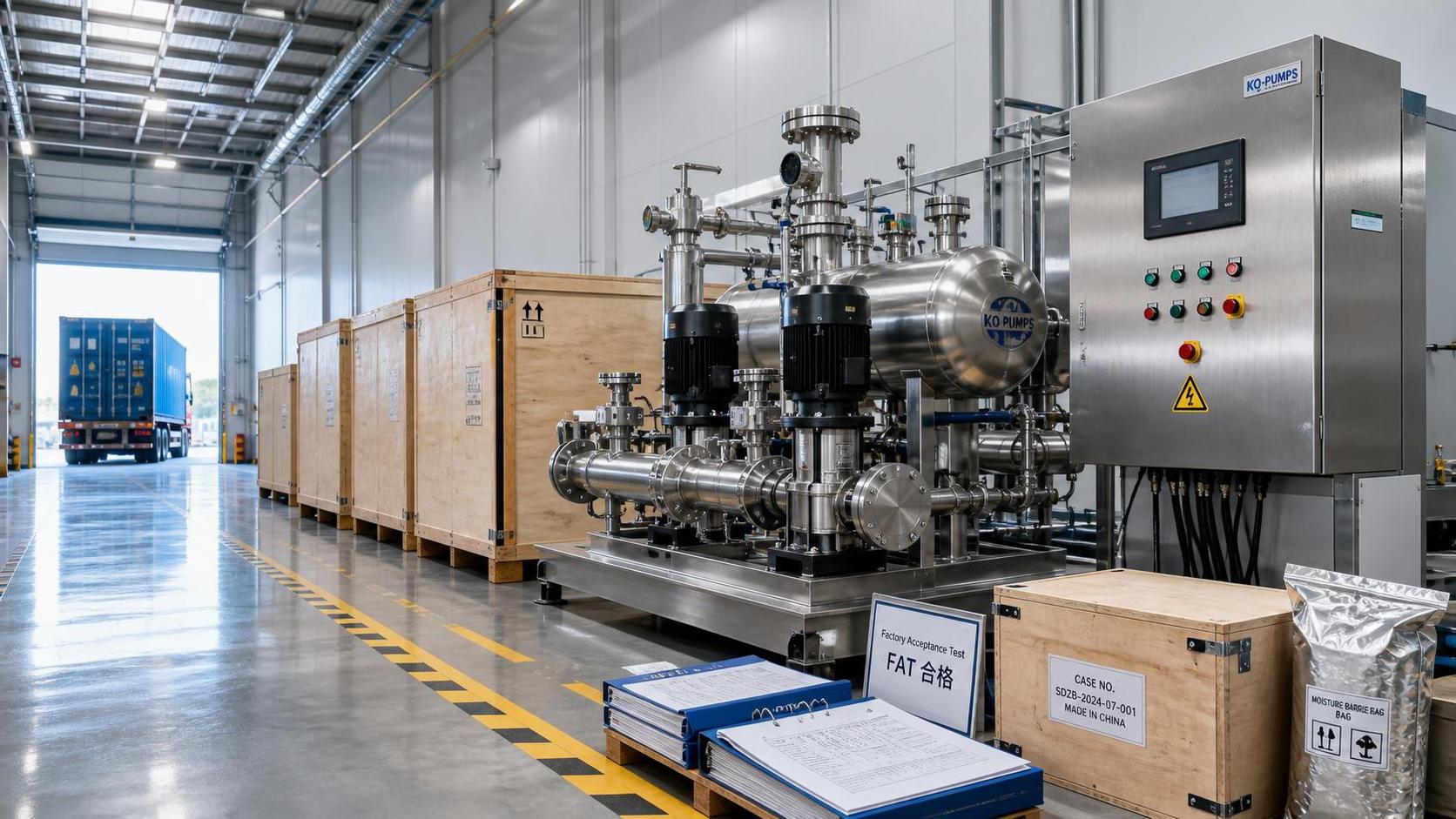
Factory acceptance testing should verify wiring, protective-device settings where applicable, functional interlocks, indication, and insulation-related checks required by the governing standard. For a critical low-temperature application, the owner may also request a review of cold-environment design assumptions or additional environmental testing when justified by risk. The scope should be defined before manufacturing, not negotiated after delivery.
FAQ: What maintenance plan protects reliability after installation?
Cold-climate panel reliability is preserved through observation, not guesswork. Before winter, inspect gaskets, door latches, cable glands, space heaters, thermostat operation, bonding connections, labels, and signs of corrosion. Verify that drain or breather arrangements, if used, are clean and compatible with the enclosure’s environmental protection strategy.
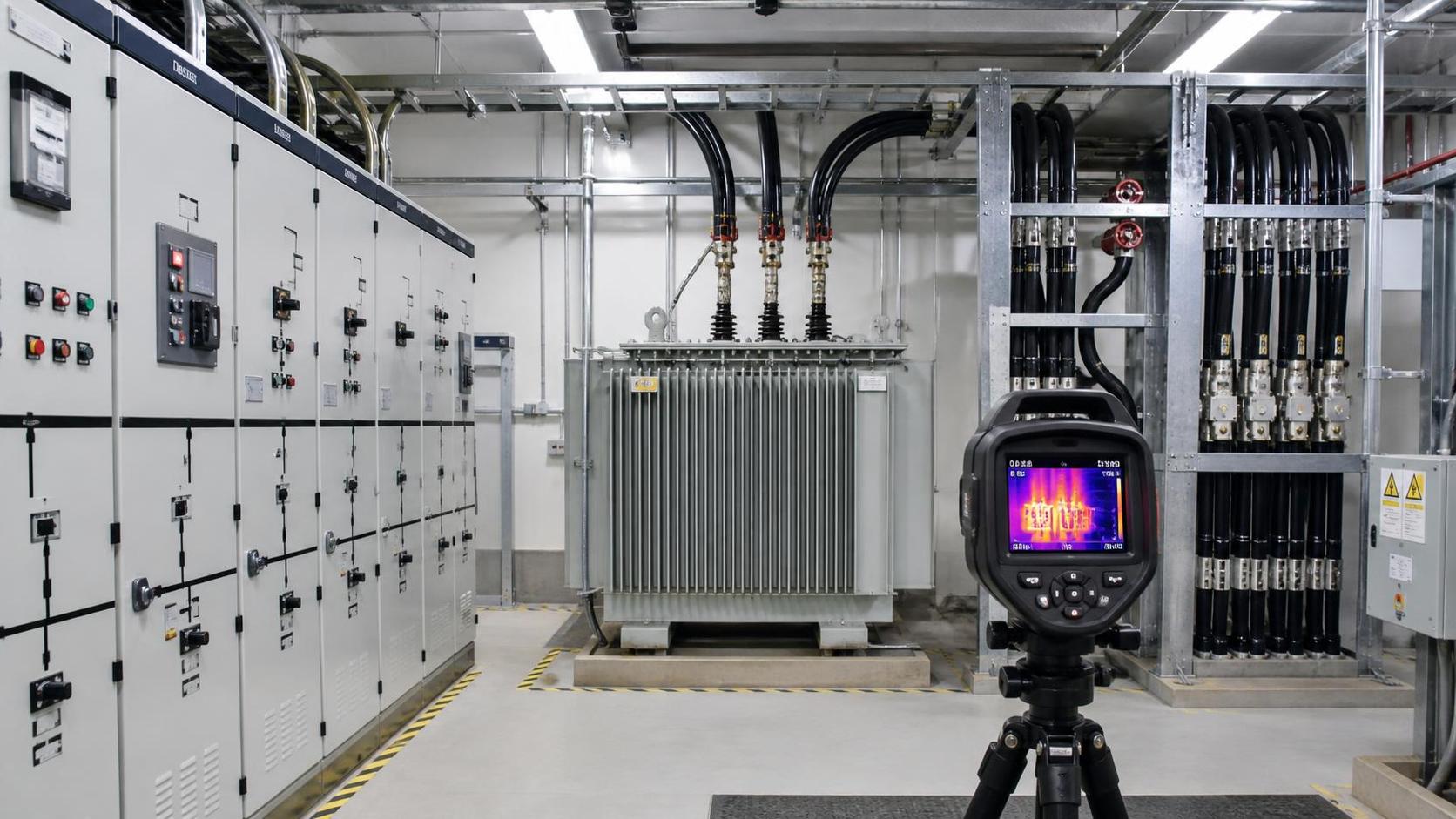
During operation, use thermographic inspections only under safe, representative load conditions and follow site electrical-safety procedures. Look for abnormal heating at busbar joints, terminations, breakers, and neutral connections. A cold exterior does not guarantee healthy internal connections; poor joints still generate heat, and temperature contrast can make early warning signs easier to miss.
After a severe weather event or unplanned outage, inspect for moisture, ice intrusion, damaged seals, and alarms associated with heater circuits or control power. Record findings by panel location. Over time, these records reveal whether a problem is isolated or points to a broader installation issue, such as poor cable-entry practice or inadequate shelter design.
FAQ: What is the most common selection mistake?
The most common mistake is selecting a panel from a catalog based on current rating and enclosure type, then treating low-temperature suitability as a minor accessory requirement. In extreme cold, every interface matters: the gasket against the door, the heater against the enclosure volume, the breaker mechanism within its operating range, the gland around the cable, and the technician standing outside in wind and snow.
A better approach is to define the environmental duty, validate the complete assembly, and design for inspection and repair from the beginning. For industrial operators, that effort is not paperwork. It is a practical way to protect uptime, personnel, and critical assets when the environment is least forgiving.
Technical Specifications
- How to Select Electronic Hotel Key Card Locks for Guest Rooms and Staff AreasAuthor :Safety Compliance Lead
- How to Select Lab Instruments for Reliable Chemical Analysis WorkflowsAuthor :Precision Metrology Expert
- How to Size a UPS for Server Rooms: Load, Runtime, and Redundancy FactorsAuthor :Grid Infrastructure Analyst
Expert Insights

Chief Security Architect
Dr. Thorne specializes in the intersection of structural engineering and digital resilience. He has advised three G7 governments on industrial infrastructure security.
Related Analysis
- Sep 17, 2026How to Select Electronic Hotel Key Card Locks for Guest Rooms and Staff AreasAuthor :Safety Compliance Lead
- Sep 16, 2026How to Select Lab Instruments for Reliable Chemical Analysis WorkflowsAuthor :Precision Metrology Expert
- Sep 15, 2026How to Size a UPS for Server Rooms: Load, Runtime, and Redundancy FactorsAuthor :Grid Infrastructure Analyst
Core Sector // 01
Security & Safety
- How to Size a UPS for Server Rooms: Load, Runtime, and Redundancy FactorsAuthor :Grid Infrastructure Analyst

- How to Choose a Step-Down Transformer for a Control Panel: Key Sizing FactorsAuthor :Grid Infrastructure Analyst

- How Often Should Overseas Power Systems Undergo Safety Inspections?Author :Grid Infrastructure Analyst

- How to Choose Panels for Extreme-Cold Industrial Sites?Author :Grid Infrastructure Analyst

- What Should a Cross-Border EPC Equipment Procurement Reference Include?Author :Grid Infrastructure Analyst

- How to Compare Low-Voltage Equipment for Panel IntegrationAuthor :Grid Infrastructure Analyst

- IEC-Compliant Power Infrastructure: Key Design and Verification RequirementsAuthor :Grid Infrastructure Analyst

- Updated EN 61000-6-4:2026 Raises EMC Compliance Bar for EU-Bound Industrial EquipmentAuthor :Grid Infrastructure Analyst