How Often Should Overseas Power Systems Undergo Safety Inspections?
Author
Date Published
Reading Time
How often should electrical safety inspections be done for overseas power distribution systems? There is no single interval that works everywhere. A low-load indoor switchboard in a clean, controlled environment needs a different program from a coastal substation, a mining site, or a factory running continuous heavy loads. Local legal requirements set the minimum, but equipment condition and operating risk should determine how often critical assets are actually checked.
A practical baseline is simple: conduct routine visual checks monthly or quarterly, perform a documented electrical inspection at least once a year, and arrange more detailed testing every one to three years depending on the system's voltage, age, environment, and failure history. Systems exposed to heat, moisture, dust, vibration, corrosion, unstable utility supply, or frequent load changes usually need shorter intervals.
The purpose is not merely to complete a compliance form. A well-managed inspection program finds loose terminations, weakened insulation, inadequate grounding, overloaded circuits, damaged enclosures, and abnormal heat before those conditions become an outage, fire, shock hazard, or costly replacement project.
How Often Should Electrical Safety Inspections Be Done for Overseas Power Distribution Systems?
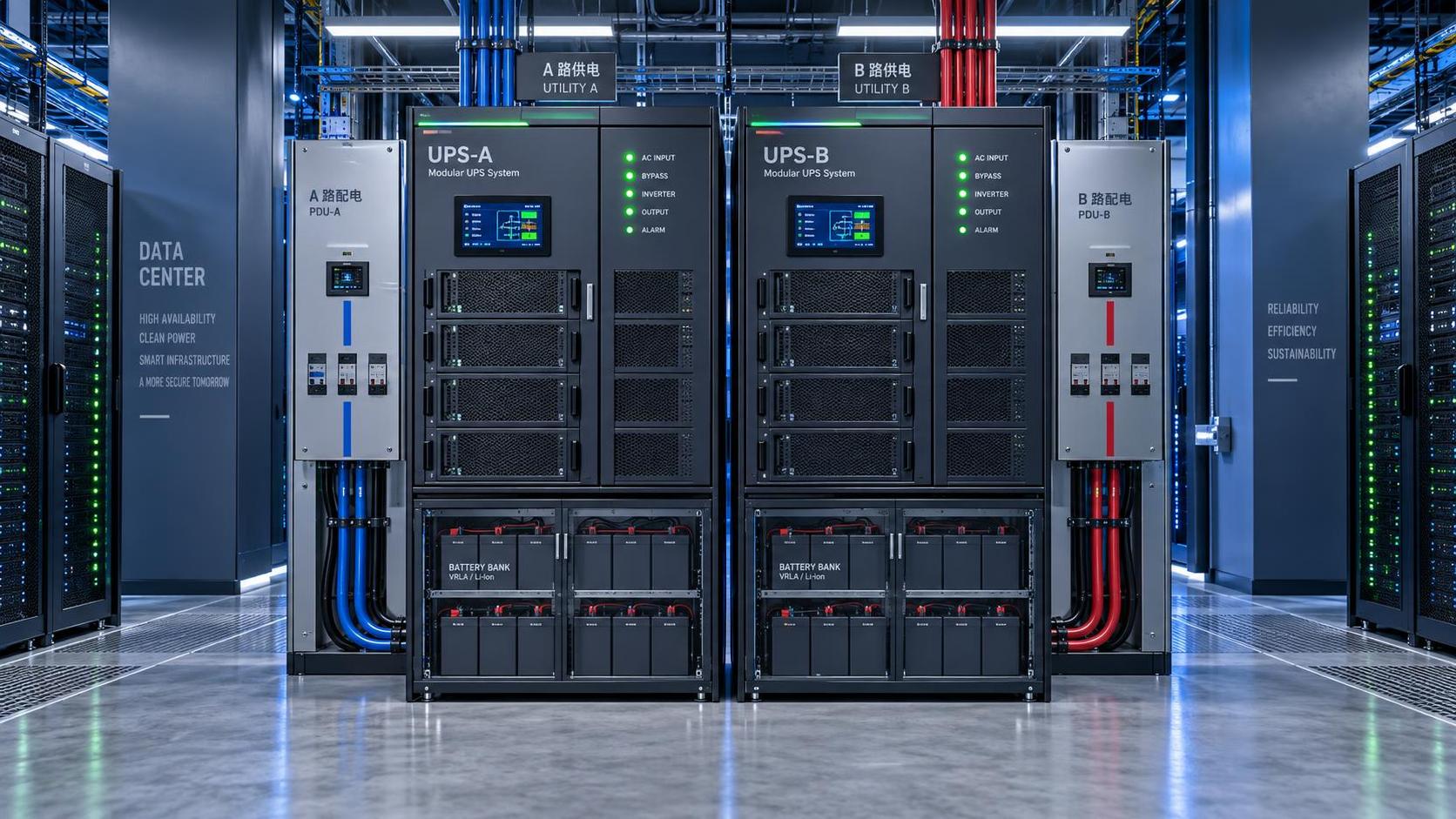
For most commercial and industrial overseas installations, annual documented electrical safety inspections are a sensible starting point. They should be supported by more frequent condition checks, especially for main distribution boards, transformers, motor control centers, generators, UPS systems, and equipment feeding life-safety or production-critical loads.
However, an annual inspection is not automatically enough. It can be insufficient when a site operates around the clock, has older equipment, experiences recurring trips, or is located where high humidity, salt air, dust, heat, or pests can degrade electrical components quickly. In those cases, waiting for the annual review can allow a minor defect to remain unnoticed through an entire operating cycle.
These are planning ranges, not a substitute for country-specific law, utility rules, insurer requirements, manufacturer instructions, or site permits. Some jurisdictions prescribe inspection or testing intervals for particular installations. The local requirement should be treated as the floor, not necessarily the full maintenance strategy.
The Calendar Is Only One Part of the Decision
Many sites make the same mistake: they schedule inspections by date alone. That is administratively convenient, but electrical systems do not age according to a calendar. They age according to heat, mechanical stress, switching duty, contamination, moisture, load growth, and the quality of previous maintenance.
Start with the operating environment. A panel installed in an air-conditioned electrical room may remain stable for years if loads and connections are properly managed. The same panel beside a process area with conductive dust, chemical vapors, washdown activity, or high ambient temperature can deteriorate much faster. Corrosion on a busbar joint or water entering a cable gland may look minor at first, yet both can create resistance and heat at a connection point.
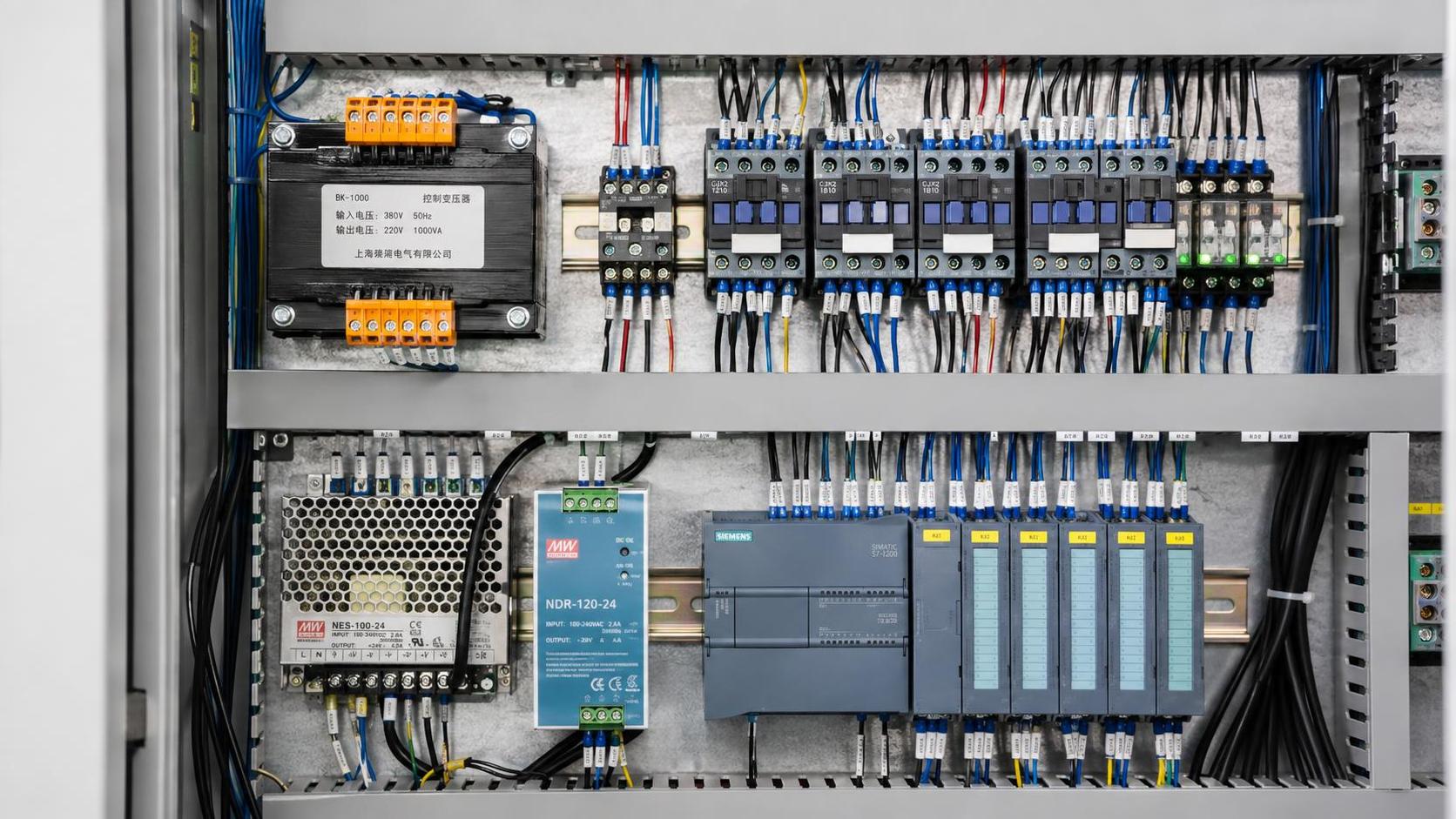
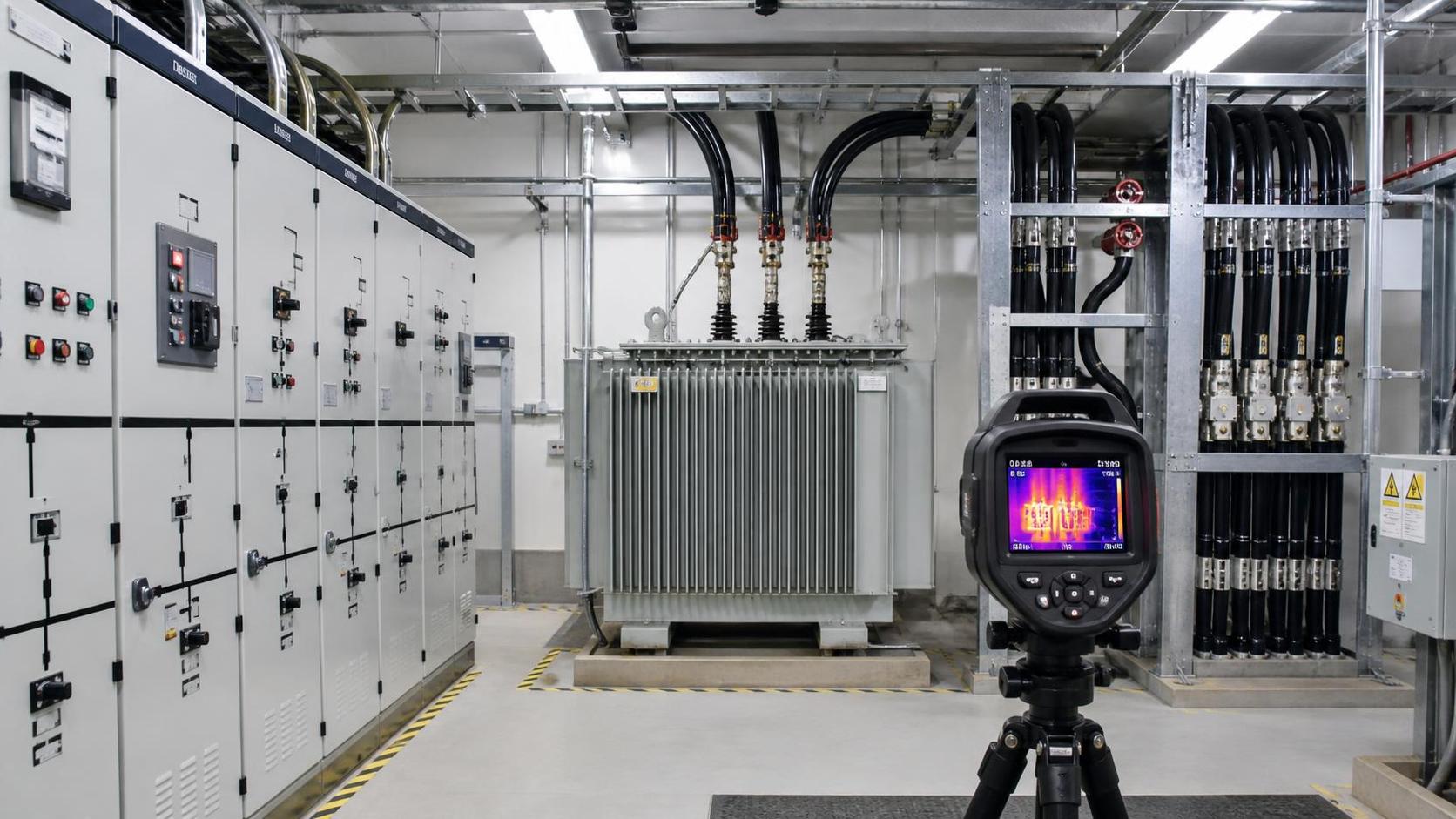
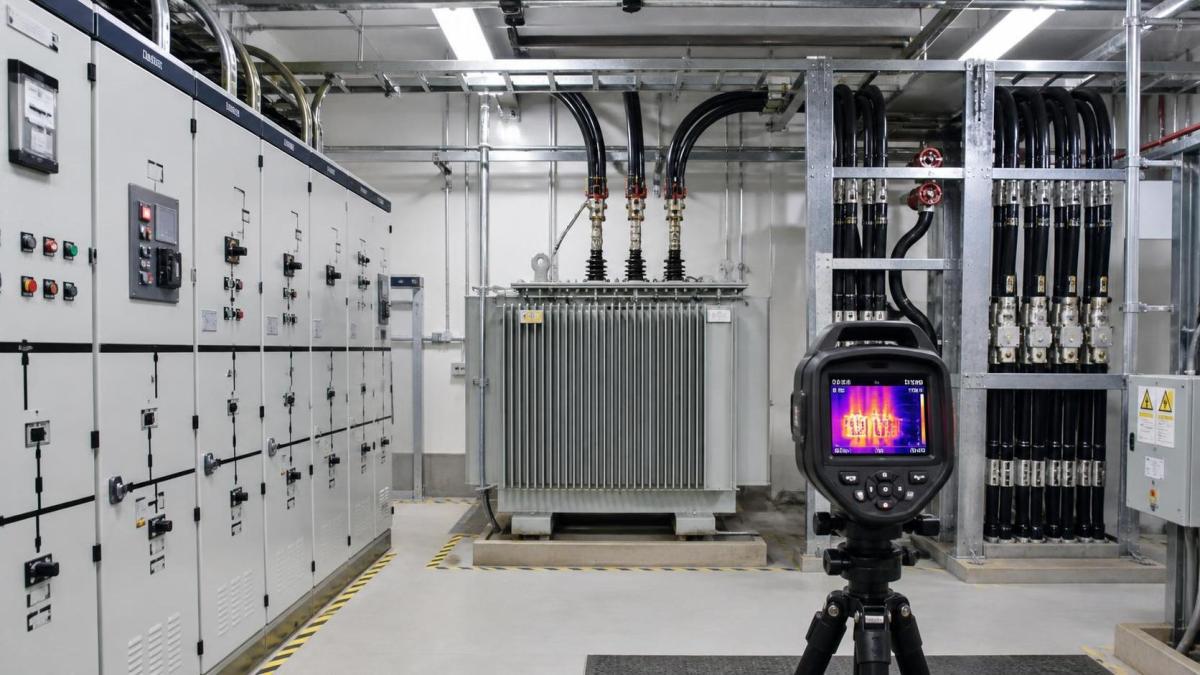
Load behavior matters just as much. A distribution system designed for a certain demand can become stressed after production expansion, additional HVAC equipment, battery chargers, process machinery, or temporary loads are added. The protective device may not trip immediately. Instead, connections and conductors can run warmer than intended for months. Thermal imaging during normal loading is useful here because it identifies temperature differences that a de-energized visual inspection cannot reveal.
Age should be considered, but it should not be used as a shortcut. New equipment can have problems caused by poor installation, incorrectly torqued terminals, missing blanks, wrong protection settings, or unsuitable enclosure ratings. Older equipment may remain dependable if it has a clean environment, documented maintenance, available spare parts, and stable operating conditions. The inspection interval should follow evidence, not assumptions.
What a Meaningful Inspection Should Include
A quick walk-through has value, but it is not a complete electrical safety inspection. A credible program normally combines records review, visual examination, operational checks, and appropriately selected tests. The scope should match the installation and be performed by competent personnel who understand the applicable local standards and the equipment's hazards.
At minimum, inspectors should review changes since the previous inspection. Has the connected load increased? Have any breakers tripped repeatedly? Was equipment relocated, modified, exposed to water, or repaired after a fault? Are single-line diagrams, circuit schedules, warning labels, and maintenance records current? Outdated documentation is more than a paperwork issue. It can delay isolation during an emergency and increase the chance of working on the wrong circuit.
The physical review should look for damaged doors, missing covers, blocked ventilation, improper cable support, corrosion, discoloration, loose conduit fittings, unsealed openings, and signs of arcing or heat. Grounding and bonding connections need particular attention after expansions or modifications. A protective earth conductor that is present but poorly terminated does not provide reliable protection.
Testing may include insulation resistance, continuity, grounding or earth-electrode verification, protective-device testing, and thermal imaging. Not every test is appropriate for every energized system or every piece of sensitive equipment. Testing plans should account for shutdown windows, manufacturer limits, stored energy, arc-flash hazards, and the effect of test voltages on connected electronics. This is why a generic checklist downloaded from another country is rarely enough.
When to Inspect Immediately Instead of Waiting
Some conditions should trigger an inspection outside the planned cycle. Repeated breaker trips, nuisance alarms, burning smells, buzzing, unexplained flickering, water ingress, heat discoloration, electrical shocks, damaged enclosures, and visible corrosion all deserve prompt investigation. So do faults following flooding, lightning activity, a major utility disturbance, fire exposure, construction work near buried cables, or an equipment relocation.
Another overlooked trigger is a change in load. If a site adds a large motor, heater bank, charging station, server equipment, or production line, review the upstream distribution before treating the installation as routine. The question is not simply whether the new equipment operates. It is whether the transformer capacity, feeder conductors, breaker ratings, protection coordination, ventilation, and fault level assumptions remain appropriate.
Do not wait for an outage report to establish a baseline either. When taking responsibility for an overseas facility with incomplete records, arrange an initial condition assessment. It may reveal undocumented modifications, incompatible components, unreliable labeling, or test gaps that make a standard annual schedule unrealistic until corrective work is completed.
Common Misunderstandings That Create Risk
“The breakers have not tripped, so the system is fine.” Protective devices respond to particular fault conditions. They do not prove that every termination is tight, every enclosure is dry, or every conductor is operating at a safe temperature.
“A visual inspection is the same as electrical testing.” Visual checks catch many problems, particularly damage and contamination, but they cannot confirm insulation condition, protective continuity, or the performance of all protective devices.
“International certification solves the inspection question.” CE, UL, or similar markings may be relevant to product conformity, but they do not remove the need to assess the installed system. Installation quality, local codes, operating conditions, and maintenance history still matter.
“More testing is always better.” Unnecessary or poorly planned testing can introduce downtime and, in some cases, affect sensitive equipment. The aim is targeted, competent inspection based on risk, not testing for its own sake.
Building a Schedule That Works Across Borders
For overseas assets, begin by identifying the governing requirements in the country and region where the installation operates. Check the authority having jurisdiction, local electrical regulations, insurer conditions, utility requirements, lease obligations, and applicable workplace safety rules. Requirements can differ substantially between markets, even where equipment is built to familiar IEC, UL, or other recognized standards.
Then create an asset register that distinguishes critical from non-critical equipment. A small local panel serving office lighting should not receive the same attention as a main switchboard feeding a continuous process, emergency systems, cold storage, data equipment, or essential pumping. Rank assets by consequences of failure, fault history, environmental exposure, age, load profile, and availability of replacement parts.
Use findings to adjust the program. A clean inspection with stable thermal readings and no changes may support the existing interval. Repeated hot connections, moisture intrusion, weak insulation readings, damaged seals, or poor documentation should shorten the interval until the underlying issue is resolved and performance is stable.
Documentation is part of the control system. Each inspection should record the asset identification, date, conditions, observations, test methods, readings where relevant, deficiencies, corrective actions, and responsible person. Photographs of abnormal conditions are particularly useful when maintenance teams, consultants, and decision-makers are separated by geography. A report that only says “passed” provides little value at the next inspection.
Global Industrial Core (GIC) approaches electrical infrastructure decisions from this practical angle: purchasing, compliance, installation quality, inspection evidence, and lifecycle reliability need to align. When comparing service providers or equipment for international sites, ask for clear scope definitions, relevant certifications, test documentation, local compliance capability, and a plan for corrective findings. Broad claims about safety are not a replacement for traceable evidence.
FAQ
Is an annual electrical inspection legally required everywhere?
No. Requirements vary by country, installation type, industry, insurer, and local authority. Confirm the applicable rule locally, then add risk-based inspections where the legal minimum does not reflect actual operating conditions.
Should thermal imaging replace hands-on inspection?
No. Thermal imaging is highly useful for finding abnormal heating under load, but it does not replace checks of grounding, insulation, labels, enclosure condition, protective devices, or documentation.
How often should outdoor distribution equipment be checked?
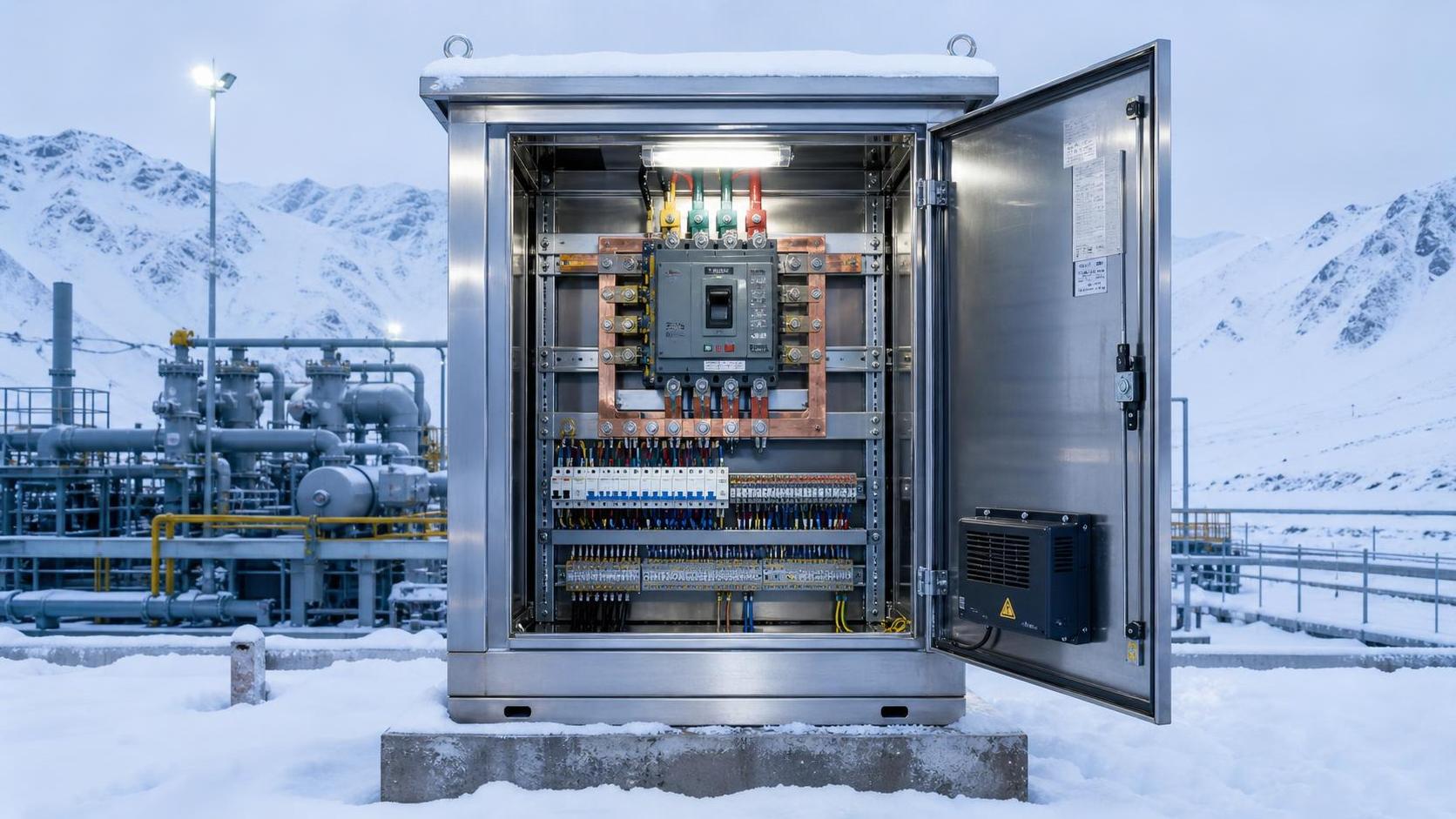
Outdoor equipment often needs more frequent visual checks because weather, moisture, UV exposure, dust, and corrosion can affect seals, enclosures, cable entries, and connections. Set the interval according to local climate and observed condition.
What should happen after an inspection finds a hot connection?
Treat it as a condition requiring investigation, not just a report note. Determine whether the cause is loose torque, corrosion, overload, conductor damage, poor contact surfaces, or an incorrect component. Repair and verify the result under appropriate operating conditions.
A Defensible Inspection Interval Is a Risk Decision
The best answer to how often should electrical safety inspections be done for overseas power distribution systems? is: at least as often as local rules require, and more often when condition, environment, criticality, or operating history justifies it. Annual formal inspections are a sound baseline for many sites, but routine observation and targeted testing are what prevent hidden defects from becoming emergencies.
Set a documented baseline, inspect after meaningful changes or abnormal events, and let real findings shape the next interval. That approach is easier to defend than relying on a fixed date alone, and it gives maintenance teams a clearer path from inspection findings to safer, more reliable power distribution.
Technical Specifications
- How to Select Electronic Hotel Key Card Locks for Guest Rooms and Staff AreasAuthor :Safety Compliance Lead
- How to Select Lab Instruments for Reliable Chemical Analysis WorkflowsAuthor :Precision Metrology Expert
- How to Size a UPS for Server Rooms: Load, Runtime, and Redundancy FactorsAuthor :Grid Infrastructure Analyst
Expert Insights

Chief Security Architect
Dr. Thorne specializes in the intersection of structural engineering and digital resilience. He has advised three G7 governments on industrial infrastructure security.
Related Analysis
- Sep 17, 2026How to Select Electronic Hotel Key Card Locks for Guest Rooms and Staff AreasAuthor :Safety Compliance Lead
- Sep 16, 2026How to Select Lab Instruments for Reliable Chemical Analysis WorkflowsAuthor :Precision Metrology Expert
- Sep 15, 2026How to Size a UPS for Server Rooms: Load, Runtime, and Redundancy FactorsAuthor :Grid Infrastructure Analyst
Core Sector // 01
Security & Safety
- How to Size a UPS for Server Rooms: Load, Runtime, and Redundancy FactorsAuthor :Grid Infrastructure Analyst

- How to Choose a Step-Down Transformer for a Control Panel: Key Sizing FactorsAuthor :Grid Infrastructure Analyst

- How Often Should Overseas Power Systems Undergo Safety Inspections?Author :Grid Infrastructure Analyst

- How to Choose Panels for Extreme-Cold Industrial Sites?Author :Grid Infrastructure Analyst

- What Should a Cross-Border EPC Equipment Procurement Reference Include?Author :Grid Infrastructure Analyst

- How to Compare Low-Voltage Equipment for Panel IntegrationAuthor :Grid Infrastructure Analyst

- IEC-Compliant Power Infrastructure: Key Design and Verification RequirementsAuthor :Grid Infrastructure Analyst

- Updated EN 61000-6-4:2026 Raises EMC Compliance Bar for EU-Bound Industrial EquipmentAuthor :Grid Infrastructure Analyst