EU EN 62368-1:2026 Becomes Mandatory for Exports
Author
Date Published
Reading Time

On August 12, 2026, the OJEU announced that EN 62368-1:2026 will become the sole harmonized standard for AV/IT products as well as industrial power supplies, transformers, and switchgear, with mandatory enforcement starting on November 1, 2026. For exporters serving the EU market, especially in Transformers & Switchgears, Breakers & Relays, and Cables & Wiring, this is not just a standards update but a direct compliance change that can affect certification timing, product testing scope, and export readiness.
What the OJEU Notice Confirms
The confirmed facts are clear. According to the notice published in the Official Journal of the European Union on August 12, 2026, EN 62368-1:2026 formally replaces EN 62368-1:2019+A2:2023 as the applicable harmonized standard for the relevant product categories. From November 1, 2026, the new version will be mandatory.
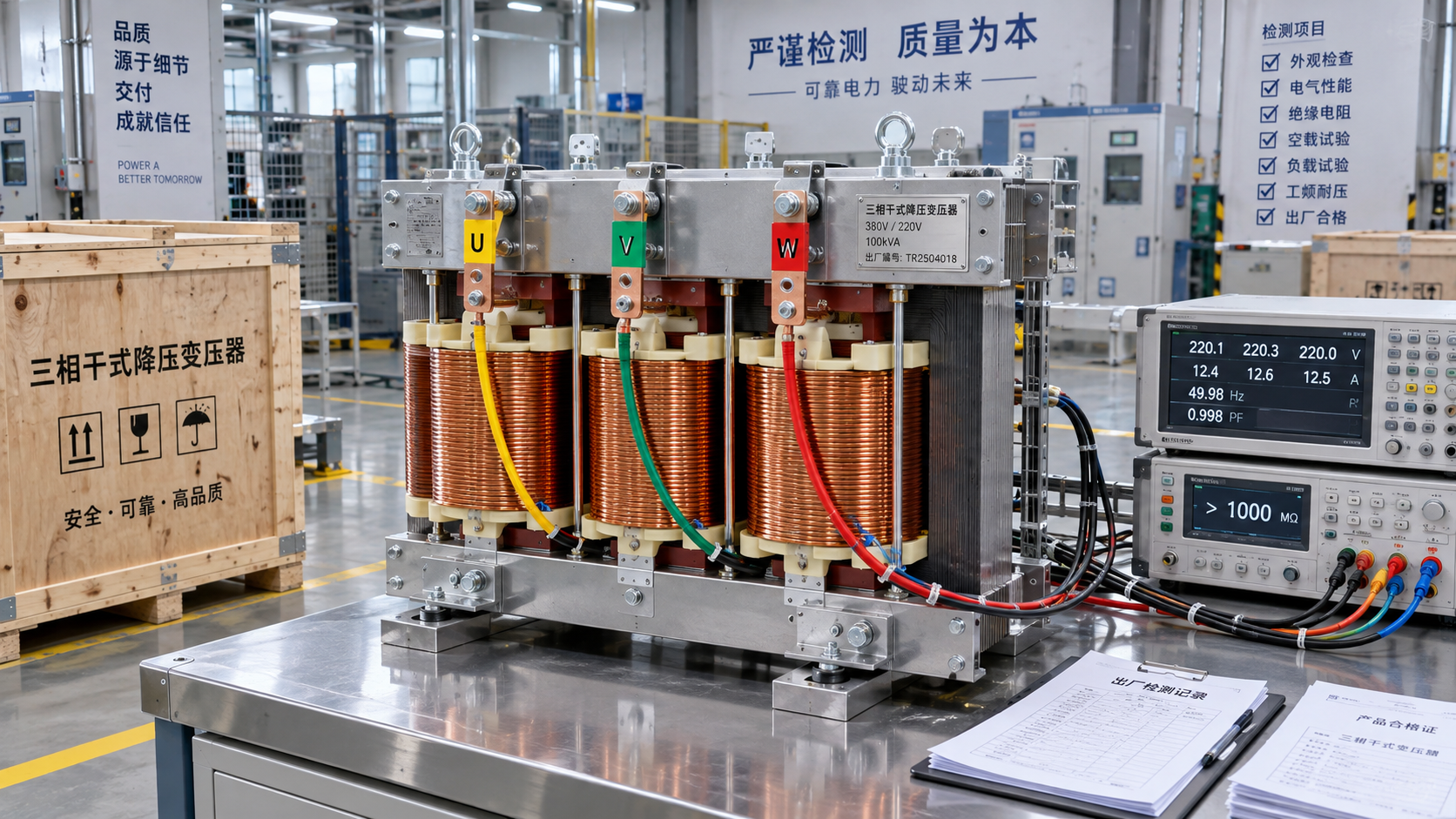
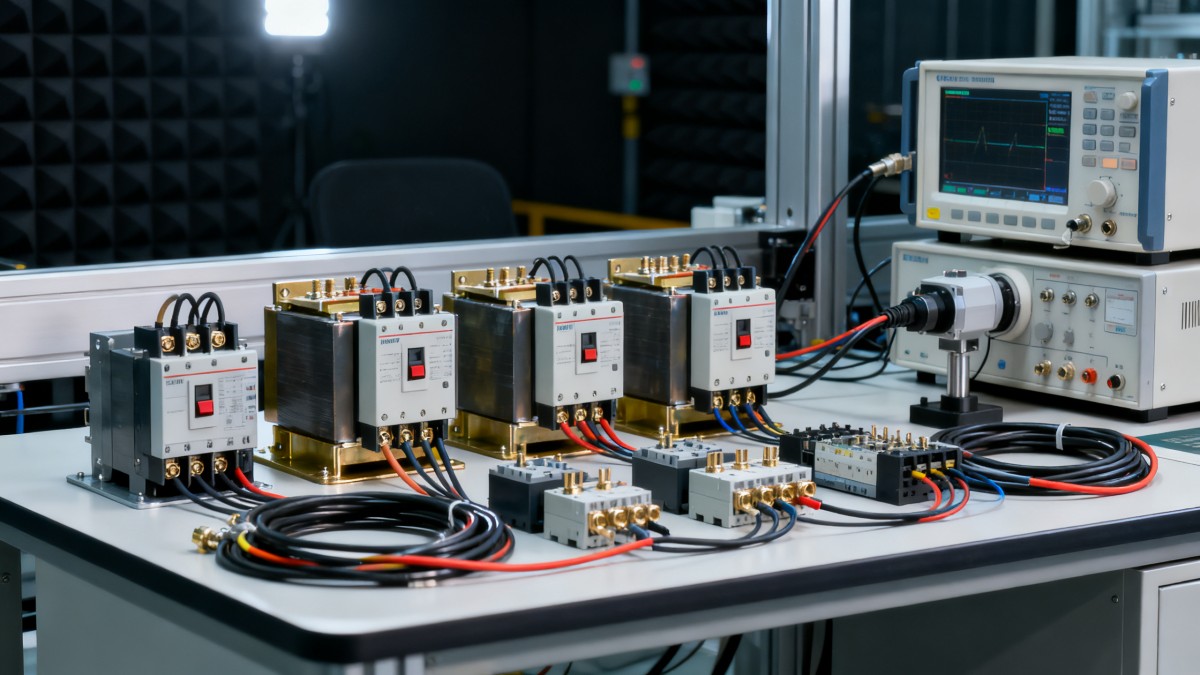
The update applies to AV/IT and industrial products including power supplies, transformers, and switchgear. The new standard also introduces additional test requirements covering wide-temperature-range operation, EMC immunity for solid-state relays, and testing requirements for switchgear that includes AI control modules.
The notice directly affects the EU export compliance path for product groups such as Transformers & Switchgears, Breakers & Relays, and Cables & Wiring.
Where the Pressure Will Be Felt Across the Supply Chain
Exporters face a narrower compliance window
From an industry perspective, companies shipping affected products to the EU are likely to feel the most immediate impact. The reason is straightforward: once EN 62368-1:2026 becomes the only harmonized standard, existing certification strategies based on the replaced edition may need to be reassessed. The main pressure points are likely to appear in product qualification schedules, technical file preparation, and shipment planning tied to EU market access.
Manufacturers may need to revisit design and testing assumptions
For manufacturers of industrial power supplies, transformers, switchgear, breakers, and relays, the change matters because the updated standard adds test items in areas that can affect product design validation. What deserves closer attention is whether current products intended for EU export have already been assessed against wide-temperature operation conditions, EMC immunity requirements for solid-state relays, and the treatment of AI-enabled control modules within switchgear.
Procurement and supply chain teams will need clearer component-level visibility
For procurement functions and supply chain service providers, the impact is less about the legal text itself and more about documentation and coordination. Where products depend on upstream components or modules, teams may need to confirm whether supplier documents, test records, and technical declarations remain aligned with the new certification route. This is especially relevant where compliance evidence is assembled across multiple suppliers.
EU-facing buyers and channel partners may tighten pre-delivery checks
Observably, distributors, channel partners, and downstream buyers serving the EU market may place more weight on certification status and supporting technical documents before accepting deliveries. The effect may show up in order confirmation, delivery scheduling, and customer communication, particularly for products already in pipeline for shipment near the November 1, 2026 enforcement date.
What Companies Should Track Now
Check which SKUs are tied to the replaced standard
Companies should first identify which export models currently rely on EN 62368-1:2019+A2:2023 in their existing compliance documentation. This is a practical starting point because the regulatory change is not abstract; it applies to specific products, files, and certificates used in EU-facing business.
Separate standard language from actual test readiness
Analysis shows that one of the main operational risks is assuming that a published replacement automatically translates into immediate technical readiness. The addition of test requirements for wide-temperature-range operation, solid-state relay EMC immunity, and AI-controlled switchgear means firms should distinguish between awareness of the new rule and evidence that products have been evaluated accordingly.
Review supplier documents and certification timelines
Where products involve purchased assemblies, control modules, or compliance-critical materials, supplier coordination becomes a near-term issue. Companies should pay attention to whether upstream documentation supports the revised certification path and whether certification or recertification timelines could affect delivery commitments to EU customers.
Prepare customer communication around transition timing
For sales, account, and regulatory teams, the transition date of November 1, 2026 deserves careful handling in external communication. What deserves closer attention is not only whether a product can ultimately comply, but also how shipment dates, certification status, and supporting documents are presented to customers during the transition period.
How This Update Is Best Understood at This Stage
As an editorial observation, this development is better understood as both an immediate compliance change and a longer-term signal about how technical expectations are evolving in regulated electrical and electronic products. The immediate part is clear: the replacement standard and enforcement date are already defined. The longer-term signal lies in the added attention to wide-temperature performance, EMC immunity in solid-state devices, and switchgear that incorporates AI control functions.
At the same time, this should not be overstated beyond the confirmed facts. Observably, the current notice establishes a mandatory standard transition, but the full business effect will depend on how individual product categories, certification plans, and customer delivery cycles intersect with the new requirements. That is why this remains a live operational issue rather than a one-day headline.
Why the Market Should Read This Carefully
The industry significance of this update is not limited to a change in standard numbering. It is more appropriate to understand this as a concrete adjustment to EU export compliance for affected electrical product categories, with practical consequences for testing scope, documentation, and market access preparation. For companies active in Transformers & Switchgears, Breakers & Relays, and Cables & Wiring, the most reasonable reading today is that this is a defined rule change with immediate execution implications and continued need for close follow-up.
Basis of This Article and What Still Needs Verification
This article is based on the user-provided news title, event date, and event summary regarding the OJEU notice issued on August 12, 2026 and the mandatory implementation of EN 62368-1:2026 from November 1, 2026. In this type of industry update, relevant source categories typically include official notices, company disclosures, industry association updates, authoritative media reporting, and standardization documents.
A specific official source link was not provided in the input, so the exact document link still requires continued verification. Follow-up attention should remain on any later official clarifications, implementation wording, and practical certification interpretations affecting industrial power supplies, transformers, switchgear, relays, and related EU-bound products.
Technical Specifications
- Air Handling Unit Supplier Checklist: Performance Data, Lead Times, and SupportAuthor :Environmental Engineering Director
- Buying Fiberglass Water Tanks Wholesale: Compare Quotes and Delivery CostsAuthor :Environmental Engineering Director
- Choosing an XLPE Power Cable Supplier: Test Reports, Traceability, and Lead TimesAuthor :Grid Infrastructure Analyst
Expert Insights

Chief Security Architect
Dr. Thorne specializes in the intersection of structural engineering and digital resilience. He has advised three G7 governments on industrial infrastructure security.
Related Analysis
- Oct 19, 2026Air Handling Unit Supplier Checklist: Performance Data, Lead Times, and SupportAuthor :Environmental Engineering Director
- Oct 18, 2026Buying Fiberglass Water Tanks Wholesale: Compare Quotes and Delivery CostsAuthor :Environmental Engineering Director
- Oct 17, 2026Choosing an XLPE Power Cable Supplier: Test Reports, Traceability, and Lead TimesAuthor :Grid Infrastructure Analyst
Core Sector // 01
Security & Safety
- Choosing a Step-Down Transformer Supplier: Test Reports, Lead Times, and WarrantyAuthor :Grid Infrastructure Analyst

- Metallurgy Processes That Improve Conductivity and Reliability in Power Grid ComponentsAuthor :Grid Infrastructure Analyst

- How to Size a UPS for Server Rooms: Load, Runtime, and Redundancy FactorsAuthor :Grid Infrastructure Analyst

- How to Choose a Step-Down Transformer for a Control Panel: Key Sizing FactorsAuthor :Grid Infrastructure Analyst

- How Often Should Overseas Power Systems Undergo Safety Inspections?Author :Grid Infrastructure Analyst

- How to Choose Panels for Extreme-Cold Industrial Sites?Author :Grid Infrastructure Analyst

- What Should a Cross-Border EPC Equipment Procurement Reference Include?Author :Grid Infrastructure Analyst

- How to Compare Low-Voltage Equipment for Panel IntegrationAuthor :Grid Infrastructure Analyst